
Review
Looking Back at DOWN BY LAW: A Hypnotic Prison Escape
I assure you that Down by Law is truly worth taking the risk. After all, the only thing at stake is 107 minutes of one’s life.

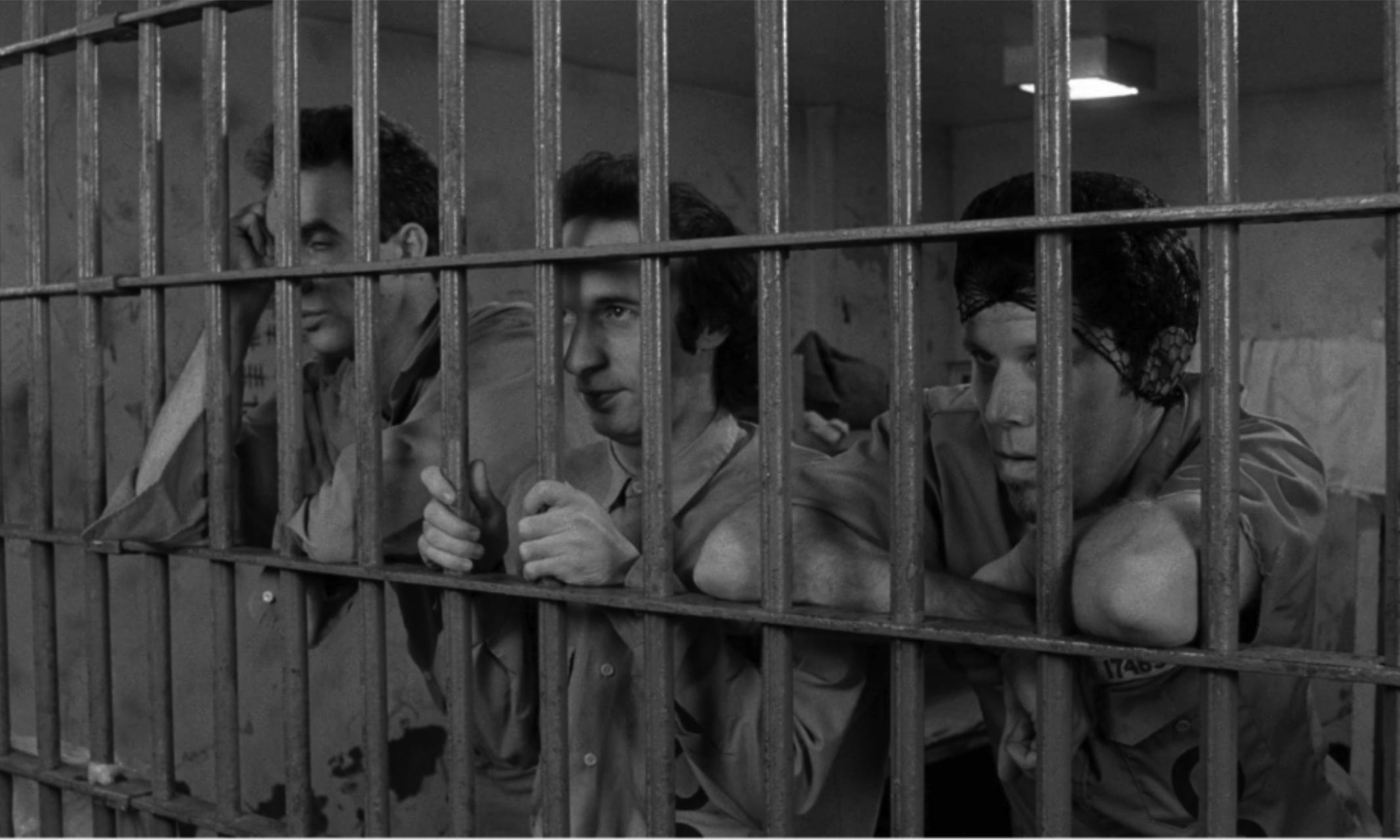
In American cinema, the theme of escaping from prison is one of the topics most frequently taken up by filmmakers. “Escape films” constitute an almost separate genre in their own right, governed by its own rules. They usually rely on a similar scheme: the protagonist (most often falsely accused) ends up in prison, befriends several other innocent inmates there, together they prepare an escape, then put their plan into action, and the final chord is slipping away from the police chasing them. Down by Law it is.
Of course, in each production of this current the accents are arranged differently, screenwriters approach the subject from various angles, but the template almost always remains the same. Sometimes the film focuses on the serving of the sentence, and the escape is merely a kind of epilogue (The Shawshank Redemption), sometimes it is the other way around—the hero does not even manage to end up behind bars and already has to run (The Fugitive), sometimes, for variety, the escape is not from a prison but, for example, from a POW camp (The Great Escape).

In short, a viewer who hears the phrase prison escape knows what to expect and does not count on any surprises. However, as is well known, there are always exceptions to every rule. Jim Jarmusch is a leading representative of the American independent scene; for over 40 years he has been making his original, auteur cinema. His work is impossible to mistake for anything else. Unhurried narration and subtle humor remain the hallmarks of the creator of films such as Night on Earth or Broken Flowers.
In 1986, Jarmusch decided to make a film about the prison story of three random people. One often encounters the opinion that it is precisely at the intersection of mass culture and high culture that the greatest works are created. So what could have emerged when an alternative filmmaker took on such a banal and painfully overexploited subject? Of course, something exceptional and unrepeatable.
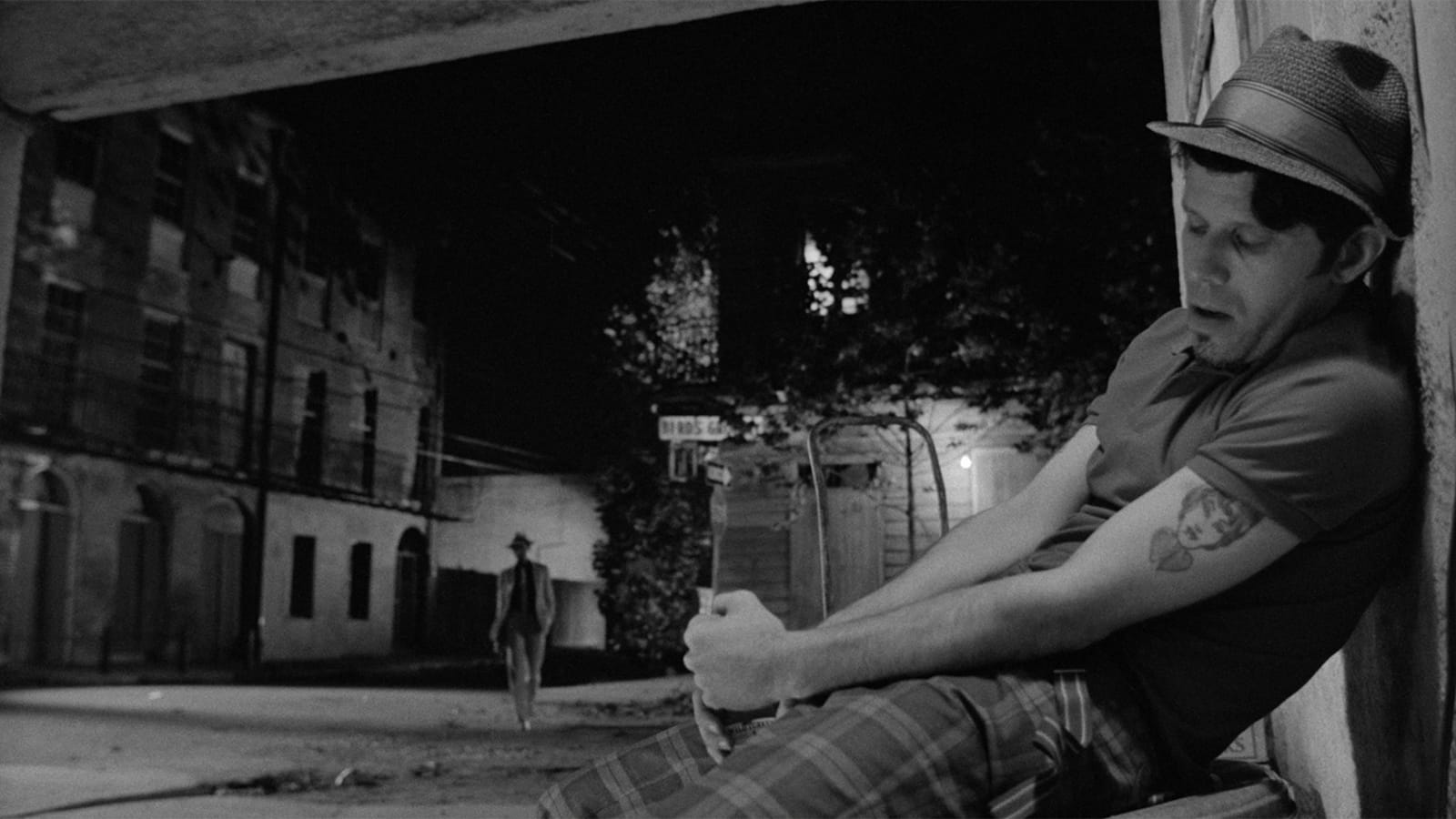
An immigrant from Italy, a small-time pimp, and a radio DJ end up in prison, then make a break for it and flee from pursuit. The end, period. This is the outline of the plot of Jim Jarmusch’s film Down by Law. At first glance, the screenplay seems simplistic, and the film announces itself as yet another case of reheated leftovers. Nothing could be further from the truth. It is precisely the brilliant script that is the film’s main asset. Down by Law plays with the viewer’s habits in a witty and intelligent way.
Jarmusch knows what we expect from this type of film and… serves us something completely different. For example, he hilariously mocks the motif of the hero convicted despite his innocence.

When the two tough guys complain about how they were framed, the third of them—full of optimism, always cheerful Bob, played by Roberto Benigni—states with disarming sincerity: And I’m in because I killed a man. The entire film is filled with such winks at the viewer; the way the escape itself is depicted is masterful here! I will not, of course, reveal it, so as not to spoil anyone’s pleasure of watching.
Jim Jarmusch serves us here, however, something more than just a mechanical deconstruction of a certain myth. Down by Law is filled with a specific kind of humor—one will not find crude gags here; the source of comedy is rather a certain absurdity hanging in the air. The action unfolds at an unhurried, almost lazy pace. This allows one to immerse oneself completely in the hypnotic atmosphere of the story. For viewers accustomed to fast action and MTV-style editing, this kind of narration may seem indigestible and may simply bore them.

Anyone who puts in a bit of effort and gives the film a chance will later be richly rewarded. Roberto Benigni, John Lurie, and the musician Tom Waits wonderfully embodied the film’s main characters. The characters they created seem like people of flesh and blood; special applause is due to Benigni, who accomplished a rare feat—he managed to create an exaggerated character in whom we are able to believe! Hats off.
The black-and-white cinematography also makes a strong impression; despite its static quality, it greatly helps build the film’s slightly oneiric atmosphere. The film also makes use of an excellent, unsettling track by Tom Waits: Jockey Full of Bourbon. Jim Jarmusch invites us to pause for a moment, devote a moment of our precious time, and enter his world. From my side, I assure you that it is truly worth taking the risk. After all, the only thing at stake is 107 minutes of one’s life.


