
Review
STRANGER THINGS, S4: I No longer Trust the Duffer Brothers
The fourth season of Stranger Things cruelly disappointed me, losing the class of the previous seasons and proving to be a simple, rather brazen cash grab.

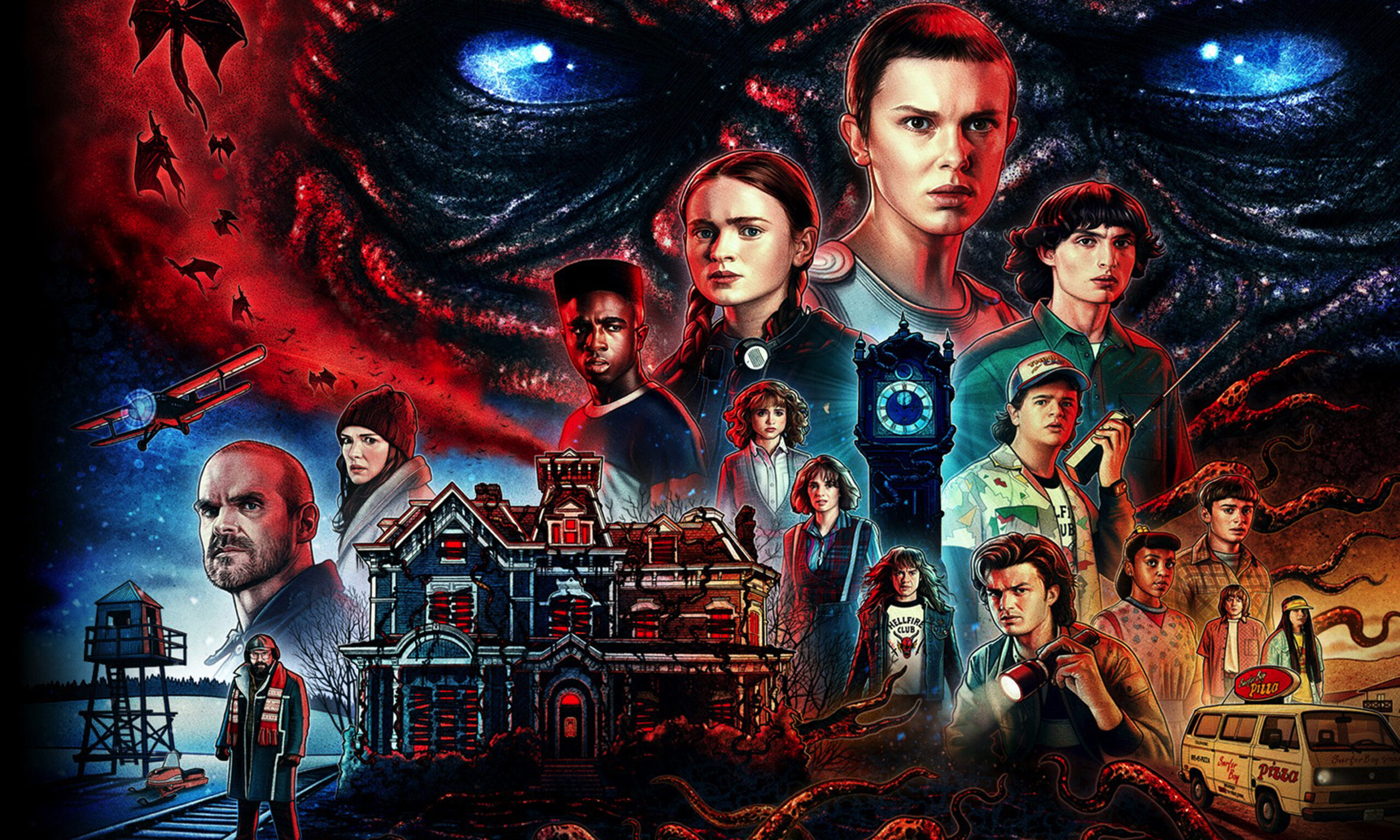
Months, even years of building anticipation, revisiting iconic hits from three decades ago, long paragraphs of fan speculation and theories, further winks to lovers of eighties pop culture – all of this led us to the finale of Stranger Things Season 4. Netflix’s flagship production has been, for me, an example of unpretentious, quality entertainment since its premiere in 2016. It was obvious that the Duffer brothers, who created the series, heavily relied on nostalgia and remixing what had already worked, but they did it with such grace that it was hard for me to complain. The fourth season of Stranger Things however cruelly disappointed me, losing the class of the previous seasons and proving to be a simple, rather brazen cash grab.
Unnecessary continuation
I will begin my litany of criticisms with a fundamental issue: the fourth installment of the adventures of the kids from Hawkins, Indiana, should not have existed at all. The three seasons, filmed between 2016 and 2019, created a neat and, essentially, fairly coherent whole. In the finale of the third season, we received satisfying closures for both the main and secondary storylines. Eleven saved the world, closing the gateway to another dimension while simultaneously losing her supernatural powers.
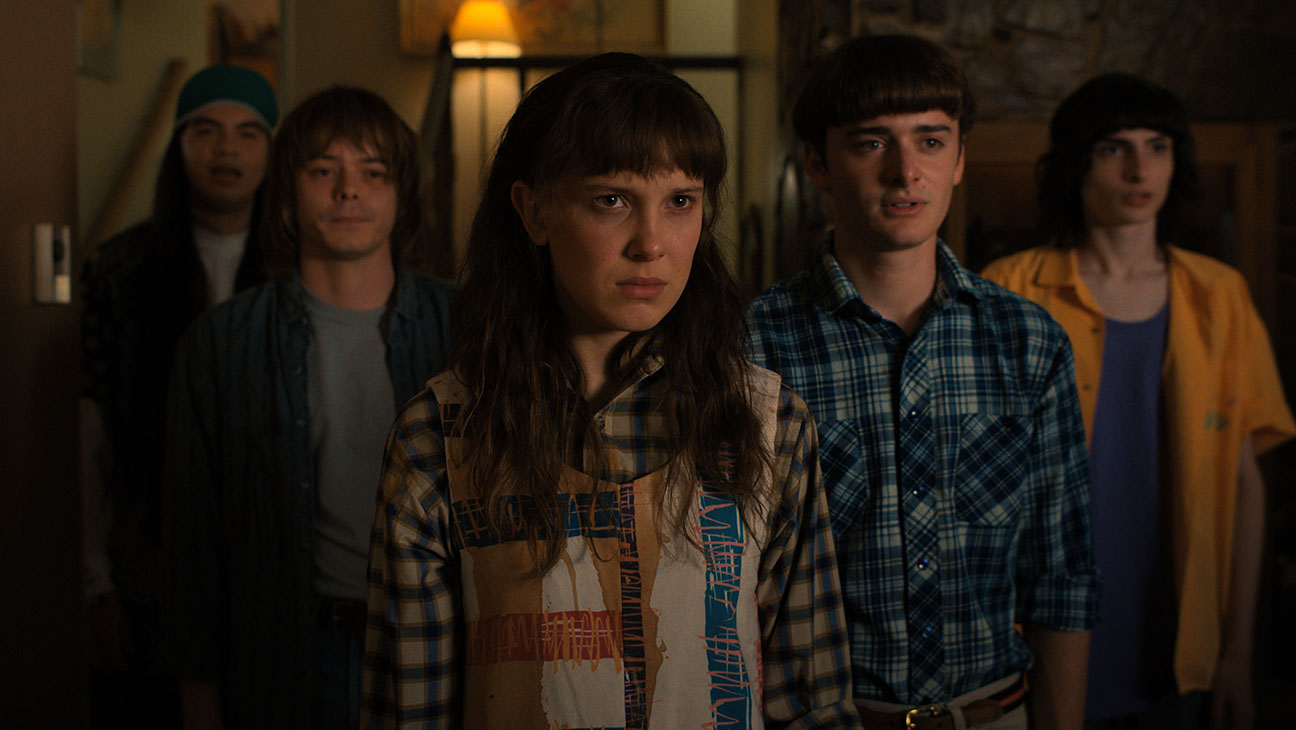
She could begin a new life as an ordinary teenager; the four friends from whom it all started – Mike, Will, Dustin, and Lucas – finished middle school, Max resolved her domestic demons, Steve completed his transformation from jerk to decent guy, Nancy and Jonathan stood on the threshold of adulthood, Hopper died, becoming a hero, and Joyce finally moved forward with her life, free from the baggage of the past.
The places where the characters of Stranger Things ended up at the conclusion of the third season were satisfying from the perspective of the development of individual storylines over three seasons, and the culmination of the saga of clashes with dark forces from another dimension had a suitably bittersweet tone, catalyzing the initiation of the teenagers and their transformation from innocent kids into mature individuals capable of coping with adversity and loss.
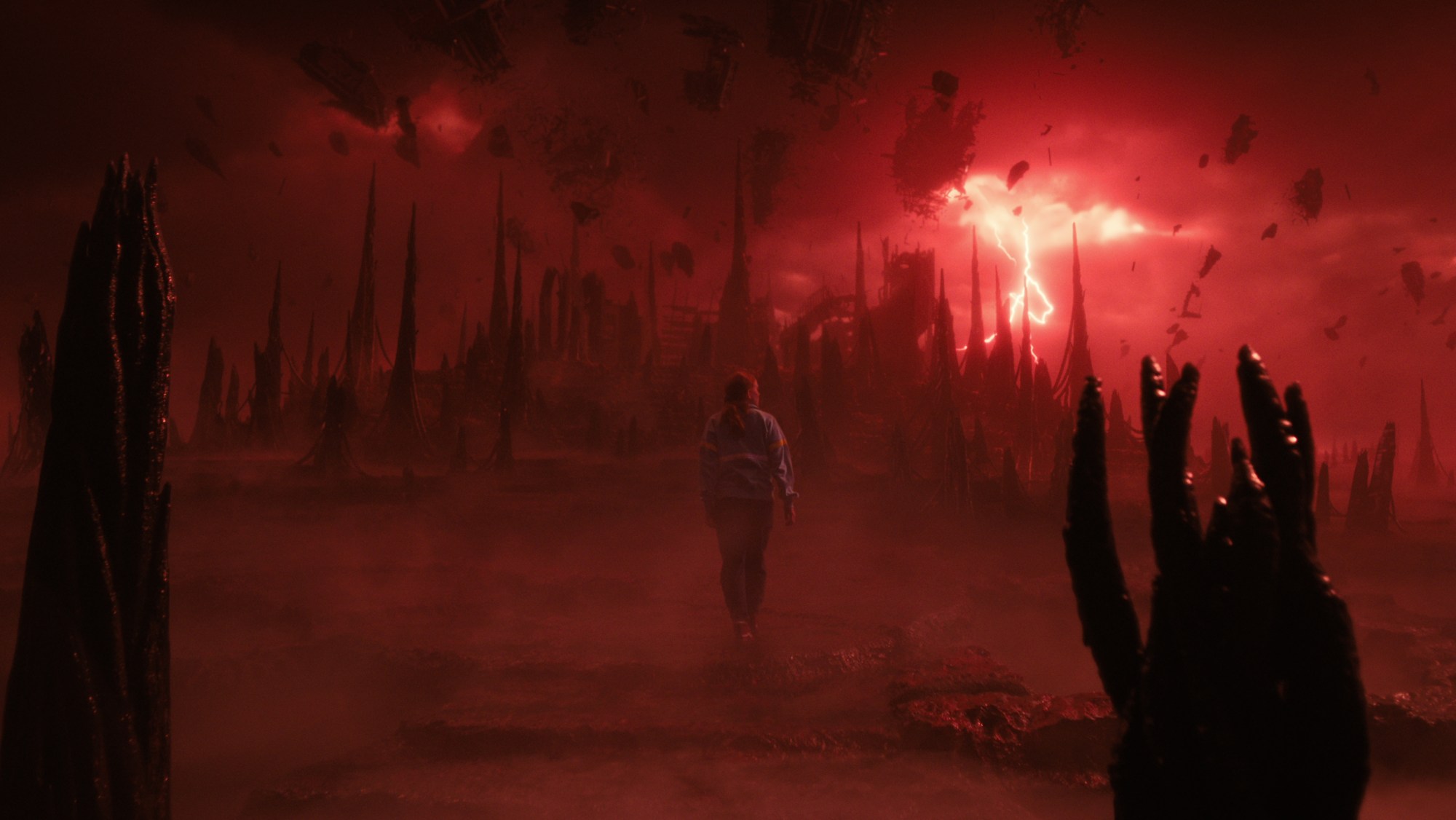
Of course, the Duffer brothers only held that closure until the end credits, essentially immediately signaling a continuation of the story. Even then, a warning light went off in my head labeled why?, especially since the teaser for the fourth season strongly hinted at Hopper’s survival, which significantly undermined the emotional weight of the trilogy’s finale. Shown three years after that moment, the fourth chapter of the Hawkins saga unfortunately fulfilled my fears in spades.
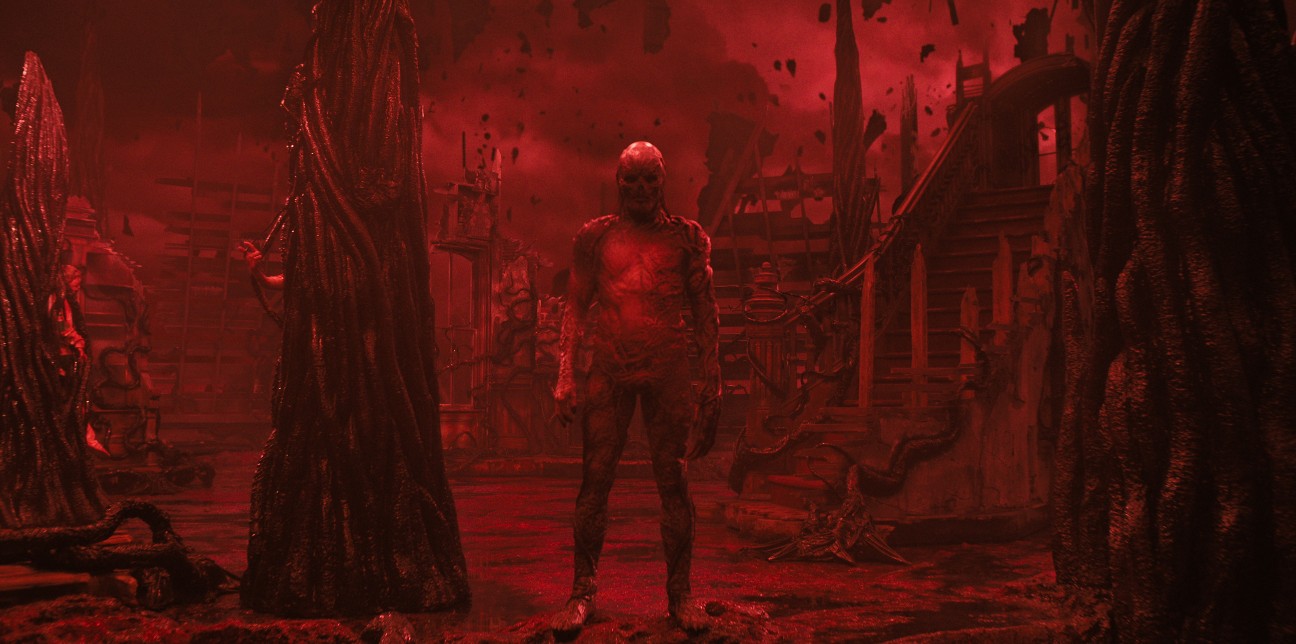
If (I emphasize: if) continuing this story was supposed to make sense, the creators of Stranger Things had to propose some interesting development of what they had told in Seasons 1–3: to expand character arcs, confront them with new challenges, change the perspective of the conflict, the structure of relationships, anything. Unfortunately, the fourth season delivers another version of what we have already seen, except now the antagonist is even stronger, more spectacular (I will give the Duffer brothers credit here – the antagonist genuinely impresses) and retroactively revealed as the cause of everything from the very beginning.

All seeds for developing individual storylines into new directions (Eleven stripped of her unique power, Lucas wanting to step away from being a nerd, Jonathan’s life dilemmas) are quickly pulled back onto familiar tracks or shoved deep into the background. So we get, once again, the same story of a clash with a monster, with the kids supporting superpowered Eleven. Sure, Stranger Things always remixed, but this time the Duffers are paraphrasing themselves, and therein lies the problem. The fact that along the way we get a few exciting, fun moments does not compensate for the complete repetitiveness of this story. Repeating the same trick for the fourth time no longer impresses.
Lack of vision
Stranger Things eating its own tail would not be such a huge problem if it were not for the fact that the lack of an interesting idea for expanding the world leads to further missteps by the Duffers. Just as the creators did not really know what else to do with the story they had created, they also do not know how to handle the number of characters they placed on the board and whom they do not fully have the courage to remove. I will say this directly and perhaps controversially – Will Byers should have died in Season 2. Already in Season 3, he was practically an extra; now his character simply exists and contributes nothing. However, this is only an example of the problem, not the problem of this character alone.
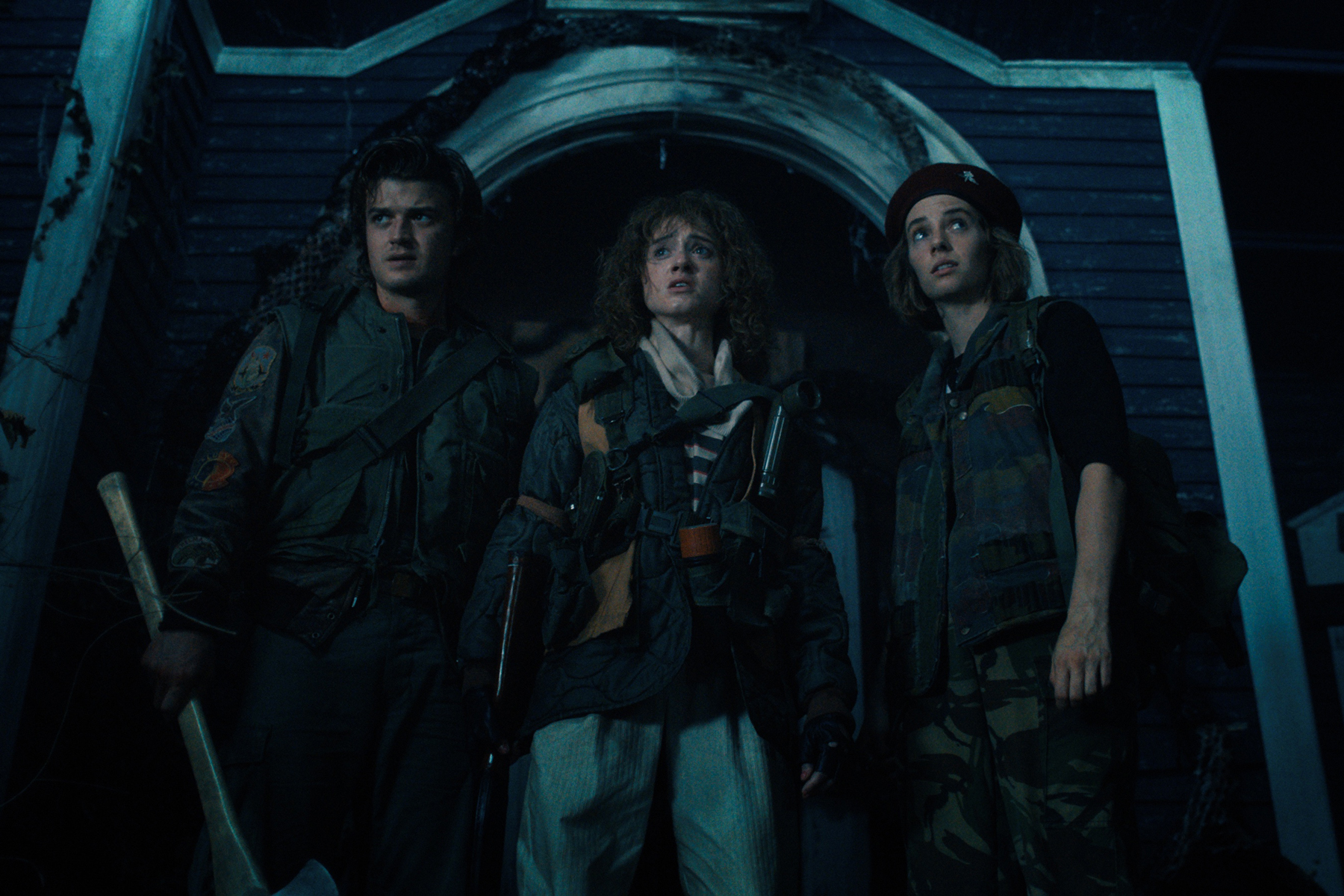
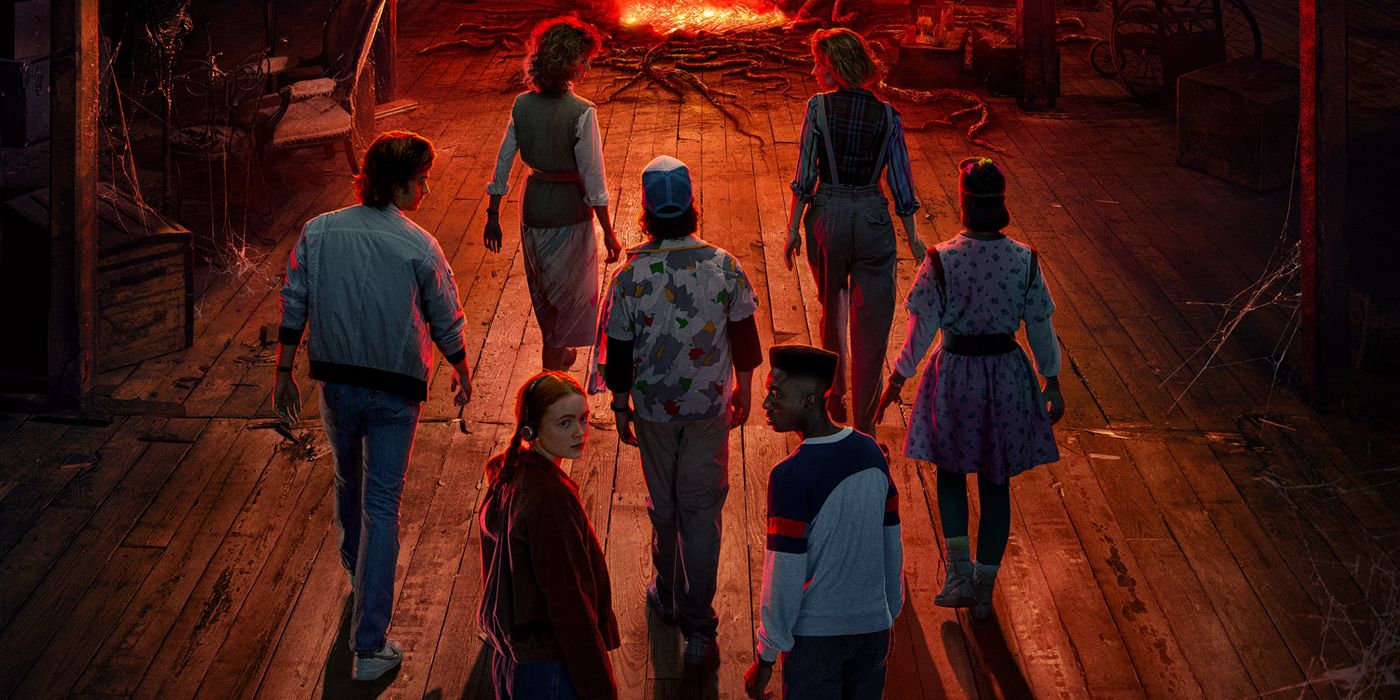
Since the Duffers again add more characters to the main cast, some of the previous ones become narrative ballast. Despite the long runtime of episodes (almost all lasting a full hour or more), many characters do not have room for their storylines to develop, becoming something of an interlude for the main story (this is mainly the case for Robin, perhaps still the most interesting character in the series). The creators do not want to remove positive characters – either negative, secondary, or specifically introduced for that purpose die – and they pay the price in a crowd of protagonists they do not know what to do with.
The most glaring example of this problem is Hopper’s storyline. The Duffers “resurrect” the heroic policeman without even waiting to reveal it in a dramatic twist or during the season, reducing the significance of his sacrifice in the climax of the previous season. And even if they had done that, it serves absolutely no purpose. Unless the addition to the fourth season of a separate, uninteresting subplot of Hopper’s escape from a Soviet labor camp, whose main merit is Brett Gelman’s comedic performance as journalist Bauman, is considered a sufficient reason – which amounts to less than fifteen minutes across a multi-episode storyline.
In other words, the writers bring back a character who received a great narrative arc and a worthy send-off, only to create by far the weakest narrative thread across four seasons. They do not even do anything remotely interesting with Eleven’s reunion with her adopted father. Congratulations. Getting lost in the tangle of characters and clumsy fan service with Hopper hurts all the more because the fourth season of Stranger Things is heavily focused on lead characters. Although the series had many equal characters from the beginning, two stood out: Mike and Eleven.
The first was the natural leader of the group, the second centered the main paranormal storyline, and their relationship successfully connected the fantasy dimension with coming-of-age. Unfortunately, in the fourth season, the Duffers butcher both characters, not helping the already struggling actors (unfortunately, it increasingly seems that Millie Bobby Brown is the “golden child” of one well-written role built on a few effective expressions and makeup). Mike lingers in front of the camera, much like Will, and his role is reduced to barely a few scenes supporting his girlfriend.
She, after an interesting beginning, is literally confined for most of the season in a metal box, regaining her powers, experiencing long retrospectives, only to return in the finale as a superhero saving the world. This does not match the previous journeys of both characters, and in Eleven’s case, it is a rather crude adjustment of the character to fit the plot requirements. The best moments of the fourth season happen in Hawkins. The characters remaining there have the most interesting stories, and this is where the main dramatic action takes place.
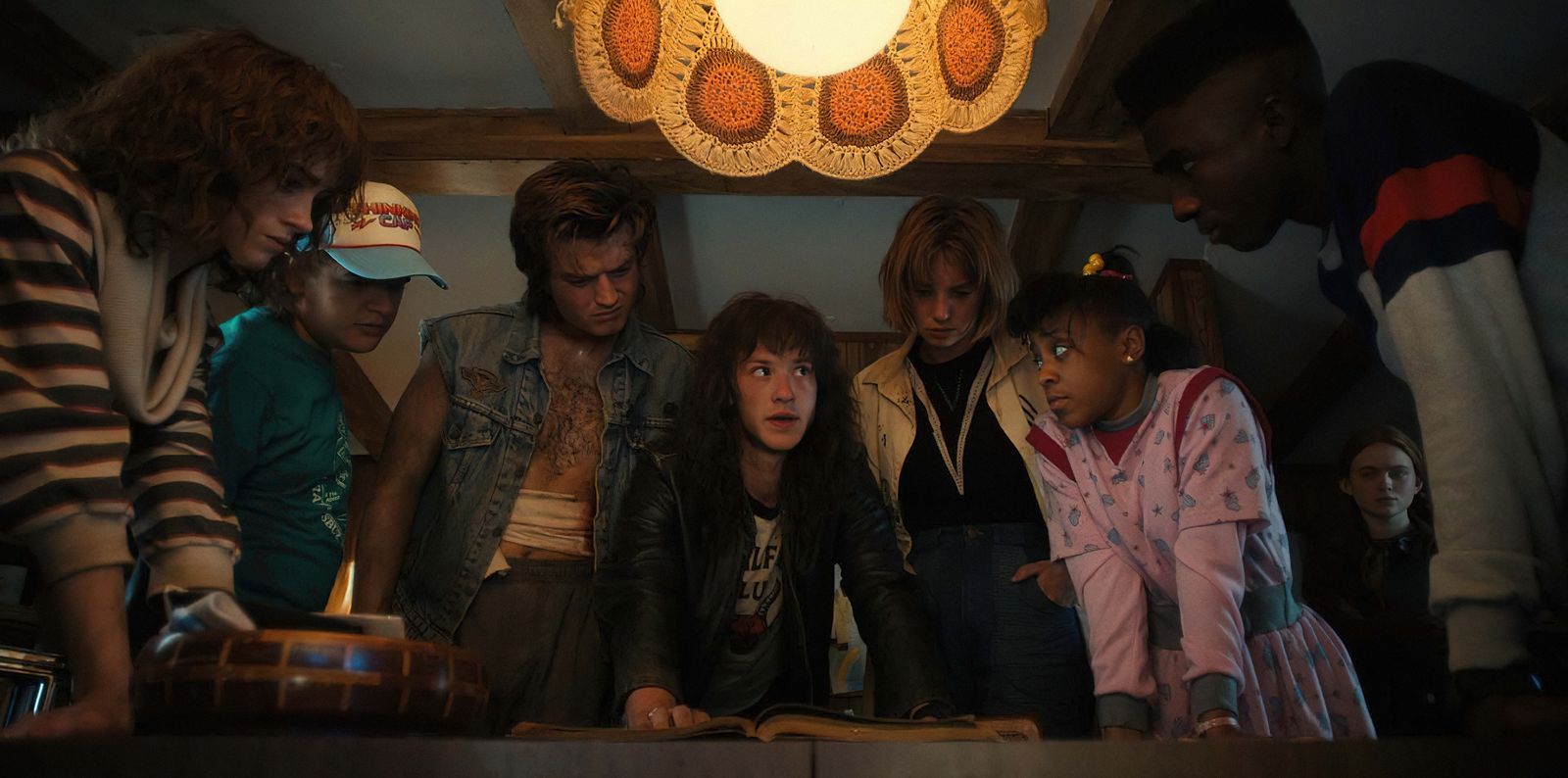
Yet even here, we are retreading what we have already seen, with the only novelties being the addition of Eddie as a second older-brother figure to Steve and Dustin, and positioning Lucas on the borderline between nerd and cool guy. Yet these elements are somewhat lost in the flood of many secondary stories. Additionally, familiar traumas and dilemmas return, including ostracism and overcoming personal limits. Even here, the lack of an overall vision by the Duffers is apparent.
While the third season refreshed the formula through more direct immersion into eighties kitsch, exaggeration, and action, the fourth season lacks such added value. What stands out is the antagonist Vecna, the accompanying horror aesthetics, and spectacular trapping sequences. However, this is a concept for individual moments, not the entire story, and it painfully shows that the narrative is just a pretext for a few impressive audiovisual sequences.
Weak dramaturgy
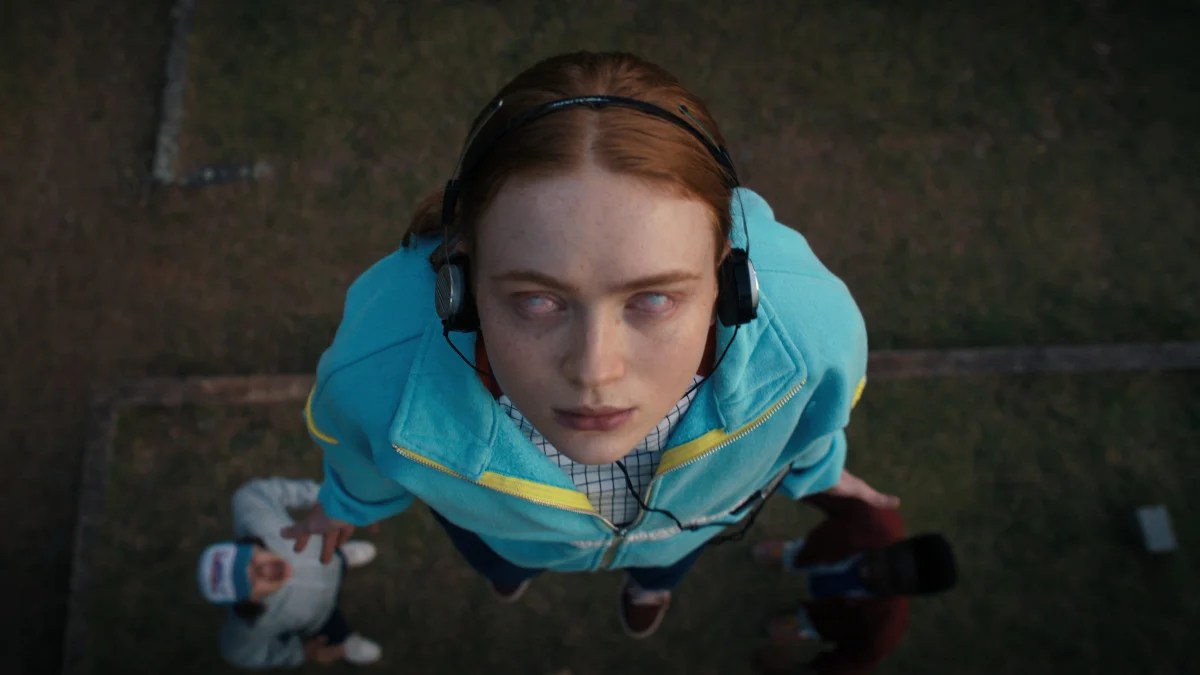
Since I am criticizing, I will also point out two central scenes in which Vecna corners Max. In the first case (Episode 4), it is an excellent, emotional scene set to Running Up That Hill by Kate Bush. This moment (remember, before the halfway point of the entire season) is the dramatic climax of this part of Stranger Things. The second – on paper more dramatic – moment, in which Max is attacked by Vecna, is just a reprise of the first. Firstly, the circumstances themselves are another unsubtle narrative imposition; secondly – we already know the stakes, we know Vecna, we know how to defeat him, and overall, we have seen it before.

Furthermore, the Duffers crank it up by introducing another hit from the era, this time metal, in the form of Master of Puppets by Metallica. It smells like… cashing in on something that worked moments earlier. Especially since the season is divided into two parts. It looks like artificial hype-building and squeezing a successful idea dry. In other words, Season 4 in a nutshell.
Of all the things that bother me in this season of Stranger Things, the thing that bothers me the most is probably – artificial inflation, stretching, and overblowing of the story. Episodes are long and mostly drag. Each episode could be trimmed by several minutes without losing plot – if, of course, you remove aimless character meandering, excessive exposition, and flashy repetition. Dramaturgy clearly falters, both in individual episodes with an excess of empty sequences and overall. I will not dwell further on the unfortunate division into two segments of seven and two episodes, but the aforementioned fact that the season reaches a real climax quite early, and at the end becomes an overloaded montage of action sequences, is simply poor dramaturgical work.
The same applies to handling the characters. Some are excessively exploited (Max being twice thrown to Vecna), others seem unnecessary, characters that viewers are least connected to are killed off, and the importance of characters, instead of being written, is imposed through dialogue. Sure, I am not a writer for a global hit, but it seems to me that if a character (Mike) is supposed to be the heart of the team, we should know it based on his actions, not a forced speech from an admiring friend.
Summing up most generally, the Duffers failed on the level of organically building an engaging story. Instead, they created a perfect commercial product, based on spectacular gems glued together forcibly against the matter of the story itself. This may appeal to some, but it irritates me. It is not that I disliked everything in Stranger Things Season 4. The battle scenes with Vecna are excellently executed, the storylines of Max, Lucas, Dustin, Steve, Eddie, and Robin hold up, as does the production. But it is a little too little to mask the problems discussed above. I am not waiting for the fifth season at all – I will watch it, but only for a few side plots. I no longer trust the Duffer brothers to create a genuinely interesting story. And creating a flashy spectacle does not particularly appeal to me.

