
Review
Looking back at STRANGER THINGS, S2: More Depth and Maturity
Stranger Things, season 2 does not directly copy the assumptions of the first; it remains faithful to a certain proven formula, but adds a lot of its own.


It is difficult for me to estimate whether, for people who lacked conviction toward the first season, the second will work well enough to dispel doubts. What I do know, however, is that if you loved the world of Stranger Things and eagerly awaited a return to Hawkins, you will be happy, because the Duffer Brothers’ trick worked once again.
And it worked because the second season does not directly copy the assumptions of the first. Indeed, it remains faithful to a certain proven formula, but adds a lot of its own. There is still plenty of humor, still no shortage of nostalgic references to classic cinema and 1980s stylistics, but there is more seriousness, more darkness, and more horror.

The threat, previously associated primarily with secret government experiments, becomes more formless, unknown, and therefore more dangerous. It also acquires a more personal dimension, intruding into the psyche of the characters, especially Will, thus creating conflictual situations where making a sensible choice is difficult.
Only a year has passed, but the group of friends – Will, Mike, Dustin, and Lucas – has clearly matured. Each of them individually and on their own terms has confronted memories and reflections about themselves. Their friendship still endures and remains extremely strong, but it is no longer quite the same. Discrepancies, uncertainty, secrets, partially unconscious resentments, and rivalry emerge. Loyalty, however, remains unchanged, forming a foundation that cannot be destroyed. Friends do not lie.
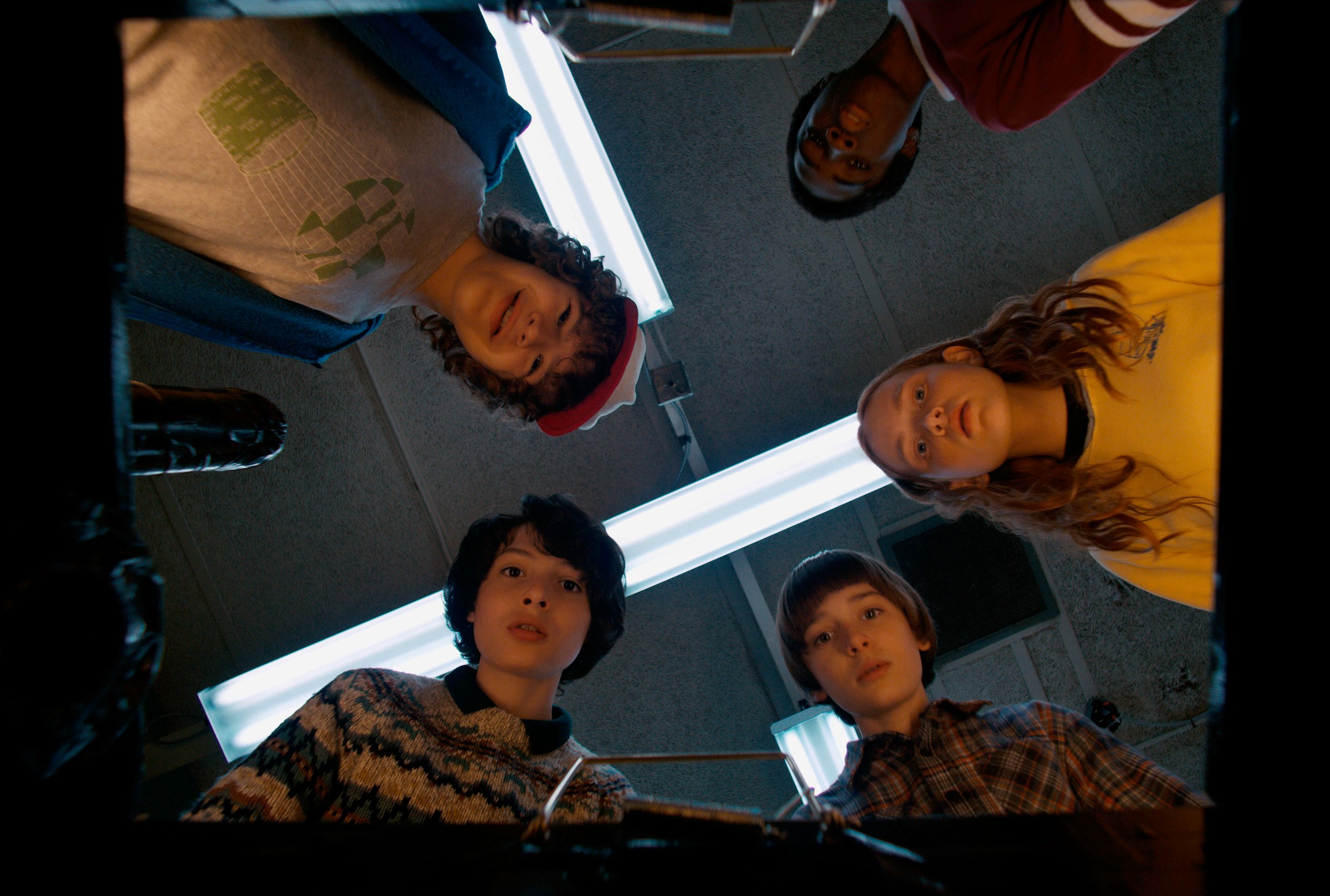
Nevertheless, we now look at them more as individuals, as unique personalities, rather than as a smoothly cooperating group as before. Will feels that his experiences from the previous year separate him from his surroundings, that he has become a finger-pointed oddball. Mike longs wholeheartedly for Eleven. Dustin is tired of being the eternal clown; he wants someone to finally take him seriously, to show him attachment and trust.
Lucas transforms from observer and commentator into an active participant, making independent decisions, even if they go against the group’s resolutions, as long as he personally believes he is acting correctly. They grow, they change – they mature, perhaps even faster than they should. Yet we are ready to accompany them and cheer them on with goodwill.
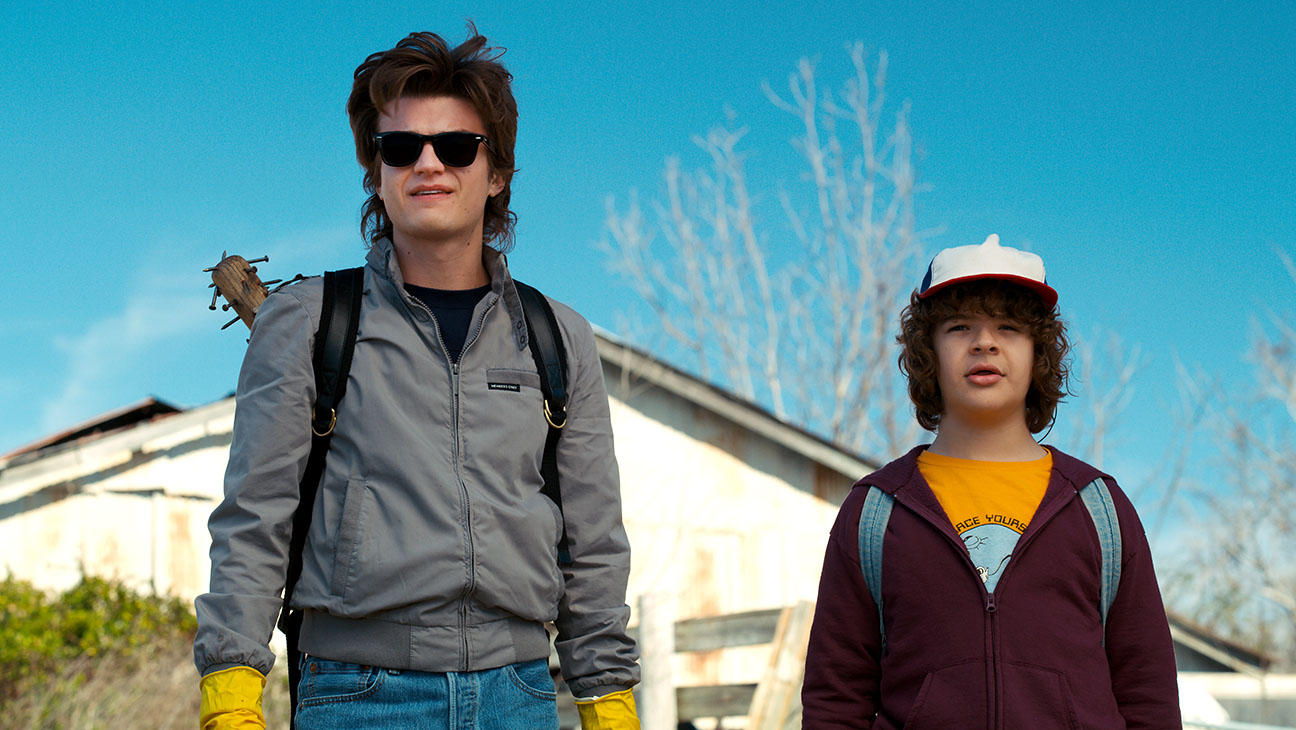
Compared to the first season, there is also a greater balance between screen time devoted to the three generations of characters. Nancy, Mike’s sister, is still tormented by guilt and the feeling that she let down her friend Barb. She also struggles to deal with her feelings toward Jonathan. Joyce, Will’s mother, tries to arrange her life with the kind, perhaps slightly clumsy, but stable and trustworthy Bob, while daily coping with a disturbed sense of security and concern for her son.
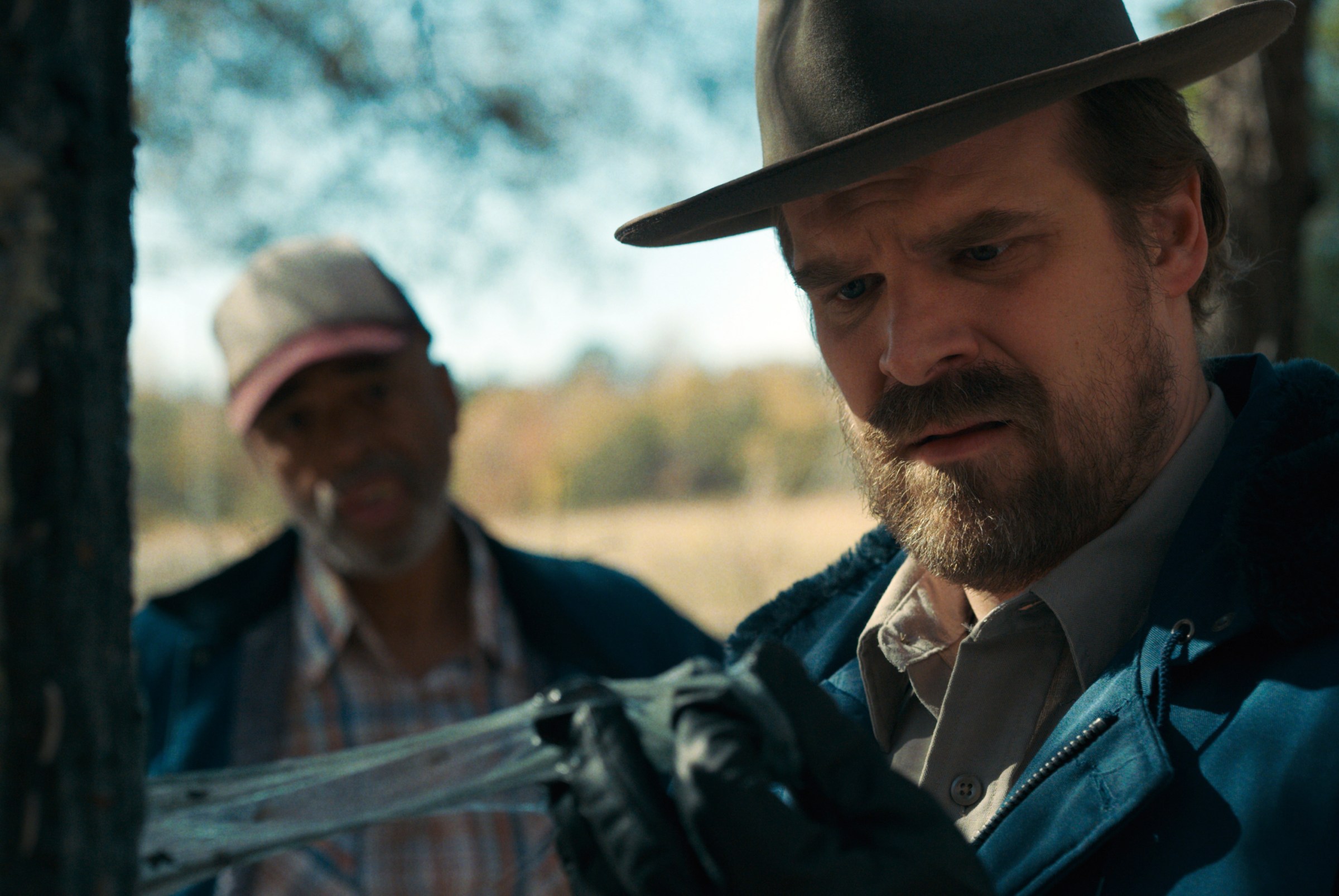
The Duffer Brothers skillfully avoid juggling stereotypes – Steve, Nancy’s boyfriend, may have the reputation of a popular athlete, but he is far from a brainless playboy. Sheriff Hopper is by no means a flawless warrior; he makes mistakes, simply, humanly, and is equally humanly ashamed of them, finding it difficult to apologize or yield. None of these characters are one-dimensional; even the “evil” doctor is not entirely “evil.” The least complex role is that of the new character on the scene – Billy, who moves to town with his stepsister Max.
This is clearly intentional. Billy is meant to symbolize evil embodied in a human, a villain reminding us that one does not need to seek paranormal creatures from another dimension to encounter cruelty, manipulation, and violence. In a strange, paradoxical way, this is reassuring: Billy is dangerous, but at least real. He has something of Henry Bowers, the tormentor of children in It, which is yet another in a series of references – inspiration from Stephen King is abundant in Stranger Things.
As a result, there is no point in expecting the novelty effect that pleasantly surprised us in the first season – and that is fine. The atmosphere is slightly different, the pace of action is not breakneck, there is more depth, more focus on the relationships between characters and their experiences, especially evident in relation to Eleven – in her case, we encounter a darkly marked epic of returning home. An incredible acceleration occurs in the last two episodes, which are a true thrill ride.

Enjoying the references to Indiana Jones, Ghostbusters, or Gremlins, and absorbing the excellent soundtrack, we derive pure pleasure – there is no sense of repetition or overused motifs being played out to boredom. It is incredibly engaging; the episodes flow one after another like a spell, and the ending arrives exactly when it should. The fast-paced action gradually slows, becoming warm, friendly, and pleasant, and the characters catch a breath. Let us give them that year of peace, let them rest and enjoy ordinary life. They deserve it.

