Horror Movies
TABULA RASA: A Psychological Thriller with a Horror Edge
It is another European series worth attention, showing how much the Old Continent is pulling ahead of the Americans in this respect.


Inter-genre marriages are always a hard nut to crack for the viewer, because should we not feel disappointed if we decide to devote nine hours of our lives to watching a series that the creators describe as a psychological thriller, and instead we receive a crime story with a considerable dose of horror stylistics and a strongly outlined dramatic background? It is a difficult question that surely anyone interested in Tabula Rasa will ask themselves – I do not feel disappointed, but I will not be surprised at completely different opinions.
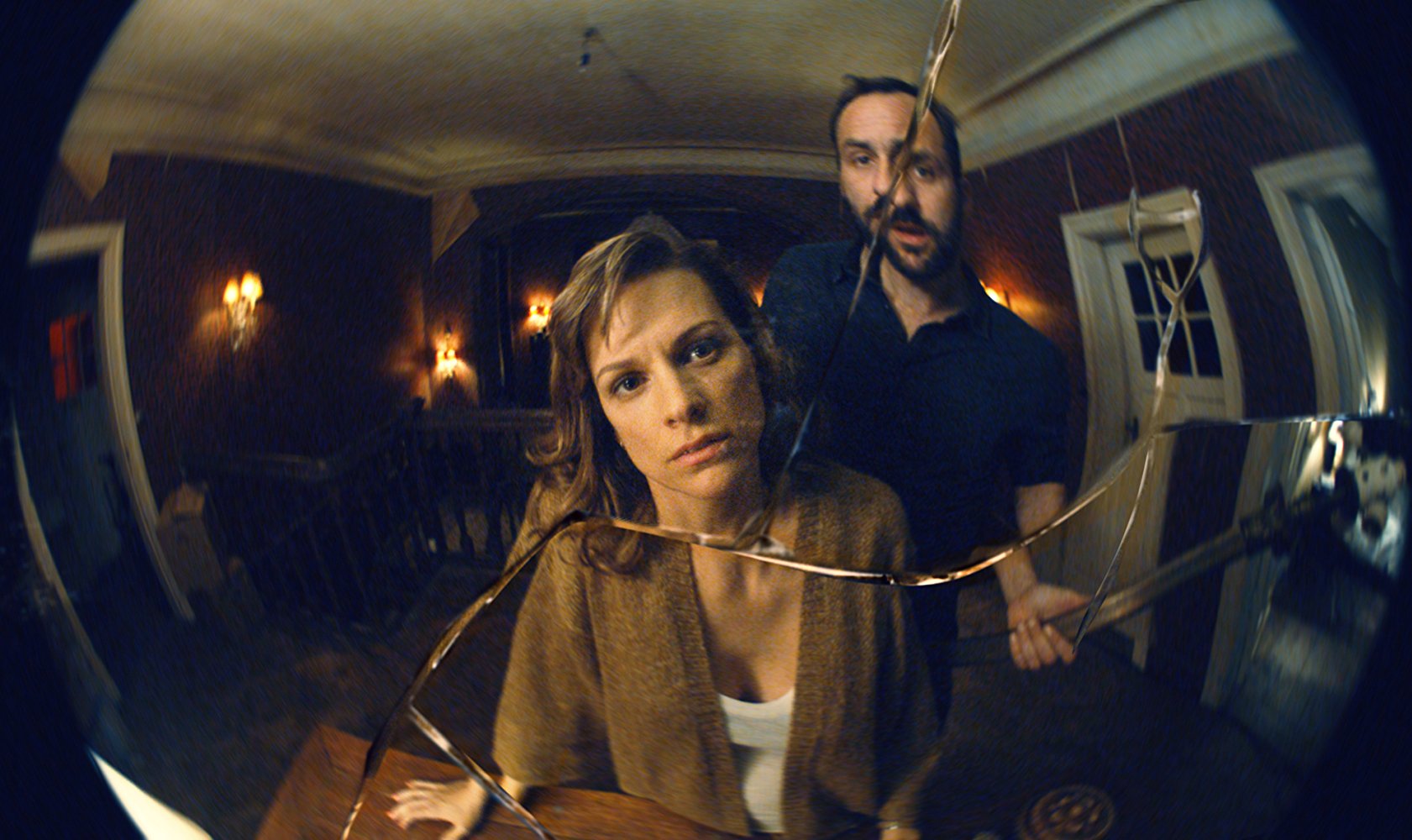
Everything here has its significance, which makes spoilers easy, so I will not delve into details. You only need to know that Tabula Rasa can seriously mess with your head. The action unfolds in two interpenetrating narrative lines – the present, during the days of 4–11 December, and in constantly renewed and modified memories from the last few months by the main heroine.
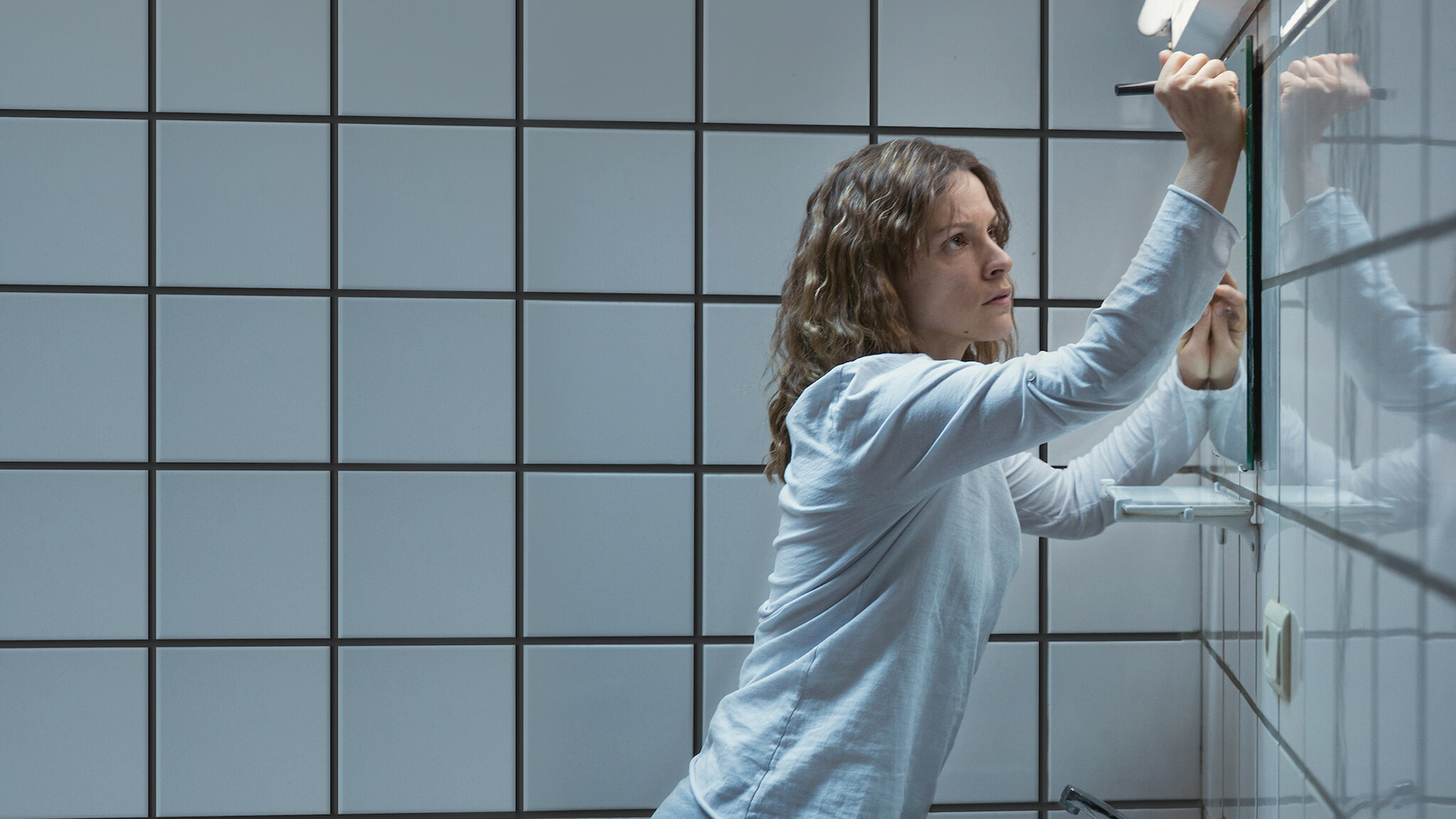
This is because Annemie D’Haeze (Veerle Baetens, The Broken Circle Breakdown) ended up in a psychiatric hospital due to an alleged connection with the disappearance of Thomas De Geest (Jeroen Perceval, The Ardennes) – an employee of a nearby landfill. The case is handled by Inspector Jacques Wolkers (Gene Bervoets, The Vanishing), for whom this is the last investigation before retirement.
The returning memories bring us closer to the family life of the main heroine and gradually reveal the truth about her relationship with her husband (Stijn Van Opstal), her seven-year-old daughter (Cécile Enthoven, as if I were watching Dakota Fanning in War of the Worlds), her eccentric mother (Hilde Van Mieghem, Kafka) and the rest of her loved ones, but above all her connection with the case.
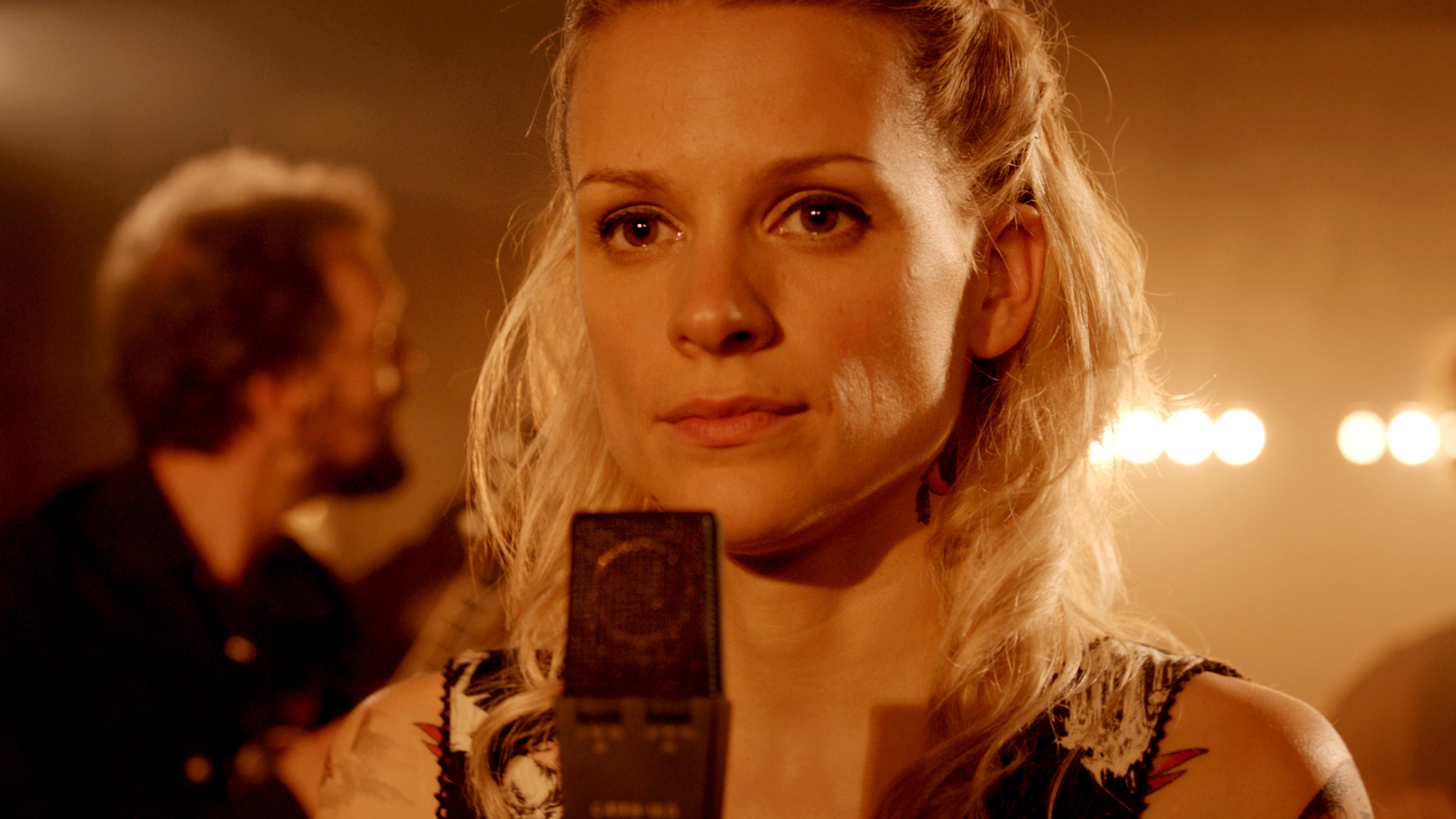
During the screening I had the impression that the title Tabula Rasa is not only a term referring to the main heroine played by Veerle Baetens (co-author of the series) – a former star whose career collapsed after an accident, the side effect of which is anterograde amnesia. For this reason the woman has for several months been precisely such a blank slate (Latin tabula rasa), each day absorbing the same facts anew without the possibility of remembering them.
However, I would also use this term in relation to the very construction of the series – as if each subsequent episode constituted a new deal for filmmakers who are by no means beginners.

It is evident that mixing stylistics characteristic of various film genres, often in the form of very clichéd but therefore more noticeable references, is here a device no less intentional than the fragmented action. Annemie D’Haeze, because of her illness, lives somewhere on the border of wakefulness and sleep, it is difficult for her to distinguish these two worlds, yet she must cope with it as soon as possible if she wants to leave the closed ward.
The Belgians have done a great deal to make their series distinctive. It is not by chance that Tabula Rasa entered the Netflix catalogue. Balancing between thriller, horror, drama and crime, although interesting, turns out here somewhat strangely – one of the genres is abandoned roughly halfway through the season, another fades only to return in the final episode, yet another begins to blend into the background (I am not revealing which ones).
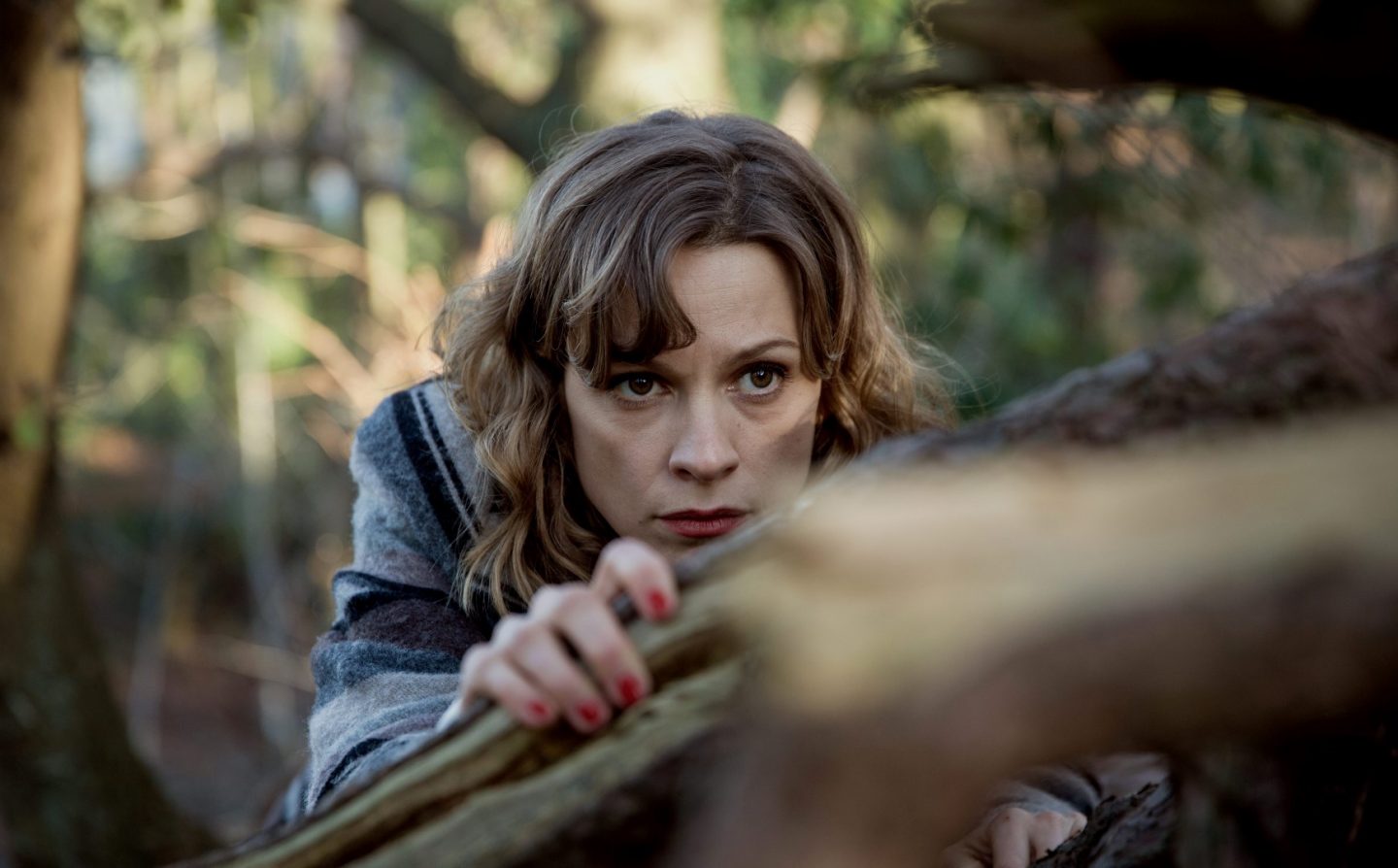
All this, however, fits into the desire to toy with the viewer and I appreciate that very much. You can be sure that the more worn-out a motif seems to you, the more surprising its resolution will be. Unfortunately, not everything was perfected.
Somewhere during the series words are spoken that for some the lack of memory may seem a blessing, but for others it is a curse. In this way Tabula Rasa becomes the same for its authors. They begin brilliantly, yet over time they seem to get lost in an accumulation of overly elaborate plans, like Annemie among her own memories. Because of these constant changes it is difficult to clearly define what Tabula Rasa is.

The creators of the series are not consistent in navigating between genres, although it is hard not to notice that most of their devices are aimed at building tension around the psychological background – however it is easy to overcomplicate things, as happens in the grand finale, which ultimately shows us that Tabula Rasa is a thriller in pure form, but at the same time it is almost didactic, explaining scene by scene all the remaining threads.
In a certain way this ruins the so laboriously built story (it reminds me of the way Atomic Blonde was concluded), yet despite this spoonful of tar in a barrel of honey Tabula Rasa provides truly interesting experiences. It is another European series worth attention, showing how much the Old Continent is pulling ahead of the Americans in this respect.