
Review
ERNEST & CELESTINE. Slipped Under Almost Everyone’s Radar
Even in retrospect, Ernest & Celestine remains a predictable film (albeit with a compellingly staged finale), pleasantly simple and sincere.

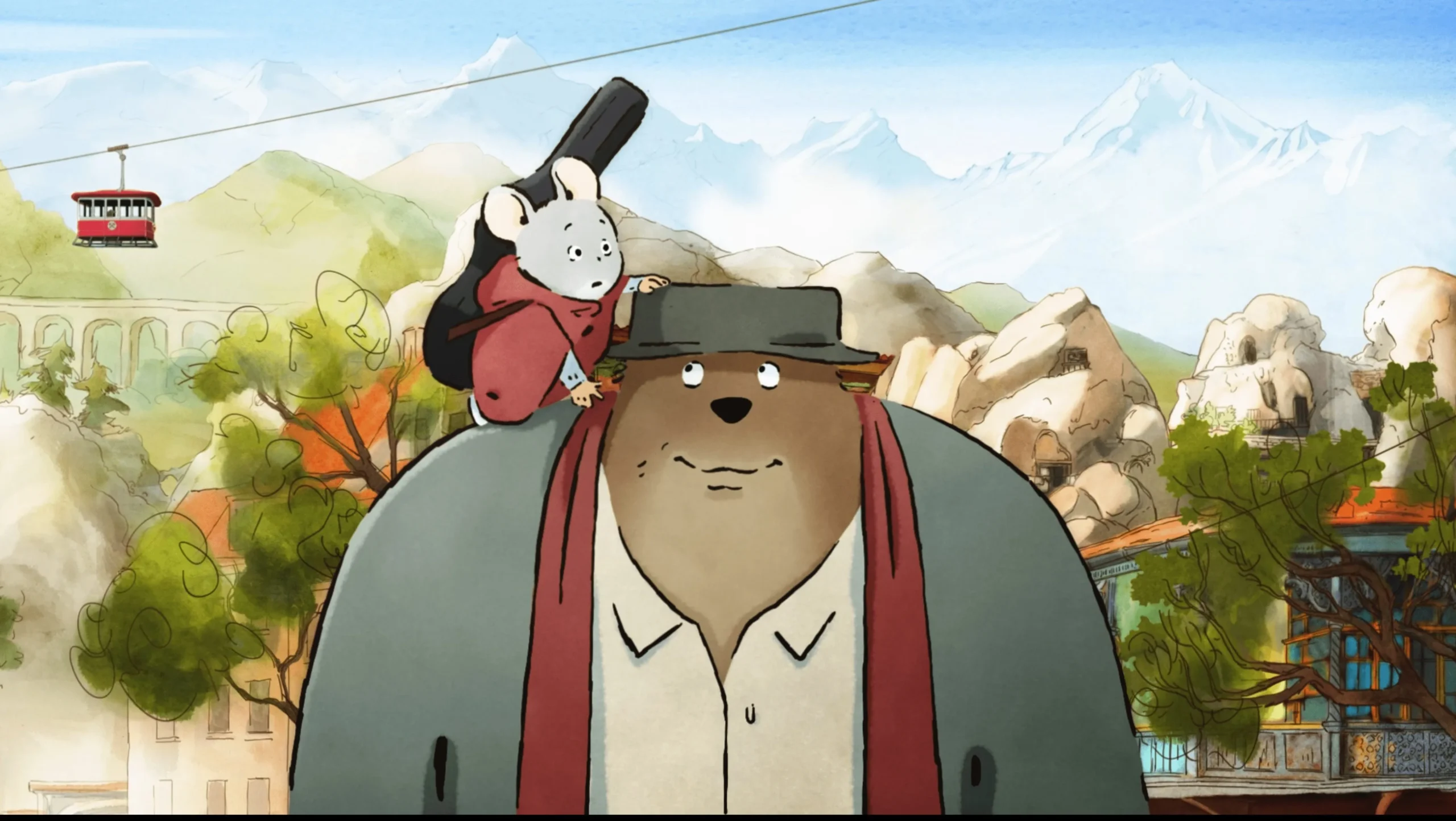
This film seems to have slipped under almost everyone’s radar. In its category – Best Animated Feature – it was overshadowed by formidable Oscar contenders. Surrounded by modern productions from Walt Disney Animation Studios, DreamWorks Animation, Universal Pictures, and a film by Hayao Miyazaki, it was difficult to stand out. Ernest & Celestine did not have a powerful, wealthy studio behind it. The budget of Stéphane Aubier, Vincent Patar, and Benjamin Renner’s film amounted to just over six million euros.
The Wind Rises – Miyazaki’s production and the second smallest in the lineup – had nearly five times the resources at its disposal, not to mention the Oscar winner, Frozen, which cost a staggering 150 million dollars.
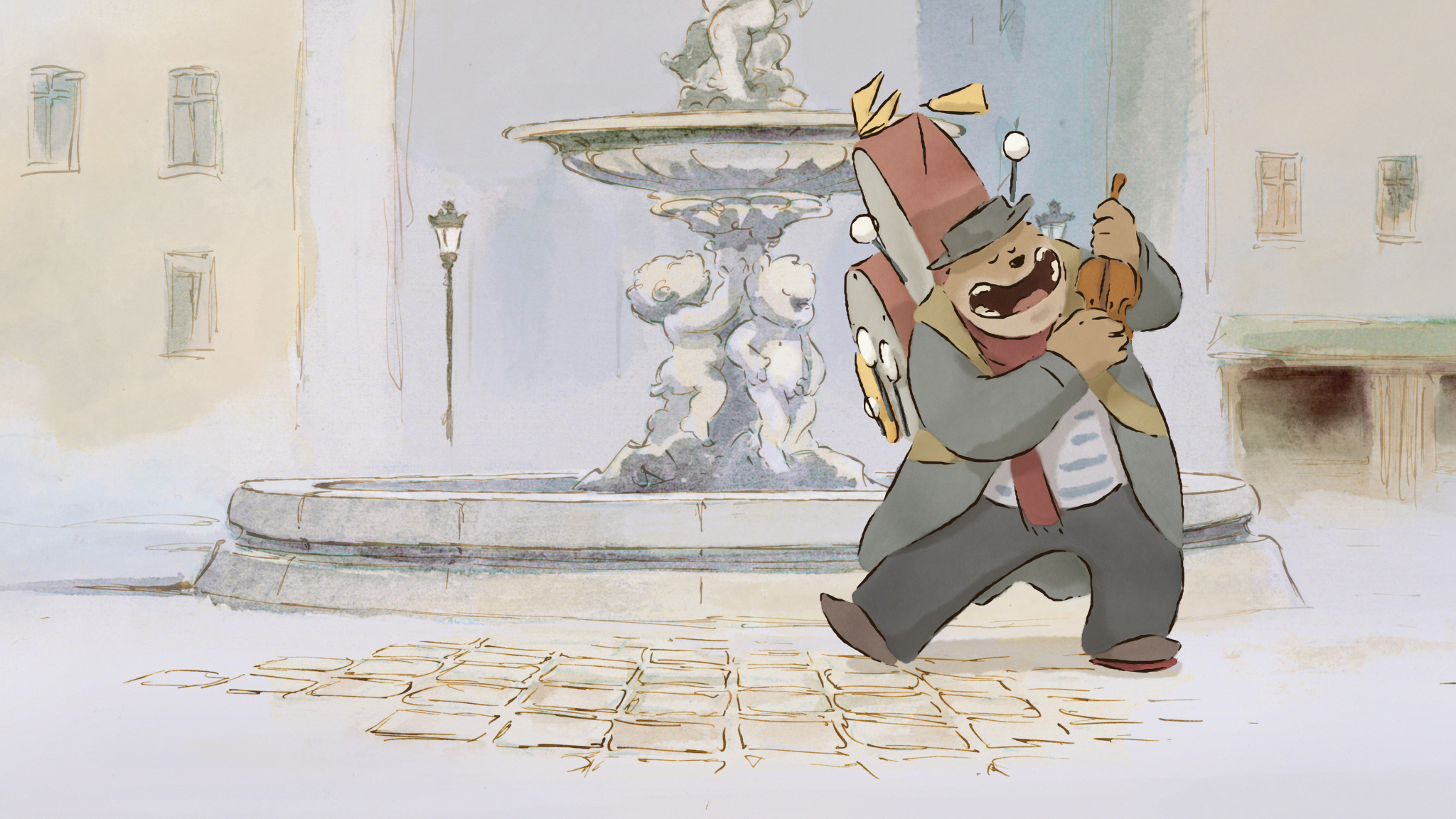
That difference is reflected in scale, visual spectacle, depth of field, graphic innovation, and the diversity of textures. The francophone production did not have access to many technological novelties – and as a result, Ernest & Celestine appears rather ascetic and modest, yet also remarkably noble. Stylistically, it draws on the now rarely seen tradition of classical hand-drawn animation. Perhaps this is precisely why the French-Belgian-Luxembourgish production remains so enjoyable to watch even years later: it revived a nearly forgotten technique and offered an appealing alternative to the physically fluid, glossy, contourless aesthetics of contemporary computer-generated 3D animation.
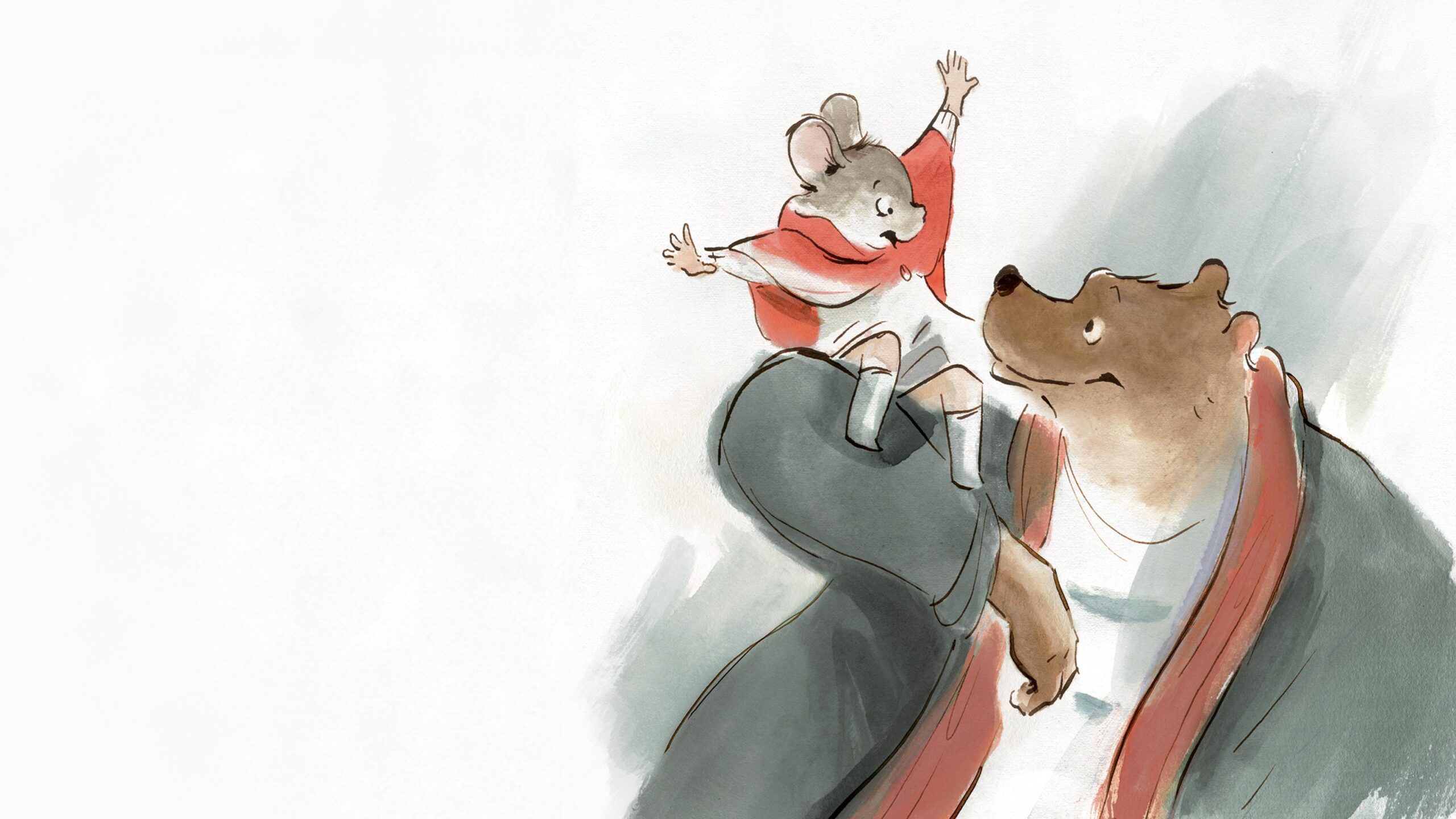
Ernest & Celestine is an adaptation of children’s books written and illustrated by Belgian author Gabrielle Vincent. The filmmakers wisely chose to remain faithful to her original style rather than modernize it in any way. This decision gave the animation a distinctive and individual character. Of course, it was not the first film created in this manner. It did not propose a new approach to animation as an art form, but it refreshed a convention that had largely disappeared from cinemas. That is undoubtedly one of its formal strengths. Yet what ultimately makes it endure is not just its style, but its story and its characters – figures easy to root for.
The tale is also about the creative process itself: about pouring dreams and thoughts onto paper, about recreating reality with pencil or brush. It begins in a way that feels almost lifted from Forrest Gump – the wind carries a feather toward the clouds, and it drifts down from the underground world where we meet Celestine the mouse in the prologue. The floating feather reveals two parallel realms: below lies the state of rodents, who survive by stealing teeth from the bears living above them. The dichotomy on which the film is built is used intelligently. On this plane, the creators draw parallels between the functioning of both societies and the unfortunate fates of the protagonists. These two distinct spaces ultimately prove to be unexpectedly alike.
On one side stands Ernest – a solitary bear with an artist’s soul, living outside the city. He exists beyond the structures of society and on the fringes of the law, earning his living as a street musician – wandering through town, occasionally stealing something, reacting to other bears with visible disdain. On the other is Celestine – a young mouse unconvinced about her prescribed future profession. Painting is her true passion, and the obligation to collect teeth slowly extinguishes it. Their paths quickly cross; they form a mutually beneficial arrangement and, over time, become inseparable. Together, they break an age-old stereotype – the mouse ceases to be merely food for a perpetually hungry bear.

Through their friendship, they expose the fragility of prejudice and the dysfunction of social divisions. Ernest and Celestine become victims of ostracism, and once forced into exile, they discover that together they are entirely self-sufficient.
The film relies on a character construction typical of fairy tales – physical traits reflect personality. It was clearly aimed at very young children and crafted with their sensitivity in mind. Aubier, Patar, and Renner did not aspire to leave adult viewers intellectually overwhelmed.
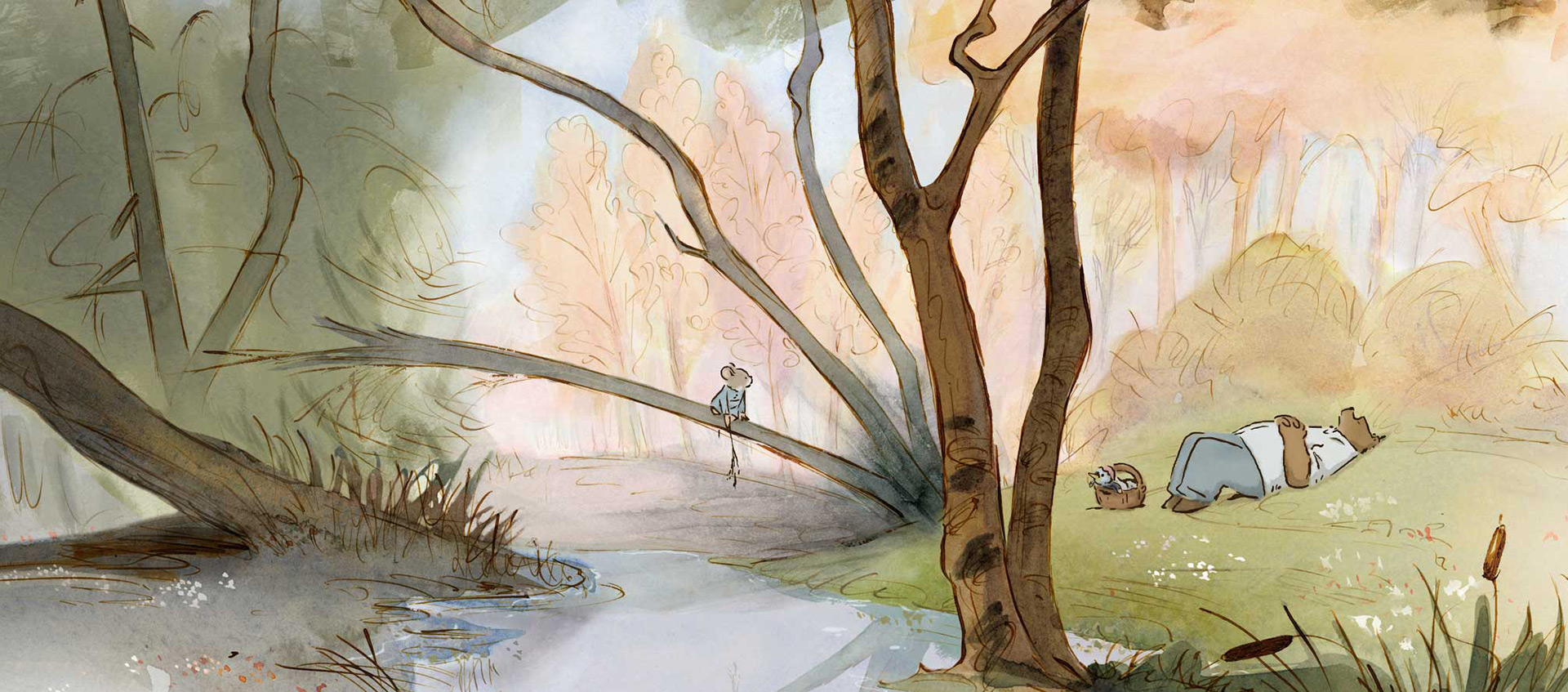
Even in retrospect, Ernest & Celestine remains a predictable film (albeit with a compellingly staged finale), pleasantly simple and sincere. In every frame and every brushstroke one can feel the filmmakers’ affection for the characters and the world they created. Time has only confirmed that there is still room for such fables – that they continue to find their place in repertories and in audiences’ hearts. Its gentle message and the smile it brings to a child’s face are more than enough to justify a trip to the cinema.

