Review
KAFKA. A world straight out of the author’s works


Those who, upon hearing the title Kafka (1991), expect a biopic of the famous writer may be surprised by this film from the future director of Ocean’s Eleven.
I enjoy browsing through Steven Soderbergh’s filmography. It’s not about the quality of each individual film or even the entirety of his work; this is a director with unquestionable status, a winner of the most prestigious awards, a friend of international festivals, with numerous box-office hits to his name. Yet his output consists of films so varied—so different in genre, convention, and even style (surprising for a filmmaker who often serves as his own cinematographer and editor)—that it’s hard not to ask what drives this constant change and diversity.
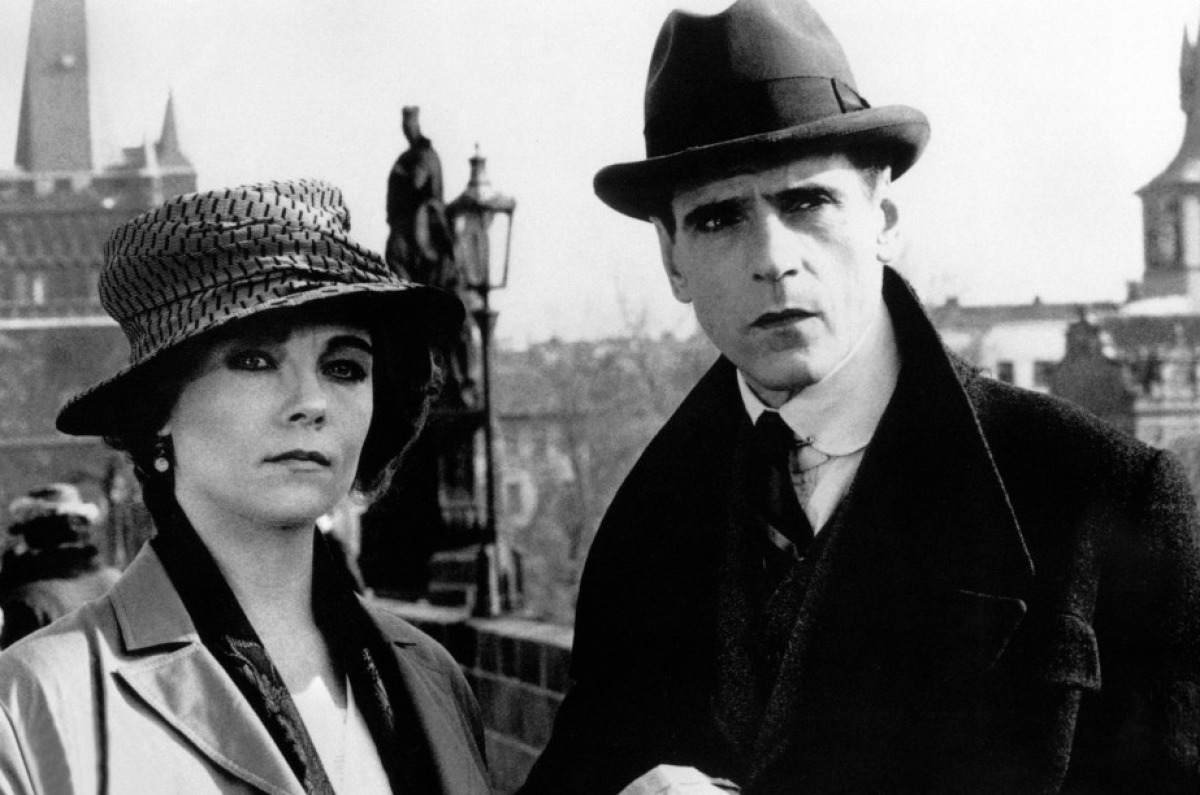
Even in big-budget projects, one gets the sense that Soderbergh is testing the material, always experimenting, searching for the right (or deliberately wrong) form for each script he takes on. I don’t fully trust him, but he often surprises me with his approach to a subject and with his courage to tell a story against the grain of standard narrative.
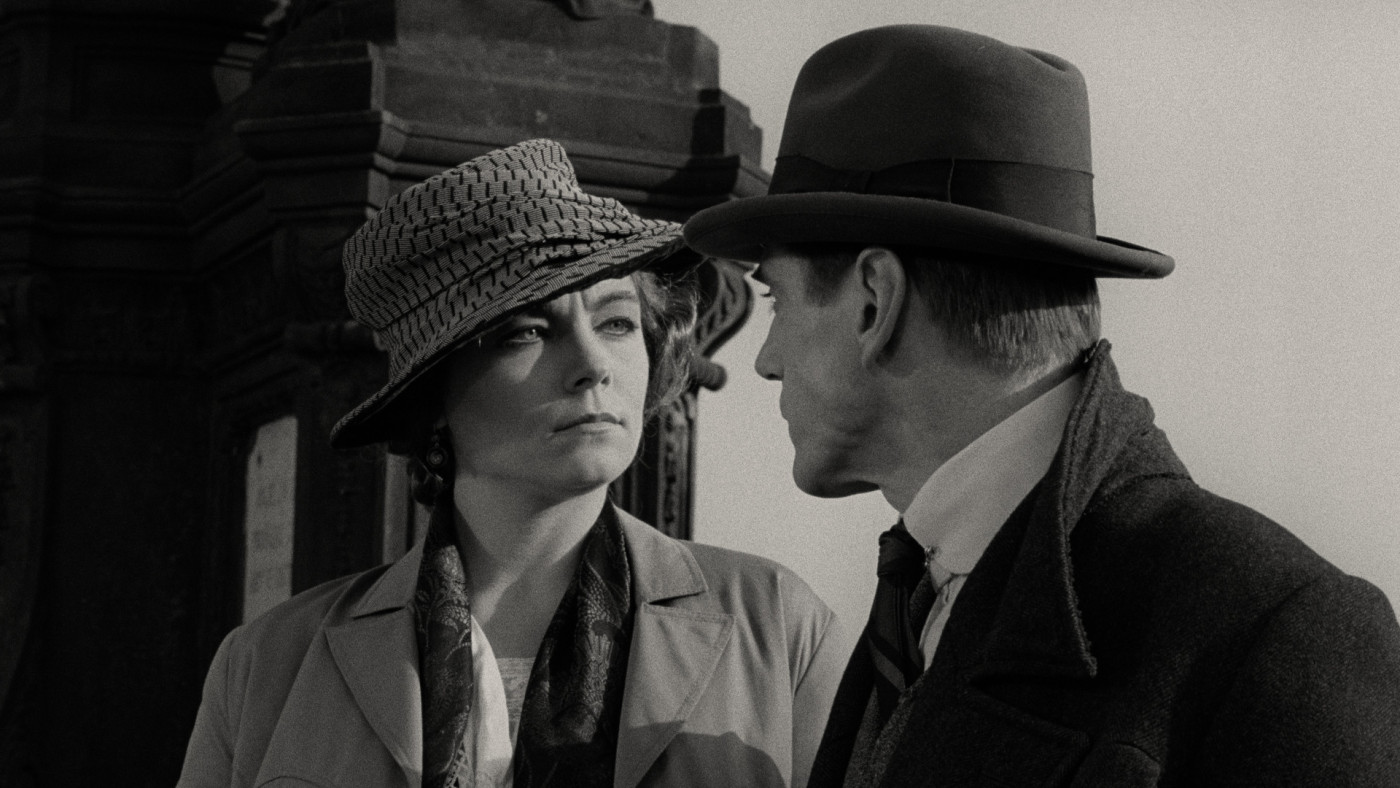
In Soderbergh’s vision, the author of The Trial doesn’t differ much from Josef K., the protagonist of his most famous novel. The absurdity of daily life is entwined with an unusual criminal intrigue, and at the center of it all stands Kafka himself—never called Franz by anyone, oddly enough—as if by chance. The film borrows freely from the facts of the writer’s life while placing him inside a world straight out of his own works.

The title character (played with composed intensity by Jeremy Irons) has a dull office job, friends who laugh at his eccentric literary ideas, and a curious outlook on life. The disappearance of a colleague from the law office doesn’t so much disturb the Prague native’s routine as it propels him into action. Soon Kafka comes face to face with something far more brutal and unpredictable than bureaucracy.
That bureaucracy is embodied by the nosy functionary Burger (Joel Grey), but there is also the suspicious—and suspect—Inspector Grubach (Armin Mueller-Stahl), seemingly reluctant to uncover the true circumstances of the clerk’s disappearance. The landlady snoops through her tenant’s personal belongings in his absence, unconcerned that Kafka is witness to it all. His new assistants, twins of completely opposing personalities, hinder more than they help, raising the question of how they ever got the job.
The world around the writer is already distorted, inverted, a caricature. No wonder that a man so attuned to it responds not only with keen interest to his colleague’s absence but also with unease when two strangers shake hands after the cryptic phrase: “So then, Kafka.”
Could someone have deliberately chosen him as their target? Or is he simply the victim of his own imagination? Soderbergh treats his protagonist with sympathy, finding in Irons the perfect actor for a Kafka who is not so much tormented as determined. His Kafka never comes across as a victim, nor as a misunderstood weakling crushed by reality. He may not fully understand the world, and he questions its rules, but he refuses to submit to its imposed templates. He approaches life with curiosity and often humor, with resolve when it comes to his beliefs, and with surprising determination.
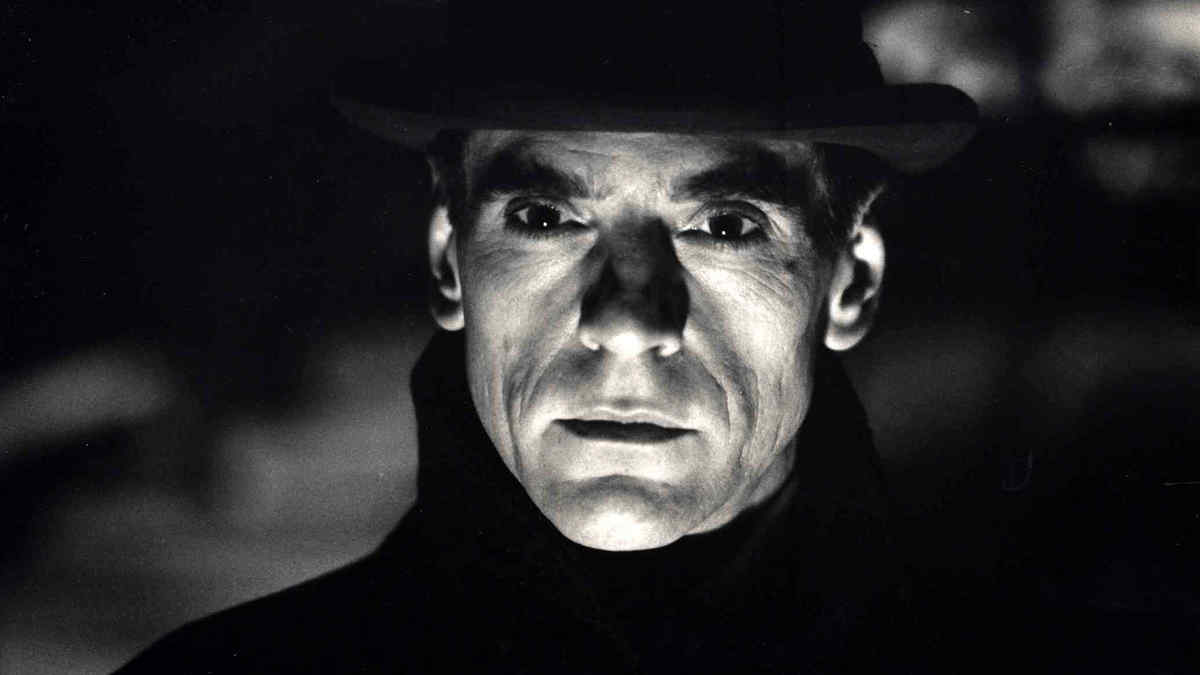
Yet, as if transposed directly from Kafka’s writings, there is also helplessness and disbelief in the effectiveness of any action—and the sad realization that ultimately, no matter what he does, nothing will change.
Those familiar with the German-language writer will find recurring motifs, references, quotations, and—of course—the atmosphere of paranoia and entrapment. But this tribute is less a game for the initiated than a genuine inquiry into humanity’s place in a reality that feels alien and hostile. Soderbergh traces a connection between Kafka’s writing and the real world he inhabited.
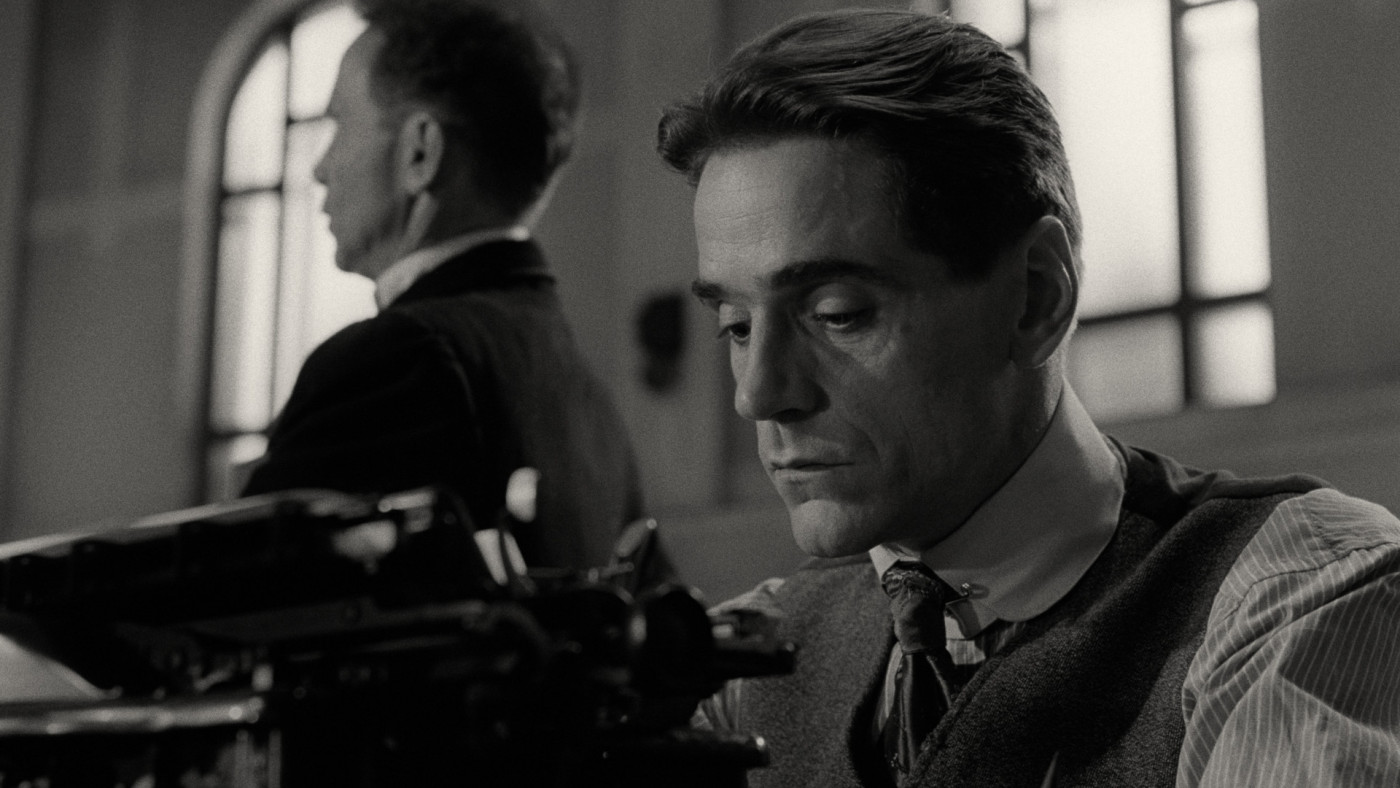
The film wisely never clarifies whether the protagonist’s imagination feeds on reality, or whether the everyday world he sees is already tainted by his fantasies. Perhaps Irons’s Kafka is not trapped in his own nightmares at all, but in someone else’s—darker and more inhuman.
Kafka battles monstrosities of the kind he himself once described. The sinister Dr. Murnau (a deliberately chosen name) personifies the soulless drive to strip man down to mere body, while enslaving and homogenizing the mind. Erasing individuality leads to totalitarianism—something the real Kafka did not live to see, though he anticipated it in his works.

Soderbergh and screenwriter Lem Dobbs skillfully draw on the writer’s themes, on facts from his life (a strained relationship with his father, his request to burn unfinished works, his choice of solitude), and on the interwar Prague setting, where the film was largely shot. The result is a story deeply in tune with the author of The Castle, yet not devoid of entertainment value.
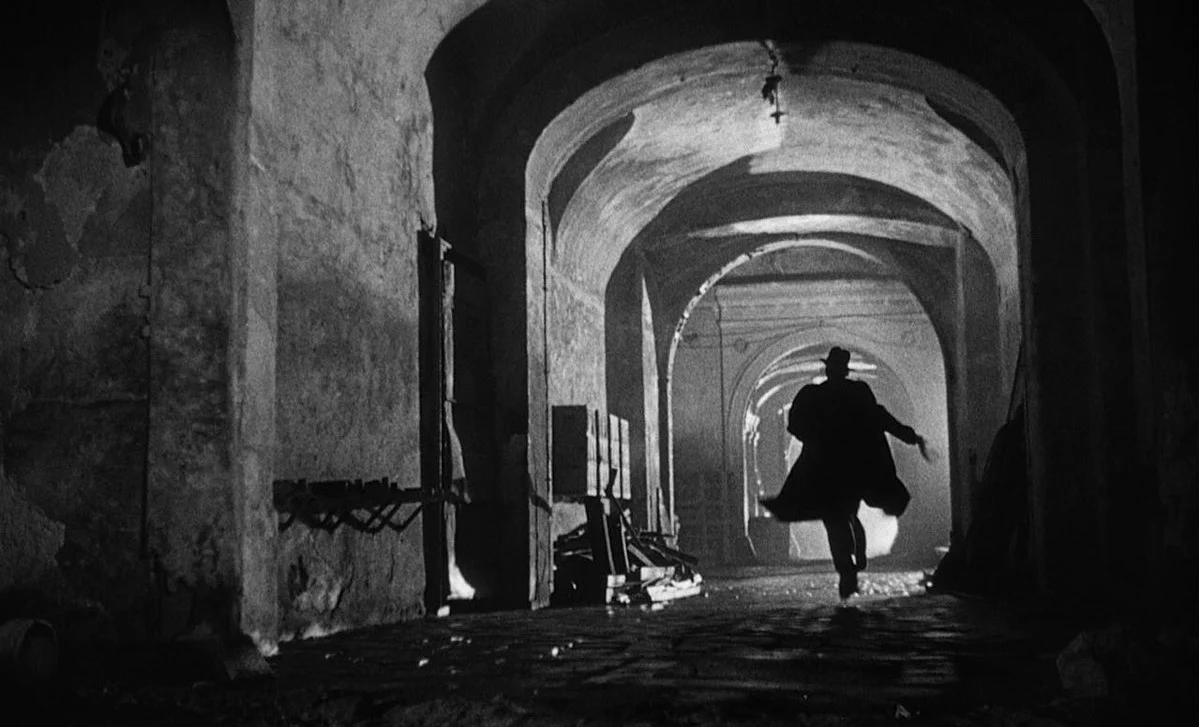
This not-quite-black-and-white thriller may even be easier to watch than Kafka’s own novels are to read, thanks in part to its stylization after German Expressionism and film noir (its Prague chases recall similar scenes from Carol Reed’s The Third Man). Cliff Martinez’s evocative score, too, recalls the instrumental structure of that film’s famous theme. And the connections run deeper, since Orson Welles once adapted The Trial himself.

Kafka marked the start of a difficult stretch in Soderbergh’s career. After the huge success of his debut, Sex, Lies, and Videotape (1989), he struggled to capture the attention of audiences and critics with his subsequent films. And yet, in that period he made not only this sophisticated piece with Irons but also the wonderful King of the Hill (1993), a coming-of-age story set during the Great Depression—both films still awaiting rediscovery.
Nearly a decade passed before Soderbergh was once again recognized, with Out of Sight (1998) marking his first Hollywood venture and changing the course of his career. Since then, he has never let the industry forget him, repeatedly announcing his retirement (for now, limited to cinema), though, thankfully, never following through on those threats.