
Horror Movies
THE BROKEN: On the Other Side of the Mirror
The Broken is a horror and an existential drama – a very atmospheric and unsettling film that will appeal not only to aficionados of doppelgänger duels.

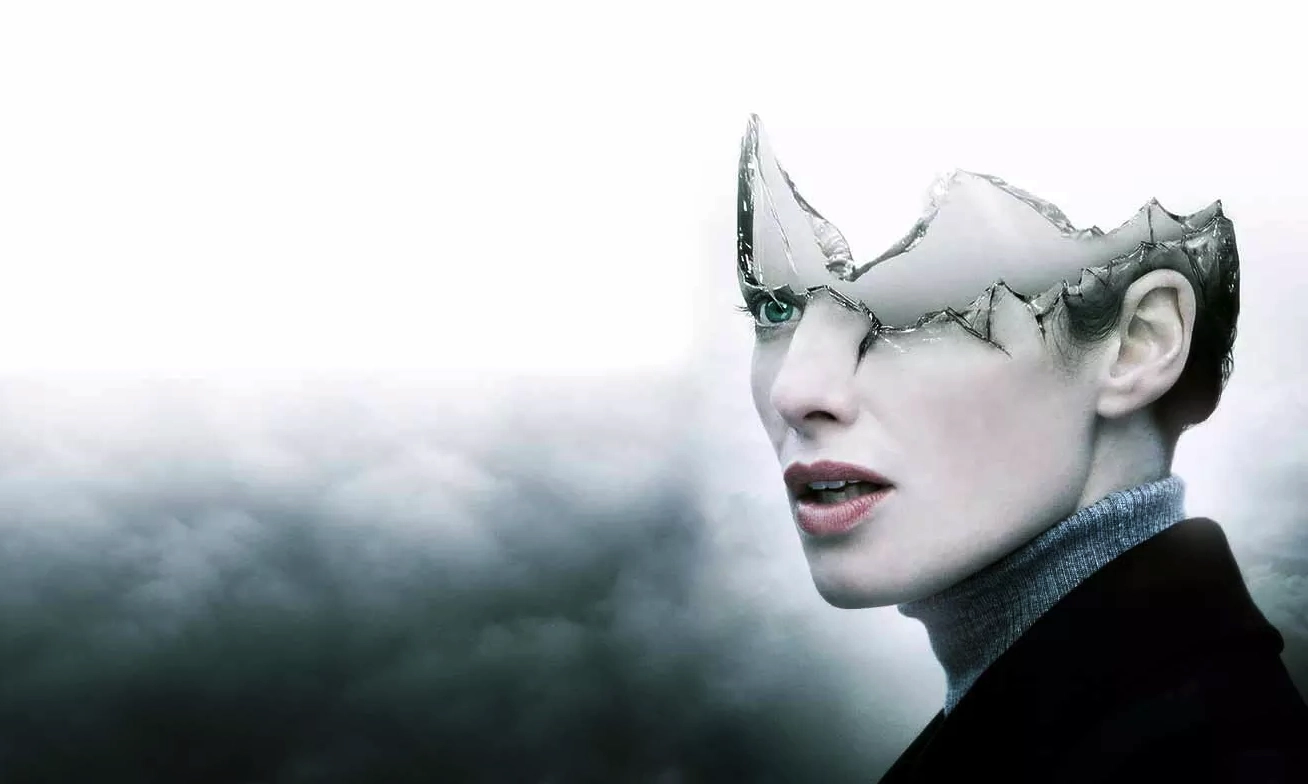
The Broken, directed by Sean Ellis, opens with a motto from the short story William Wilson by the legendary representative of dark Romanticism, Edgar Allan Poe.
You have conquered, and I yield. Yet, henceforward art thou also dead—dead to the World, to Heaven, and to Hope! In me didst thou exist—and, in my death, see by this image, which is thine own, how utterly thou hast murdered thyself!
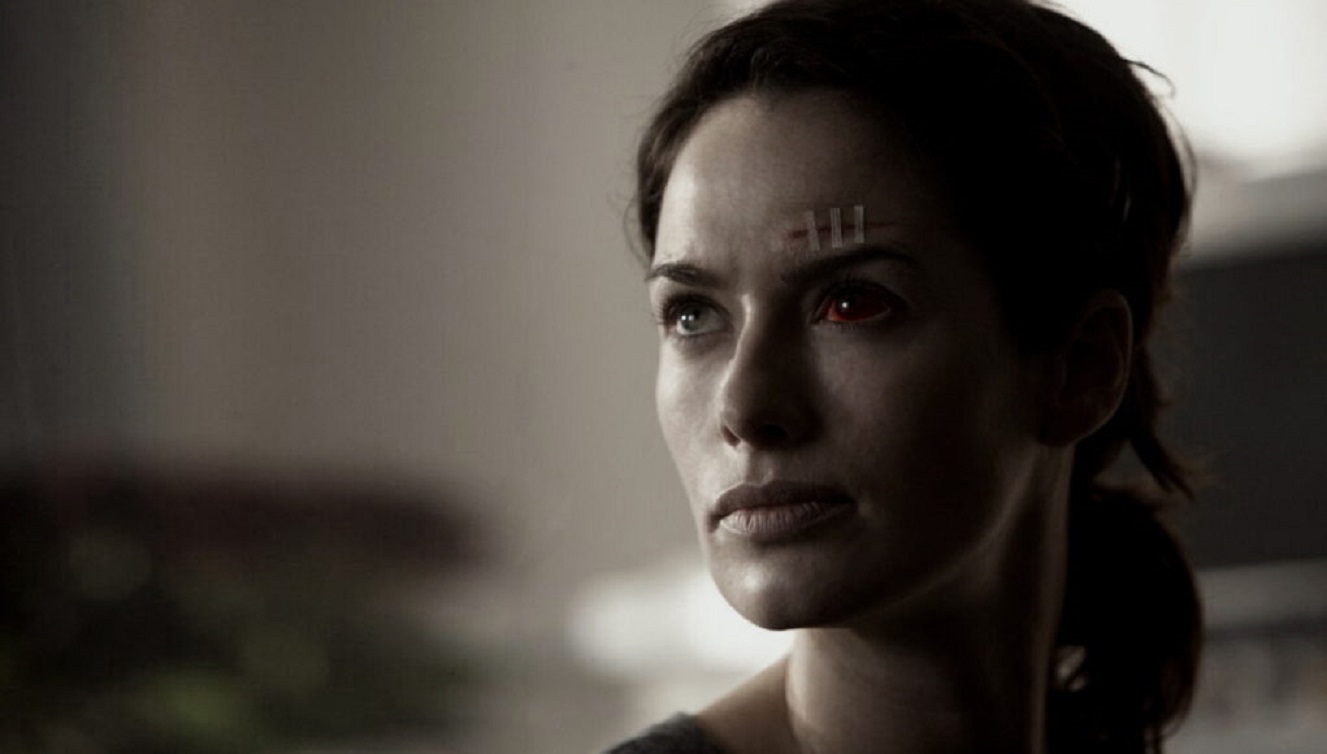
This quotation ushers the viewer into a world of horror and the uncanny. From the very beginning of the screening, we are thrown into a realm of ominous mirror reflections. Images that only pretend to be someone. They are not real. From the outset, we know this will be a film about fighting oneself. About a fight to the death, after whose finale at least one corpse will be lying on the floor. Or perhaps two… In Poe, the double was merely an allegory, existing only in the imagination, but in Ellis’s London, doppelgängers have truly multiplied…
Imagine yourselves during everyday, simple activities. You are talking on the phone, taking a shower, walking down the street… It turns out you are not alone. Someone emerges from the darkness. Stands behind your back. It is an intruder who wants your death. But not just some ordinary killer or thug. He has your face. Identical, yet slightly different. A sinister grimace, emptiness in the eyes, cold and darkness emanate from him. No one is ready for such an encounter, yet the protagonists of The Broken, the McVey family, experience it.
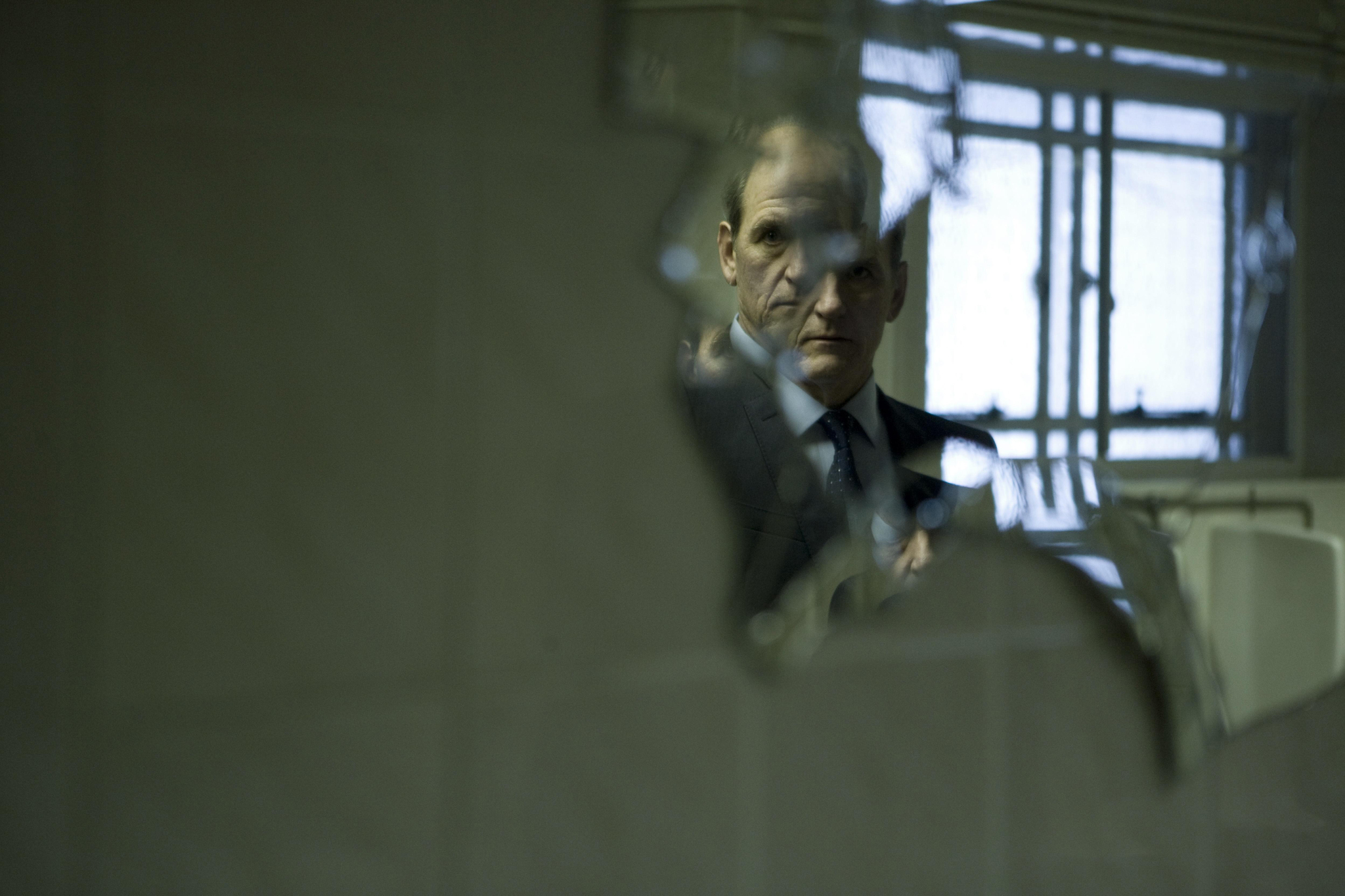
It begins with Gina (Lena Headey), who works in a radiology clinic. She examines a strange X-ray image. A very rare case. The heart on the right side of the chest. Diagnosis—dextrocardia, situs inversus, a medical phenomenon in which the internal organs are located on the opposite side. As if in a mirror reflection. Later it becomes even stranger. Someone claims to have seen Gina leaving work some time ago. So why is she still here? It must have been some mistake… Or was it? Shortly afterward, on her way home, Gina sees her double.
An accident occurs. The young woman wakes up in a hospital and remembers nothing… When she returns home, she feels that her boyfriend is behaving strangely, that he is changed. She becomes convinced that he is not who he claims to be. He is a replacement. An evil double. Doctors suspect Capgras syndrome. This is a mental disorder discovered in the 1920s. A person afflicted with this psychosis is convinced that their loved ones—family members, a spouse—have been replaced by identical-looking copies.
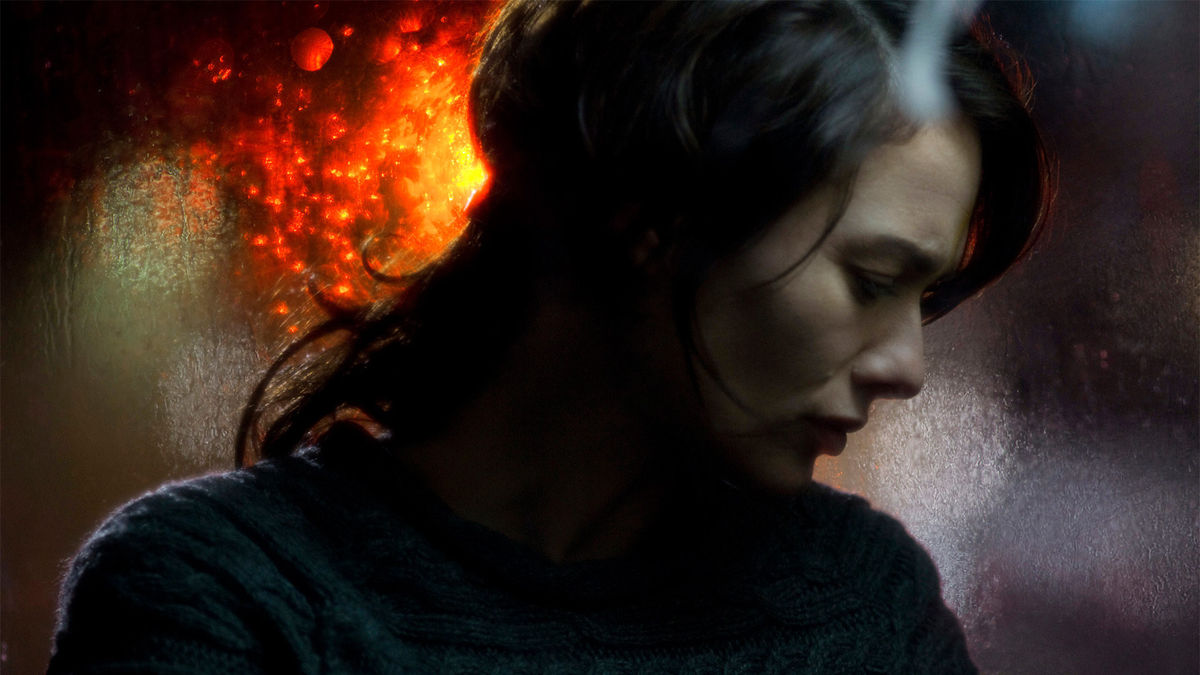
They are, however, complete strangers, who moreover seem to pose a mortal threat… But must every phenomenon and behavior that we cannot explain rationally be a mental illness… The film presents a certain slice of reality. People are eliminated by evil doubles who take their place. We infer that this is a large-scale phenomenon, but Ellis shows only its microscopic fragment. One family. A father, a son, a daughter, their partners and neighbors, who cease to be themselves…
The doubles from The Broken contain something of the doppelgängers that herald misfortune and death, but there is something more in them. I cannot shake the impression that the director knew a thing or two about folklore and mythology connected with doubles… In Scandinavian beliefs there existed a demon called vardøger. The name can be translated literally as warning voice or preceding spirit. Just as doppelgänger means double walker, a double that accompanies a specific person and is most often seen only by them, so a vardøger is a double endowed with autonomy. It moves independently of the original, in a sense getting ahead of its counterpart.
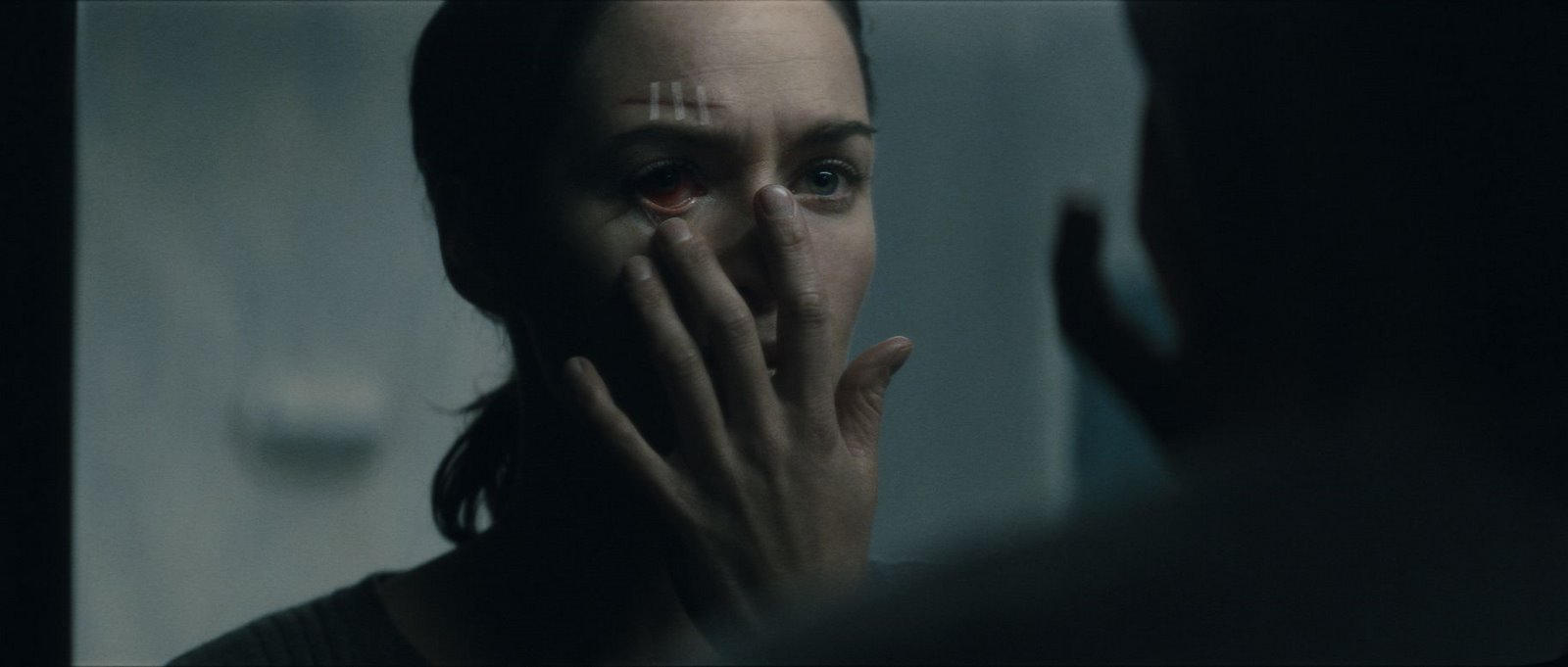
It is several steps ahead of it. Scandinavians believed that this demon appears in place of the person it doubles, usually leaving behind a bad impression. The vardøger, like the Germanic doppelgänger, is a negative duplicate of a human being, their dark, evil half, yet it differs in that it interacts with other people. It arouses anxiety, a sense of alienation that is nevertheless rationalized, because it is surely impossible that a being standing before me could look like a familiar, close person and yet not be them…
Ellis’s work is a film that is austere, restrained in form, almost chamber-like. At the same time, however, it is a picture packed with double-derived symbolism and reflections on being, on human existence. It is the essence of doppelgänger metaphorics.

Almost everything is here: ontological dualism, Manichaean elements of good and evil; trauma, existential crisis, uncertainty of one’s own identity, lack of knowledge about oneself, one’s history, one’s past; suspicion of mental illness, medical and psychological phenomena connected with notions of individuality and identity; there are omnipresent mirrors—very often shattered—and shadows; in the painting studio of one of the characters we look at, but are also looked at by, one person in many variants—dozens of pairs of eyes gaze at us from the portraits of the artist’s father…
In this single film, Ellis concentrated most of the questions and doubts that appear in stories with the motif of the double, as well as the attributes inseparable from such tales. Every true image has a shadow that is its double, wrote Antonin Artaud. As if agreeing with this maxim, the creators of The Broken constructed a cinematic vision of two parallel worlds. The authentic one—although after the screening doubts arise as to whether it has the right to be called that—and the mirror one. Both seem equally real. Equivalent. Except that the world on the other side of the mirror is gloomy, ominous, and somehow defective. For otherwise, why would its inhabitants want to cross to the other side, cutting off their way back…?
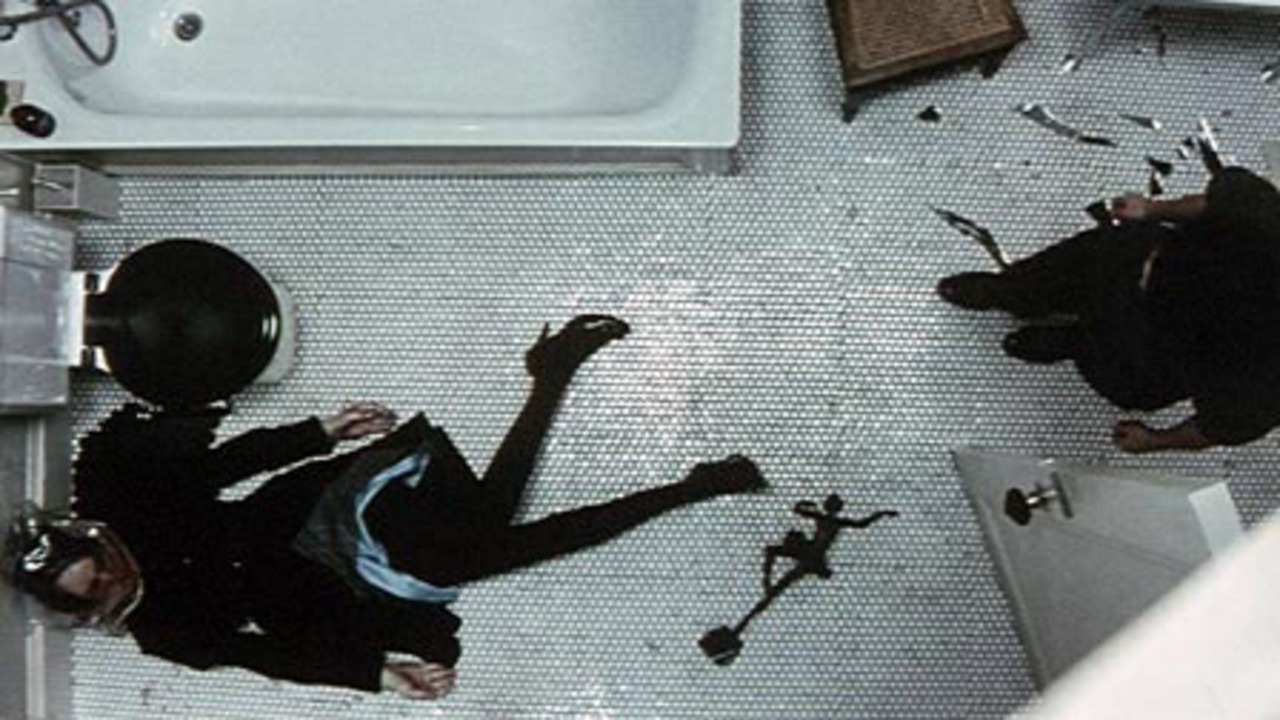
Interestingly, the film formally resembles an image viewed from behind a mirror. Everything is blurred, slightly foggy and smeared. As if we were observing the world from the perspective of the evil double hidden behind the wall of the looking glass. Poe and his William Wilson form the frame binding Ellis’s work together. The enigmatic quotation opening the film finds its completion in the final scene. Admirers of the American writer will certainly notice that Gina McVey has far more in common with William Wilson than it might initially seem.
Is the Gina we accompany the real Gina, or the evil Gina who emerged from a dark place and crossed to the other side of the mirror? Who defeated whom? And in the case of such a confrontation, can one even speak of victory? The Broken is a generic mishmash. Elements of horror, a psychological thriller, and finally an existential drama. A story about an individual who is uncertain of herself. A very atmospheric and unsettling film that will appeal not only to aficionados of doppelgänger duels.


