Review
STRANGER THINGS, S3 Revisited: The Last Day of Vacation
Stranger Things 3 is closer to the horror motifs and atmospheres seen in the first season and to the works of Stephen King.


Standing alongside the Stranger Things phenomenon, the Duffer Brothers prove that pop culture references are not just a cheap and artificial gimmick for them, but that they love and understand pop culture. The third installment of their series, in fact, structurally refers to esteemed film franchises (Indiana Jones, Back to the Future, Star Wars, Alien, and even Nolan’s Batman), where a sequel develops the original in a new direction, and the third part decidedly returns to its roots.
Stranger Things 3 is therefore closer to the horror motifs and atmospheres seen in the first season and to the works of Stephen King. Inspirations from zombie films and the cult Invasion of the Body Snatchers are also easy to notice here. There is, however, no reason for concern, as in the final act of this eight-episode spectacle, we are treated to plenty of breathtaking action.
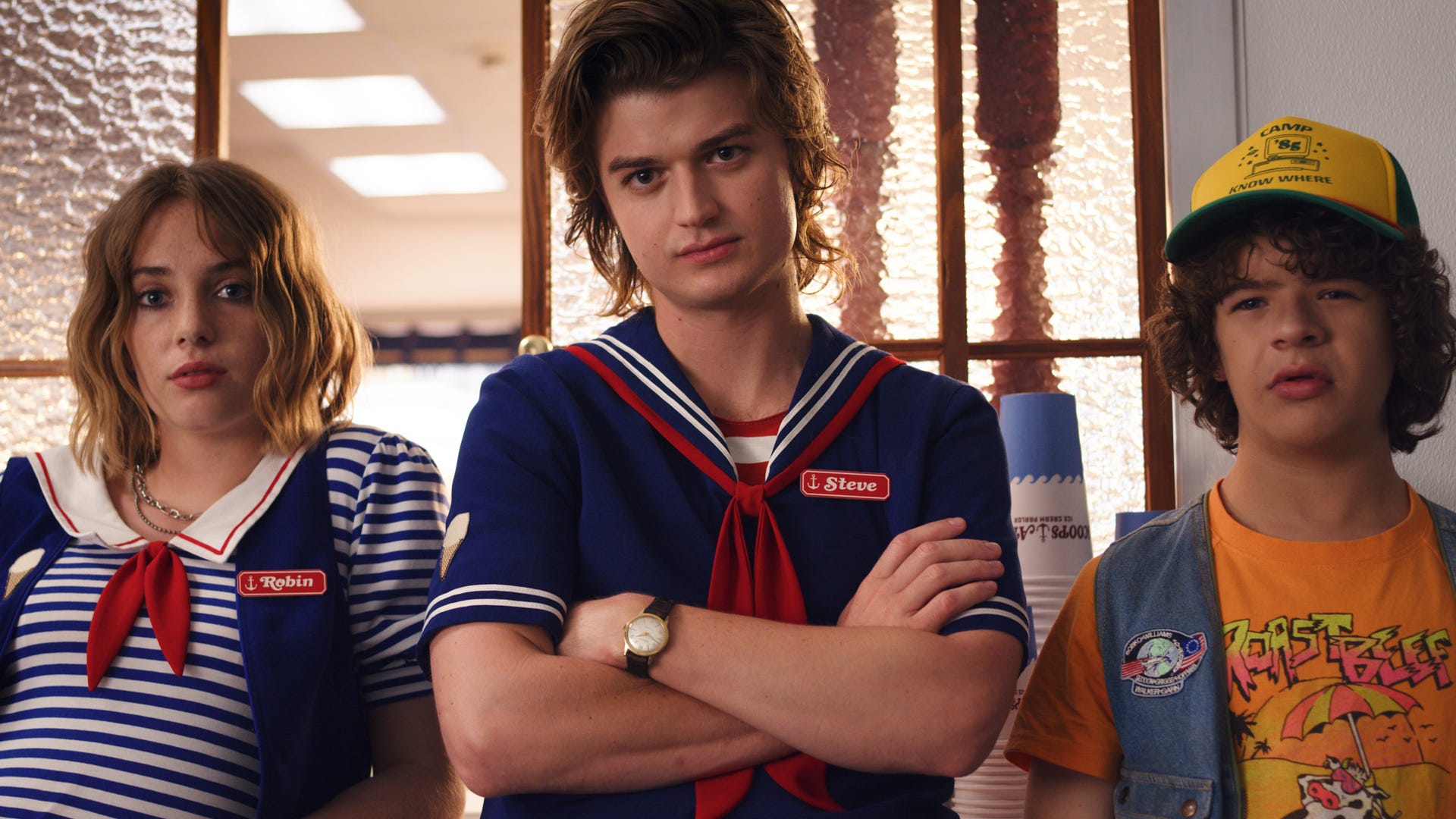
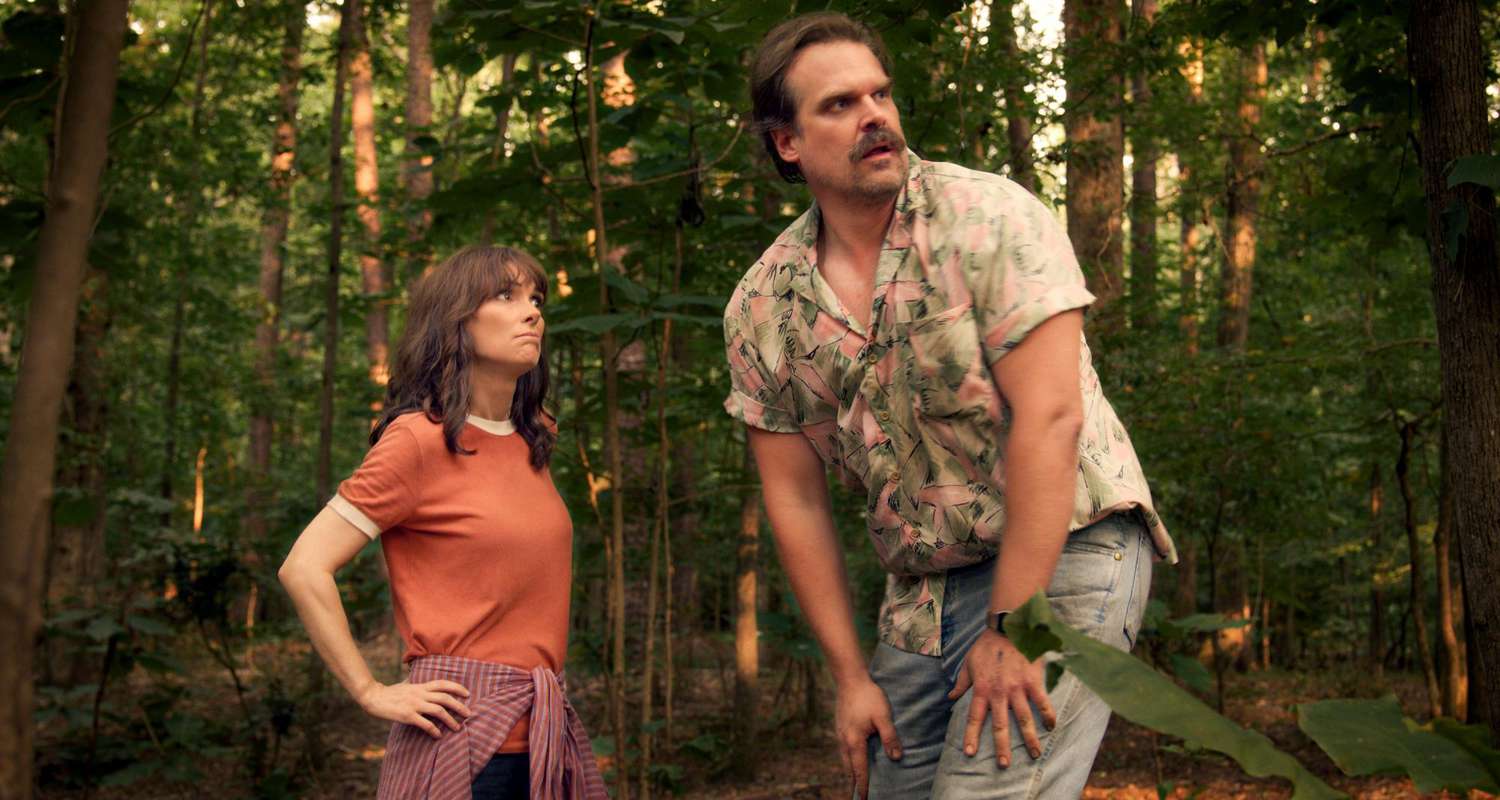
The heroes once again must face the Mind Flayer, and the entire intrigue involves a Russian army conspiring on American soil (a logical move for a series feeding on nostalgia for the 1980s!). A key difference in this year’s story is that it takes place during the summer. This is reflected in new locations (a shopping mall, a public pool, and an amusement park), summer wardrobes, and a fully color-saturated aesthetic, but it also allows the creators to introduce a new narrative.
The characters no longer wait for the long-awaited last school bell and can fully dedicate themselves to adventure. Once the first two episodes have set all the players on the board, the writers really step on the gas and do not allow us a single moment of respite.
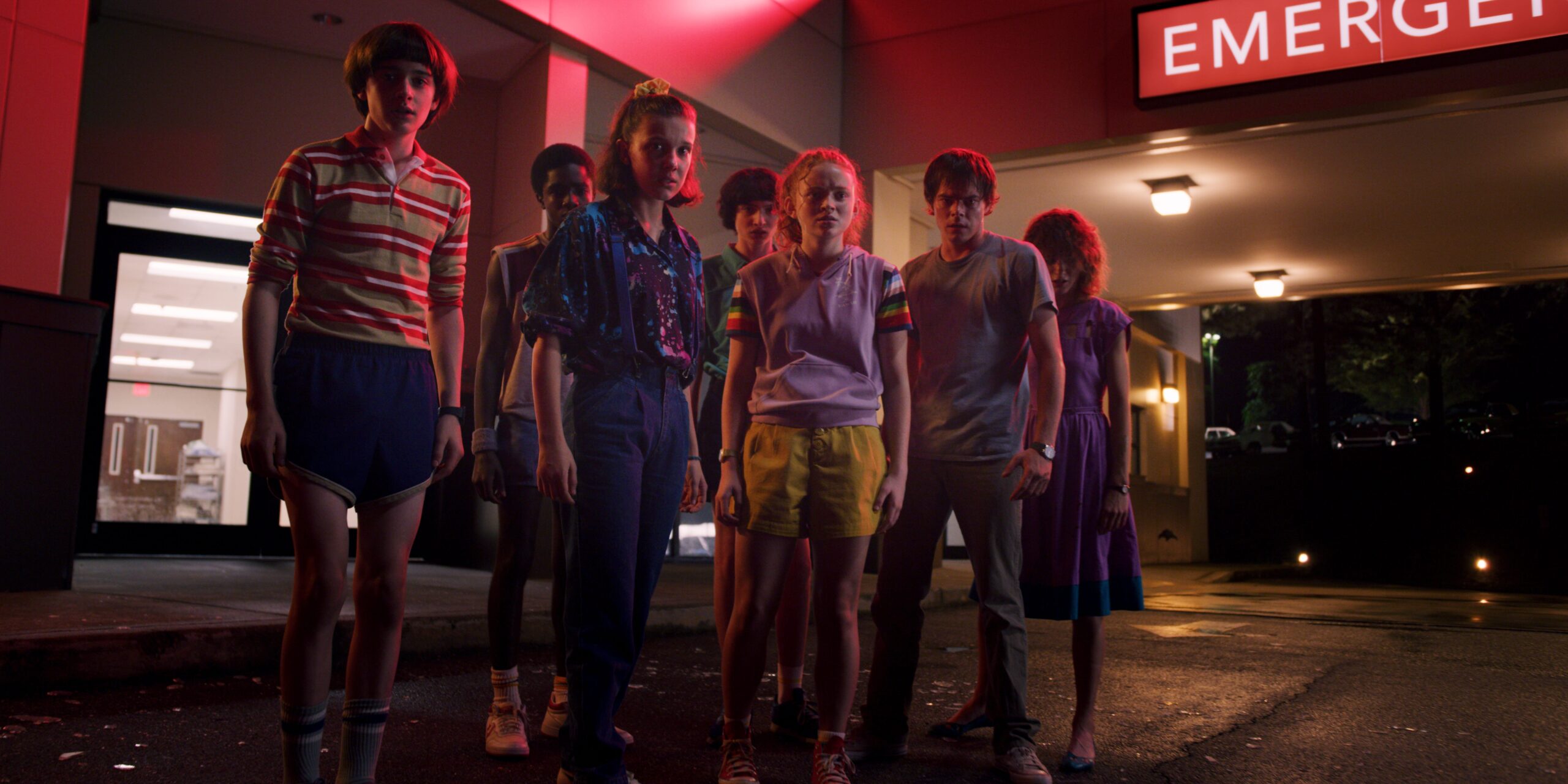
Technically, Stranger Things 3 confirms that the Duffer Brothers’ series leaves the competition far behind. It is closer to the most visually impressive blockbusters of recent years (Kong: Skull Island or Godzilla films) than to other television titles. The cinematography is phenomenal, the original soundtrack continuously delights, and the selection of hits from the 1980s is simply enjoyable. The line between small-screen CGI and what was once reserved for theatrical productions has long blurred. It is difficult to be disappointed by any of the performances.
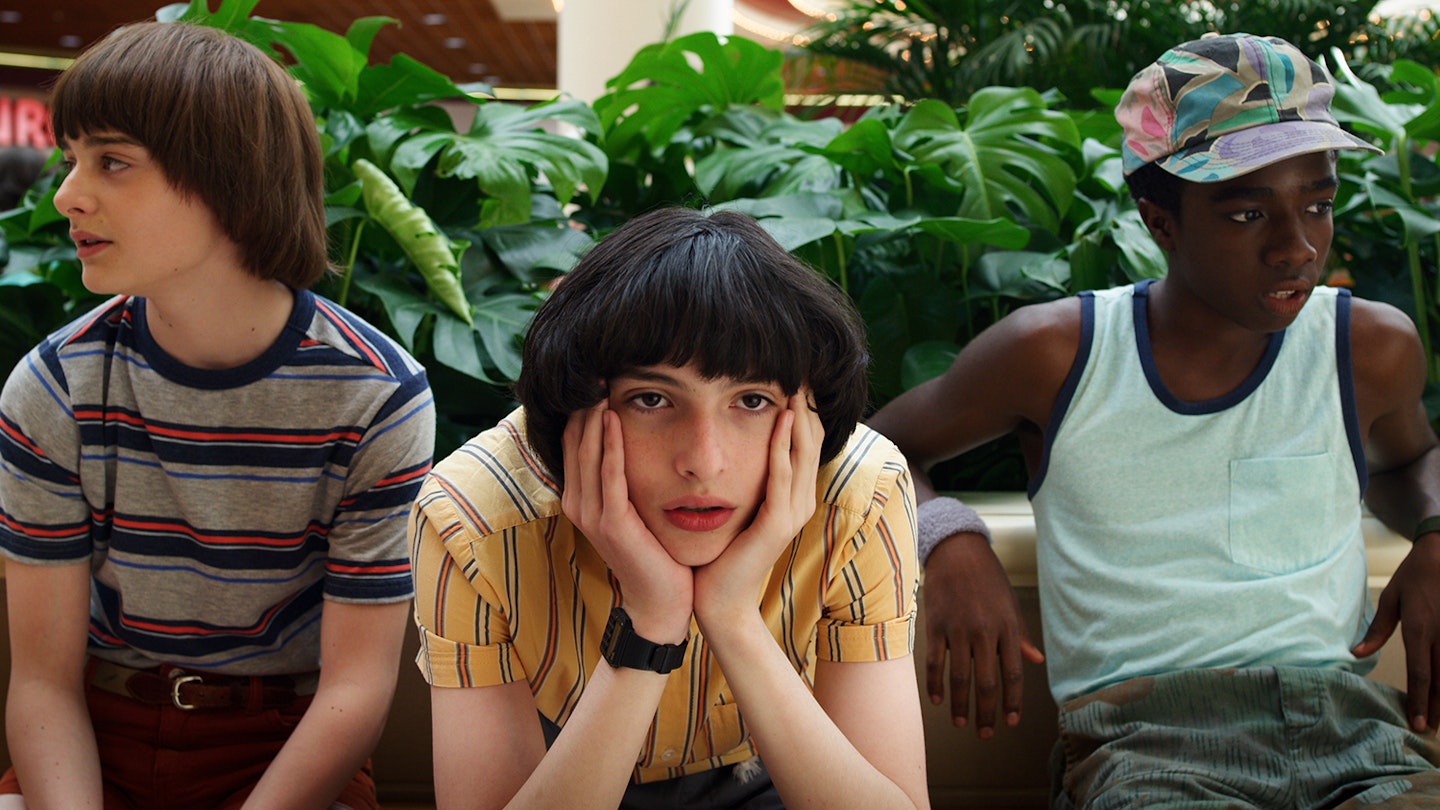
What is most interesting in this season, however, are the characters and their relationships. the series captures not just a summer atmosphere but the distinctive feeling of the last day of vacation, when one must face the return to reality. The characters simply change and mature. Steve, Jonathan, and Nancy take their first steps into adulthood. The younger characters stop being children, pair up, and begin to understand more about life. Perhaps the most compelling storyline is that of Will, who is the only one in the group still desperately clinging to childhood and his beloved board game, which is, of course, no longer possible.
It also succeeds again in smoothly introducing new characters – unexpectedly, Lucas’s younger sister, previously only seen in episodes, steps into the foreground, and a completely new character joins the crew – the brilliantly written Robin, played by the charming Maya Hawke (privately the daughter of Uma Thurman and Ethan Hawke).
The season’s ending stands in contrast to the previous two finales. It is sad, bittersweet, but also very wise. At the same time, it serves as a clear conclusion to a stage in the lives of all the characters. Unexpectedly, Stranger Things 3 joins the group of pop culture phenomena that chose year 2019 to close the stories of their characters (including Game of Thrones, Toy Story, and Star Wars), because although I have no doubt that further seasons of the Netflix hit will be made, it will – or at least should be – a different series.
One summer can change everything.