
Review
LOST GIRLS. Honoring the Victims [REVIEW]
Based on true events, Lost Girls opens with a title card explaining that the perpetrator of the murders depicted have never been apprehended.

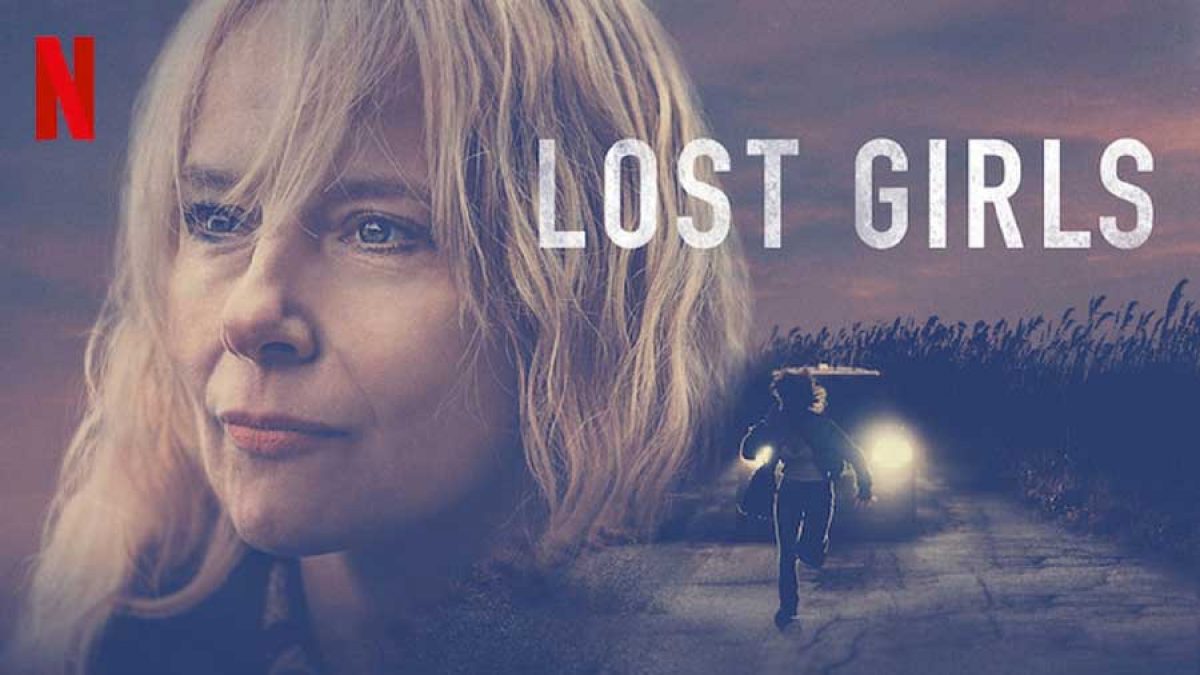
Liz Garbus is a filmmaker with two Academy Award nominations and numerous prestigious industry honors to her name. Yet a few years ago, her name still wasn’t widely recognized among mainstream moviegoers. Until that point, she had worked exclusively in documentary cinema. Lost Girls, released by Netflix in 2020, marked her narrative feature debut — though her documentary instincts remained clearly visible throughout the film.
Based on true events, Lost Girls opens with a title card explaining that the perpetrator — or perpetrators — of the murders depicted have never been apprehended. The story centers on the disappearance of 24-year-old Shannan Gilbert and her mother Mari’s relentless efforts to find her. The search is hindered by investigators’ prejudice stemming from Shannan’s profession (she had worked as an escort) and by the suspiciously closed-off attitude of the small coastal community on Long Island where she was last seen. Even the discovery of other young women’s bodies in the same area fails to immediately change the authorities’ approach.
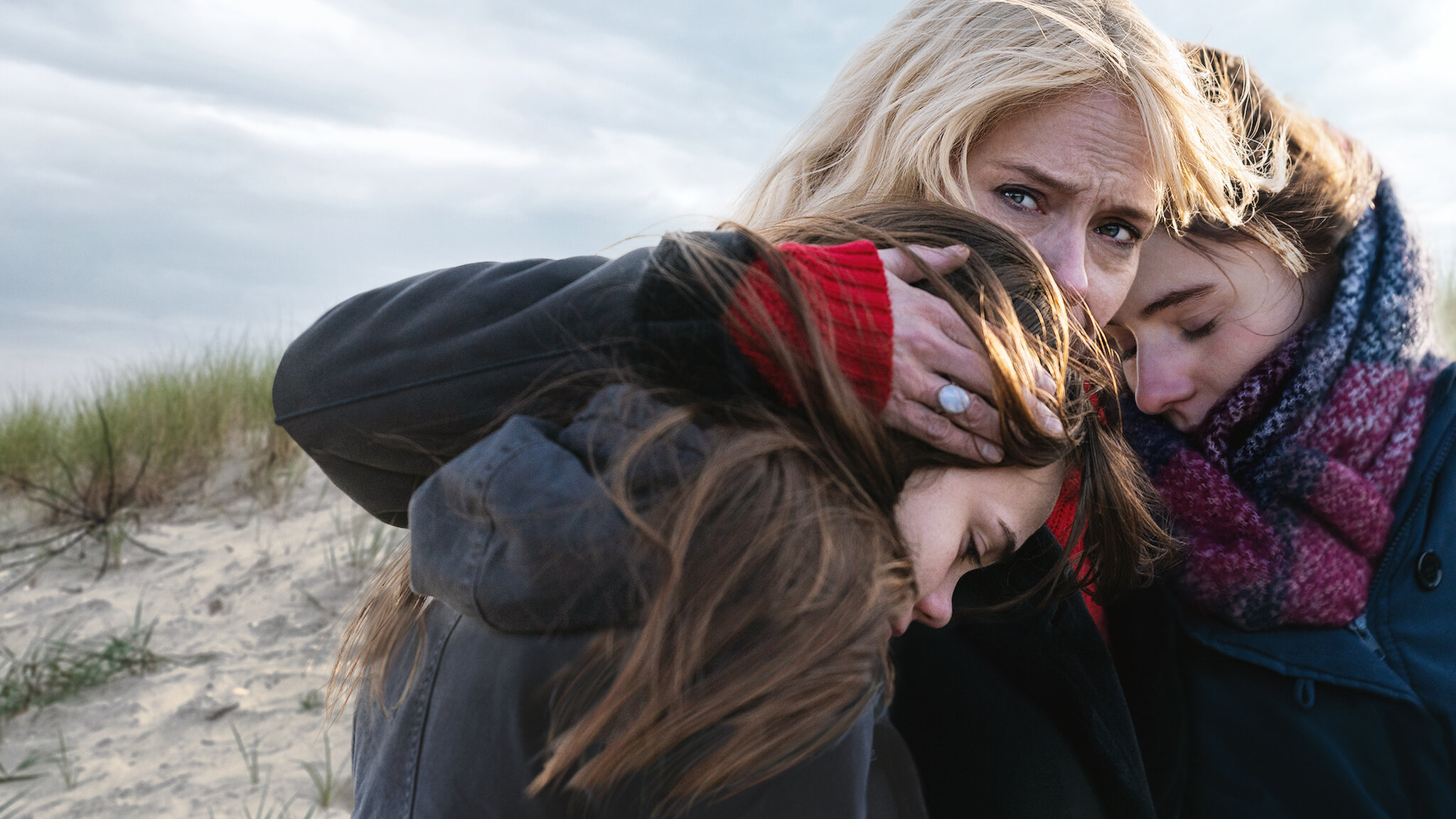
Anyone expecting a procedural in the vein of Zodiac by David Fincher would likely have been disappointed. Garbus was less interested in reconstructing the mechanics of the investigation than in honoring the victims of what appeared to be a serial killer. The film carries a palpable sense of anger and frustration. This is especially evident in scenes where Mari repeatedly switches off the television or radio as commentators reduce her eldest daughter — and the other victims — to their profession.
Garbus builds the narrative around Mari (played with quiet intensity by Amy Ryan), who battles local law enforcement and residents alike to push for meaningful search efforts and basic respect for her daughter and the other murdered women. Through Mari’s actions and the recurring motif of a candlelight vigil attended by the victims’ loved ones — primarily women — the director underscores a crucial point: these missing women were first and foremost friends, mothers, sisters, and daughters, not merely sex workers, as media coverage and police rhetoric often suggested.

The film also addresses social inequality and the profound impact it has on institutional response. One particularly striking scene shows Mari and other women trespassing onto private property near the location where Shannan was last seen. When a wealthy resident calls the police, officers arrive within minutes. Yet when Mari’s daughter had previously called for help, she reportedly waited nearly an hour. The contrast speaks volumes.
Another reason Lost Girls stood out at the time was Garbus’s refusal to simplify Mari’s story. Rather than glossing over the painful fact that Shannan had once been placed in foster care — a decision that complicated the mother-daughter relationship — Garbus and screenwriter Michael Werwie, adapting Lost Girls by Robert Kolker, incorporated this aspect into the narrative. The result was a more nuanced portrayal of Mari, haunted by regret and longing in several dark, emotionally charged scenes.
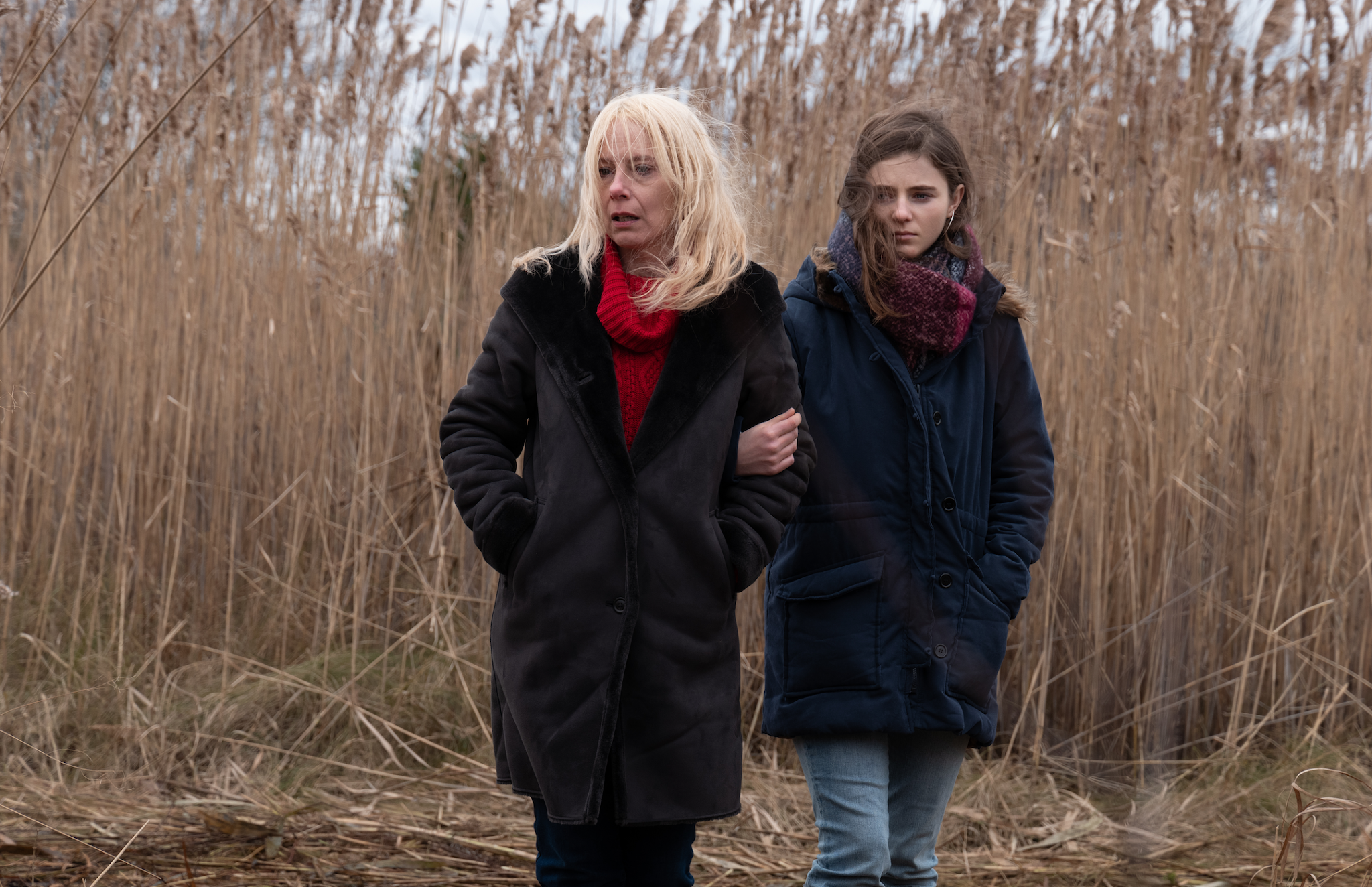
Though missing, Shannan remains ever-present in her mother’s life — through an old videotape recording, through a voicemail message. Mari’s attempt to atone for past parental missteps surfaces in her efforts to persuade Kim, one of the women attending the vigil, to leave sex work behind. This thread, however, felt somewhat underdeveloped. The theme of troubled upbringing also extended to Mari’s other daughters, Sherre (played by Thomasin McKenzie) and Sarra (Oona Laurence). Tragically, Sarra’s story would later take a devastating turn in real life as well.
Beyond prejudice, inequality, and fraught family dynamics, Garbus also examined the broader issue of systemic injustice toward women. In the film, grieving women represent the victims and those demanding change, while many of the male figures appear invested in maintaining a dangerous status quo.
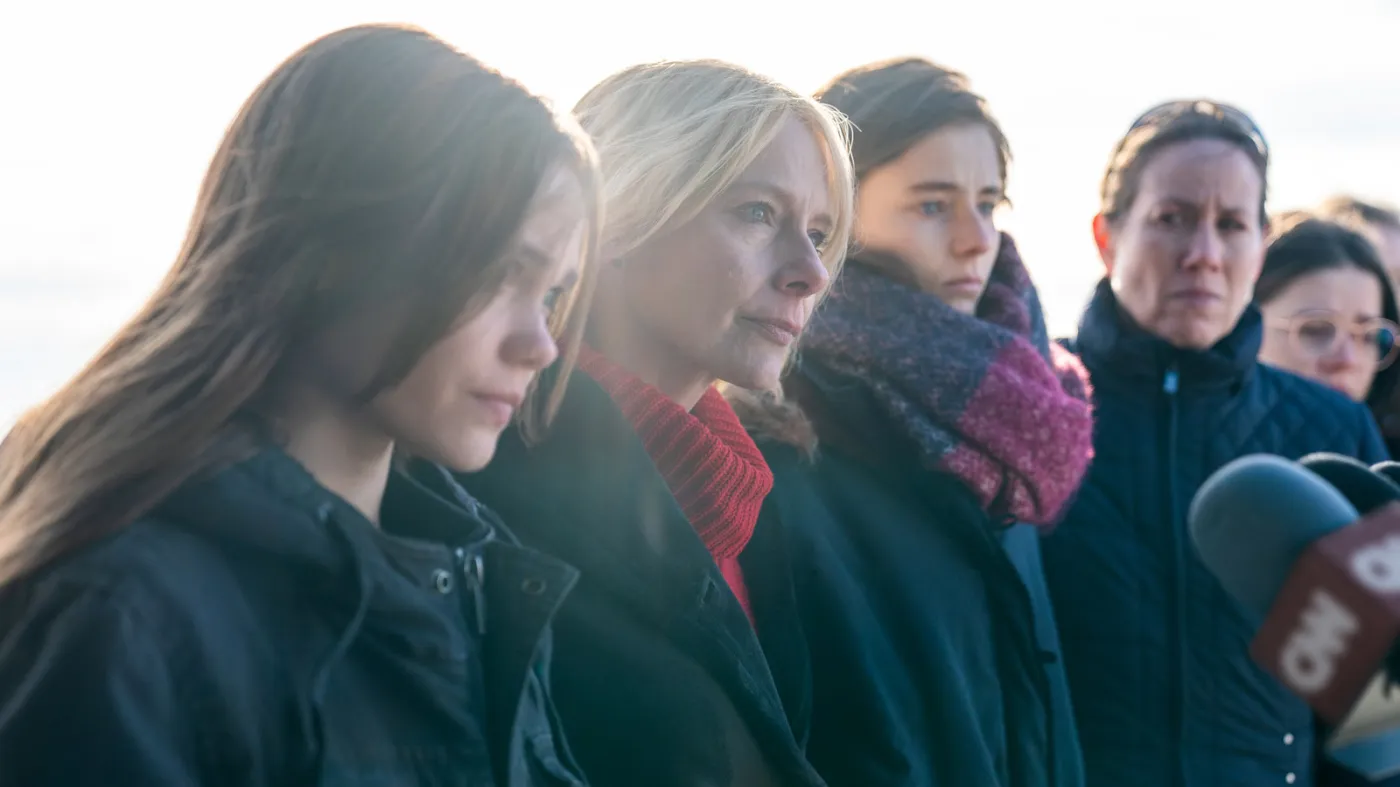
It has been estimated that the Long Island serial killer murdered between 10 and 16 women between 1996 and 2013. For years, however, the case did not receive the same sustained media attention as other high-profile investigations. Garbus’s film effectively continued the advocacy of Mari Gilbert, who died tragically in 2016 and consistently demanded equal treatment for all victims, regardless of gender, profession, or social standing. The production itself reportedly faced obstacles — including resistance from residents of Oak Beach, who did not permit filming in the area where the bodies had been found — underscoring how painfully relevant the film’s themes remained even at the time of its release.

