
Review
AVA. Avoids Sentimentality and Easy Pathos
For thirteen-year-old Ava (Noée Abita), childhood effectively ended in an ophthalmologist’s office.

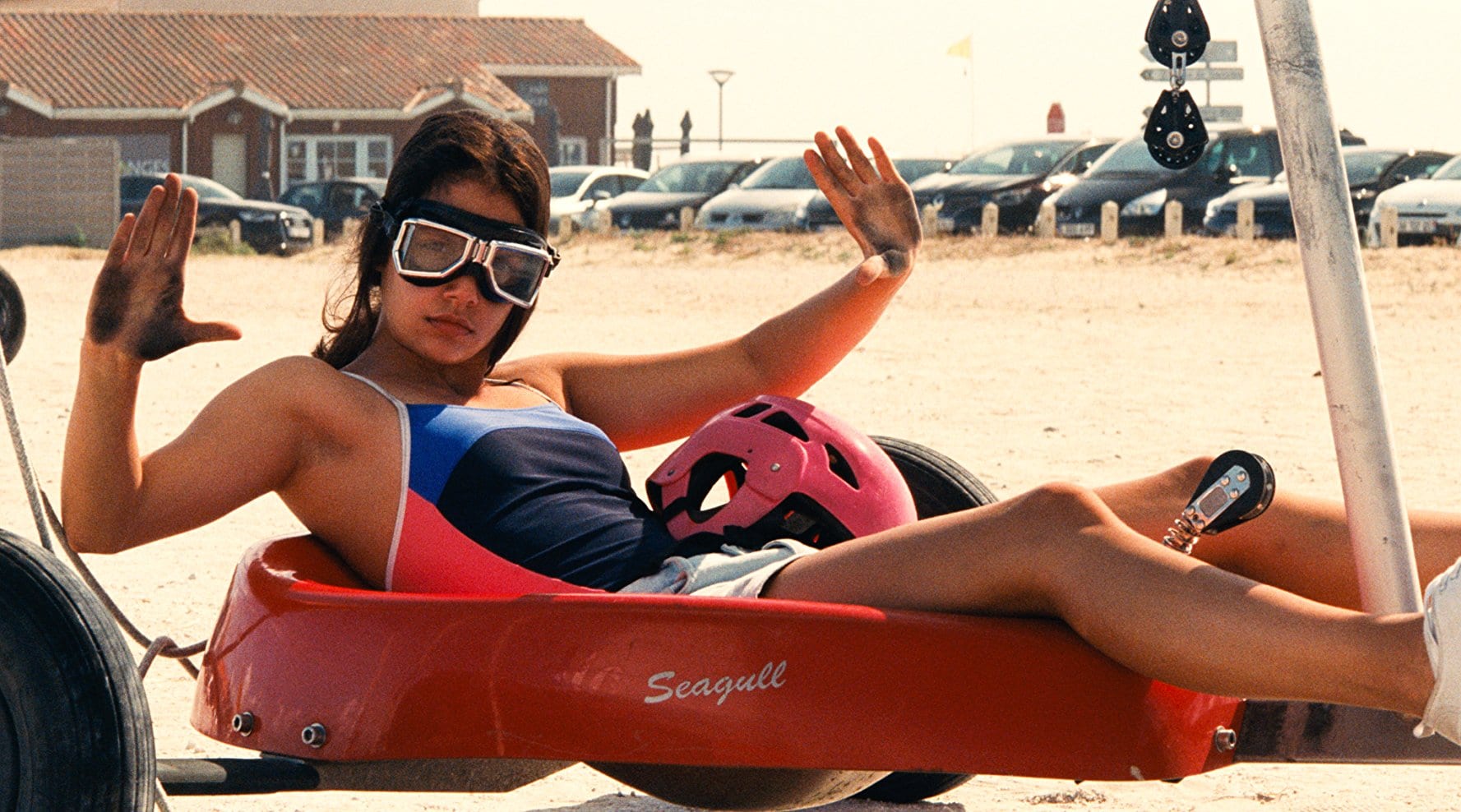
For thirteen-year-old Ava (Noée Abita), childhood effectively ended in an ophthalmologist’s office. She had long known that her eyesight was fragile and would deteriorate over time, but the diagnosis proved merciless: first she would struggle in low light, then night blindness would set in, and total blindness would follow sooner rather than later. Remarkably composed for her age, Ava received the news without shedding a tear — clenching her jaw in anger instead. She was spending the summer with her mother and younger sibling by the Atlantic, what was supposed to be a carefree holiday. Instead, it became a crash course in growing up. Faced with the prospect of losing her sight, Ava decided to see — and experience — as much as possible while she still could.
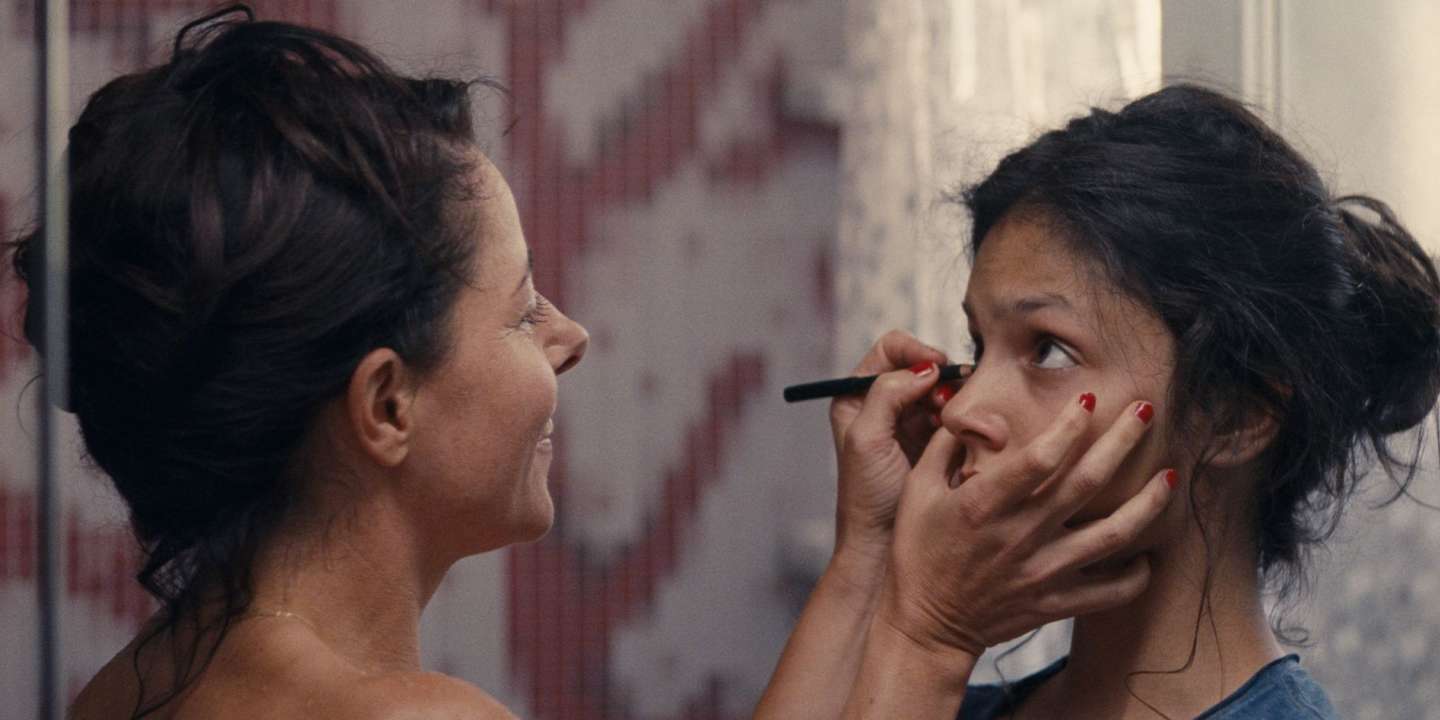
She largely had to face this reality on her own. Her mother seemed incapable of truly connecting with her and preferred to act as though everything was fine, insisting they simply enjoy the vacation. At the same time, she appeared preoccupied with her younger child and with her own appearance. The result was a strained dynamic: at times she came across as irritating, even unbearable, especially to a teenager grappling with the far more urgent fear of impending blindness. Ava was forced to begin imagining a life no longer defined solely by what she could see.
Whenever she could, she tied a blindfold around her eyes and walked along the beach, waded into the sea, even attempted to climb. Moving through space by touch, she trained her balance and patience, fully aware that disability was only a matter of time. And yet, despite the grim prognosis and the tense relationship with her mother, Ava never descended into despair. Her humor and striking resilience allowed her to process events in her own way. She didn’t withdraw from her budding romance, nor did she give up teasing her self-absorbed mother, who often seemed oblivious to her daughter’s emotional needs.
Ava, the feature debut of Léa Mysius, turned out to be as layered as its protagonist’s situation. Framed as a coming-of-age story, the film wove together elements of multiple genres, each serving the narrative organically. After learning she would soon lose her sight, Ava began experiencing surreal nightmares in which her fear of blindness, resentment toward her family, and fascination with a boy she had just met merged into unsettling imagery — including the disturbing vision of an eyeless infant.
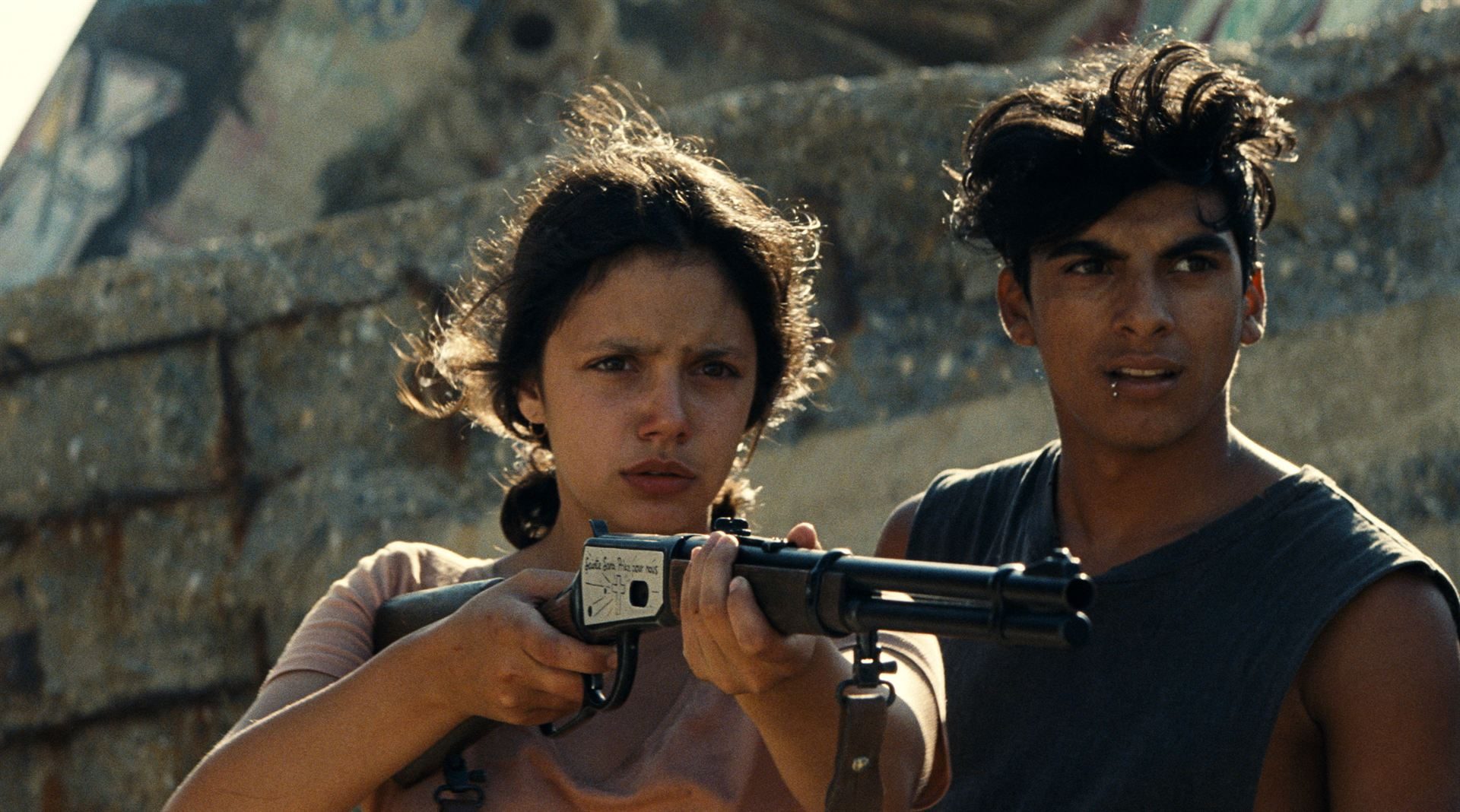
These sequences were steeped in cold blue tones and carried a distinctly horror-inflected atmosphere. Still, they represented only one facet of a film that otherwise felt far lighter. When Ava met the intriguing, taciturn Juan, her desire for new experiences intensified. The two smeared themselves with clay like feral creatures and, accompanied by a black dog and armed with a shotgun, playfully terrorized a nudist beach to steal food, alcohol, and small useful items. Set to She Ain’t No Child No More by Sharon Jones, and propelled by energetic editing, the sequence took on a mischievous, almost roguish charm.
Elsewhere, the film briefly adopted the feel of a road movie — particularly in a scene where Ava and Juan walked down an endless stretch of asphalt cutting through an empty landscape. In her debut, Mysius demonstrated a confident command of shifting tones and conventions, moving fluidly between genres while always remaining faithful to Ava’s perspective. The stylistic variety mirrored the multiplicity of experiences shaping the young protagonist’s accelerated transition into adulthood.
Despite tackling weighty themes — and doing so in a direct, uncompromising manner — the film ultimately felt luminous, even uplifting. Told subjectively through Ava’s eyes, it became a bold yet believable portrait of confronting the specter of incurable illness. In retrospect, the greatest praise belonged to Mysius herself: for approaching difficult material with intelligence, emotional distance, and flashes of humor, avoiding sentimentality and easy pathos in favor of something far more honest.

