
Review
HOLLYWOOD. Wild horse that couldn’t be reined in
I watched Hollywood with interest until the end. But it was interest driven mostly by hope—for a twist that would once again affirm what was said.

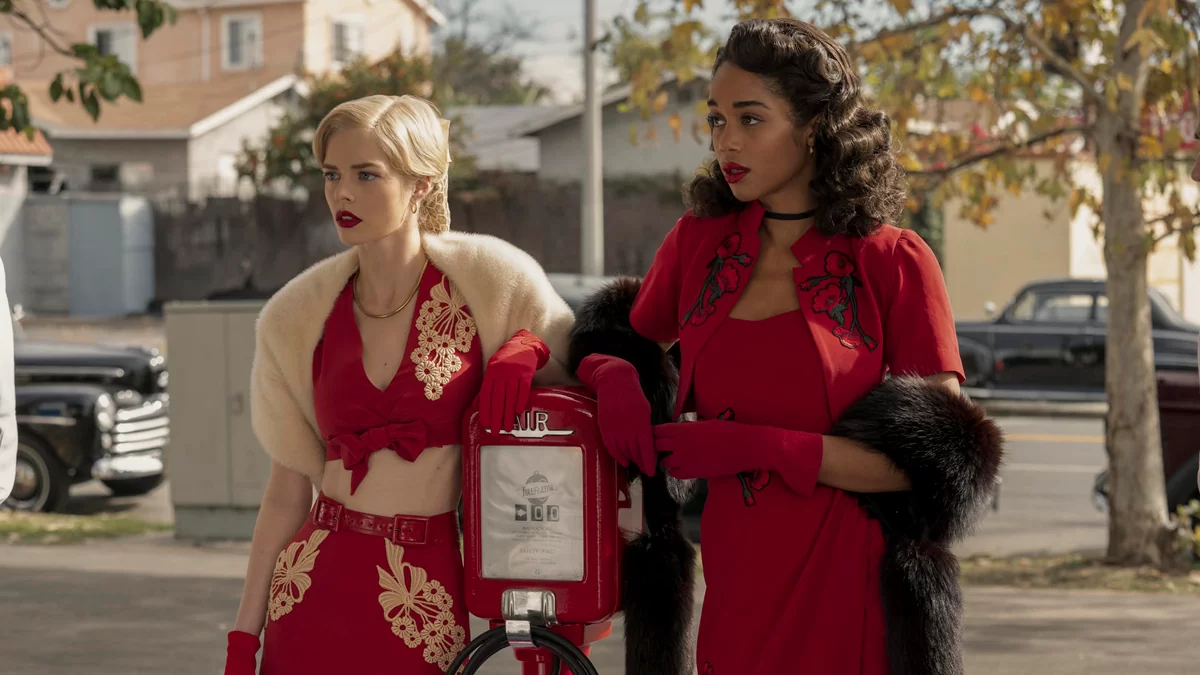
There’s a scene in Hollywood where a screenwriter, a director, and a producer sit together at a table in a restaurant. The reason for their meeting is, of course, a film they’re working on together. I really liked the way they discussed every page of the script, scene by scene, to avoid mistakes and logical inconsistencies in the production. If everyone followed that practice, the film world would be a better place. And certainly, the series Hollywood would have benefited from it. Ryan Murphy is one of those showrunners who doesn’t need to convince me much when I’m choosing whether to watch his latest work. The first seasons of American Horror Story and the existing American Crime Story series were enough for me to form an opinion of him.
Murphy doesn’t hold back—he’s bold, expressive, and has a great feel for the spirit of the times. Not everyone manages to weave issues of minority groups, alienation, and injustice into their work the way Murphy does. Thoughtfully and with heart—that seems to be his motto. So I approached Hollywood, a series loudly promoted as a self-referential reckoning with the sins of the Dream Factory, full of hope. A story promising to expose the brutal truth behind the industry’s glittering curtain. Well, I can’t say I got exactly that—but I also can’t say I was completely disappointed. Simply put—it’s good, though it could have been much, much better. 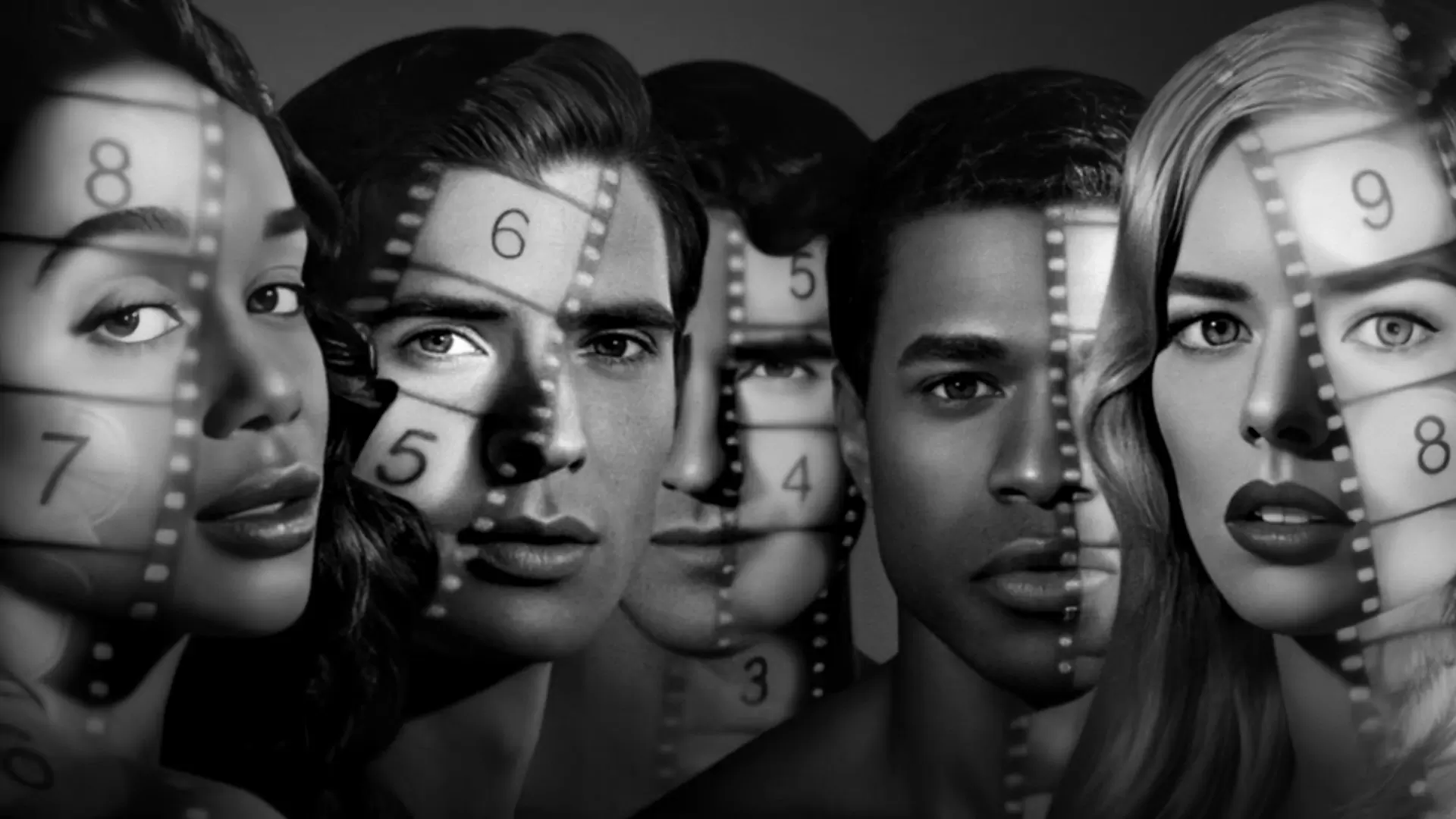 What’s the problem? Let me use a metaphor. I felt like Hollywood was a wild horse that couldn’t be reined in. The first episodes promised one kind of reality, but the development of the plot delivered something quite different. The issue, then, is an unstable tone—one moment suggesting a story meant to uncover the filth of showbiz, the next transforming into an idealized, cheap, sentimental fairytale pulled straight from the era and style the series references. If they had decided to stick with scheming, intrigue, and moral corruption—or if the talent agent had remained a thoroughly rotten bastard—it would have at least been consistent.
If the characters didn’t try so hard to charm me, as if they were constantly auditioning, my feelings toward the series might have come with less embarrassment. Maybe I could have gotten more involved, or simply believed in the story. Because by titling a series Hollywood, a promise is made to the viewer. Attractive actors aren’t enough for me to feel the magic of cinema. Today’s audience is far more aware than in the 1950s or 60s, when the series is set. Maybe back then, people could be sold the idea that stars were part of a system creating earthly gods. Maybe the press, TV, and especially cinema could uphold that false cult, focusing attention on actors’ names when choosing a film. But today, in our scandal-saturated culture, when you can count the unblemished stars on one hand, no one doubts who we’re really dealing with—people. Just people, who sin like the rest of us, though we’d prefer to see them as flawless monuments to gaze at endlessly. Pfft, what nonsense. 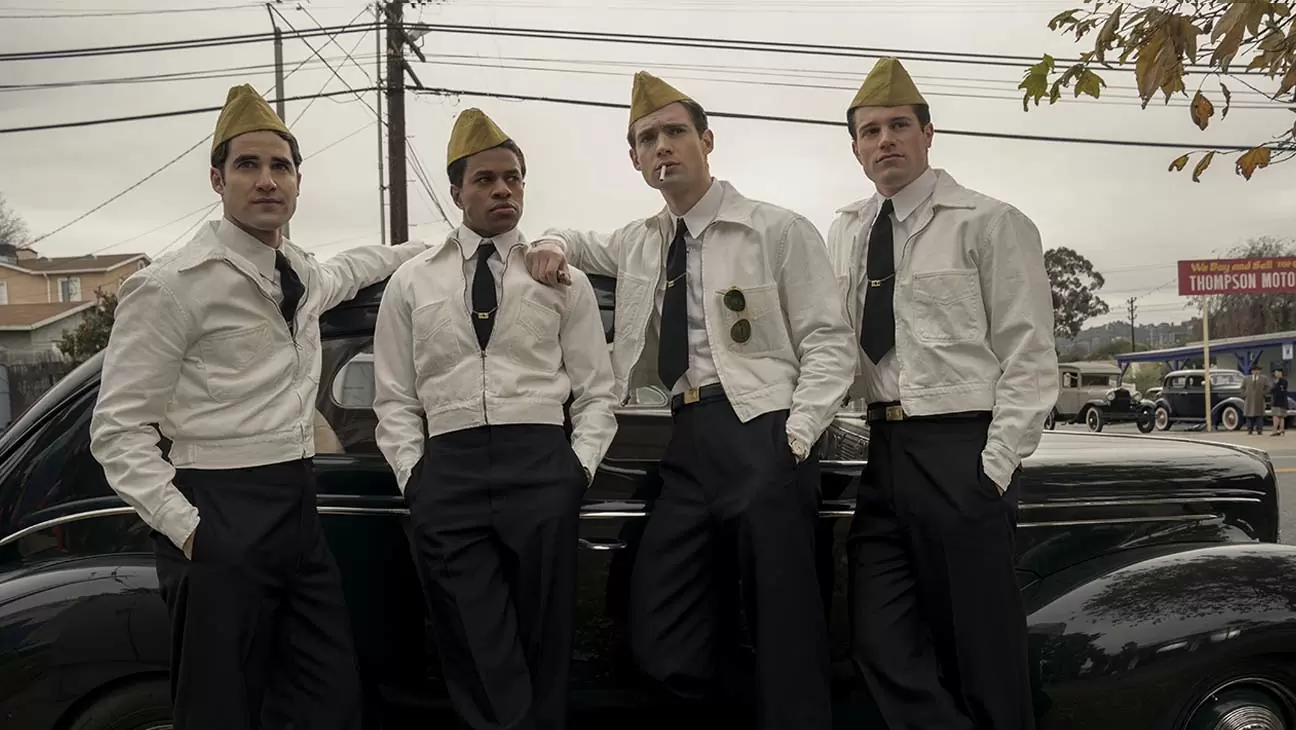 So I was hoping—maybe naively—that Hollywood would strike at that illusion, showing, for example, what has only recently come to light: that without sleeping with the right person, actors sometimes couldn’t even dream of a career. While the early narrative hints at that kind of message, everything starts changing after just a few episodes—specifically, when a certain producer needs to sleep off his troubles, and his wife takes over the studio reins. That begins a standard film-making process, laid out almost like a textbook, with no room for extremes. I have no doubt the restrained tone came into Hollywood to gently and painlessly convey its message. And that message fits today’s cultural trends, which are heavily focused on social justice and minority representation.
Hollywood as a place of tolerance—that’s the conclusion the series leads to. Another illusion I simply cannot believe. I have no problem with Murphy defending values here. I have no issue with the show becoming, at some point, a deeply committed attempt to challenge stereotypes. That’s all fine—an interesting face of this story. What I do have a problem with is that Hollywood (in my opinion, I emphasize) was supposed to be one thing and turned out to be something else.
I got the impression that Murphy used the myth of the Dream Factory not to reckon with it, but to reinforce it—in a different color and tone. Instead of showing that the machine driving the film industry is ruthless toward individuals, using them as batteries for the next production… instead of showing that entering the industry almost always comes with mental strain, pressure to look and act a certain way, and that only the strongest survive at the top—Murphy just swapped the white pawns for black ones and kept playing the same dreamy game. https://youtu.be/Q3EASLgzOcM And he did it well, because, being totally honest with you and myself, I watched Hollywood with interest until the end.
But it was interest driven mostly by hope—for a twist that would once again affirm what was said in the series’ early episodes. That Hollywood might serve us dreams, but participation in the creative process often costs the creators very, very much. Instead, Murphy consciously delivered an illusion—in the name of making the world a better place.


Looking back at DEAD SNOW: A Blizzard of Nazi Gore Fun

DEAD SUSHI: Exotic, Spicy, and Wildly Entertaining

Revisiting ALICE, SWEET ALICE: Dread and Religious Symbolism

PUPPET MASTER: LITTLEST REICH – Achtung! It’s Good!
