
Horror Movies
ORPHAN Revisited: Perhaps the Best Villain-Child Horror Ever
There is horror, tension, but above all, absurdity, for can a nine-year-old girl, no matter how dangerous, be treated seriously in situations requiring adulthood?

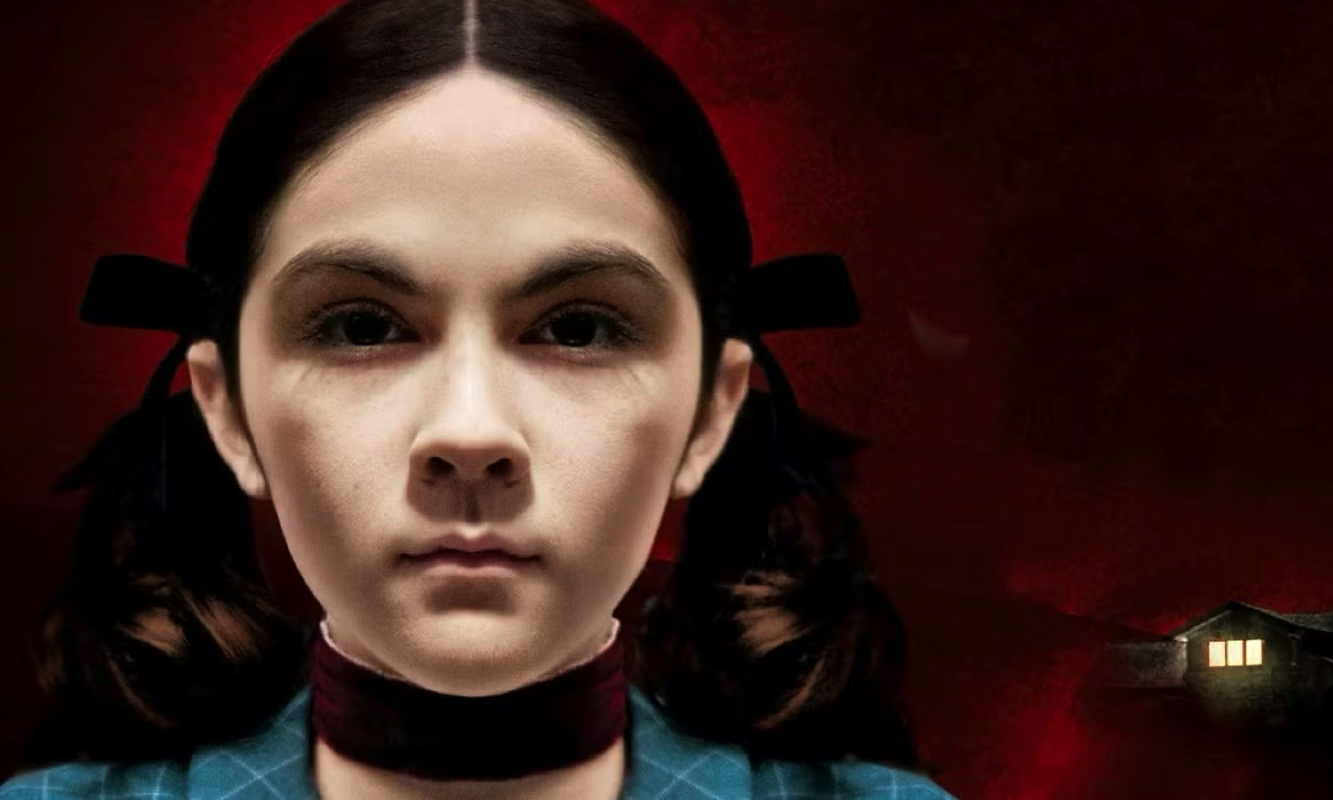
The tagline for Orphan was Something is wrong with Esther, although in truth nothing is wrong with Esther, she is simply evil. For the undersigned, Jaume Collet-Serra’s film is an excellent (perhaps even the best) example of a horror movie in which the main villain is a child.
Cinema has seen a few of them, from Rhoda in The Bad Seed (1956), a film that remains a model for such stories, to the twins Niles and Holland in The Other (1972), the unaware-of-his-devilish-nature Damien in The Omen (1976), the eponymous Children of the Corn (terrifying audiences since 1984), to Macaulay Culkin in The Good Son (1993) and British The Children (2008). It is hard, however, not to feel that Esther surpasses them all in intelligence, cunning, and monstrosity, not only in her actions but also in her purpose. Truly, she is a twisted little character.

The very first frames leave us with no illusions. The moment ultraviolet light falls on the Warner Bros. logo, revealing a much more striking color palette than ordinary light, as well as smudges and brushstrokes, we sense that this will be reflected in the plot itself. Such is not the work of a child, but of a truly disturbed mind. Moments later, the director treats us to a scene of a nightmarish birth, which is actually the nightmare of the protagonist, thirty-something Kate (Vera Farmiga).
The woman recently suffered a miscarriage and, as she says, to pour the love for her unborn child onto someone who needs that love, she decides with her husband (Peter Sarsgaard) to adopt. They already have a son and a daughter, and the decision to take in the orphan is also motivated by a desire to strengthen their relationship, strained by his infidelity and her alcoholism.
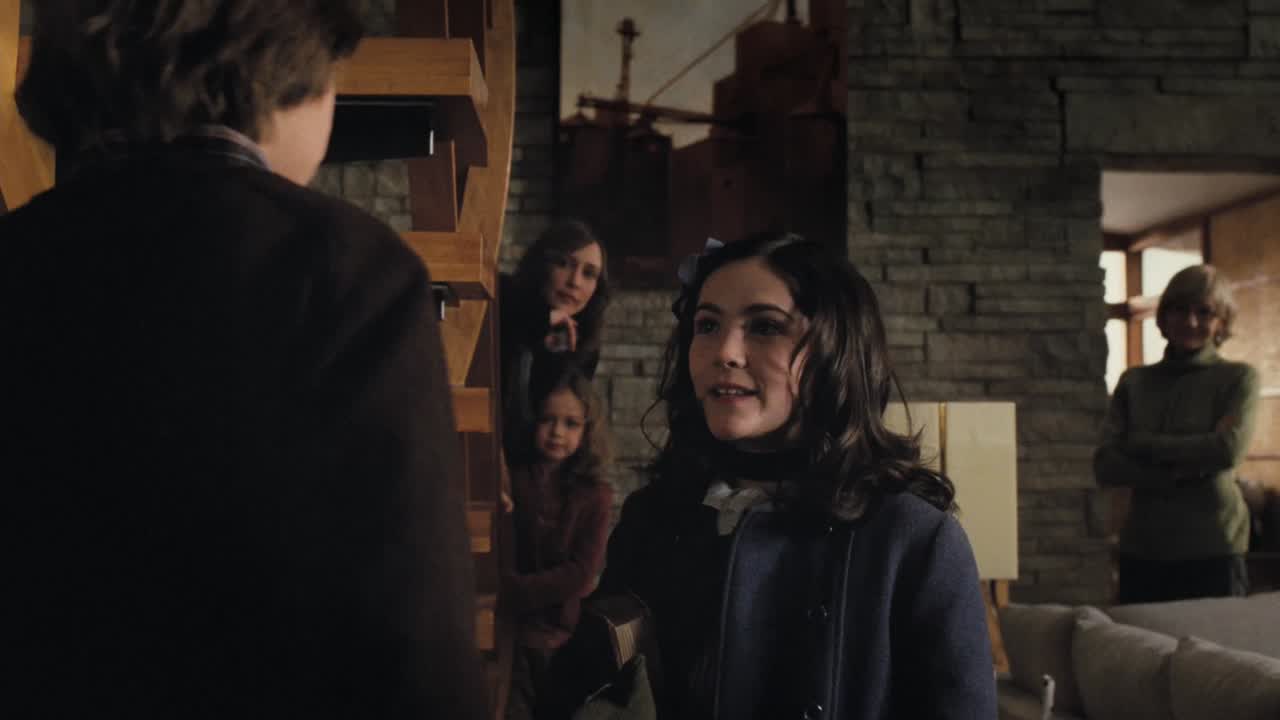
At the orphanage run by nuns, Kate and John meet Esther (Isabelle Fuhrman), a nine-year-old girl from Russia who behaves like a little princess, loves wearing dresses, wears bows, paints beautifully, and appears to be the most innocent creature under the sun. Appearances are deceiving, and soon mysterious accidents begin to surround dark-haired Esther.
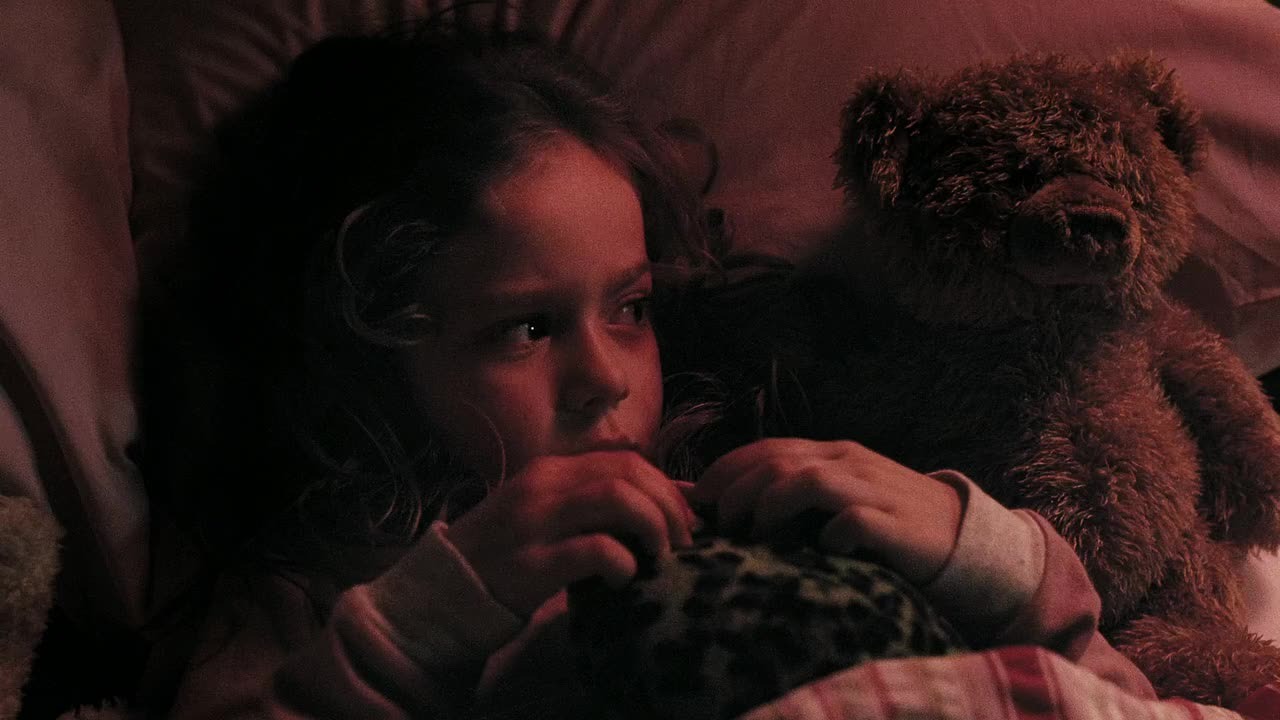
Orphan gradually reveals her true nature—sometimes she swears, astonishing her new mother; other times she emerges as a talented pianist and liar, pretending earlier that she could not play; but the biggest shock comes when Esther harms someone or merely threatens. In one of the film’s best scenes, the little devil pulls a revolver from a safe, leaving only one bullet in the chamber, then aims it at the head of her younger sister, deaf-mute Max (Aryana Engineer), asking if she wants to play. Russian roulette is the favorite game of the Russian girl, although it will later turn out that Esther’s origin is also questionable.
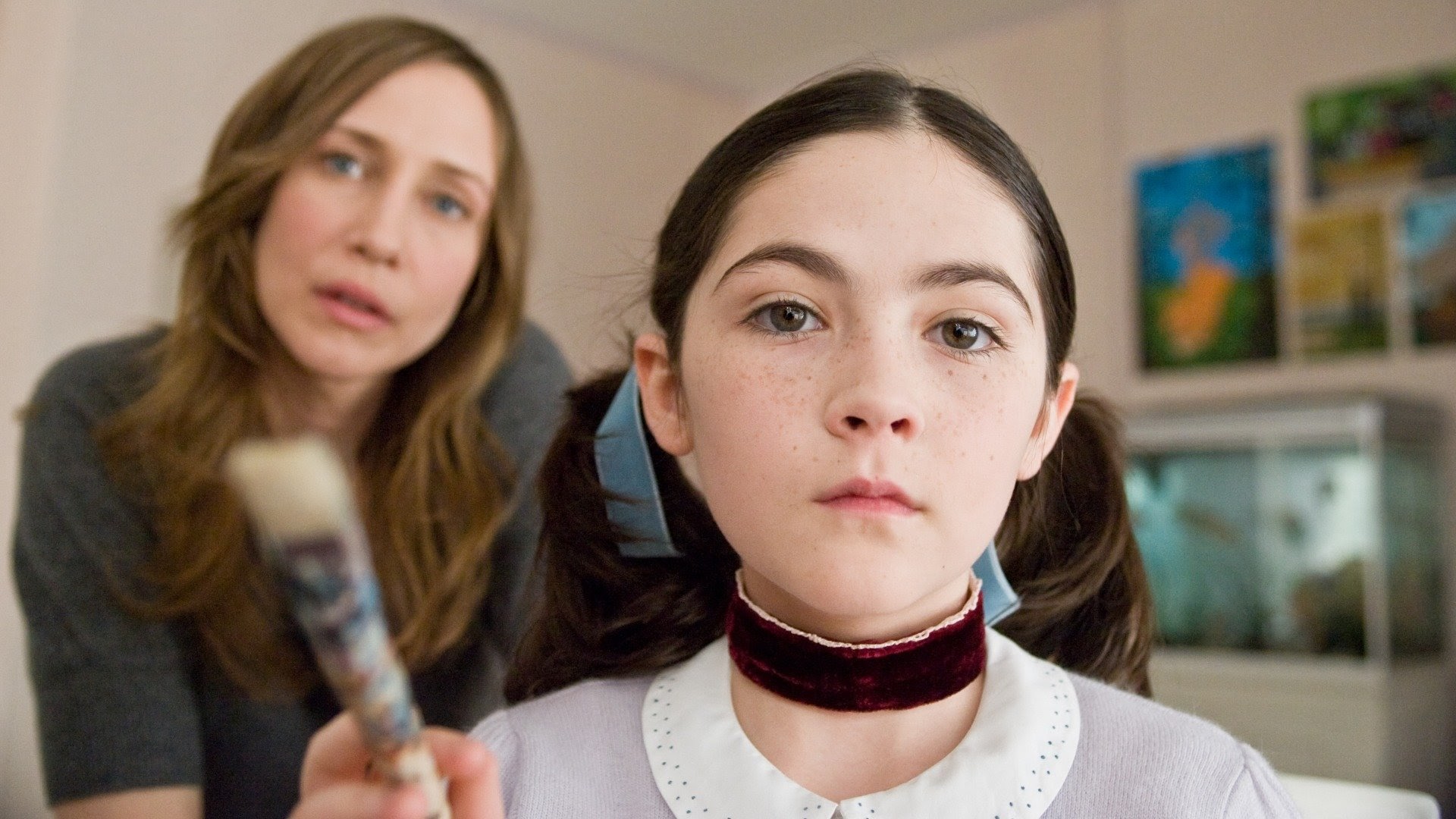
Collet-Serra does not hide the nature of his character, quickly showing her murderous tendencies. Yet at the same time, it is hard not to ask why someone like this cannot disguise herself better. Esther can pretend to be innocent, but her appearance immediately places her in the circle of suspicion. Old-fashioned dresses, black ribbons around her neck and wrists, and a bible tucked under her arm make her a school oddity and someone difficult to like. When a classmate tries to pull one of the ribbons, the eponymous character flies into a rage and screams horrifically loudly.
When she goes to bathe, she does not allow even her mother into the bathroom, as if afraid to show her naked. The power of Orphan comes precisely from this secrecy of Esther, who does not hide her evil side from the audience, yet surprisingly defends her bizarre image. This, of course, is explained in the final twist, which instantly turns this psychological thriller into a horror film.
Movies about murderous children can be difficult to watch, as they require us to accept the idea that someone could be born evil. In this way, the child is stripped of innocence, replaced by a psychopathic drive, yet even when we watch the worst atrocities performed by the child, it provokes our resistance, for we still see on screen a young, seemingly defenseless being with a chance for change. Orphan and similar thrillers leave no illusions—this bloodthirsty creature called a child must be killed, and then finished off before civilized people, who cannot comprehend that a young child might have a soul black as tar, attempt to intervene.
This absurd belief is pushed to the limits of plausibility, yet also gravity, in Collet-Serra’s film; although the director and actors never allow themselves a looser approach for the sake of entertainment, the screenplay by David Leslie Johnson (based on an idea by Alex Mace) does not shy away from absurdity, instead relying on increasingly strained solutions. To prove to those around her that the mother poses the real threat, Esther is willing to put her hand in a vise and turn the crank until her bones break. On another occasion, she tries to seduce a drunk and miserable father, deceiving herself that a bit of lipstick and a short skirt will suffice.

There is horror, tension, but above all, absurdity, for can a nine-year-old girl, no matter how dangerous, be treated seriously in situations requiring adulthood? There is, of course, the twist, which I will not reveal to avoid spoiling the fun. I will only say that it turns the entire concept of the evil child on its head, making the finale of Orphan a spiritual counterpart to Child’s Play.
Produced by Joel Silver and Leonard DiCaprio (!), the film was a moderate hit with audiences and critics, earning praise from Roger Ebert himself, who gave Orphan nearly the highest rating. Collet-Serra’s career, then already having another horror film, House of Wax, on his record, went in a completely different direction—collaboration with Liam Neeson on The Commuter led to three more action films by the duo. The Spaniard returned to horror with Unknown, but the encounter of Blake Lively with a shark did not have the same quality and tension as the bloody story of Esther.
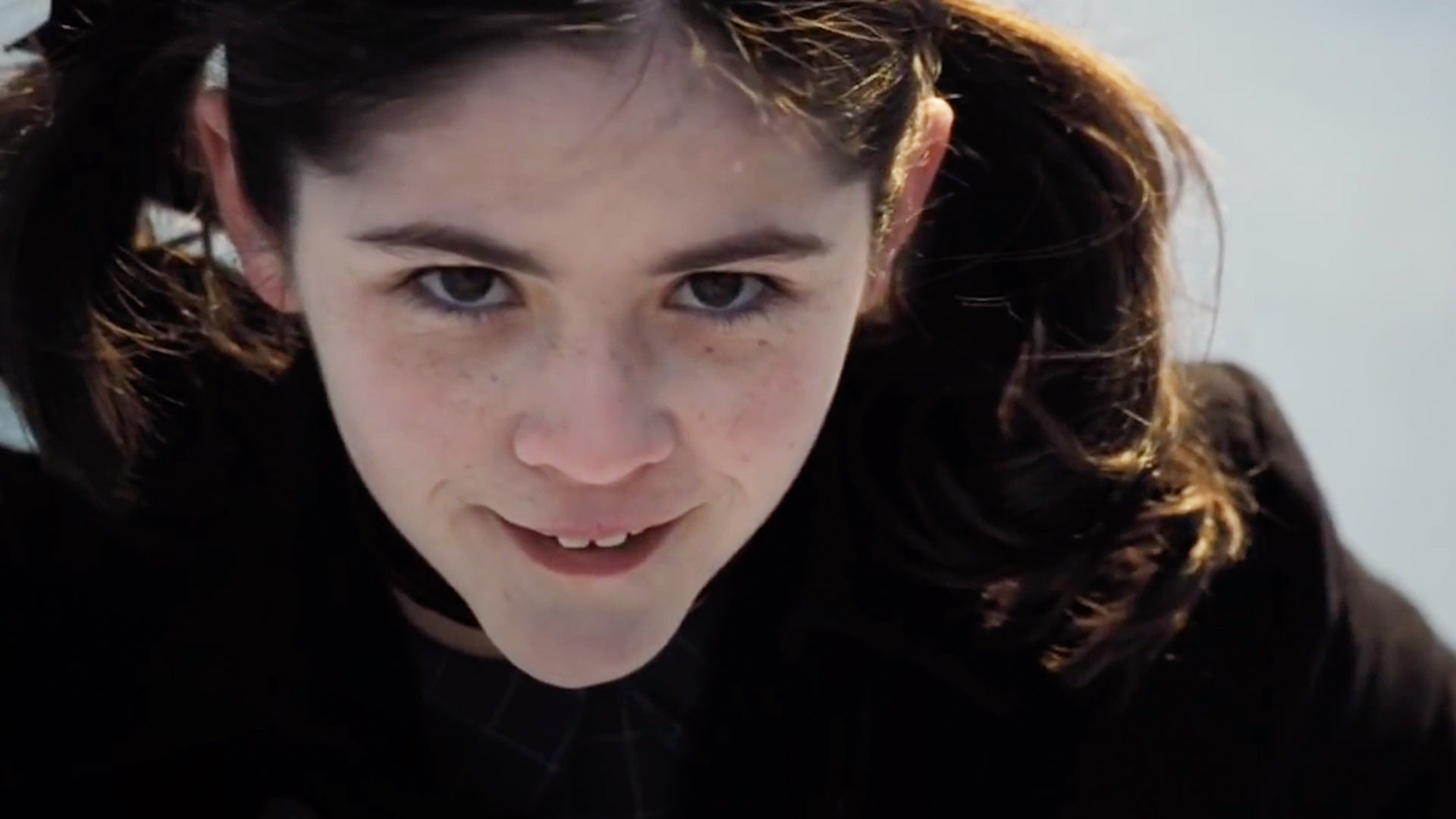
Vera Farmiga, playing Kate, proved that she was perfectly at home in horror, soon becoming the lead in the Insidious series. Interestingly, she played the mother of a psychopathic child twice more—two years earlier in Joshua and for five seasons in the series Bates Motel—and in the underrated The Rite of Fear, the search for a missing boy who wanted to kill his father led her to the lair of a depraved married couple of pedophile-murderers.
However, it is the title character who is most memorable in Orphan, the child-monster played by only eleven-year-old Isabelle Fuhrman. When necessary, she can be modest and innocent; at other times, calculating and audacious, instantly transforming into a cold, emotionless killer.
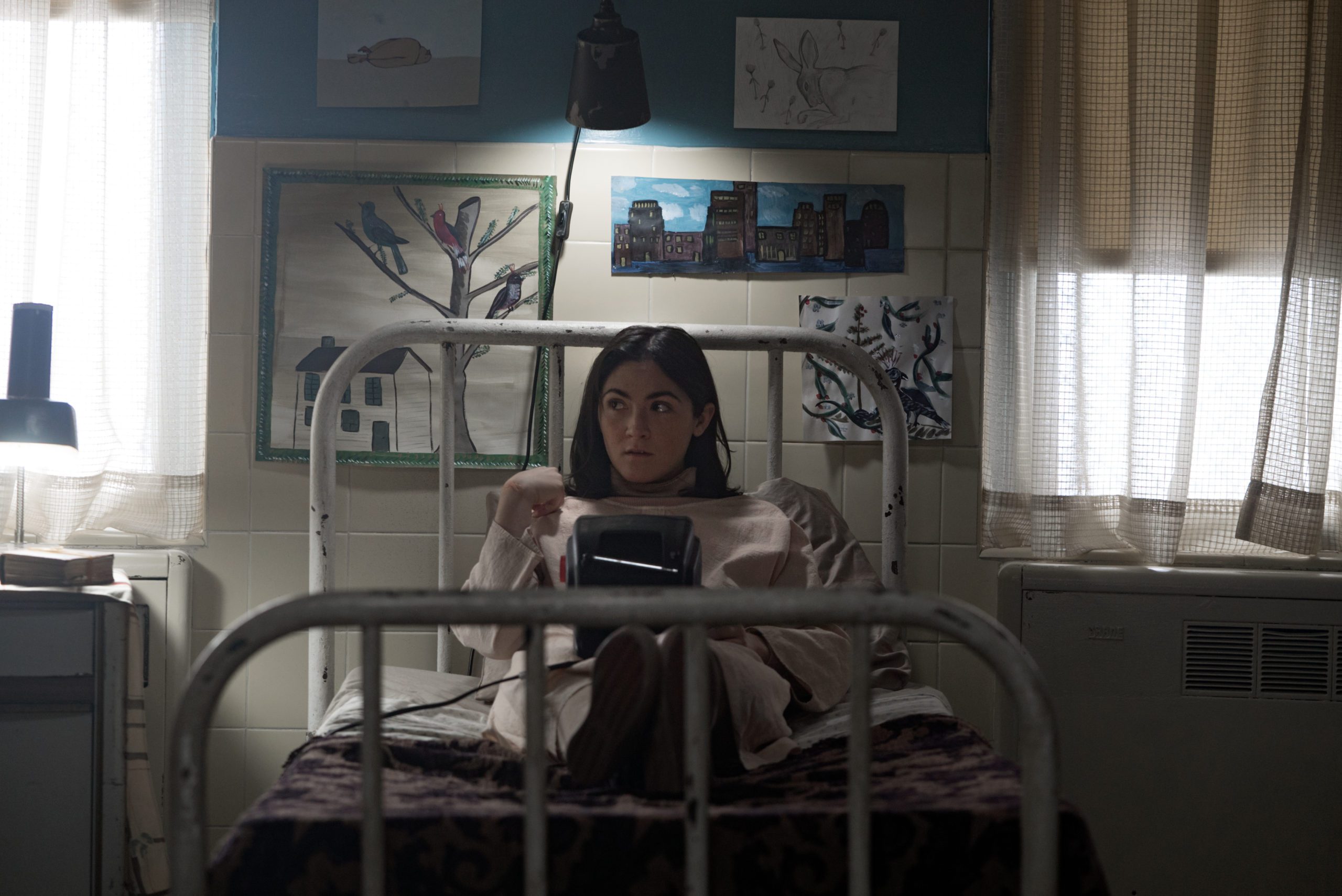
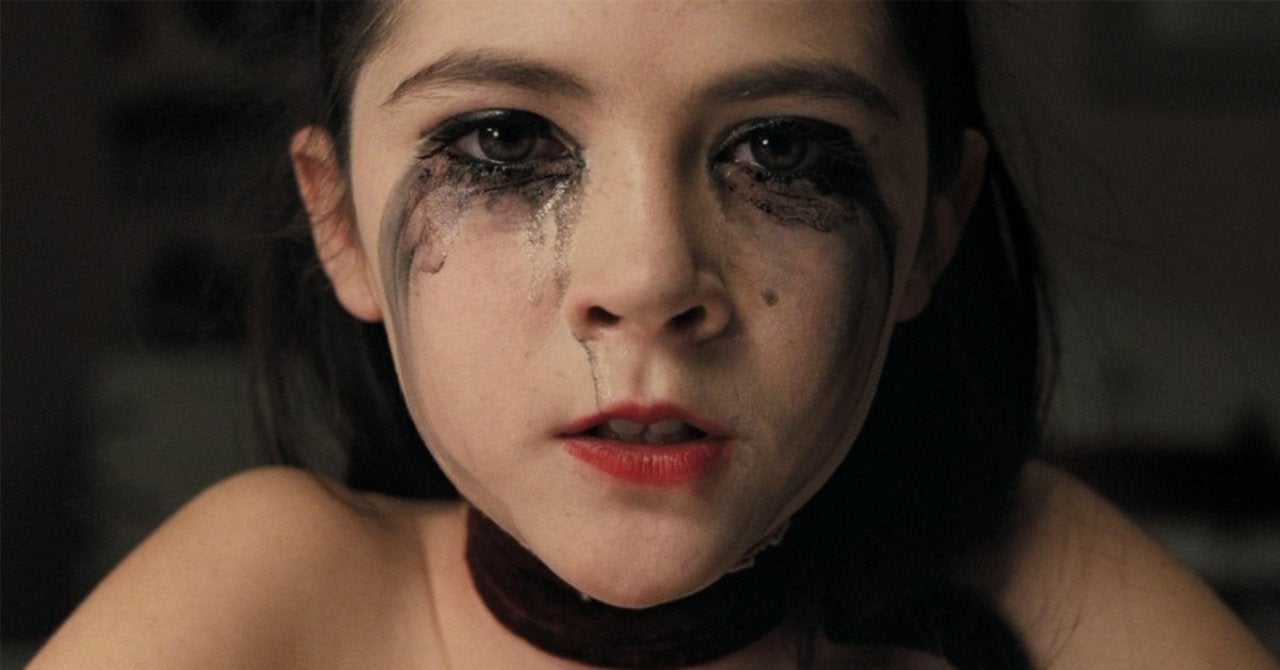
We believe in Esther precisely because of the actress’s talent, who builds her character on constantly pretending to be someone she is not. When we finally see the character as she truly is, Fuhrman’s features change dramatically, and she gives a more expressive performance.
It is a shame she never received an equally showy role later, although she came very close oncew – hen David Gordon Green was set to remake Suspiria, it was young Isabelle he saw as the lead. Suspiria was ultimately made by Luca Guadagnino, with Dakota Johnson in the lead, Green moved on to Halloween, and Fuhrman still awaits her breakthrough. Evil children do not have it easy in adulthood.


Looking back at DEAD SNOW: A Blizzard of Nazi Gore Fun

DEAD SUSHI: Exotic, Spicy, and Wildly Entertaining

Revisiting ALICE, SWEET ALICE: Dread and Religious Symbolism

PUPPET MASTER: LITTLEST REICH – Achtung! It’s Good!
