Horror Movies
Revisiting R-POINT: A Great Korean Foray into Asian Horror
Despite the fact that the director leaves no major surprises for the very end, R-Point maintains tension superbly, draws the viewer in, and does not let go.

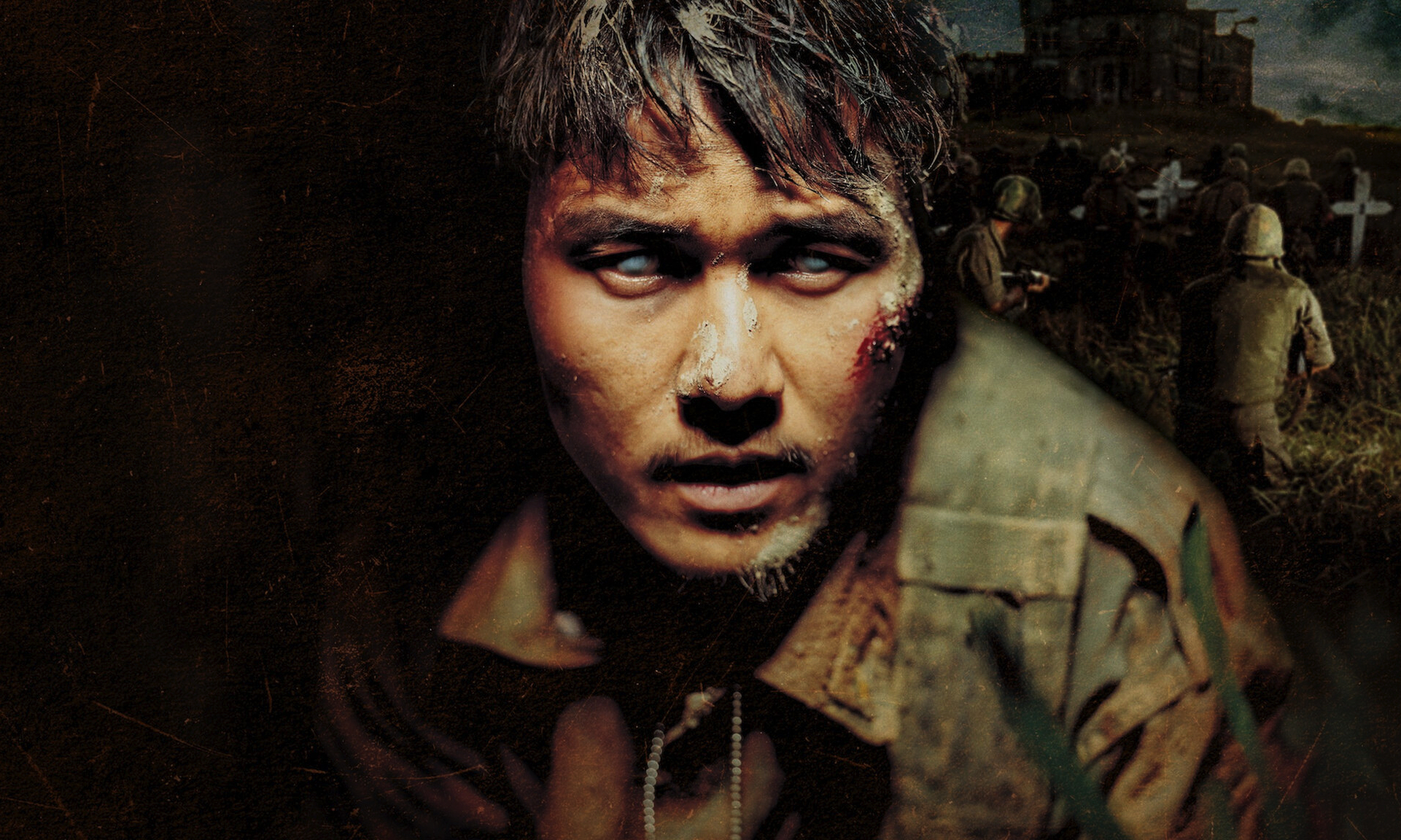
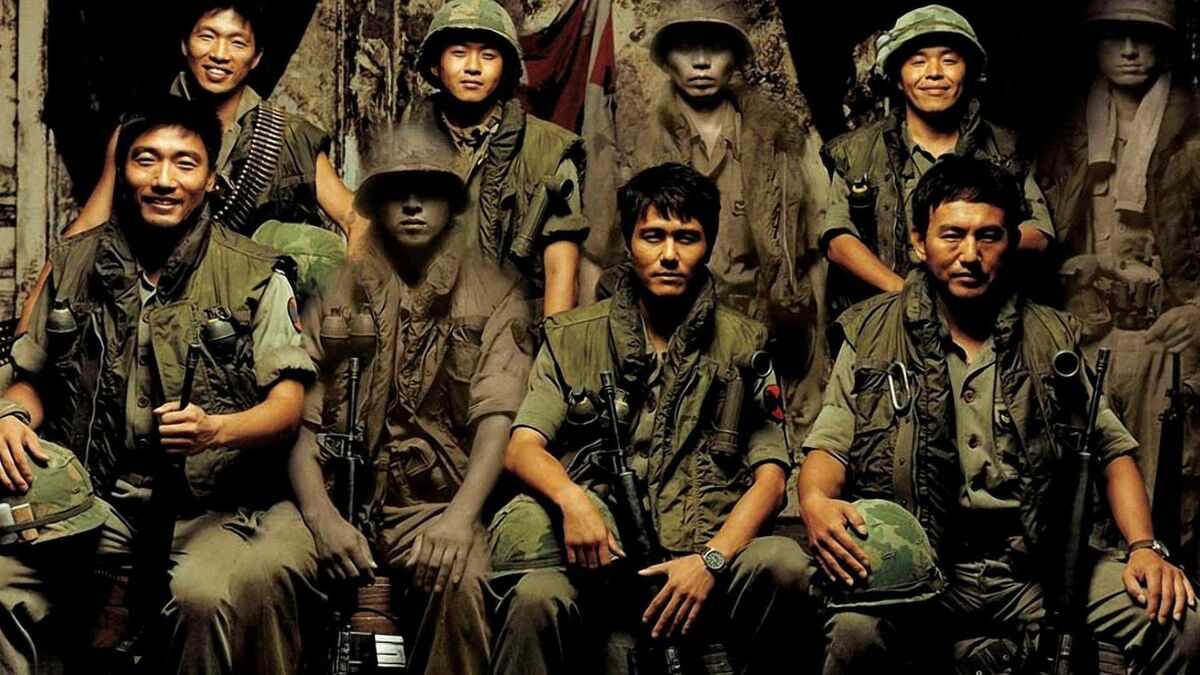
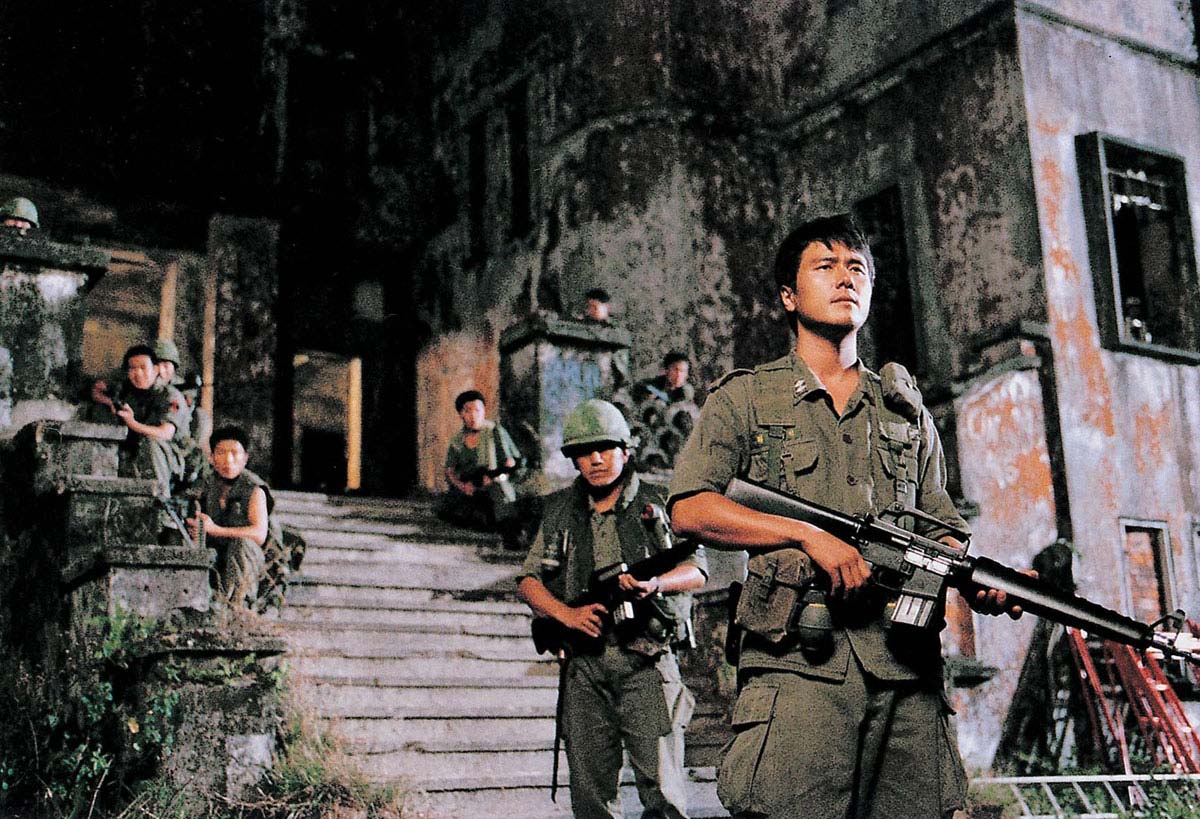
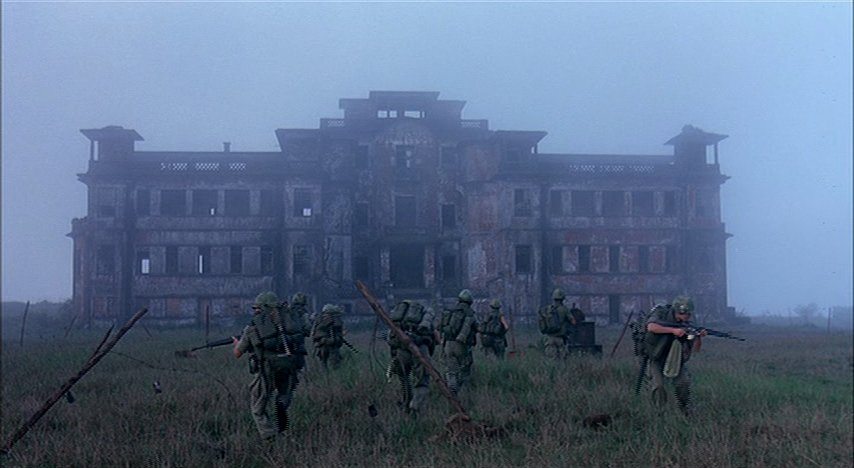
In 2004, the time came for South Koreans to take on Asian horror, a field long dominated by Japanese oddities (Ringu), water-soaked hauntings (Dark Water), and curses (Ju-on: The Grudge), along with their sequels, prequels, and unnecessary American remakes. After the goosebump-inducing South Korean Acacia (2003), a time canme for R-Point, a film that combines atmospheric dread (where what is unseen is more frightening) with horror and Vietnam-category war cinema.
The references hit the viewer over the head all too clearly: Apocalypse Now (the beginning of the mission), The Great Escape (a commander bouncing a ball in exactly the same way as Steve McQueen did), and finally formal devices used in horror for years, such as the sudden shock effect reinforced by a piercing musical sting. A keen eye will also notice a borrowing (perhaps unconscious) from The Great Dictator by Charlie Chaplin, when one of the characters joins a platoon of ghost soldiers, mistaking them for his own (incidentally, this is the finest and most astonishing scene in the entire film).
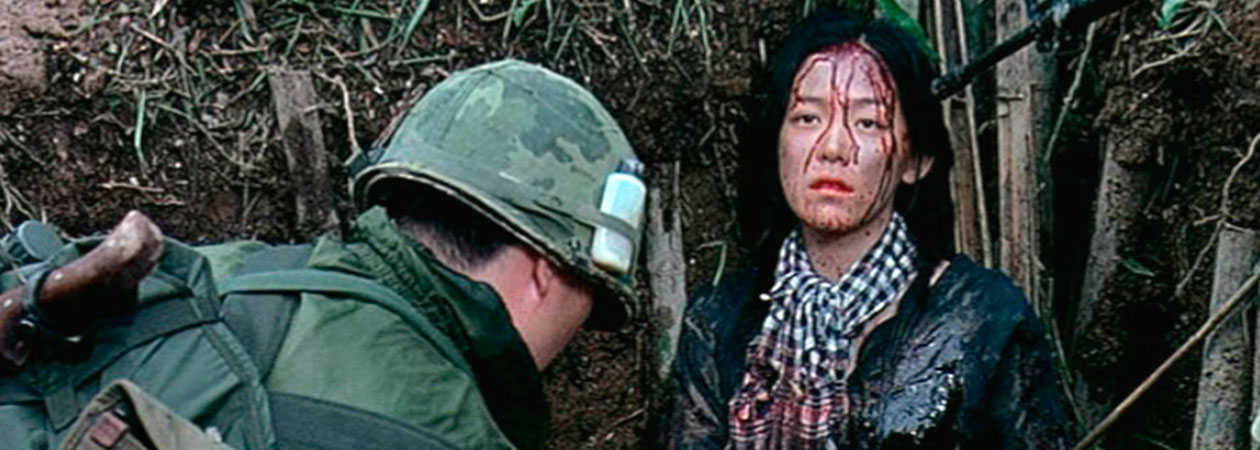
There is also plenty of blood, screaming, and suggestive music constantly reminding us that the characters will sooner or later die. Nor is the familiar war-movie motif missing, when one soldier shows another a photograph of his wife and child. What awaits him, any reasonably informed viewer already knows.
Su-chang Kong lays all his cards on the table right from the beginning, because from the very first seconds we know that radio calls for help are coming from the area known as R-Point. There would be nothing strange about this if not for the fact that the voices belong to soldiers who died many weeks earlier, and whose dog tags, collected by their commander (the sole survivor), were brought back from Vietnam to their home unit. The characters themselves also quickly begin speaking openly about the haunting of R-Point, and the film begins to resemble the dramatic solutions known from The Others or The Sixth Sense.
Despite the fact that the director leaves no major surprises for the very end, the film maintains tension superbly, draws the viewer in, and does not let go, although (unfortunately) a few slow stretches appear in this 106-minute picture. For fans of on-screen mayhem — and in contrast to the atmosphere of frightening nothing happening — two extremely dynamic shooting sequences have been placed in R-Point. Particularly noteworthy is the nervously shot firefight near the end of the film, when the camera makes a smooth circular move around a character being torn apart by rifle bullets.
The descriptions above may seem to reveal a great deal about the plot and structure of R-Point, yet (paradoxically) the film uses familiar patterns and dramatic devices only to slip away from them to such an extent that watching it after such an introduction may prove even more interesting, because even knowing what to expect… you will still be surprised by the entire film.
While R-Point is not strictly a war film, using only a Vietnam setting to tell a ghost story, another made in South Korea production titled Brotherhood of War — a superproduction made in the style of Saving Private Ryan (and — believe it or not — surpassing Steven Spielberg’s work in terms of craftsmanship in several moments), an epic running 140 minutes — is already top-tier war cinema.
Let R-Point, then, be an intimate introduction to the grand war spectacle Brotherhood of War and the beginning of an adventure with South Korean cinema — if any of you have not yet become acquainted with this remarkable film industry.