
Review
WE CHILDREN FROM BAHNHOF ZOO: Plush Rebellion
We Children from Bahnhof Zoo. Instead of filth there is plush, instead of pessimism – sad-sack commercialism. The path of least resistance.


If young people are looking for stories with protagonists they could identify with, and from whose fates they could learn a few secrets about the hardships of life, then they definitely should not reach for the latest version of We Children from Bahnhof Zoo.
Before I proceed to review the series, I must set myself the field of operation: since I am not bound by any sentimental baggage with the book on which the eight-episode production was based, and since at a later stage I will refer to the film made in 1981, in this text I will focus only on the series. There will be no comparisons, no searching for similarities and differences between these three cultural texts.
I treat the series as an autonomous work detached from its roots, especially since the creators, through the use of a specific aesthetic, clearly inscribe themselves in a completely different trend, style, and subject matter than the literary original.
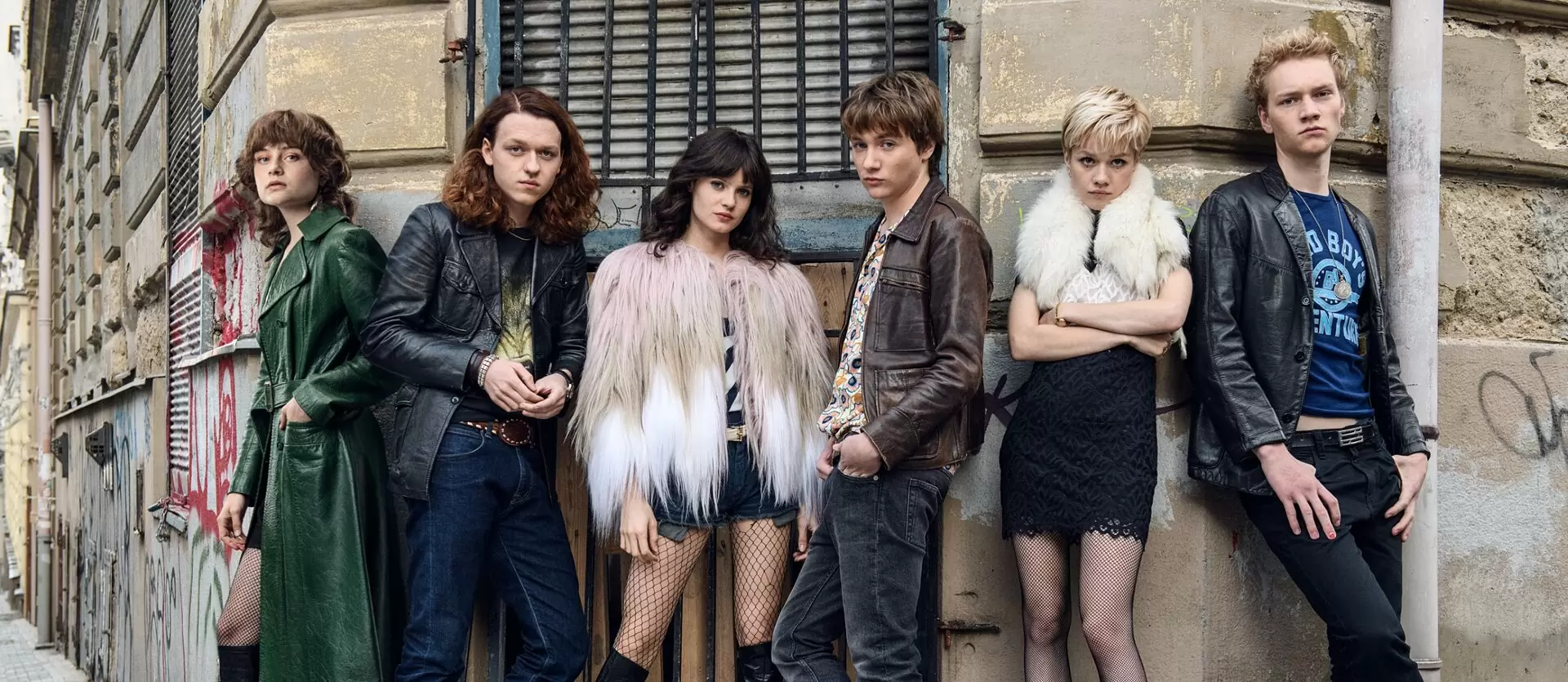
Since We Children from Bahnhof Zoo of 2021 was meant to be a modern reinterpretation of certain threads taken up years ago, it will be treated as such – as an entirely new story. The German proposal surprises from the very beginning. The fates of six friends from different social classes are presented in a chaotic manner, the image is saturated with vivid colors, and in key moments the creators throw in modern songs as emotional bridges between kids of the 1970s and contemporary viewers. It is supposed to be dynamic and spectacular, but over time it turns out to be very derivative – a similar aesthetic is exploited to exhaustion by productions from Netflix and HBO.
On paper, the subject matter tackled by the Germans is controversial: here are underage individuals in pursuit of hedonistic pleasures, surrendering themselves to the arms of drug addiction, and since at a certain point they lack money for further doses and the addiction does not let them forget about it, they go out onto the streets to sell their bodies to older men. At first, stimulants serve them as an escape from Berlin’s drabness, authoritarian parents, boring school, and lack of professional prospects, but later they become fuel without which they are unable to function in any way.
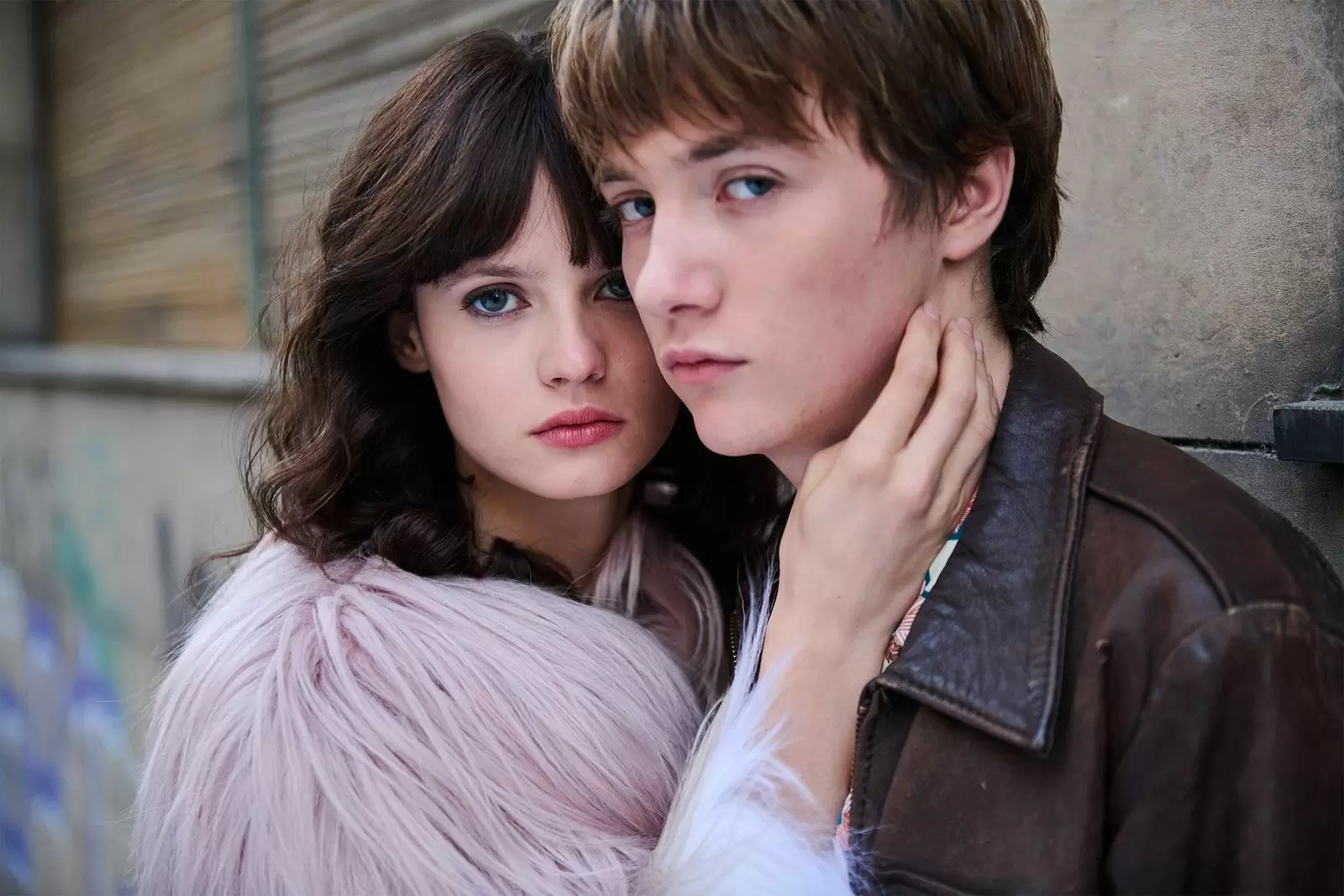
Of course, the most time the screenwriters devote to Christiane (Jana McKinnon), her search for love, coping with the growing rift between mother and father, and finally – transforming from a quiet girl into a boldly dressed teenager. The rest of the friends already come off as less interesting, the creators do not really engage in a deeper presentation of their psychology and motivations. Only Stella (Lena Urzendowsky) deserves attention, for reasons I will write about at the end of the text.
For now it remains to be said that the differences between the protagonists are rarely perceptible, even though there is mention of different backgrounds and approaches to reality.
Viewing successive episodes of We Children from Bahnhof Zoo evokes, probably unintentionally, a sense of dissonance that cannot be shaken off until the very last minute of the series. The screenwriters serve up a cocktail of spectacular parties that supposedly are meant to testify to escapist fleeing from adulthood. They show the effects of drug use, but never do it literally, as if certain images might spark controversy.
On the one hand, underage prostitution is mentioned, but it is almost never shown, the series in fact is almost entirely devoid of sex scenes, yet in other respects the protagonists are treated like adults.

Teenagers smoke cigarettes in front of parents and on the street, they dress provocatively even for school, and adults never direct any remarks at them because of it. Admittedly, I have never lived in Berlin, especially more than 40 years ago, but I did live in Warsaw at the beginning of the 21st century, and I know that back then such behavior would immediately have been stigmatized by elders. Young people hid wherever they could with smoking cigarettes, while the protagonists of the German production stroll through Berlin without any problem, not only at the titular station, indeed, they even blow smoke into their parents’ faces, and the parents see nothing wrong in it.
It would not be a problem if this discord arose only in the above-mentioned aspect. The point is that the screenwriters in many moments take a reckless approach to the principles of plausibility in the represented world. The protagonists are poor, but they wear clothes as if from chain store clothing ads. They rebel, but it is not always clear against what. I have the impression that We Children from Bahnhof Zoo is a plush-rebellious story of the Instagram era, when talking about all sorts of pathologies is the order of the day, but one cannot show too much lest anyone be offended.

Watching is meant to be pleasurable, even perversely so, not a bone stuck in the throat putting one in a bad mood. The German series is not any aberration or avant-garde, but fits perfectly into the mainstream trend of attracting viewers to a screening with controversial topics while simultaneously presenting them in a delicate way so as not to cause scandal.
The result is the creation of a colorful, visually attractive picture, for which there is no counterbalance in the form of a drastic warning against the consequences of reaching for drugs. By the way, this is best seen in the way David Bowie’s name is used in this production.
Whereas for a certain generation Bowie was the spark of rebellion against the bourgeois lifestyle, in the 21st-century series his name is only a faded emblem, a catchword from which nothing follows, for in the scene of the trip to his concert, the music does not matter at all, and the dynamically and attractively edited escape of the protagonists from the security guards comes to the fore. With the exception of one episode, the screenwriters conclude the developed threads in a rather comically disgusting way, especially in the context of the fate of the aforementioned Stella.
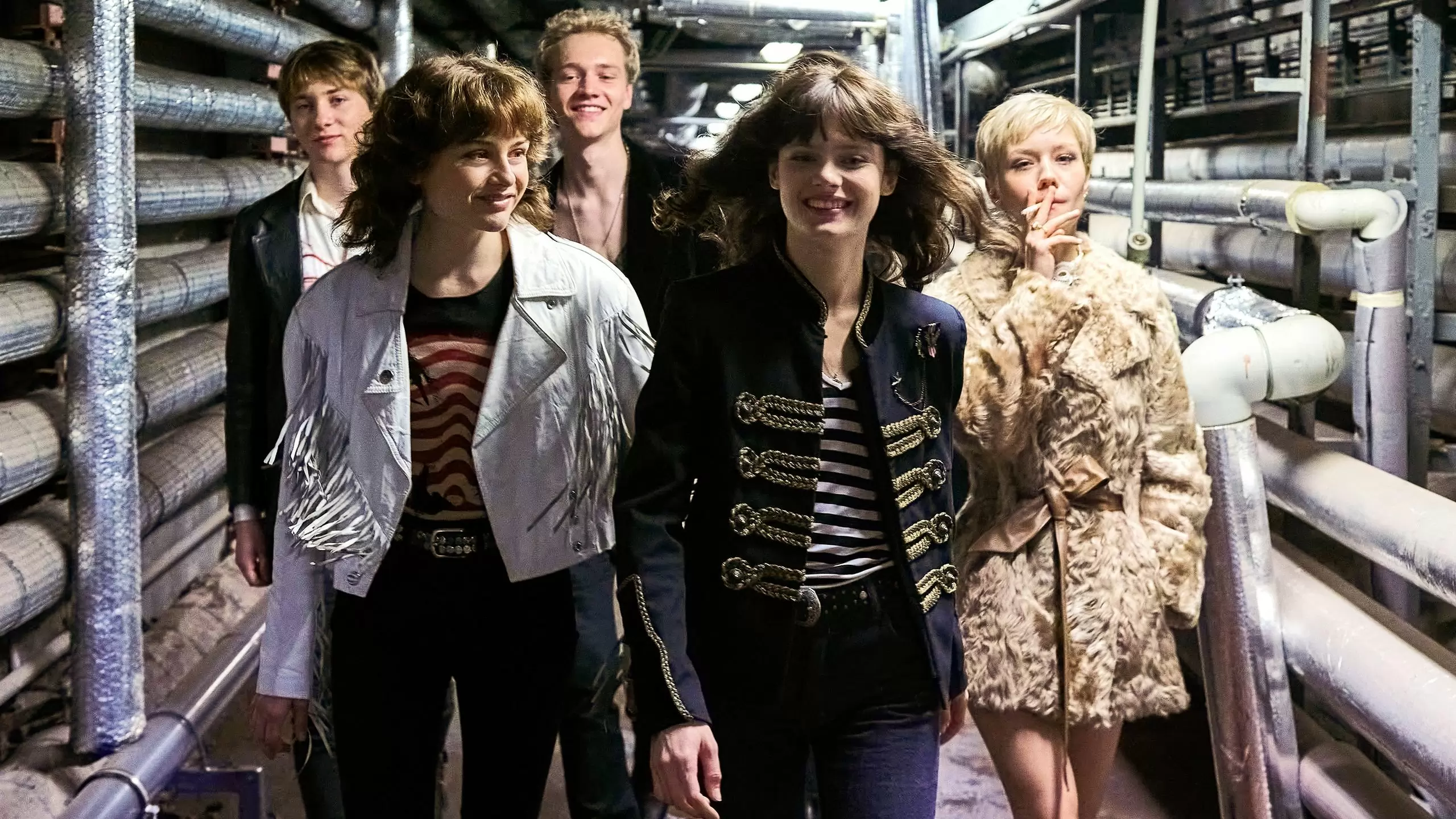
Here, the girl first exploited by the mustached owner of a pet store ends up on the street, where she prostitutes herself for little money, until she finally lands in prison.
There she becomes a feminist, learns why the proletariat is an oppressed class, and then becomes a neoliberal madam profiting from the prostitution of other minors. It is not the character’s development itself that is amusing, more the fact that the creators in no way comment on it, do not provide the necessary footnote, but leave it to the viewer’s judgment, which supposedly is a good move, but in the context of the colorful anarcho-bling aesthetic they employ – extremely risky and unnecessary.
Instead of filth there is plush, instead of pessimism – sad-sack commercialism. The screenwriters of We Children from Bahnhof Zoo follow the path of least resistance, serving depressing topics in an attractive way, but in this kind of mirror today a young person has no right to see themselves in any way. Since there was no attempt to understand why the protagonists decided to escape from everyday life, only parties and drugs remain on the screen. For sexual exploitation, so important in the context of the plot, has been relegated to the margins, if only to avoid giving anyone painful memories from the screening.

