
Review
BEFORE THE DEVIL KNOWS YOU’RE DEAD. A Haunting Thriller
This isn’t a film for everyone. Before the Devil Knows You’re Dead does not soften reality for our comfort—it confronts us with its darkest face.

Before I start writing about Before the Devil Knows You’re Dead, I have to admit to a certain ignorance. Namely, a significant portion of the so-called “Golden Age of Hollywood” (roughly from the late 1920s and the advent of talkies until the 1960s) tends to irritate me with its theatricality, outdated and often incomprehensible themes from today’s perspective, and most of all, the puritanical Hays Code, which censored nearly every aspect of film. It banned the discussion of numerous topics, such as drug addiction—out of fear it would corrupt young viewers—and even limited on-screen kisses to no more than a few seconds. Only a few titles from that era, thanks to the genius of their creators, managed to rise above those repressive constraints and truly express themselves artistically. One such film is 12 Angry Men, directed by Sidney Lumet in 1957. A courtroom drama that unfolds entirely in a single room during a jury’s deliberation, it never becomes dull despite its spatial limitations. The film’s greatest strength lies in Lumet’s ability to capture the full spectrum of human behavior—our virtues, flaws, temperaments, and contradictions.
As we know all too well, these qualities are universal and have been repeating for thousands of years.  In the decades that followed, Sidney Lumet established himself as a sharp observer and deep student of human nature—particularly its darker side—often offering true psychological portraits of his characters.
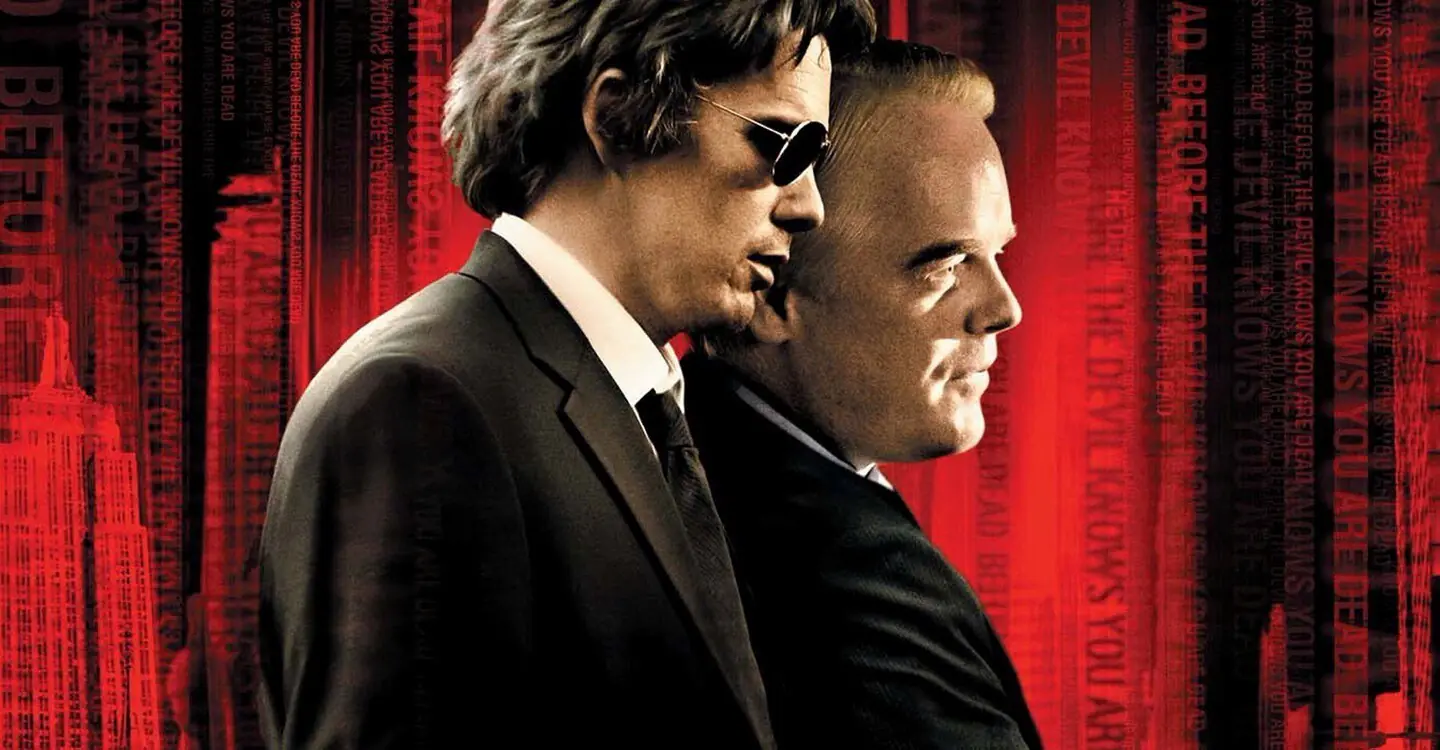
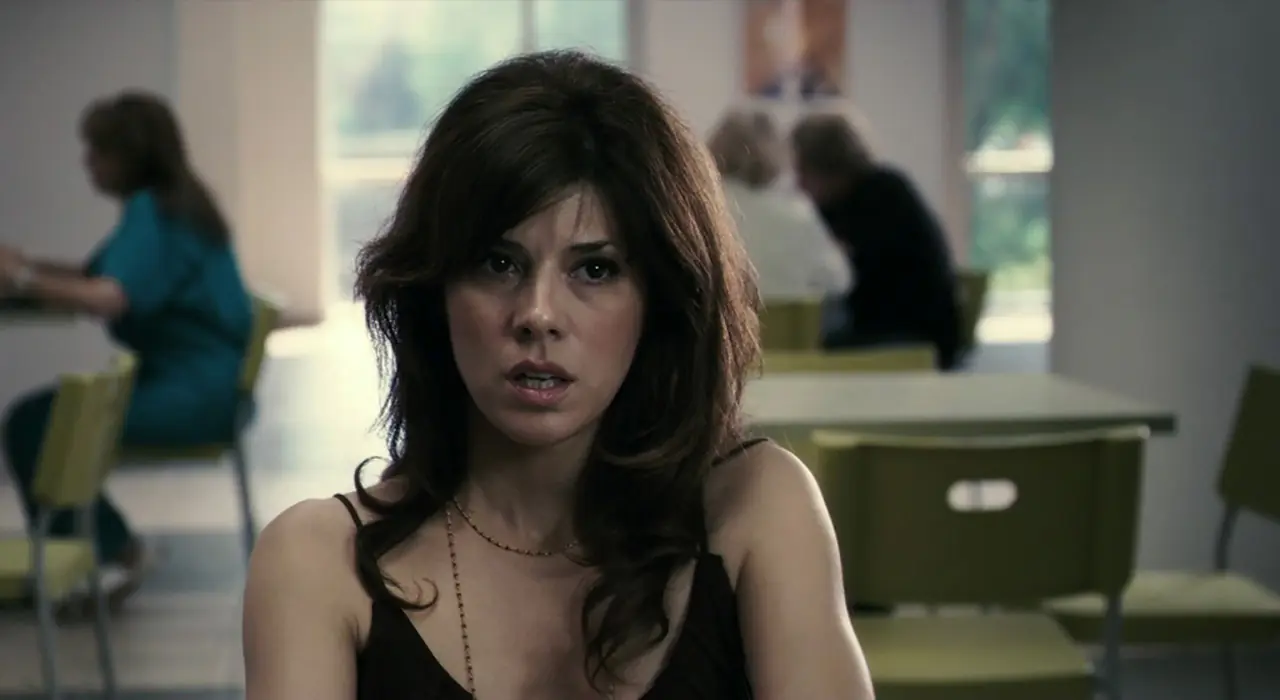
Serpico and Dog Day Afternoon are titles that need no introduction to any serious cinephile. In 2007, this master filmmaker once again took us on a gripping journey into the darkest corners of the human psyche. One of the first scenes in Before the Devil Knows You’re Dead shows a failed jewelry store robbery. We soon learn that the masterminds behind the crime are two brothers—fortysomething New Yorkers Andrew “Andy” Hanson (Philip Seymour Hoffman) and Henry “Hank” Hanson (Ethan Hawke). Andy, married to the beautiful but weary Gina (played by the eternally stunning Marisa Tomei), hides a double life: he’s not only a respected accountant but also a drug addict and financial embezzler—an emotionally distant introvert, consumed by self-interest.
Hank, on the other hand, is a divorced loser drowning his misery in alcohol, constantly broke, and pitifully transparent in his shortcomings. At Andy’s instigation, they decide to start over. Their solution: a large cash grab—something both are in desperate need of. Their plan is devilishly twisted—they choose as their target the jewelry store owned by their own parents. 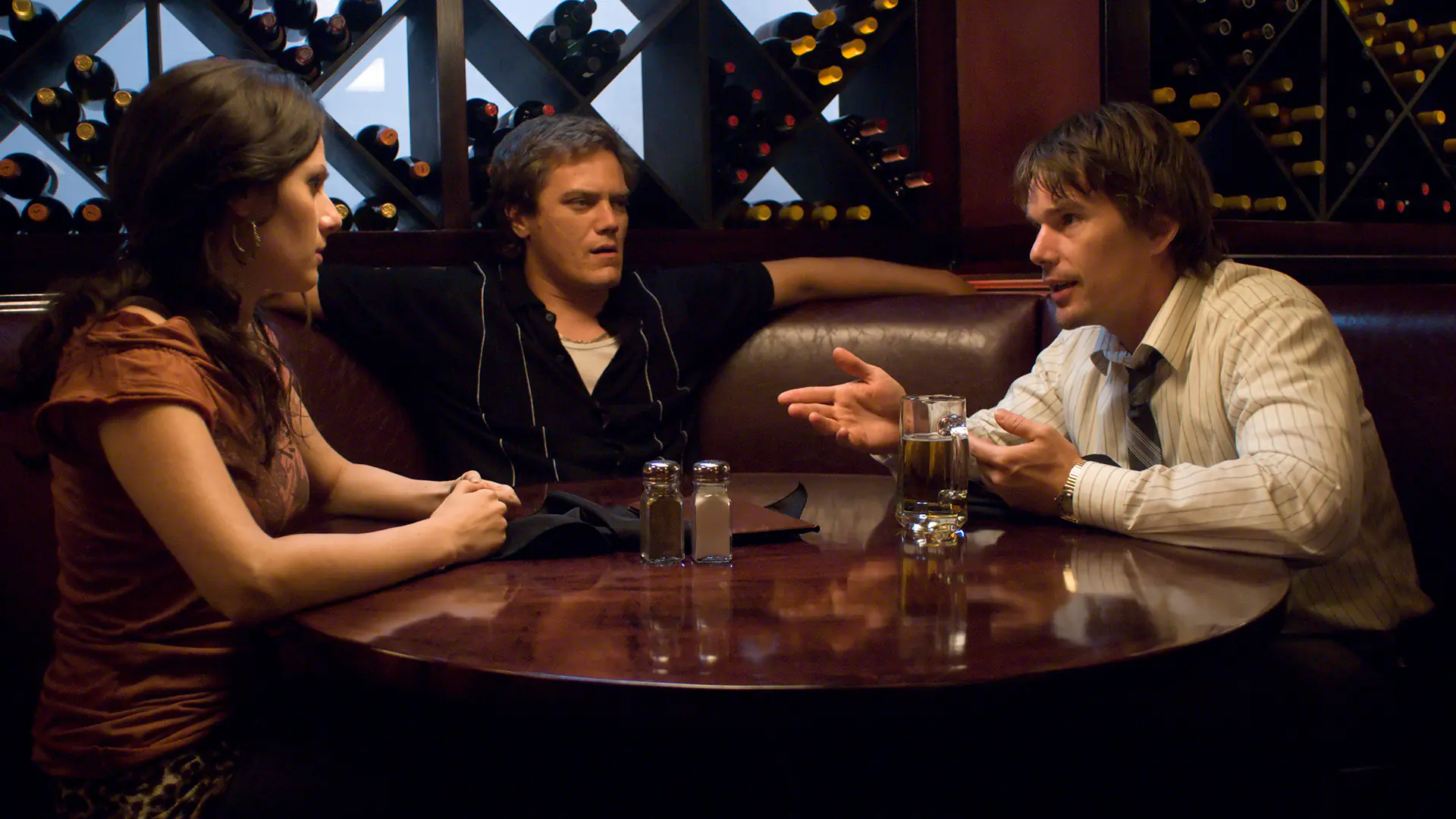 During the botched heist, due to a series of unfortunate events, their mother is shot. This vile act sets off a chain of events that spirals out of their control.
Through flashbacks, we see what led the brothers to this decision, how they planned the heist, and later, the unexpected consequences of their actions. Lumet crafted a brilliant film in the tradition of the best neo-noir, a blend of crime and psychological drama. Its deliberate pacing sets it apart from modern thrillers, and its tone and aesthetic evoke the serious, character-driven thrillers of the 1970s. The cast is excellent, with veterans like Amy Ryan and Albert Finney portraying the brothers’ parents.
Technically, the film is flawless—but don’t expect a barrage of action scenes or a visual spectacle. That’s not where the film’s strength lies. What’s truly chilling is how real these characters feel—how close to our own world they are. The oppressive, evocative atmosphere conveys a disturbing portrait of people who, overcome by desires and weaknesses, get caught in a trap from which they try to escape, all the while inching further across the line between good and evil. Ultimately, the director leaves us with a somber conclusion: a person under pressure becomes like a wild animal—moral brakes vanish, ideals and the values of Judeo-Christian civilization, shaped over centuries, are cast aside, and survival becomes the only goal, driven by primal instinct.
 To make matters worse, another powerful force pushing people toward extreme actions is rage and the desire for revenge—stronger even than familial bonds, which we tend to think of as indelible. We witness a small slice of contemporary America. The director paints a disturbing picture of the middle class and, most notably, of the family—the basic unit of society—and its fragile foundations. This isn’t a film for everyone. It may be unsettling precisely because, at times, we may recognize pieces of ourselves in these characters.
Before the Devil Knows You’re Dead does not soften reality for our comfort—it confronts us with its darkest face. The film is perfectly summed up by a line from one of its minor characters, an aging fence with a murky past: “The world’s an evil place. Some people make money from it, others get destroyed.”

