
Review
THE TRADER. Welcome to the Georgian countryside
In a sense it is precisely about dreams that The Trader is, a film recognized at the largest independent film festival in the United States.

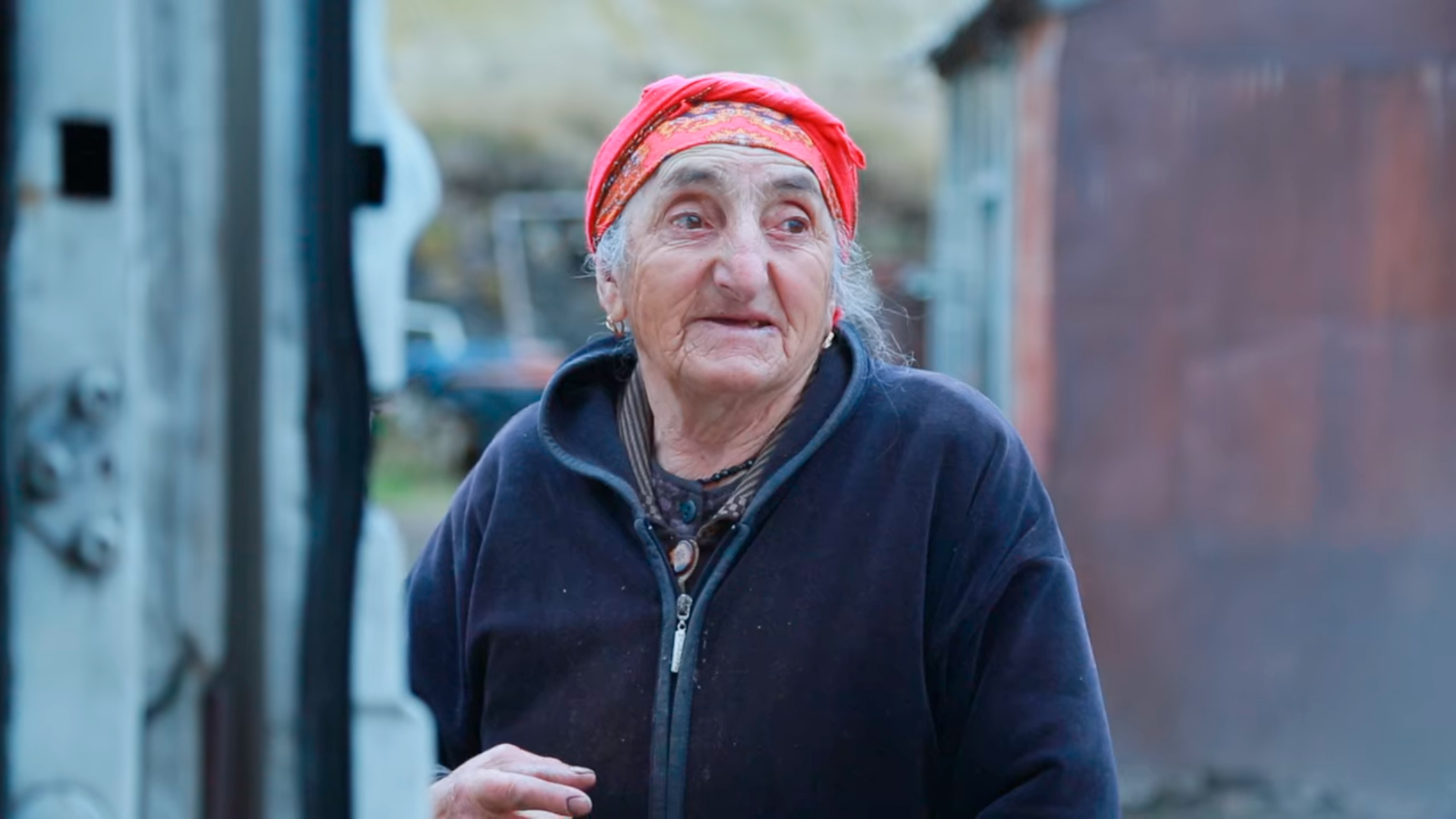
Welcome to the Georgian countryside, where life follows its own rhythm, people pay little heed to the march of civilization, and potatoes are a more reliable currency than money. In a nutshell, this is the reality portrayed by Tamta Gabrichidze in The Trader (Sovdagari) available on Netflix.
The name Gabrichidze likely won’t ring any bells (there was once a tennis player by that name, but he never conquered the ATP rankings), though that may soon change. For now, its bearer must be content with success in Georgia’s television industry, where for nearly a decade she has been honing her craft in various film-production roles, without abandoning her dreams of a major career—and in a sense it is precisely about dreams that The Trader is, a film recognized at the largest independent film festival in the United States.
Winning the award for Best Short Documentary at Sundance doesn’t happen by accident. The Georgian filmmaker chose a subject bound to resonate with Western audiences—and that always helps put a creator’s name on the map. It’s hard not to feel that the villages she visits resemble the opening scenes of Borat: Cultural Learnings of America for Make Benefit Glorious Nation of Kazakhstan—with the crucial difference that we’re not watching a comedy, but a documentary about the hardships of life in post-Soviet republics.
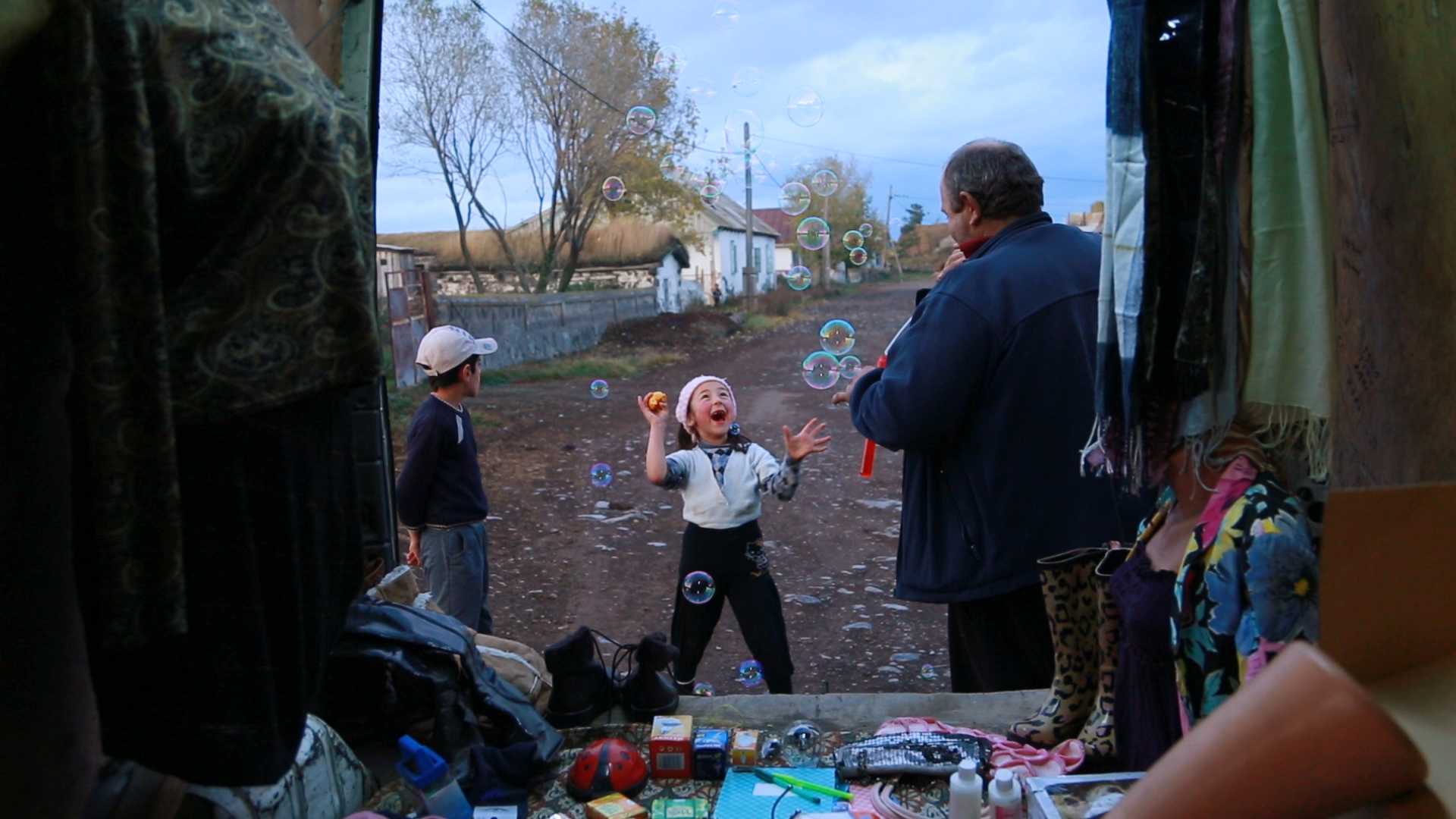
Before Tamta Gabrichidze takes us on a journey that brushes up against magical realism, we meet Gela—the titular trader. At first we accompany him to a second-hand shop, where he hunts for all manner of everyday items and clothing; then, together with him and his goods, we squeeze into a well-worn delivery van and head far beyond the borders of Tbilisi. In this way, we get to explore the peripheries of Georgian civilization. The man travels to the countryside, which serves both as his market and as part of a larger trading operation.

In making The Trader, the Georgian director employs several different narrative techniques. Static (and very beautiful) shots of even the ugliest residential and farm buildings—against which the film’s characters move—carry something deeply affecting and significantly elevate the film’s artistic level, though they are a rarity amid the handheld, shaky footage. Roaming with the camera among the inhabitants of the visited villages, eavesdropping on their conversations, and seemingly unobtrusively documenting transactions also blends with moments when these ordinary people clearly feel uneasy, focusing more on the camera’s eye than on their conversation with Gela. The whole is further supplemented by talking-head segments and even moments when the filmmaker questions those she meets about their situation, aspirations, and dreams.
This apparent dissonance is likely noticeable because we’re dealing with a short form, which makes abrupt shifts in narrative mode more visible—perhaps even giving an impression of inconsistency or hasty editing—but it is precisely the content achieved through these means that constitutes the strength of The Trader.

The mention of magical realism is not in the least exaggerated here—all these ordinary people, whose daily rhythm is dictated solely by routine chores, crop cultivation, and tending livestock, live on the boundary between worlds—here and now intermingles with there and then. One might even feel that despite the titular role, over the course of a little more than twenty minutes through the Georgian countryside Gela functions merely as a guide, stepping aside for the film’s true protagonists—people who exist in conditions unimaginable to many, yet are, in their own way, content with life. They ask for nothing, take pleasure in small things, sometimes only regretting that they didn’t leave in their youth or pursue higher education, condemning themselves to an eternal existence in this suspended-in-time land.
But even if the regular visits of this eccentric traveling salesman are the poor, closed community’s sole link to civilization, is their life in any way worse? How does their hard labor in the fields really differ from Gela’s constant shuttling between their village—where he trades cheap goods for potatoes—and the marketplace, where he cashes in the “earned” agricultural produce?

