
Review
UNITED 93. The viewer becomes a participant

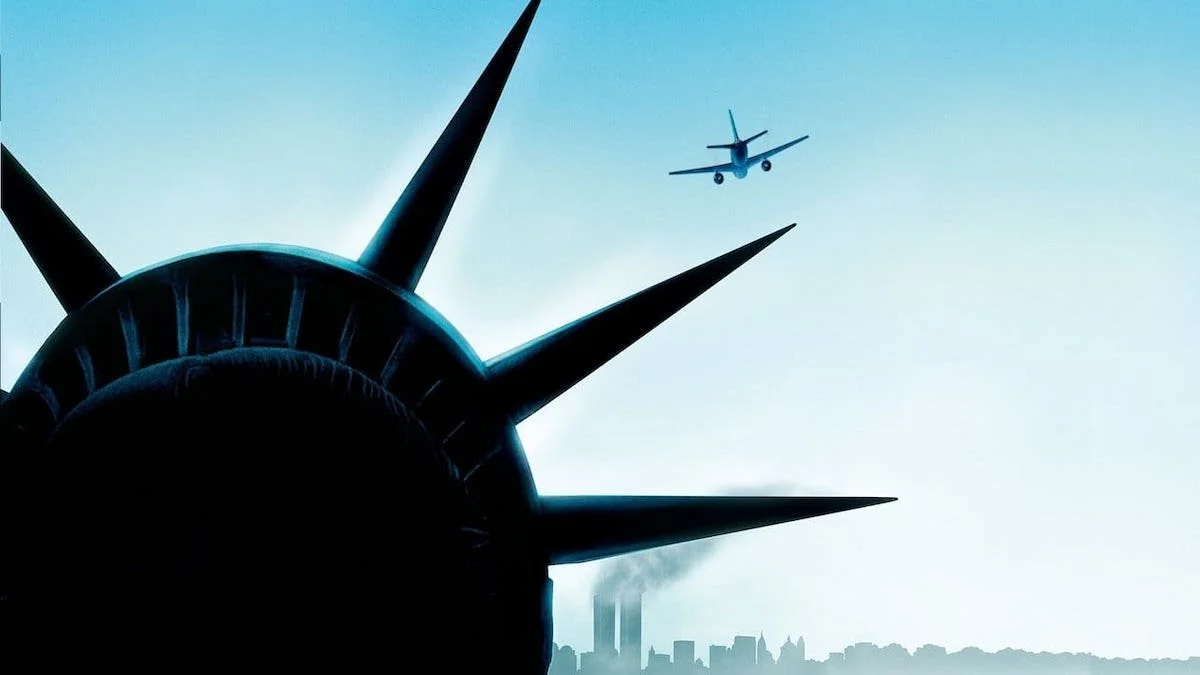
First, there is prayer, then a short, restrained: “It’s time.” United 93 heads for Newark. A new day is rising, and in a random mirror there’s a reflection of Manhattan, its proud World Trade Center towers piercing the cloudless sky. A column of yellow taxis, travelers pulling wheeled bags. Baggage check, passport control. Items for the cabin are inspected. The waiting hall, someone still eating, someone chatting.
One man, pretending now to be a stranger to his companion, is visibly nervous. Nothing sets him apart from the crowd except the anxiety written on his face. He looks like an intellectual: glasses, neatly combed hair, elegant shirt. He steals glances at the man sitting next to him. He knows what he will soon have to do.
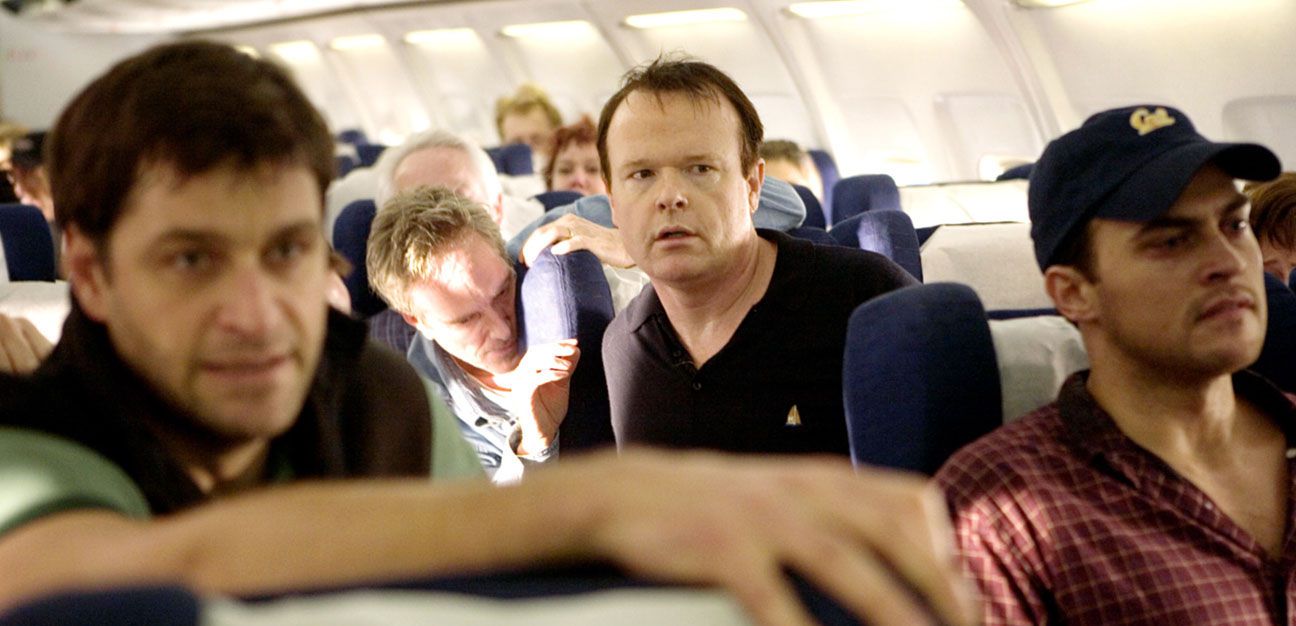
Elsewhere at the airport, flight attendants greet each other, pilots meet. We see gallons of reserve fuel, planes taxiing on the runway. An ordinary day. No special date—just mid-September. A regular morning at an airport, like hundreds or thousands before it. No one notices the young man in glasses, so nervous before the flight. His problem. Nor do they notice three other young men, one in a polo shirt who looks barely out of boyhood.
Their faces blend into the crowd. Anyone who has ever flown knows the boredom of the line at security, the cold eyes of guards ordering phones, watches, coins removed. Knows the “NO SMOKING” and “TURN OFF PHONES” signs, the “FASTEN SEATBELT” light, the expression of the stewardess monotonously explaining what to do if cabin pressure drops—an expression that says: “I know no one’s listening, and when it happens, a third of you will scream: WHERE IS THE MASK?!” Routine. Buckle up, blah, blah, blah.

We know how this ordinary morning will end. And yet we follow flight attendants announcing United Airlines Flight 93 will be delayed. Against the rules, we switch on discmen, chat, flip through papers. One stewardess remarks: “I like flights like this. Not too many passengers” (who would think it’s no coincidence?). Everything seems under control. Routine. Soon we’ll take off. Most travelers are already mentally far from New York, in San Francisco. They doze in seats, they read.
Only the man in the first row of business class keeps fidgeting. It’s time. On the ground, words are spoken: “We probably have a hijacked plane, American Airlines 11.” When was the last hijacking? 1990? ’91? It’s unpleasant, but it will be all right. Chaos is still coming. For now, hijacking is discussed calmly, because what could really happen in the middle of America, to American planes under constant control? Even the pilots of United 93, later warned someone might try to breach the cockpit, will shrug—even as they learn two planes have struck the Twin Towers, the very towers visible from New Jersey that morning.
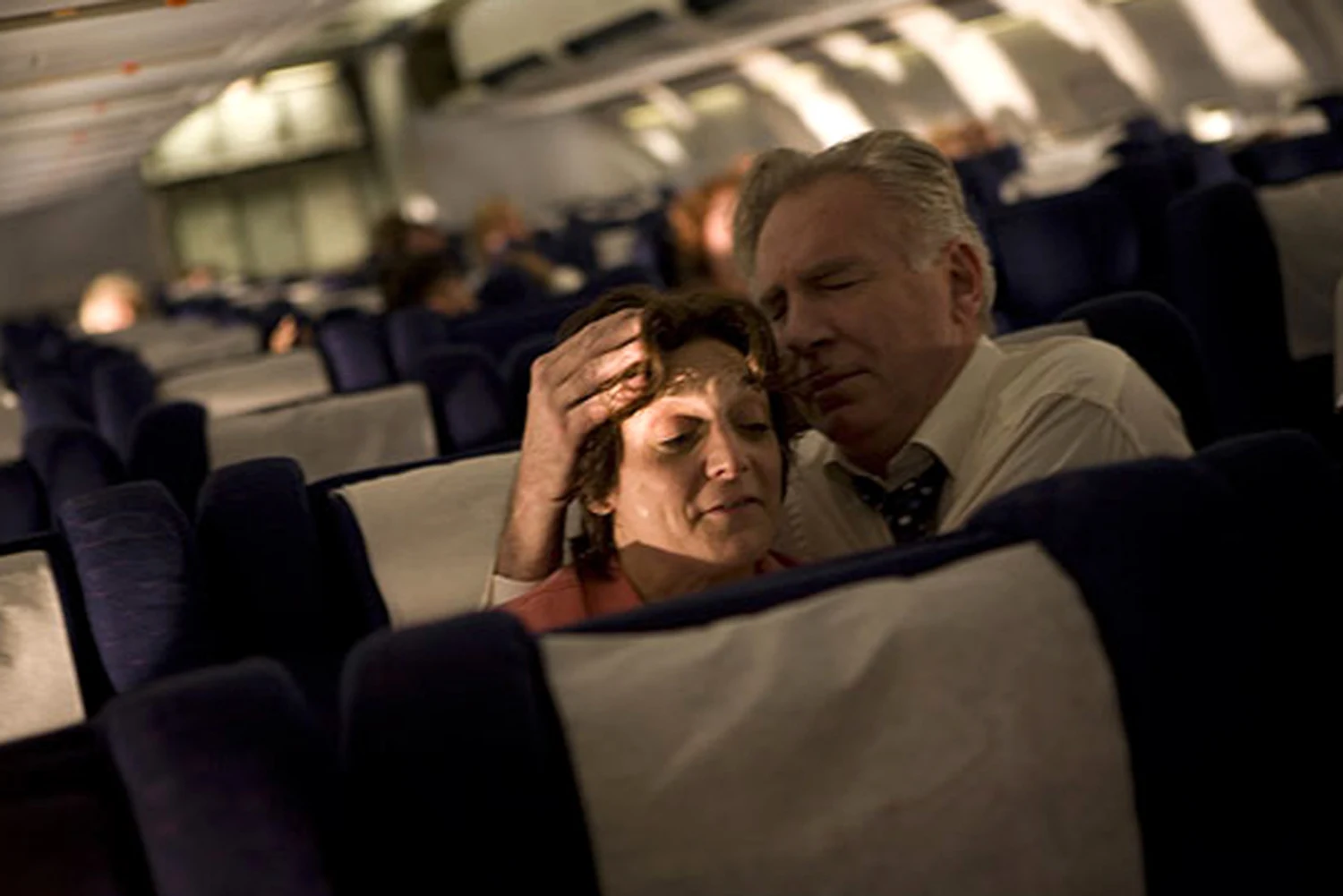
Panic slowly replaces unease. “How could he not see those towers?” someone asks, “visibility is perfect.” Faces twist in shock as the second plane hits the South Tower. Even a cry of “Where’s Superman?” would not seem absurd. Ladies and gentlemen: helplessness. Nearly 4,500 planes in the air, each watched nervously for a deviation from course. “Scramble fighters!” We know it’s futile. Quietly, so does everyone else, though no one grasps the scale yet. And unbelievably, there are still people living in another world.
The moment before awakening: reading a paper over breakfast, a nap in a reclined seat. A man from the last row of business class takes a bag and heads to the restroom. Flight attendants smile at passengers. An ordinary flight. Another world. Pilots dismiss warnings. Chaos is moments away. Shouts will erupt, panic, someone yelling: “They killed a man in business class!” Phones across America will ring: “I love you,” “Tell her I love her,” “Honey, I think we’ve been hijacked.” Then: “The WTC is falling?” “No, my wife says the Pentagon was hit.” Two hijackers “visit” the cockpit, two others drive passengers to the back.
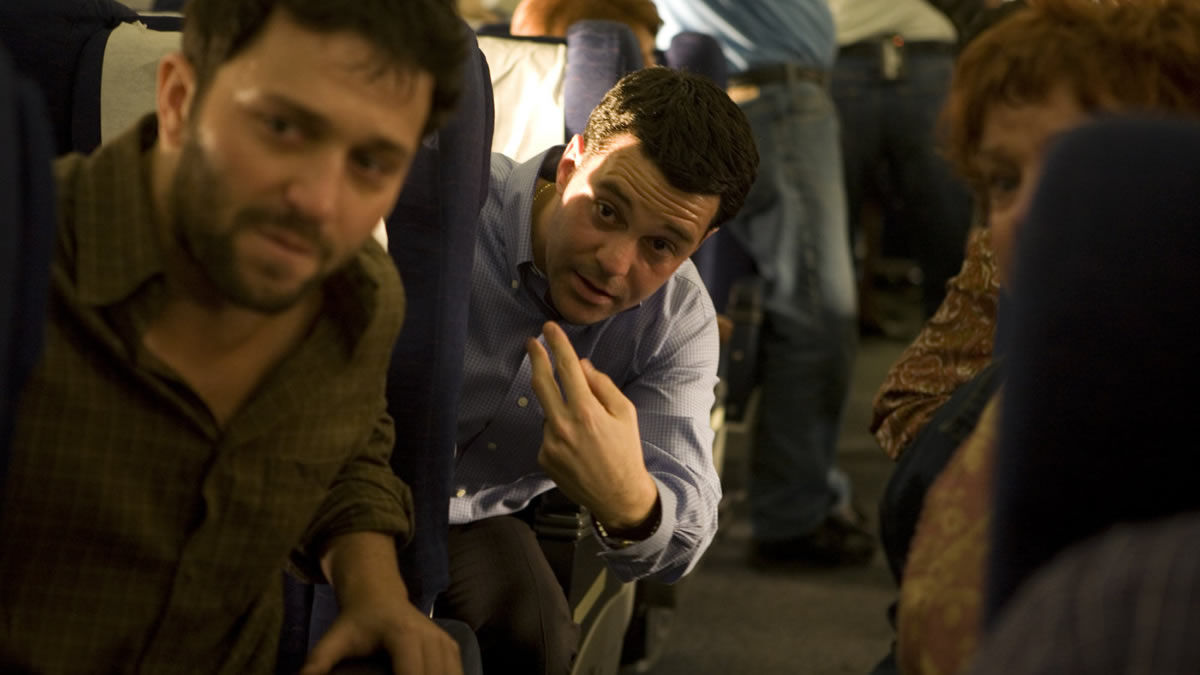
The camera shakes—Paul Greengrass makes us another passenger on United 93.
Here are the heroes: people whose names we’ll never know. It’s an airplane, no one befriends anyone, total anonymity. Flight attendants like parts of the décor, moving elements of the cabin—smiling, sometimes alluring, but not quite human, as alien as the breakfast rolls. Suddenly we stand on the same side. They stop smiling and start crying. From décor they become real women. In the eyes of our seatmate we see the same terror filling us. We’re here by chance, we could have booked another ticket, flown a day earlier or hours later. But this is not the place for such philosophy.
We huddle at the back, catching fragments of others’ words, maybe sharing our own. And rebellion is born. Rebellion and immense heroism—though that word never crosses our minds, for we know we will soon die. A shadow of hope enters, human solidarity slipping among strange faces. Without speeches of honor or threats to the United States. Just the Grim Reaper, in the form of four young men as scared as we are—perhaps more. We don’t ask why, or whether it makes sense.
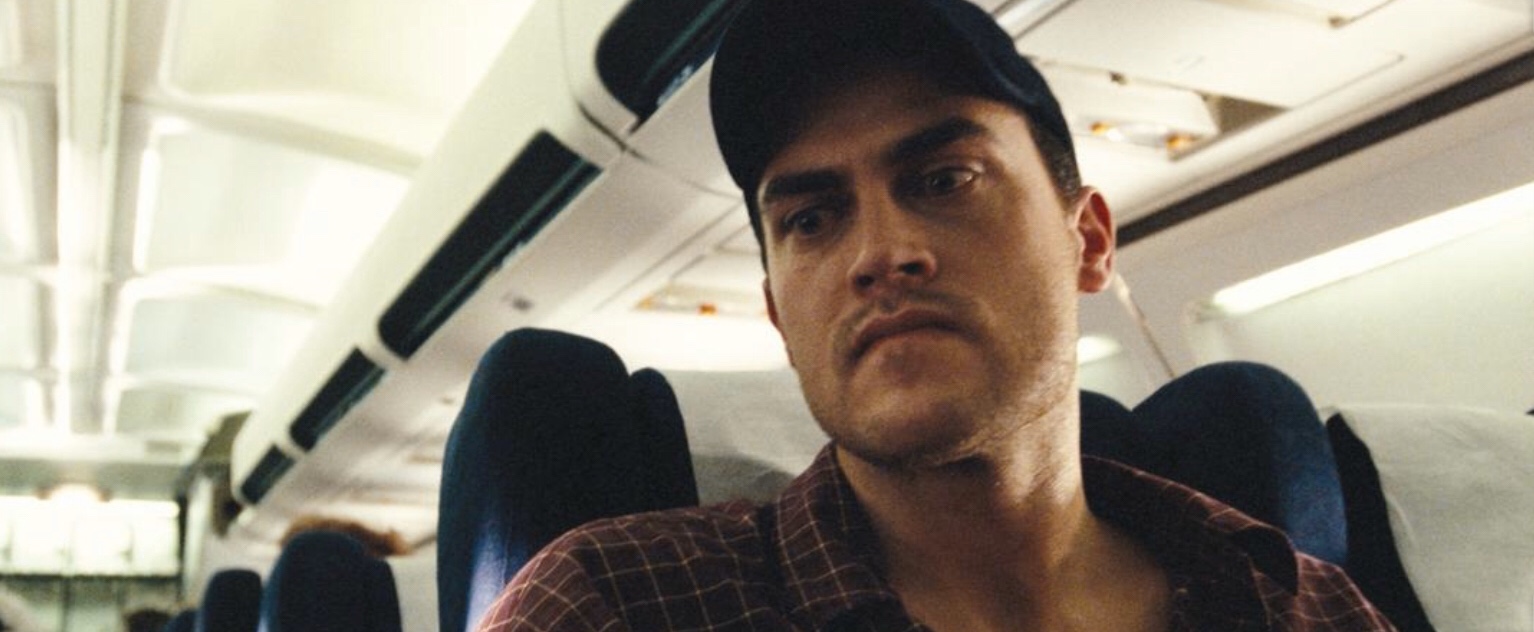
We only know they can be stopped. No calculations: WTC hit, Pentagon hit—where are we heading? The White House? The Capitol? No time. We must act. With what? Forks? “Anything,” someone says, “anything.” Such is adrenaline and conviction. A middle-aged man says he’s a pilot. Another worked ground control. Hope. Hope against unthinkable terror. We pray. So do the hijackers. The plane dives. Screams, panic. But something must be done.
“We’ll do it.” People die in wars, in accidents—leave home and you may be crushed by a brick. But that’s no reason to surrender. Death waits every minute of life. One can still believe something will succeed. Bad luck is hard to outrun, yet even in the darkest doubt, a spark of hope must be allowed. Relief comes when the bomb proves fake. We cheer like children. A moment longer. A few seconds. What’s happening? A few seconds.
The documentary style makes United 93 one of those rare and valuable films where the viewer becomes a participant. A drama, made heavier for being true—truth we all know, including the ending, though we almost forget it. Is it important what purse a passenger carried? What the hijackers wore? Greengrass cared for every detail. The film was made in close cooperation with “9/11 Families,” who provided seemingly trivial information about passengers. It’s more than artistic precision, more than tribute to the dead.
We may never know how accurate the reconstruction is. How much of the events between 9:58 and 10:03 a.m. really happened that way? As a viewer, I can’t say if this is simply a very good film, or something greater, bound for history. Greengrass, by not isolating individuals, not making “heroes” of the passengers, paradoxically throws us into the heart of the tragedy. He shows, but does not judge. The questions, we must ask ourselves.

