
Review
BAD TIMES AT THE EL ROYALE. Suspensful Cinema
Bad Times at the El Royale remains a remarkably stylish, suspenseful piece of cinema—one that offers the audience far more than mere entertainment.


The 1960s and 1970s occupy a singular place in the history of the United States. It was during this period that John Fitzgerald Kennedy was assassinated, the Vietnam War reached its peak, the anti-war hippie movement gained momentum, Charles Manson spread terror across Hollywood, and the Watergate scandal ultimately forced Richard Nixon to resign from office. Bad Times at the El Royale refers to all of these events, either directly or indirectly, while at the same time offering the viewer over two hours of edge-of-the-seat cinema.
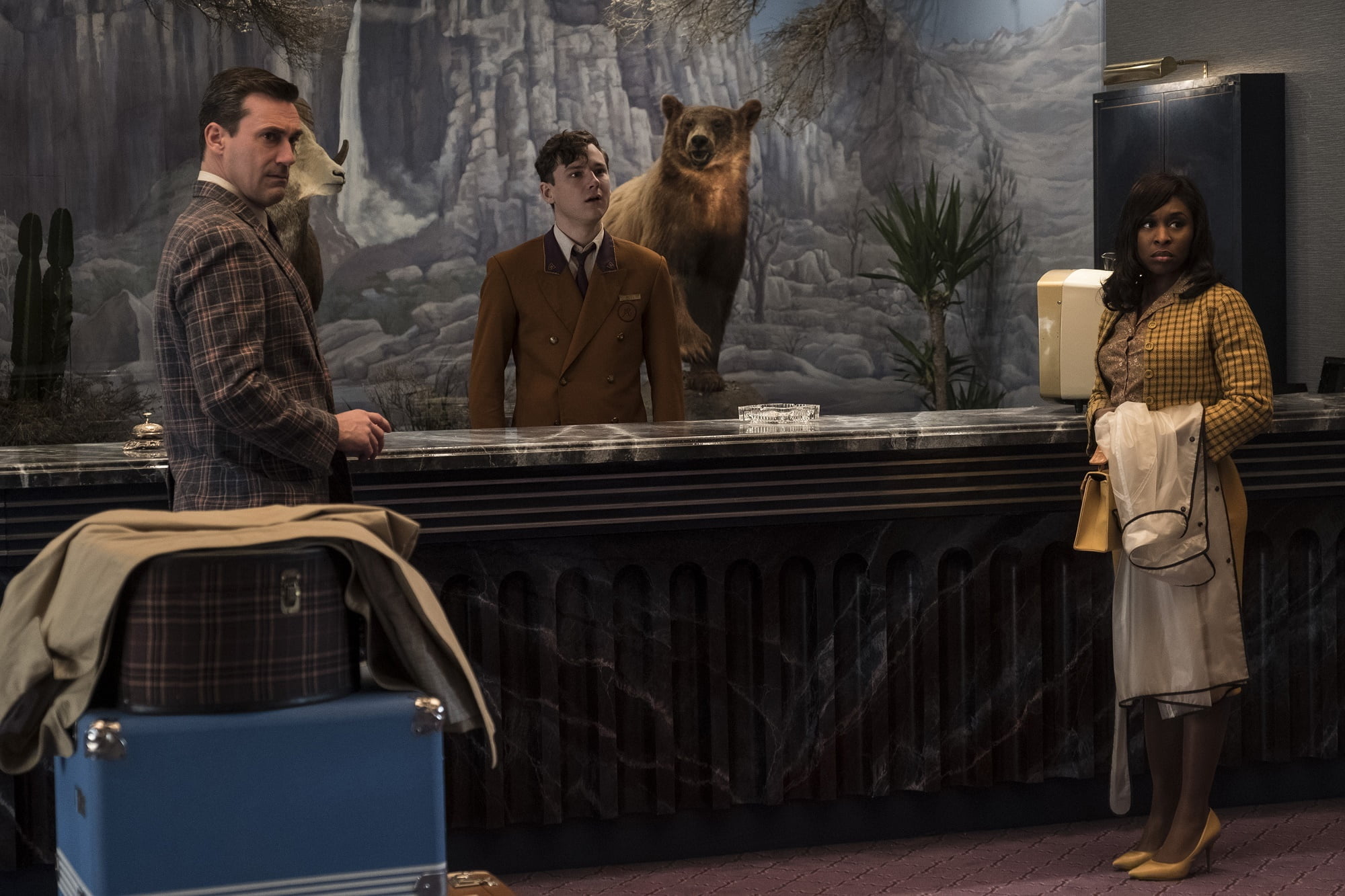
As is often the case, everything begins rather innocently. Four radically different characters arrive at the El Royale hotel—located on the border between two states and long past its glory days—at various intervals: an aging priest, an unfulfilled singer, a vacuum cleaner salesman, and a young, enigmatic woman. Each rents a room and then goes their separate ways. It soon becomes clear that almost none of them are who they claim to be, and that the hotel itself conceals a dark secret—one whose exposure could prove damaging to many powerful figures. Before long, the first shots are fired, and the number of guests begins to dwindle rapidly.
Performances
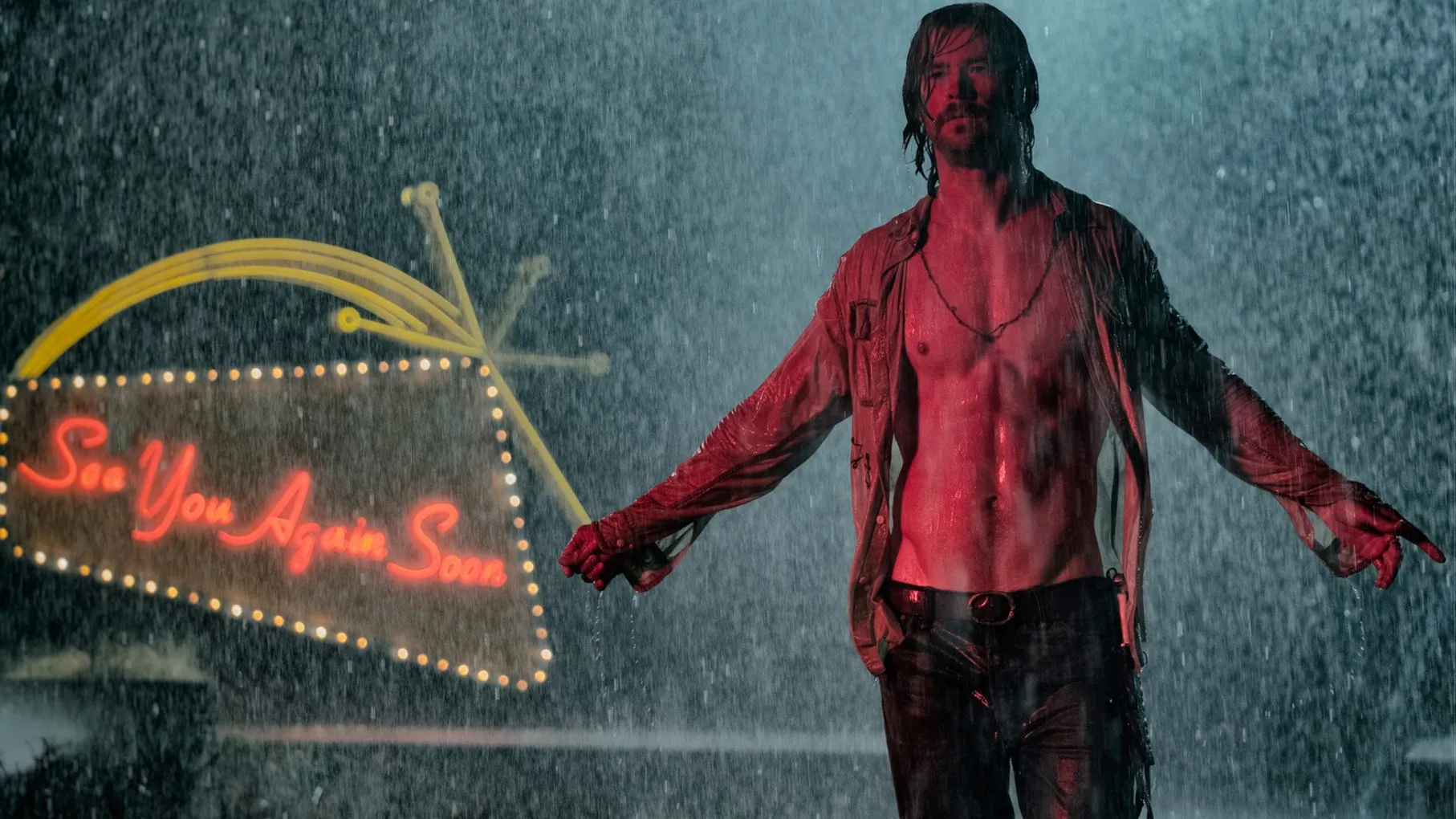
Bad Times at the El Royale is, above all, an impressive showcase of acting talent. Jon Hamm is outstanding here, hiding a second identity beneath the smooth patter of a vacuum cleaner salesman. Jeff Bridges delivers one of the finest performances of his later career—arguably his best since Hell or High Water—in Drew Goddard’s film.
Dakota Johnson seems to have definitively shed the image of Anastasia from the Fifty Shades trilogy, delivering genuinely strong performances that year in both Bad Times at the El Royale and Luca Guadagnino’s Suspiria. Any discussion of the cast would be incomplete without mentioning Chris Hemsworth, who dominates the entire second half of the film. The actor, best known for his role as Thor, had previously worked with Goddard on The Cabin in the Woods, and it is evident that the two understand each other perfectly and work in creative harmony.
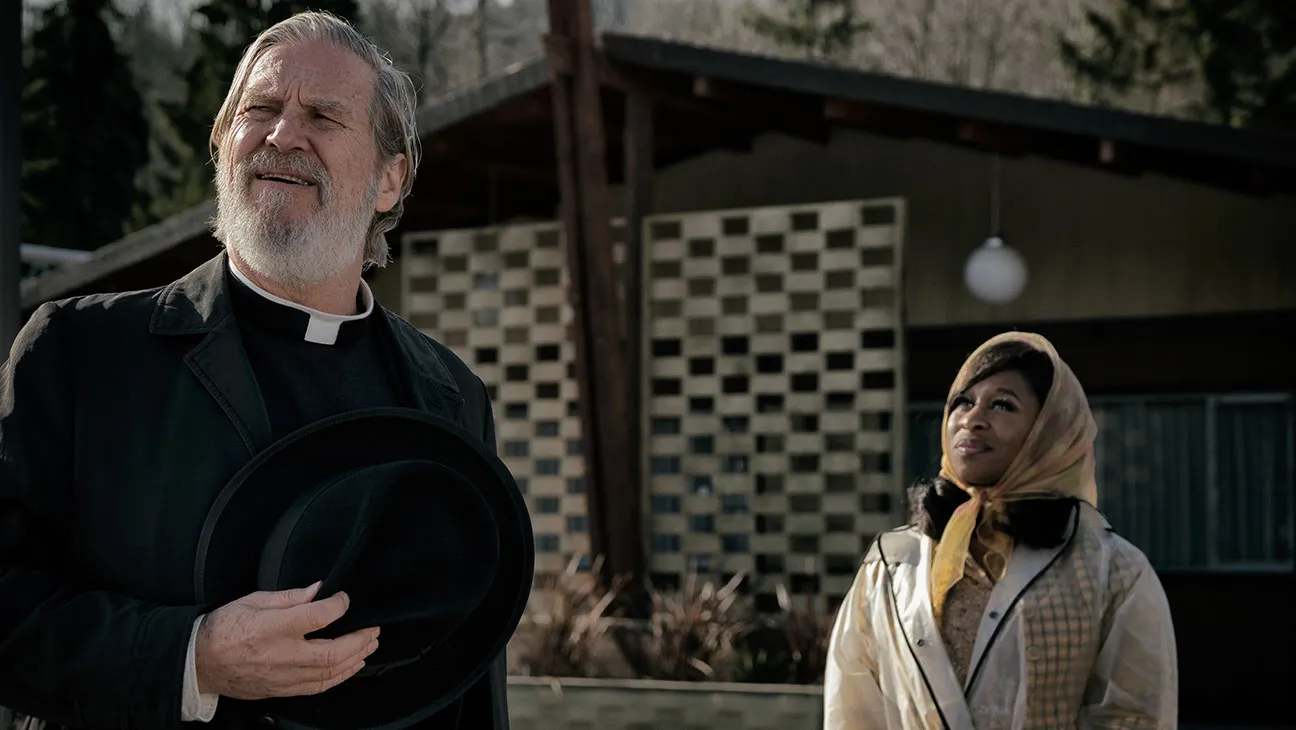
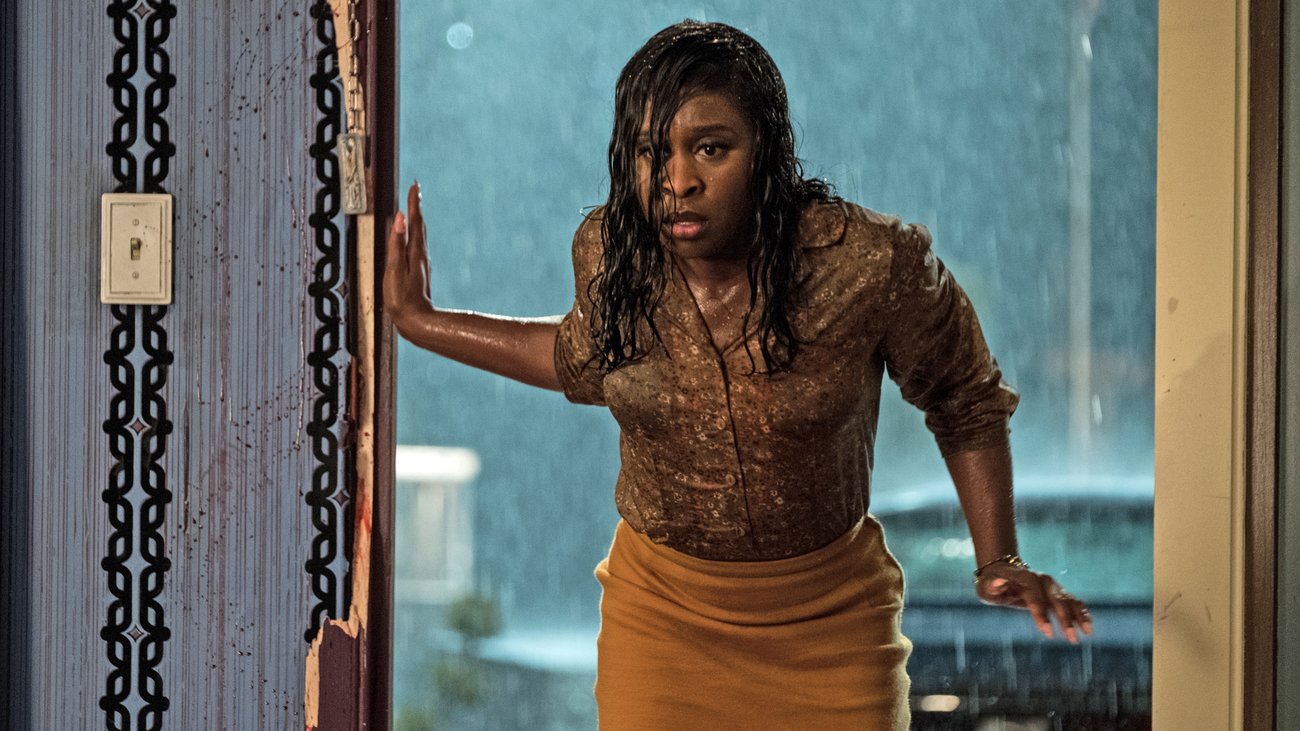
As a result, Hemsworth excels as a mentally unstable, Charles Manson–inspired cult leader. Goddard, however, does not neglect the supporting roles either. In a brief but memorable appearance, Xavier Dolan—the filmmaker behind I Killed My Mother and Heartbeats—steals the scene as an authoritarian music producer who, in an electrifying monologue, explains to a Black singer exactly how valuable his time is.
Structure
This is arguably where Goddard’s film proves most intriguing. Each of the four guests has a compelling backstory, gradually revealed through a series of flashbacks. We learn what brought them to the titular hotel, what they are searching for, or whom they are running from. Many key plot events are shown from multiple perspectives, and a closer look at the characters’ behavior reveals subtle details that later have a decisive impact on their fates.
The director of The Cabin in the Woods goes even further here: in Bad Times at the El Royale, meticulous narrative construction goes hand in hand with audiovisual virtuosity.
Audiovisual Form
Goddard’s film looks and sounds fantastic. Cars, neon lights, and above all music—these elements are refined to near perfection in his second feature-length project. From the jukebox in the hotel lobby or from one of the characters’ performances, we hear hits by artists such as The Isley Brothers, Deep Purple, The American Breed, and The Four Preps.

Watching Bad Times at the El Royale, one can almost physically feel the atmosphere of the American 1960s and 1970s—a period that, notably, has continued to resurface in contemporary cinema. Examples include It by Andrés Muschietti, Steven Spielberg’s The Post, Shane Black’s The Nice Guys, or the acclaimed miniseries 11.22.63, starring James Franco. I am no sociologist, but this striking trend most likely reflects a certain nostalgia we feel—as people and as viewers—toward this extraordinary two-decade period in U.S. history.
Socio-Political Contexts
Unlike The Nice Guys, for instance, Goddard does not mythologize this era. Quite the opposite. Beneath the surface of a stylish thriller, the filmmaker presents the darker, less flattering side of America: pervasive surveillance, the trauma experienced by young people in the shadow of the Vietnam War, the threat posed by religious cults, and the hypocrisy of high-ranking government officials. An attentive viewer will find all of this embedded in Bad Times at the El Royale.
The film should therefore be viewed as a bitter reckoning with American history, even if at first glance it may seem that Goddard’s intentions lie elsewhere.
One could, of course, complain that the film slows down considerably in its second half, that it offers fewer surprising twists than at the beginning, and that an almost unbearable dose of pathos creeps into the finale. Still, it is worth overlooking these weaker elements, because Bad Times at the El Royale remains a remarkably stylish, suspenseful piece of cinema—one that offers the audience far more than mere entertainment.

