Review
SLEEPLESS NIGHT. Maintains Its Pace Until the Final Stretch
Yet if the trade-off was lean, efficient genre exercises like Sleepless Night, many viewers — then and now — were willing to accept it.

Let’s start this review of Sleepless Night with a statement: I would never have called France a powerhouse of action cinema, yet the number of contemporary genre directors emerging from there over the past two decades suggests otherwise. Pierre Morel broke through with Taken, after previously directing District 13. Louis Leterrier started with two Transporter films and Unleashed before moving on to big-budget Hollywood productions such as The Incredible Hulk and Clash of the Titans. Olivier Megaton — arguably the least accomplished of the trio — handled Taken 2 and Transporter 3.
All three emerged from Luc Besson’s production stable, but that hardly meant the director of La Femme Nikita and Léon: The Professional held a monopoly over muscular genre filmmaking in France. Paul Haggis’s The Next Three Days, starring Russell Crowe, was a remake of Fred Cavayé’s Anything for Her, and Cavayé’s subsequent film, À bout portant (Point Blank), quickly attracted attention overseas as well. A few years earlier, Jean-François Richet had made headlines for his unnecessary remake of John Carpenter’s Assault on Precinct 13, only to return to France and redeem himself with the two-part Mesrine, earning a César for Best Director.
Florent-Emilio Siri also stumbled in Hollywood — despite Bruce Willis reportedly wanting him for Live Free or Die Hard after working together on Hostage. The Dream Factory has always been hospitable to skilled craftsmen, particularly those capable of delivering “American-style” action, even when shot in another language. Looking back now, it was hardly surprising that Frédéric Jardin’s Sleepless Night (2011) eventually received an American remake of its own.
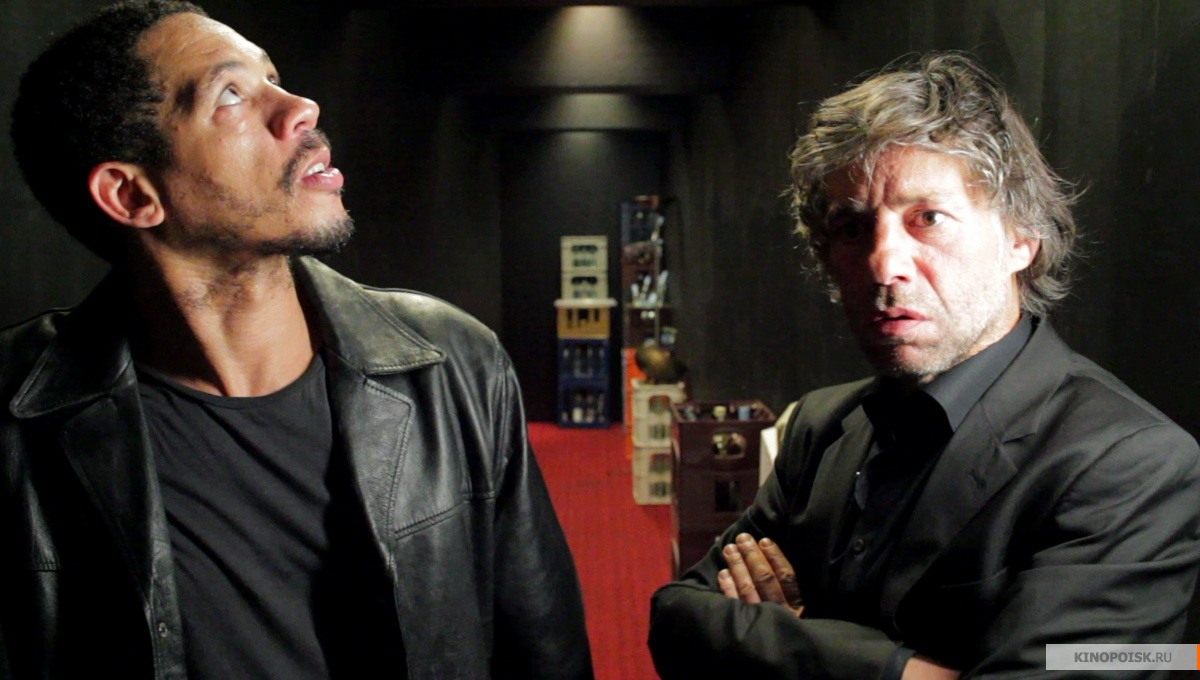
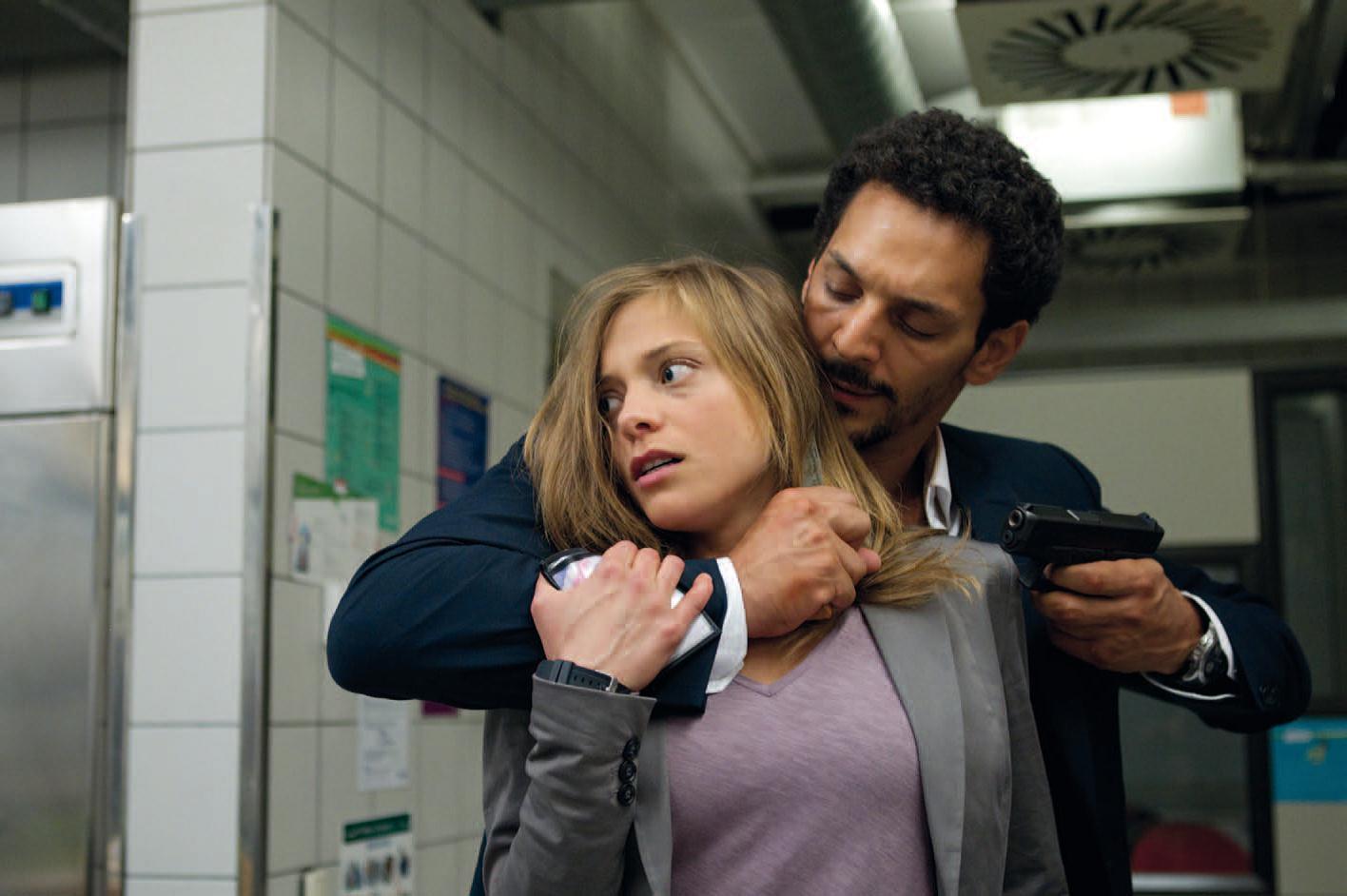
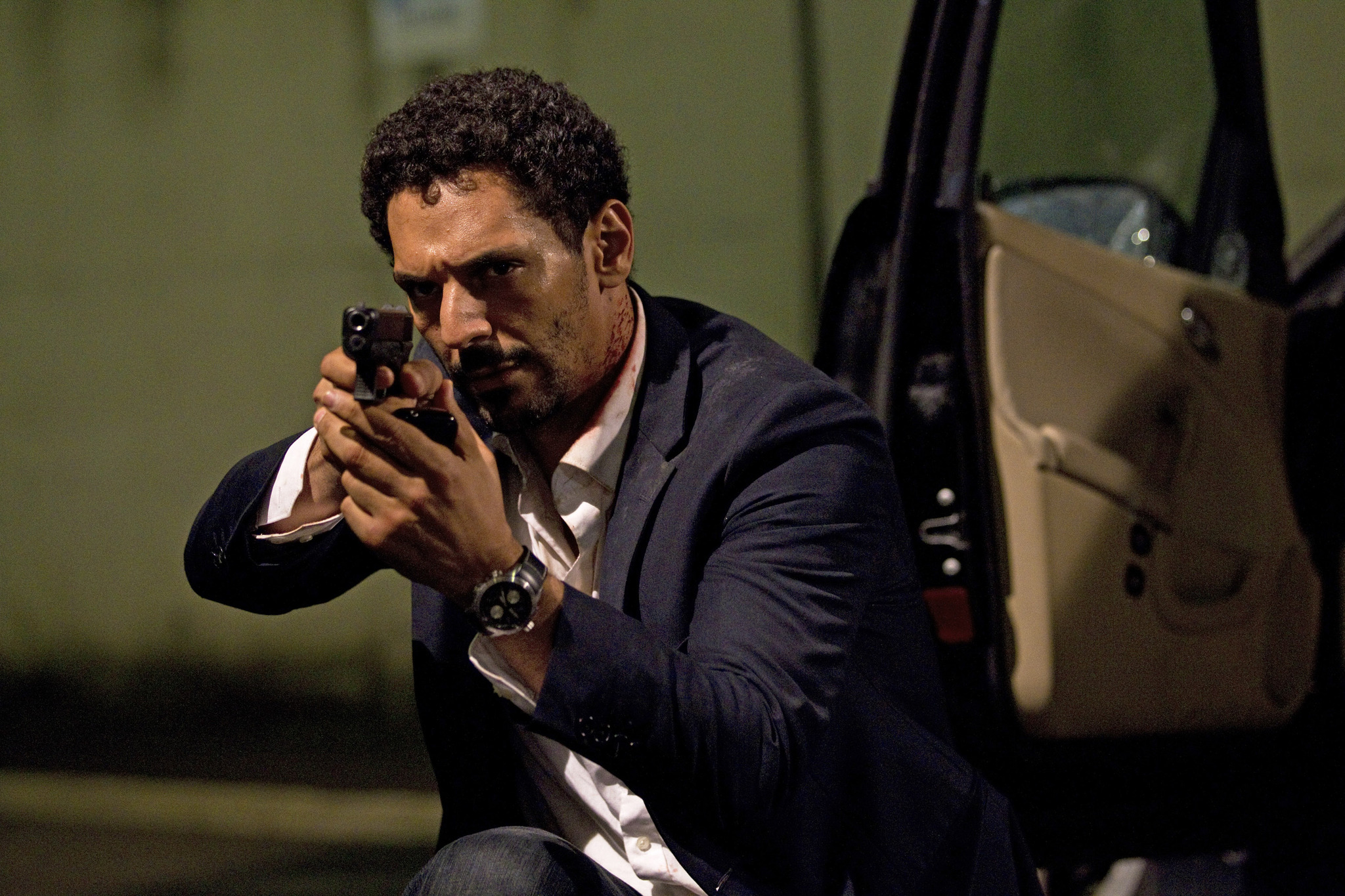
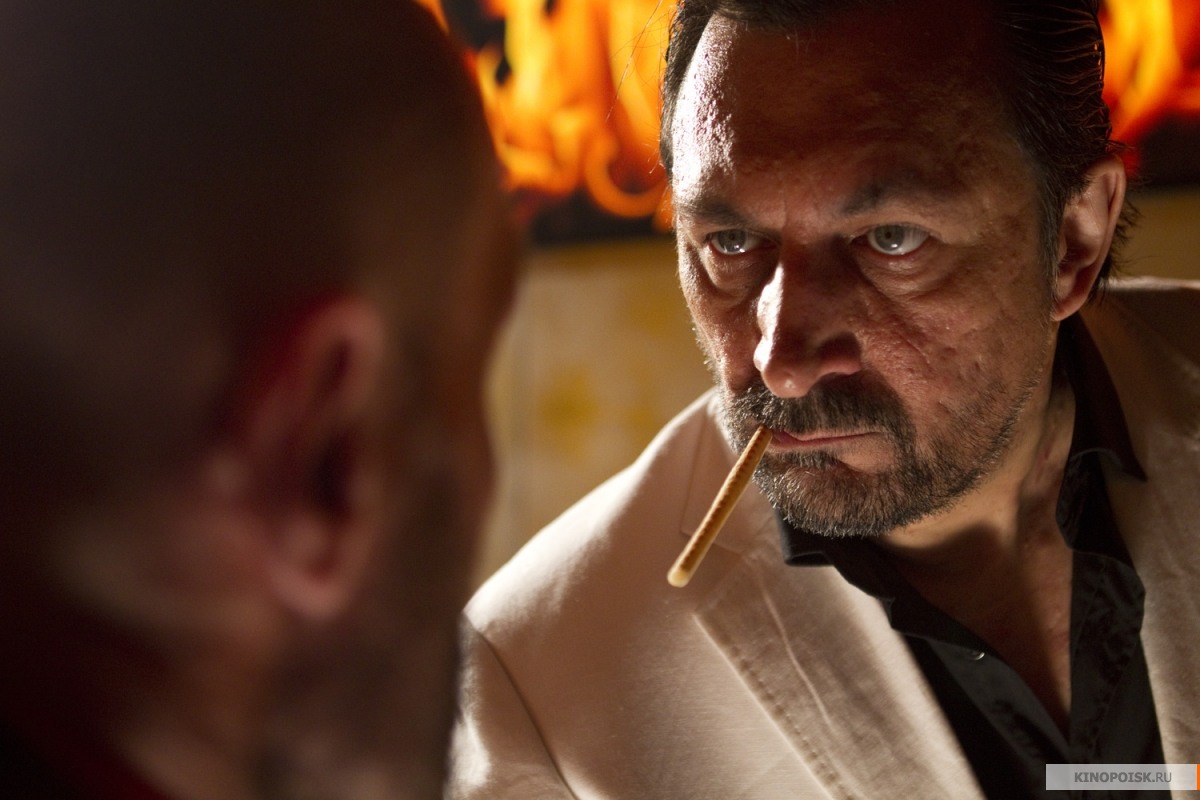
The premise is straightforward. Police officer Vincent (Tomer Sisley, known internationally from Largo Winch) and his partner rob drug couriers of ten kilos of cocaine. Their triumph is short-lived: Vincent’s son is kidnapped, and the only way to get him back is to return the stolen merchandise. The exchange is set to take place at a nightclub owned by José Marciano — the very man Vincent stole from. Complicating matters further, two Internal Affairs officers (a seasoned veteran and a young, idealistic recruit) enter the club to catch Vincent in the act. They seize the bag of drugs themselves, inadvertently making the exchange impossible. What does a desperate father do in such a situation?

The narrative is assembled from familiar components, and it is not difficult to predict where events are headed. Vincent may be a thief and largely responsible for his predicament, yet he is fighting for his son, and we instinctively root for him. The inexperienced female officer will inevitably recognize her partner’s corruption. The estranged son, despite his resentment, ultimately loves his father. Even the setting — a nightclub — is a classic arena for action, immortalized in everything from The Terminator to Scarface and Collateral. The twist lies in the near-total confinement of the film’s action to this single location, though it stops short of becoming a strict “lone hero trapped in a building” exercise.
Technically, none of the characters are physically trapped. Vincent stays to rescue his son; Marciano wants his cocaine back; Internal Affairs wants Vincent. The cat-and-mouse game extends beyond the dance floor, unfolding across the club’s various spaces: the disco, billiard room, restaurant, kitchen, restrooms, VIP casino, and Marciano’s office. Cinematographer Tom Stern — best known for his collaborations with Clint Eastwood — keeps the camera close to the actors’ faces while maintaining a clear spatial geography, ensuring that viewers never lose their sense of the club as a unified yet multifaceted environment.

When it premiered, Sleepless Night was hailed in some Western markets as one of the stronger action films of its year. With hindsight, that praise may seem slightly overstated. The film’s breathless momentum stems less from elaborate set pieces than from Vincent’s constant attempts to avoid open confrontation. He understands that indiscriminate gunfire would doom both him and his son. Marciano, in turn, knows he cannot kill Vincent before recovering his property. Meanwhile, Internal Affairs tightens the net.
Time is marked by a simple but effective device: water dripping steadily into a bucket in the room where Vincent’s son is held captive — a visual metronome reminding us that, despite the “white night” of the title, darkness remains unchanged outside.
At just over ninety minutes, Jardin’s film maintains its pace until the final stretch, where it falters slightly with a sentimental ending that feels tonally at odds with the preceding tension. Even so, the overall impression lingers well after the credits roll.
By the 2010s, French action cinema had long since distanced itself from the moody existential thrillers of Jean-Pierre Melville or the psychological precision of Claude Chabrol. Contemporary directors seemed more indebted to Richard Donner or Andrew Davis than to the giants of their own cinematic past. Yet if the trade-off was lean, efficient genre exercises like Sleepless Night, many viewers — then and now — were willing to accept it.