
Review
SKULL ISLAND. Remarkably Restrained Project
It must be acknowledged, however, that Skull Island is a remarkably restrained project, failing to fully realize its potential.

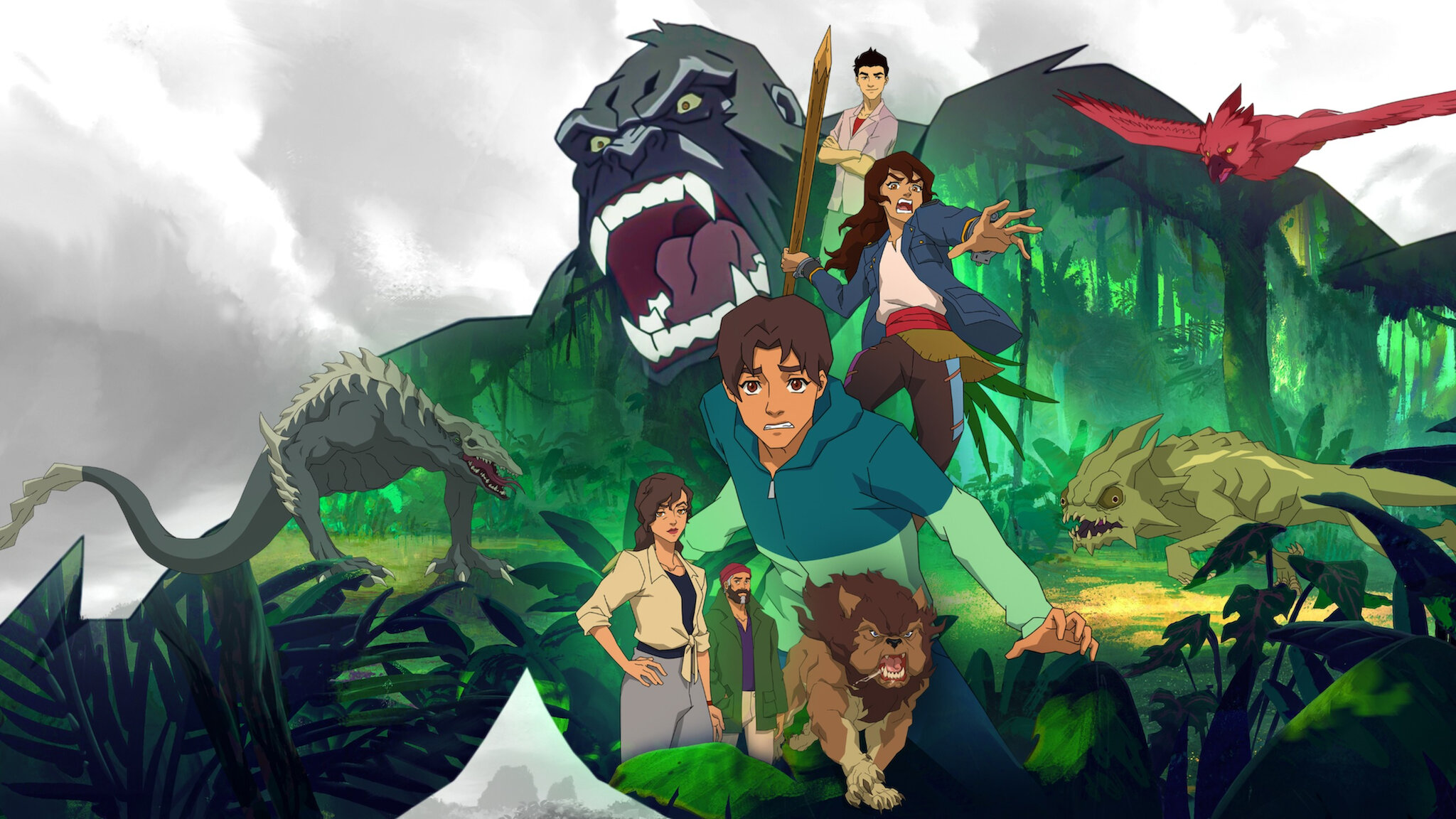
Where the devil can’t go, animation will go. One of Hollywood’s methods for expanding the reach of a brand is to transform it into a different form from the original, while still carrying the same label. King Kong has already been an animated feature, a video game, and a comic book – it’s easier to list what the giant ape hasn’t been. What was missing, however, was an animated series set in the current universe of giant monsters (the so-called MonsterVerse) built by Warner Bros., and that gap was quickly filled with the production Skull Island.
The new series, available on Netflix, is closest in tone to the earlier film Kong: Skull Island (you can watch it before the series, but it’s not necessary). Assigning the series to Netflix, rather than to Max as one might expect, may seem surprising, but it’s clearly a deliberate licensing strategy. Moreover, Netflix as the home for this project is no coincidence – Skull Island is partly produced by Powerhouse Animation, which previously created anime series for the platform such as Blood of Zeus and Castlevania.
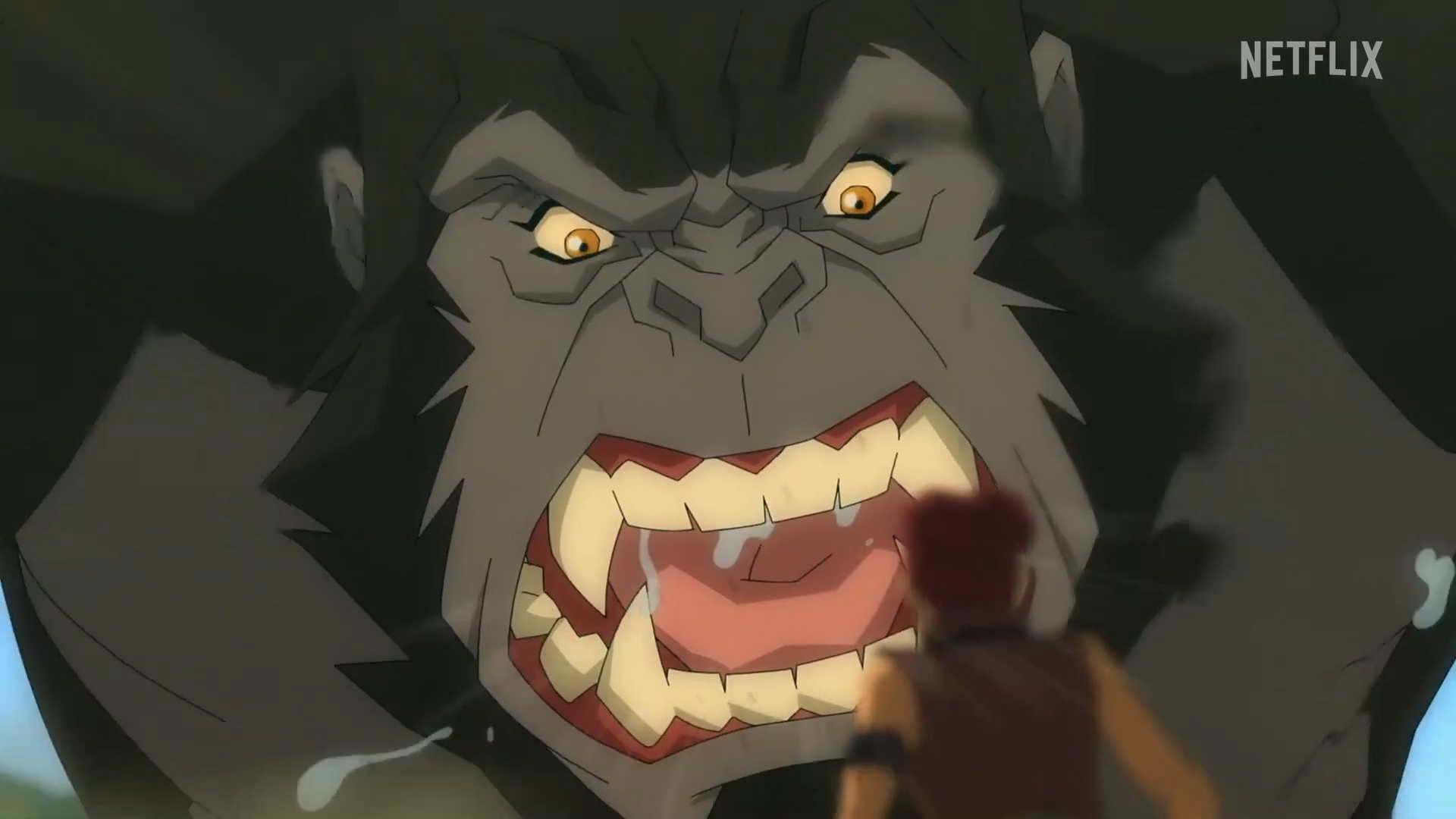
And honestly, that was my immediate impression upon first encountering Skull Island. You can feel Castlevania in it. The worlds and themes are completely different, but in terms of animation style and pacing, the two productions have a lot in common.
Further comparisons, however, are less about animated visuals. The director of Skull Island is Brian Duffield, a guy who worked on science fiction films like Love and Monsters and The Deep House. He was credited with “story by” on these films, which suggests he was responsible for the idea rather than its execution. While neither production was a blockbuster hit, they certainly didn’t fail at the concept level.

Skull Island is Duffield’s first series and, as mentioned, was the first series set in the MonsterVerse. It follows members of an oceanic research expedition who, while trying to help a girl in need, accidentally end up on the mysterious Skull Island. There, they face various monsters and other dangers. They also meet the island’s main inhabitant – Kong, the enormous, wild ape.
This place was already introduced in the film Kong: Skull Island, and the ape himself hardly needs an introduction. He is a true pop culture icon. 2023, when the series premiered, marked the 90th anniversary of the iconic 1933 King Kong, a groundbreaking adventure film that intersected with horror and sci-fi. Many sequels, remakes, and crossovers followed, not only in film but across other media. Ultimately, Warner Bros. took over Kong.

I don’t know how much the creators of Skull Island were inspired by that anniversary, but it must be said that they were not particularly interested in exploring the mysteries of the island, and, horror of horrors, they weren’t very interested in the ape himself. These – what would seem like key elements – are barely present in the new production. Instead, it devotes far more time to the characters’ relationships (not necessarily compelling ones) and to maintaining a sense of danger.
The plot of Skull Island is therefore banal and at times not very engaging. The eight short episodes, each around twenty-five minutes, revolve around escapes, conversations about nothing, flashbacks, and figuring out how to confront the main threat – a mysterious giant squid. As one might expect, it is Kong who ultimately resolves the heroes’ problems, confronting the monster responsible for sinking the ship.

That said, I don’t consider the time spent on Skull Island wasted. First, the episode pacing and duration weren’t a problem – it flowed smoothly. Second, the characters were presented vividly and expressively, partly thanks to the actors voicing them. Third, and most importantly, I have a soft spot for this world and this monster, and I happily absorb anything that comes from this universe, enjoying another opportunity to see the giant ape on screen. I admit this affects my objectivity in evaluating the series.
It must be acknowledged, however, that Skull Island is a remarkably restrained project, failing to fully realize its potential and only modestly capturing the spirit of adventure. Sometimes less is more, especially when overdoing it would have been easy. The series should be treated only as an introduction to a larger story – an attractive follow-up to the universe’s established directions, continuing plot threads, and generating interest in a potential reunion with the iconic character. The anime series about the giant ape has little ape and little adventure, but it has enough positive energy to make it enjoyable to watch. That’s both all and enough. What it lacks, however, are the elements that could have made Skull Island a series that sparks discussion, debate, and repeated viewings.

