
Review
MONSTER. Too Bland to be Full Admired [REVIEW]

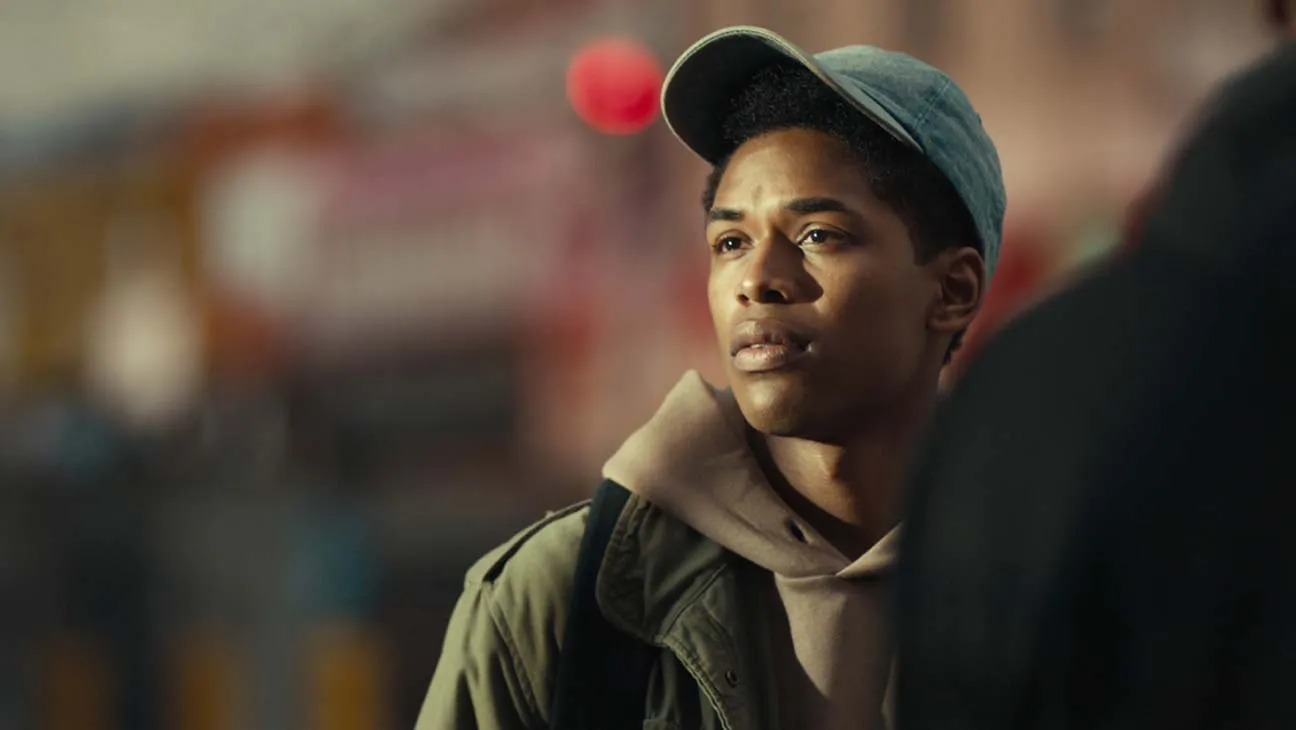
The first several minutes do Monster a disservice. For anyone sensitive to lofty, sentimental cinema, warning lights will go off in their head as the choppy editing and numerous close-ups of details are accompanied by literary voice-over lines reminiscent of Malick’s lesser work. Fortunately, after this dreadful introduction, our concerns gradually ease, as the story—built on ambiguity—grabs our attention and holds it to the very end through simple yet effective techniques.
Steve Harmon (Kelvin Harrison Jr.), a seventeen-year-old high school student and film enthusiast, lives suspended between two worlds. The prestigious school he attends is designed for future elites, shaping individuals with vision and passion. Meanwhile, his friends from the neighborhood have no such long-term plans—they live in the moment, often skirting or breaking the law. One such transgression leads to a robbery at a local store and the murder of its owner, for which Steve is also accused. The boy’s life hangs over a precipice literally from one day to the next. Did he really commit the crime he’s accused of, or is this an example of the justice system overreaching?
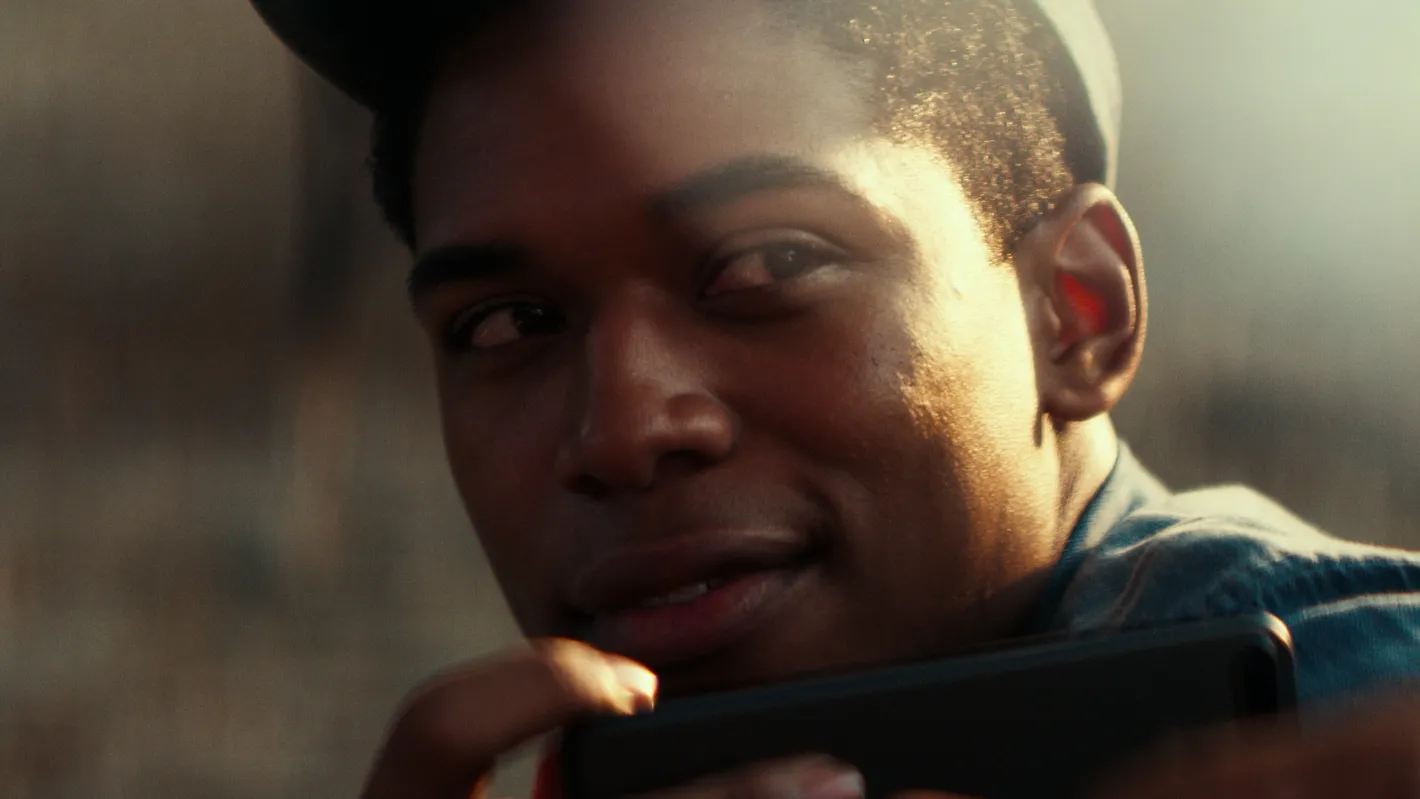
The question I’ve posed can be considered the axis around which the film’s plot revolves. Director Anthony Mandler never gives a clear answer, and as a result—accustomed as we are to the straightforward division of good and evil in courtroom dramas—we find ourselves genuinely invested in the unfolding trial. All the more so because the early scenes, filled with symbolic shots—beautifully composed, as when the protagonist stands on a rooftop, shielding the setting sun with his hand—subconsciously suggest such a division. The music reinforces this: single notes hinting at an impending storm, only to transition moments later into loud drums accompanying the prosecutor’s aggressive speech.
These techniques likely aim to approximate the protagonist’s perspective. In one scene, Steve reflects on the workings of memory, so overexposed shots or dynamic courtroom editing (which we focus on more as the climax approaches) may attempt to mimic his point of view. Parallel to this, we are presented with flashbacks that reveal more about Steve’s life, his girlfriend, his interests, and his interactions with other defendants. Initially, these distract from the trial, but over time, we begin to anticipate them eagerly, as they become the only means of answering the questions we care about. In court, there is no room for halfway answers—only yes or no matters.
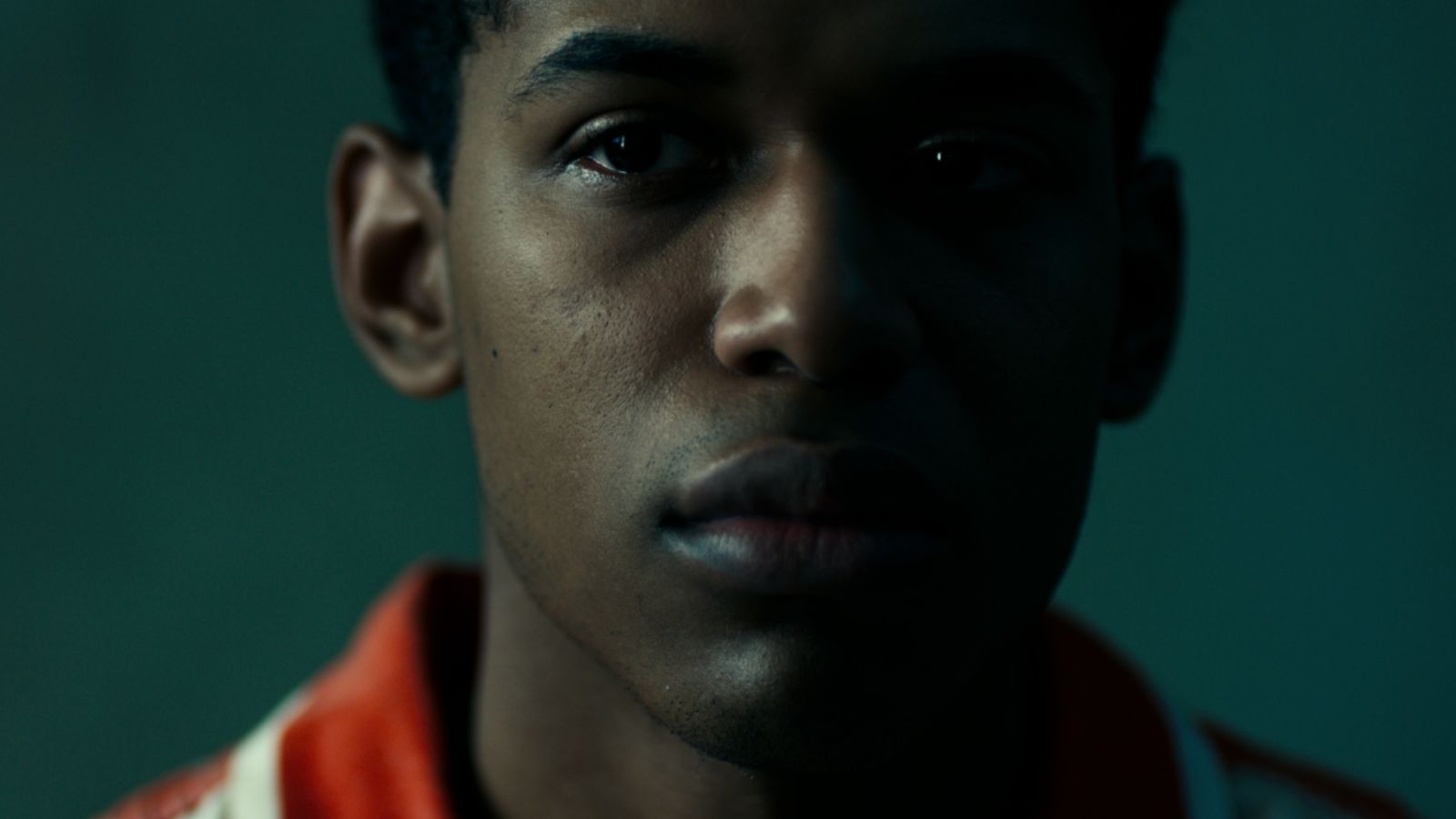
The director plays with this simplified structure, even through color schemes: streets bathed in neon at night or daylight shots streaming with warm light contrast sharply with the cold, unpleasant courtroom, ironically composed of shades of gray. Unfortunately, the protagonist himself explains this analogy in a monologue, undermining the audience’s intelligence. In any case, the film conveys a critique of the judicial system. The jury must hear a story, and that story must be unequivocal, leaving no room for interpretation. Since Steve aspires to be a filmmaker and will tell stories in the future, the events of his life become the basis for a screenplay unfolding before our eyes. The problem is that at times, the florid voice-over comparisons hinder the film more than they help.
Those hoping for references to BLM protests may be disappointed. Although there are occasional hints—such as when a lawyer tells Steve that, in the eyes of the jurors, he was guilty the moment he stood in court—the film premiered at the Sundance Festival in 2018, before the events it could thematically reference. It is also based on Walter Dean Myers’ book of the same title, which I have not read and therefore cannot compare.
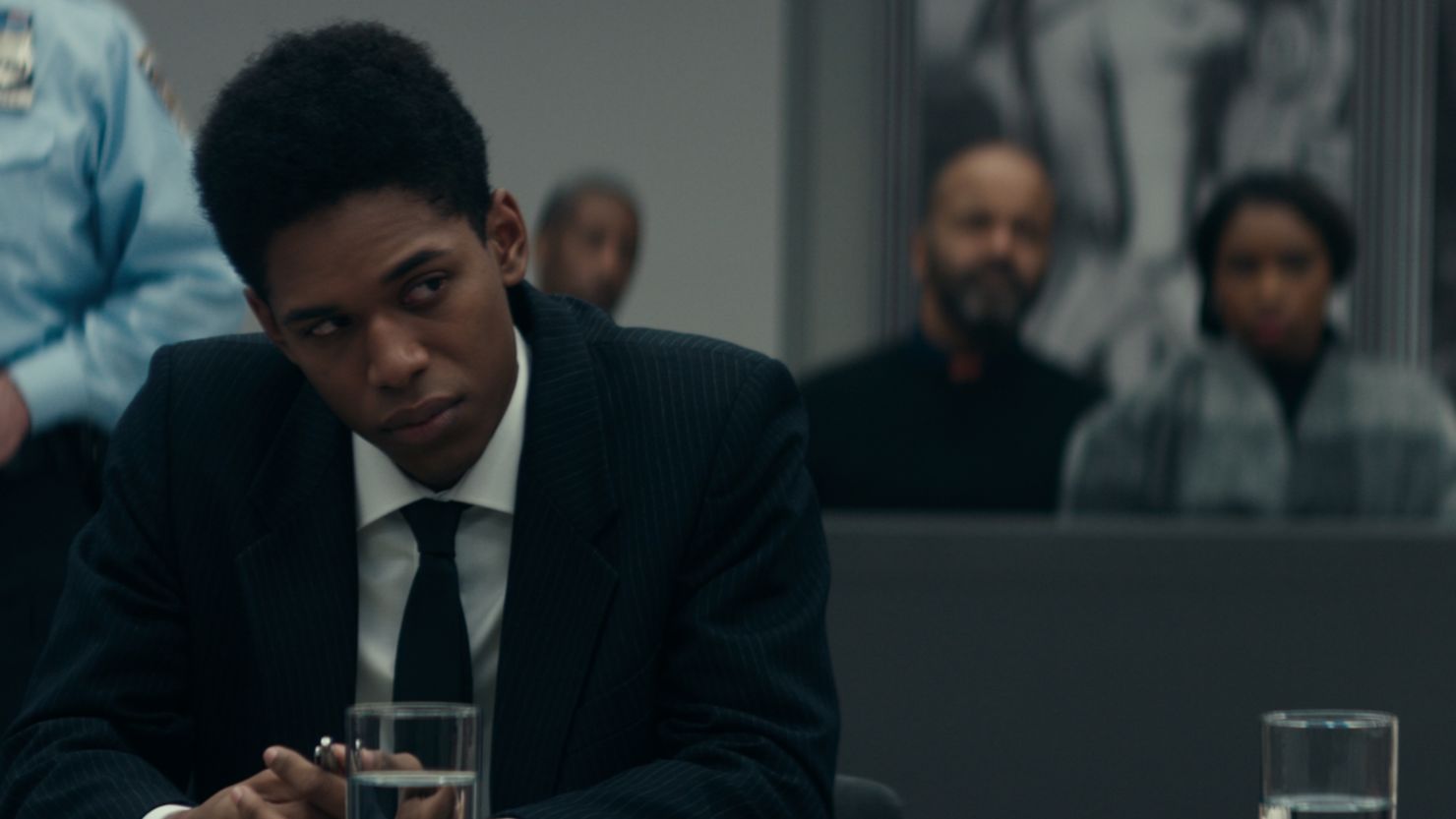
Midway through the film, Steve admits he doesn’t know why he continued his association with one of the defendants—and this is the film’s biggest problem, because neither do we. While the story is compelling enough to hold our attention until the end, the underdeveloped, unmotivated characters make it easy to forget, even if the time spent with the film was not wasted. The best example is Kelvin Harrison Jr.’s performance, echoing the complex and nuanced role in Luce. Similarly, the film itself is too polished to criticize harshly, yet too bland to be fully admired. We end up in the middle, parting amicably, and there is probably nothing worse for artists than indifference.


Looking back at DEAD SNOW: A Blizzard of Nazi Gore Fun

DEAD SUSHI: Exotic, Spicy, and Wildly Entertaining

Revisiting ALICE, SWEET ALICE: Dread and Religious Symbolism

PUPPET MASTER: LITTLEST REICH – Achtung! It’s Good!
