
Horror Movies
THE EYES OF MY MOTHER: Pitch-Thick, Exceptional Atmosphere
To write that this film is unsettling is to write nothing at all.

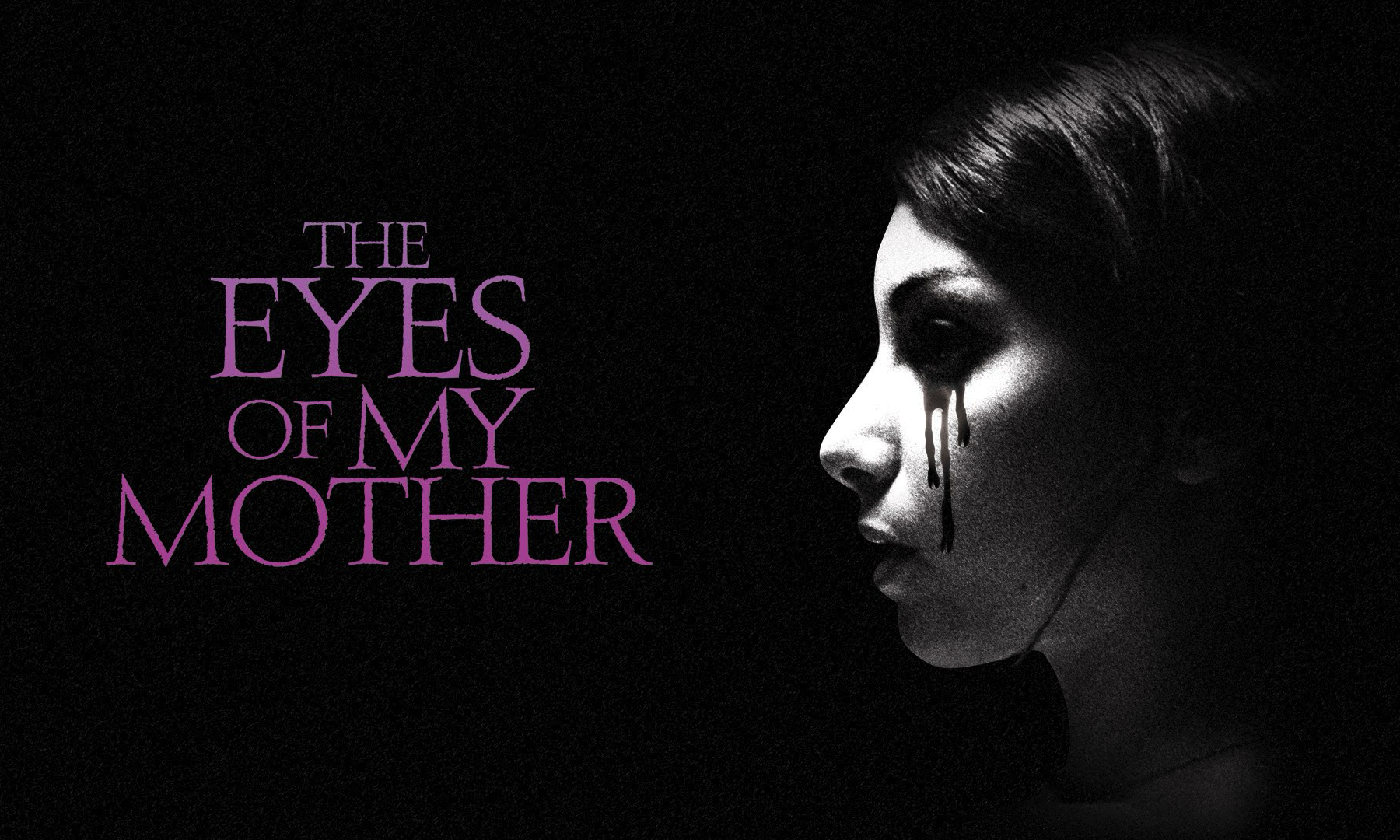
Horror – in principle a purifying branch of the film industry, whose main task is to extract from our bodies the accumulated layers of fear. Horror films are meant to terrify, films of dread to unsettle, thrillers to raise adrenaline levels. It is safe, controlled entertainment, a kind of sinful pleasure. The Eyes of My Mother.
In the case of the screenwriting-and-directing debut of Nicolas Pesce, however, it is difficult to speak in similar terms. This is not a typical scare-fest that will have us regularly jumping in our seats. It is closer to a gothic parable hidden in the deepest recesses of human cruelty shrouded in darkness. To write, therefore, that this film is unsettling is to write nothing at all. It is a work downright distasteful, though served in an extraordinarily hypnotizing manner.
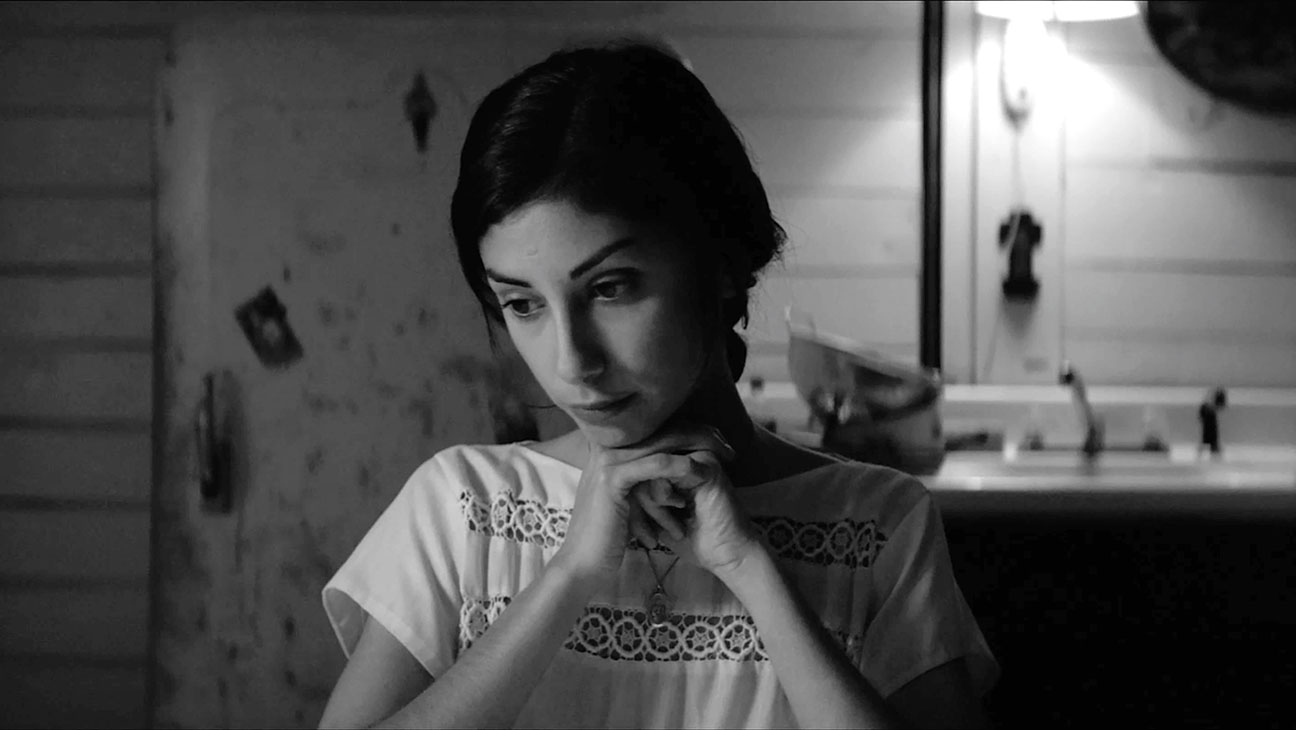
Its best advertisement may be the fact that, during the screening, more and more people were leaving the theater – and after all we are talking about a festival audience, somewhat battle-hardened by encounters with unusual representatives of moving images. The term fits this production perfectly anyway, because the cinematography here is truly beautiful.
Frames wrapped in black and white do not allow the eyes to stray from the screen; they seem downright diabolically stylized. The calm that emanates from them is painfully tangible, uncomfortable. It immediately strikes us with an alarming atmosphere, gets under the skin, gnaws at the brain. And it constitutes an undeniable asset of the film, which is hard to imagine being shot the God-fearing way, in color and with classical narration.

This narration is not entirely chronological, though it is patiently led to the very end in its own rhythm with admirable consistency. It is an unhurried film, even though time flies by while watching it. The mere ninety-minute work will therefore already be, if only due to its fragmentary narrative composed of a sequence of calendar-ripped scenes and divided into chapters, quite a challenge for some viewers.
For others, it will most certainly be the gore and broadly understood violence, deviations stoically ticked off one by one from a very long list of shocking acts. And, interestingly, also executed with great taste, at times refined – seemingly striking directly, yet also leaving much to the imagination, without unnecessary explanations.
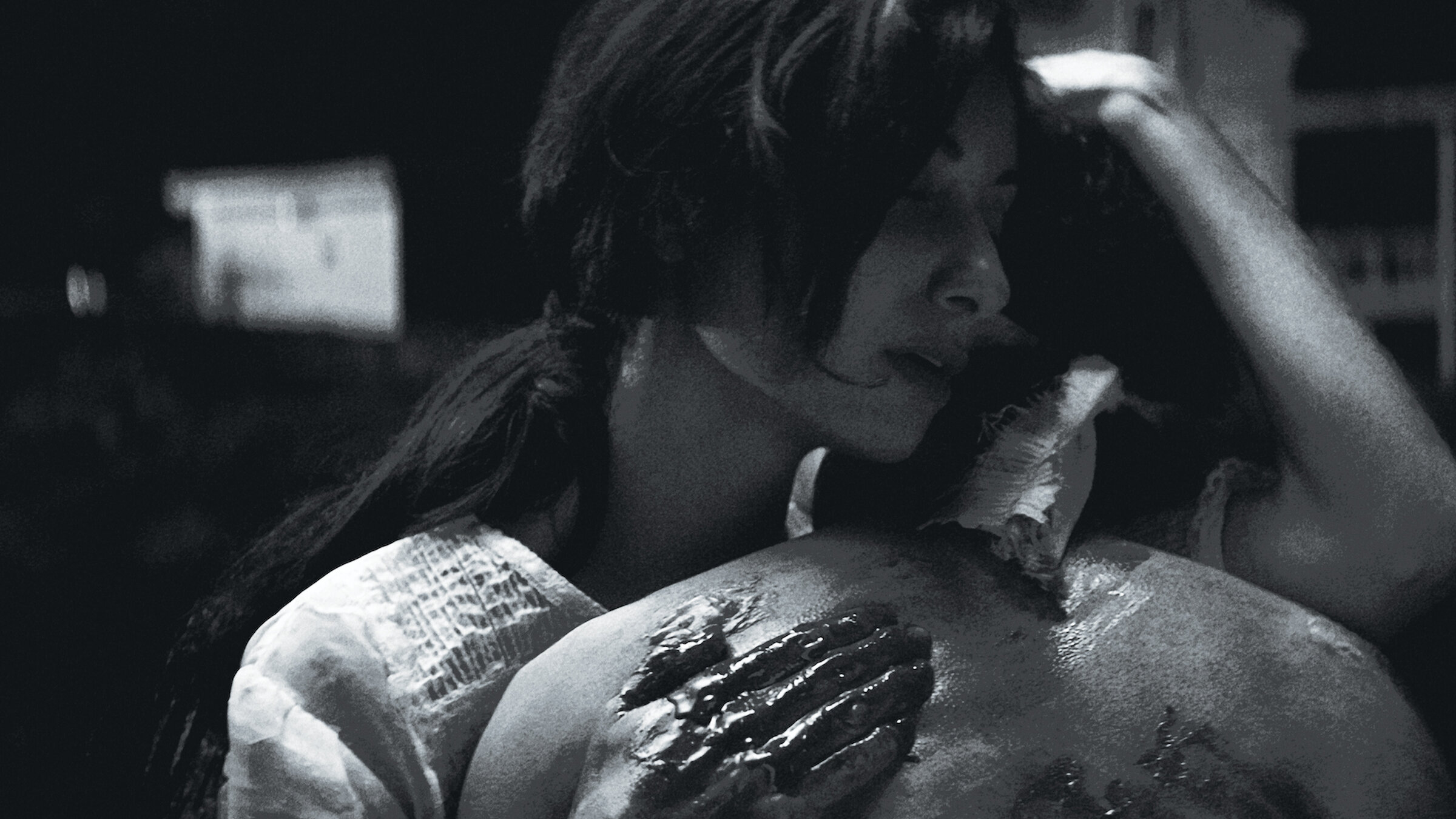
These two factors, plus the absolutely inimitable, pitch-thick atmosphere that one can cut not so much with a knife as blunt an axe on it, constitute the film’s main driving force. And then there is the excellent, equally minimalist performance by Kiki Magalhaes, striking us as much with restraint as with a specific innocence – it is precisely her face, beautiful and mysterious at the same time, that will make genre fans discuss The Eyes of My Mother for a long time.
How similar in many aspects it is to the French classic from years ago – Eyes Without a Face. And certainly more absorbing, electrifying than it. Although, in terms of quality, unfortunately probably inferior. Anyone who has already seen the teaser for Pesce’s film knows more or less what to expect from a full screening.

Or at least so it may seem, because this is one of those films whose plot is hard to predict, and at the same time hard to write anything specific about without revealing quite important details. We thus have a small family of Portuguese emigrants living somewhere in the American backwoods. It is a rather peculiar family, in which the main figure seems to be the mother, who in her spare moments teaches her several-year-old daughter, Francisca, how to perform dissections using a cow as an example.
We know little about them, but this ignorance does not hurt; it intrigues. One day, a stranger knocks on the door of their house…

Everything that happens afterward is a consequence of this unexpected visit and an unusual chronicle of the suffering of a young girl. It is therefore not an easy film to digest; it eludes logical assessments and easy conclusions. On the one hand, we will not find here anything that would redefine the genre, as the director builds his story on proven elements.
What is surprising, however, is how he doses them, mixes them, seasons them. How he makes it so that, despite many doubts regarding the plot and its core, it all somehow works, makes sense. There is also no shortage of heart here; a passion for creation beats through it, even if slightly covered by the scratching cold of subsequent events.

Yet it seems that this peculiar fairy tale about maternal lenses of life lacks what should normally be reflected in them – a soul. Together with the suddenly appearing and far-from-satisfying ending, it gives the impression not so much of a disappointing experiment with form as of an unnecessary oddity lacking an overarching reflection.
An engaging spectacle, in whose exceptional aesthetics emotions nevertheless get lost, the drama of the lonely individual fades, the tears of a child’s despair dry up. A film by no means empty, yet at the same time far from full catharsis.


