
Review
MISSING LINK. Solidly Told Adventure Story
Missing Link sits somewhere halfway between the swashbuckling spirit of Raiders of the Lost Ark and the fantastical tone of Atlantis.

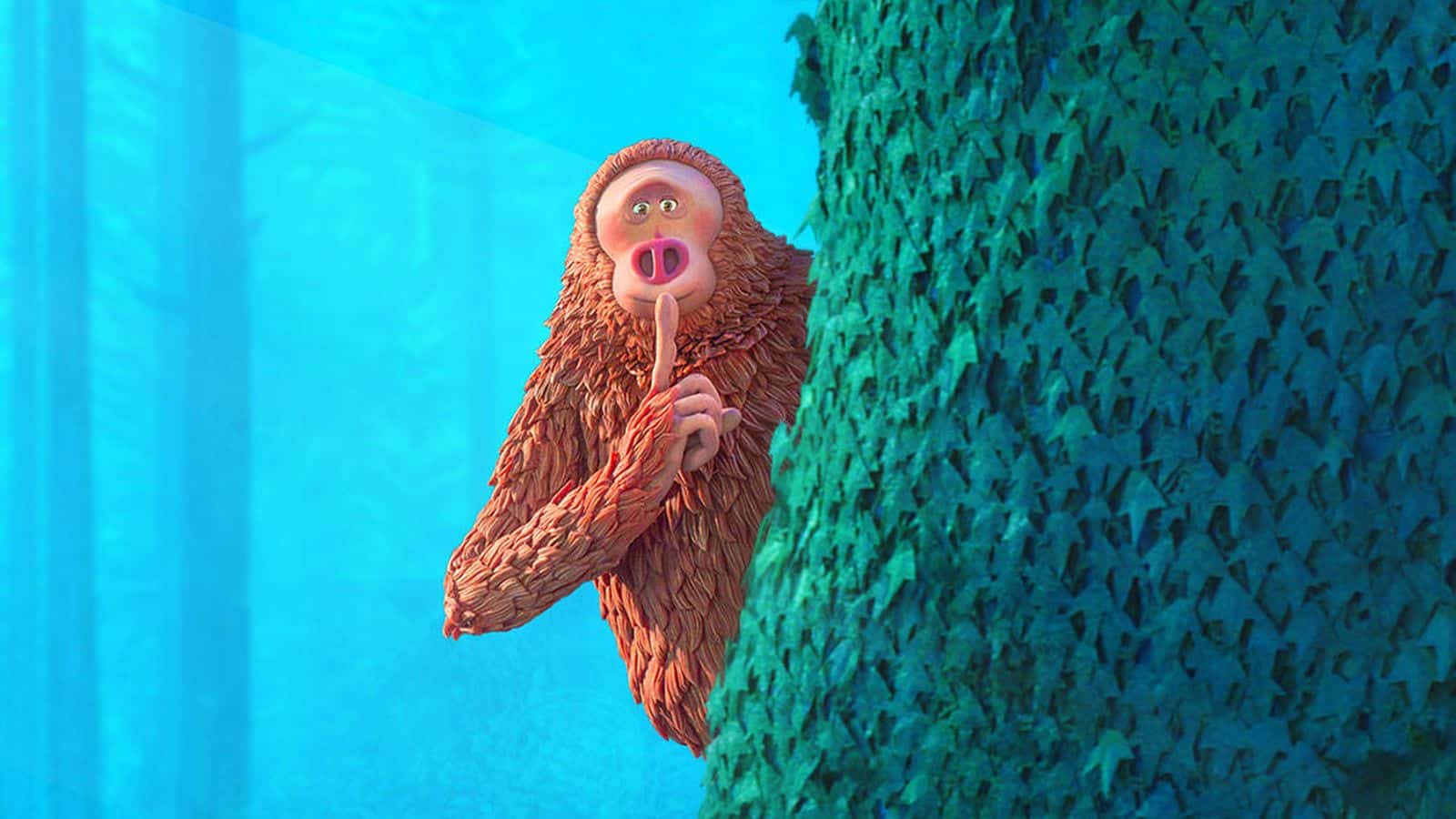
Missing Link sits somewhere halfway between the swashbuckling spirit of Raiders of the Lost Ark and the fantastical tone of Atlantis. From Spielberg’s adventure classic it borrows its rapid shifts in location and globe-trotting trips into yet-unexplored corners of the world. More than once, a pencil line tracing a route on a map will whisk us from London to New York or up to the Himalayan peaks.
From Disney’s Atlantis, meanwhile, Missing Link takes its narrative skeleton and sense of wonder. The main character of Laika’s film, Sir Lionel Frost, combines Indiana Jones’s inquisitiveness, cunning, and egoism with Milo’s wounded ambition and scatterbrained charm. Missing Link is yet another tale pulled straight from the Great Book of Cinematic Explorers—built on convention and delivered with a wink. It also demands that the viewer, much like Sir Lionel himself, believe in the impossible.
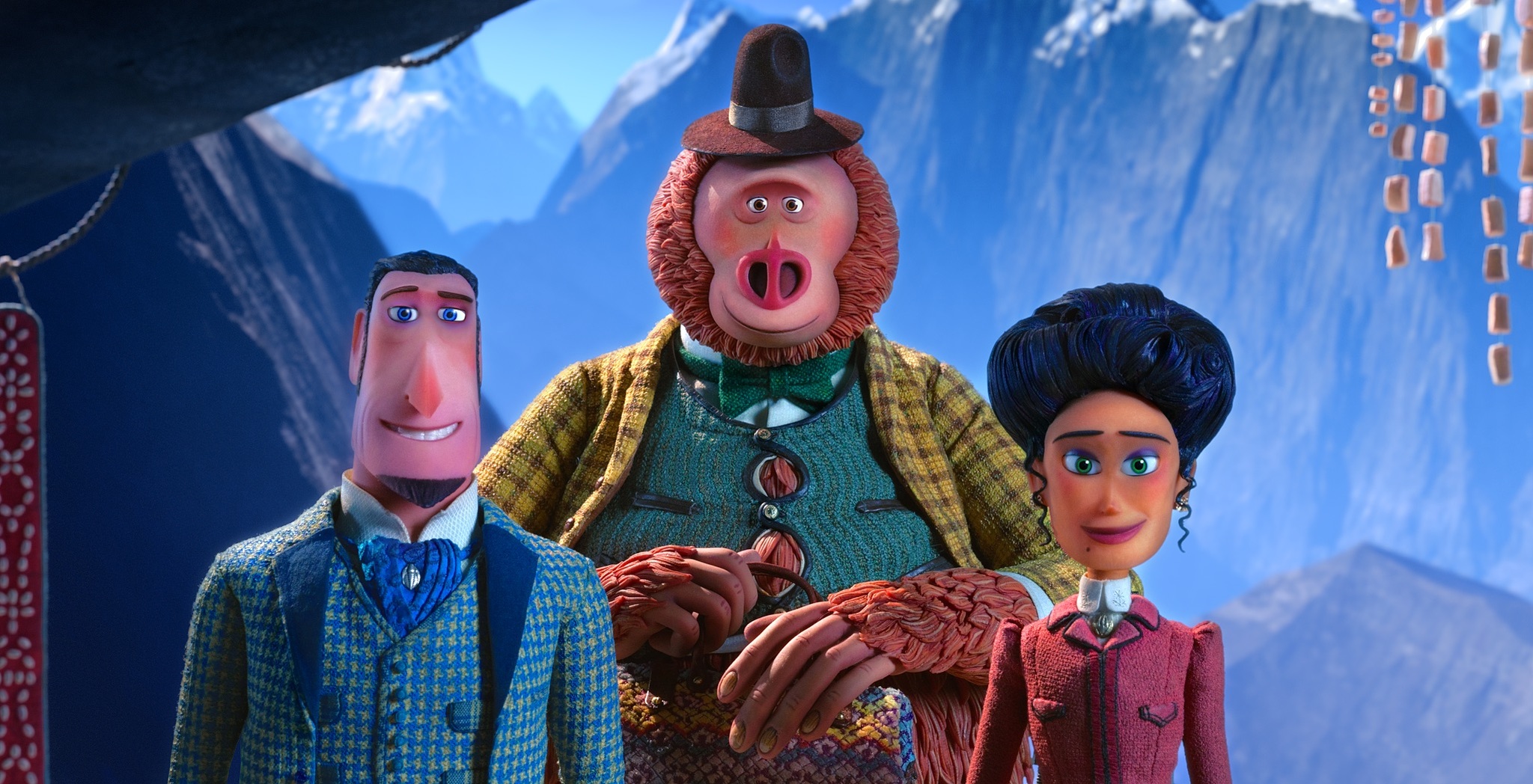
At the turn of the 19th and 20th centuries, our traveler returns empty-handed from his hunt for the Loch Ness Monster. He did manage to see the creature, but success is measured in evidence—and that, unfortunately, he lost. His camera with the only photograph shattered by accident, and acquiring any physical proof (scales, teeth, claws) was impossible. A personal triumph, but a professional disaster. Frost’s need for redemption becomes the drama’s key driving force, while shifting our perspective on that goal and asking the right questions (at what cost? to whom? and for what true purpose?) raises the stakes and introduces a surprisingly weighty ethical dimension.
The public embarrassment stings Lionel, an immodest careerist dreaming of joining the elite Explorers’ Society, home to all the era’s greatest adventurers. They are led by the arrogant Lord Piggot-Dunceby, who rejects scientific novelties (humans descended from apes—preposterous!) and unconventional research methods. So Frost makes a bold proposal: if he finds the Sasquatch—the missing link between humans and apes—and proves its existence, he will be admitted to the Society. Piggot-Dunceby accepts, but pre-emptively sends a hired killer after Lionel so that the world never learns of this dangerous new evolutionary theory.

Lionel Frost sets off for North America. On the one hand, he has little to lose—his reputation can hardly get worse. On the other, he has equally little reason to believe in the mission’s success: his only evidence for the Sasquatch’s existence is a clumsily written letter from an anonymous admirer. It isn’t much, but for an unwavering optimist like Frost, it’s enough.
The plot itself—and unfortunately its rather heavy-handed characters—matter less. They fall far short of the intriguing ambiguity of the figures in the masterpiece Coraline (if you haven’t seen it yet, make it your top priority—arguably the best animated film of the 21st century). For the creators of Missing Link, character development often takes a back seat to declarations and blatant exposition. At times, the heroes resemble personified ideological talking points or walking information posts. They speak because they have to—because they must guide us through what is, truthfully, not that convoluted a plot, ensuring every viewer immediately understands “what’s what.”
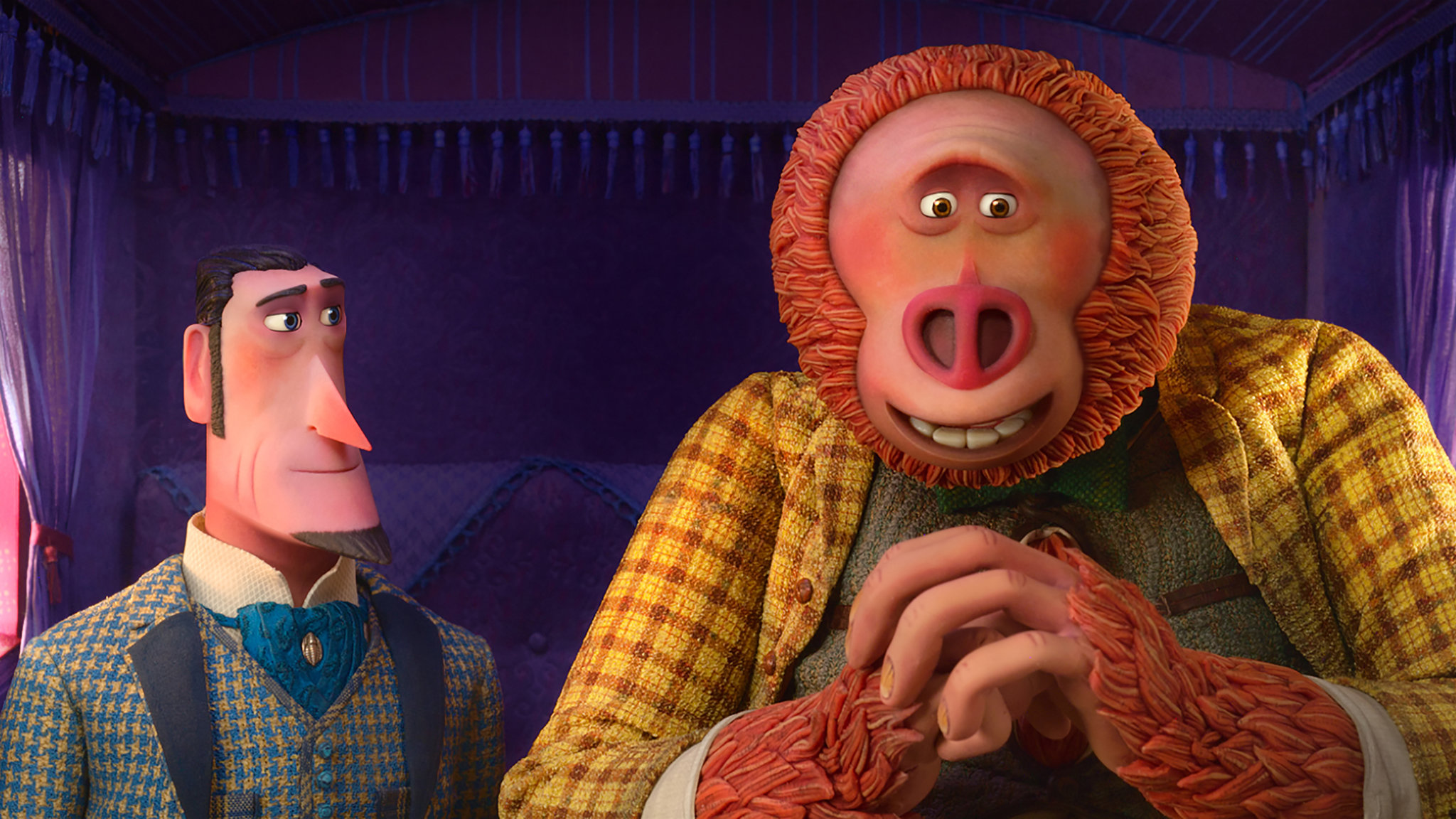
Creativity and artistic spark in Missing Link manifest not in the dialogue, but in the visuals. Here, Laika once again sets the highest standard. Every location—London, grimy and sticky with mud; the sparsely lit American towns of the Wild West; or the cool interiors of a transatlantic liner tossed about by towering waves—is crafted with unmatched precision. The miniature- and puppet-based stop-motion technique gives every object and character its own distinct weight, texture, and color.
The film’s standout moment is the maritime sequence mentioned earlier. It features a clever twist on a certain famous scene from Christopher Nolan’s Inception, an original staging of dialogue that enhances the characters’ dynamics, and an unfriendly atmosphere—driving rain, relentless wind, colossal waves—creating an impressively immersive mood.

In the end, Missing Link is nothing more than a fleeting, modestly ambitious, solidly told adventure story. It’s certainly not a misfire, but from Laika I always expect far more.

