
Review
THE SOUND OF INSECTS: RECORD OF A MUMMY — Inevitable Decay
Liechti certainly gives food for thought—he shows something that awaits each of us beneath the wooden coffin lid, yet still makes the whole into a truly original film.

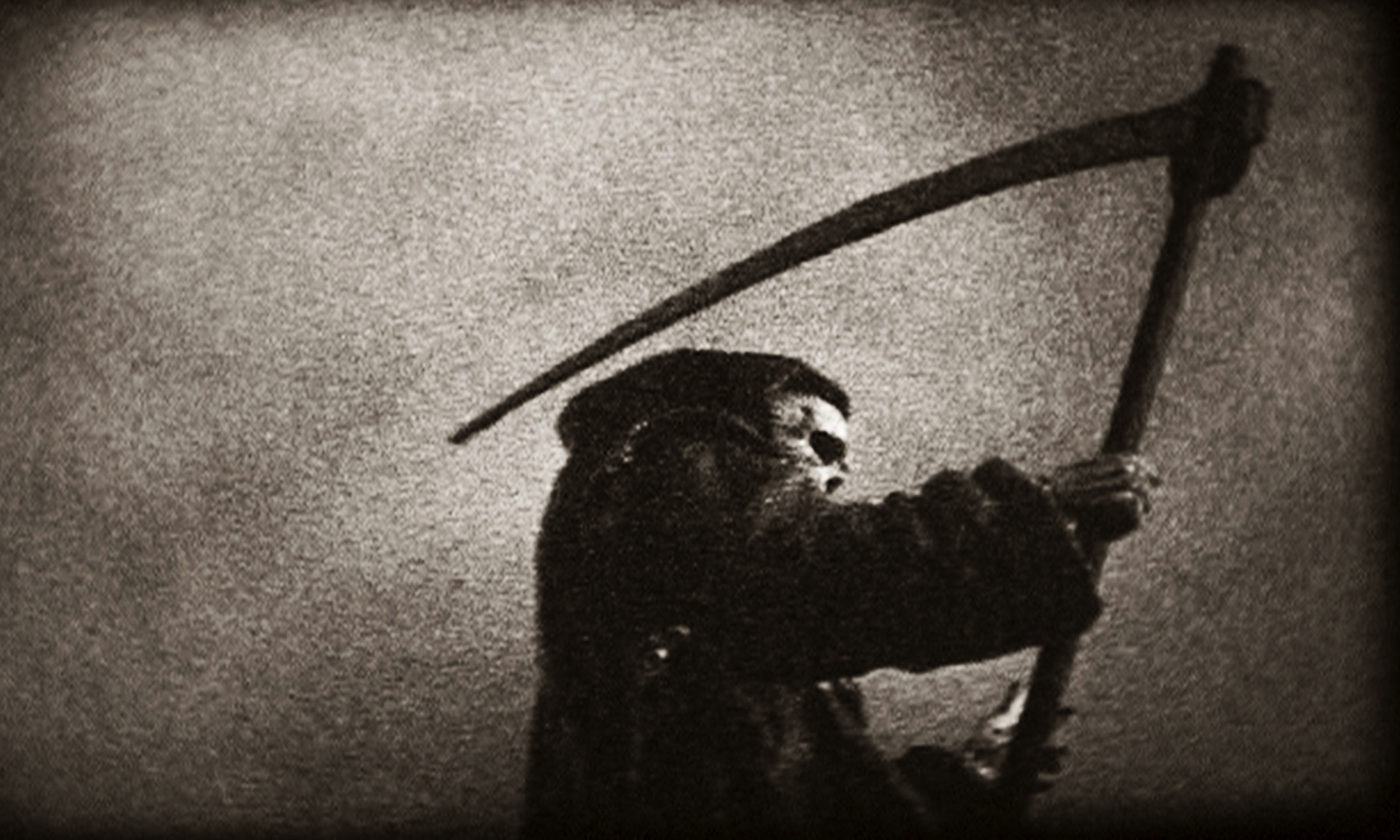
The trend characteristic of the last few years is to present death as a spectacle full of blood spurting from everywhere. Here a severed hand, there a sawn-off foot, elsewhere a head crushed with a blunt tool. A massacre deprived of any reflection on the very process of dying is exaggerated to such an extent that it becomes a funny little story for a not very demanding mass of viewers or for fetishists of the genre known in encyclopedias under the term gore. The Sound of Insects: Record of a Mummy.
Despite the clear popularity of this type of cinema, every once in a while a production appears on screens that approaches the subject from a completely different perspective. Something like Into the Wild appears, glorifying life. Showing death that—put most simply—results from overstepping the limits of its classic opposite. 33 Scenes from Life appears, which—stripping dying of that academic dignity—delivers the viewer a stinging slap to sober them up. Liechti’s film belongs to that second group. One dies in it in the suffocating fumes of the profane; there is no place for the sacred. Death is presented as a normal process, something thoroughly human, an inexorably progressing decay.
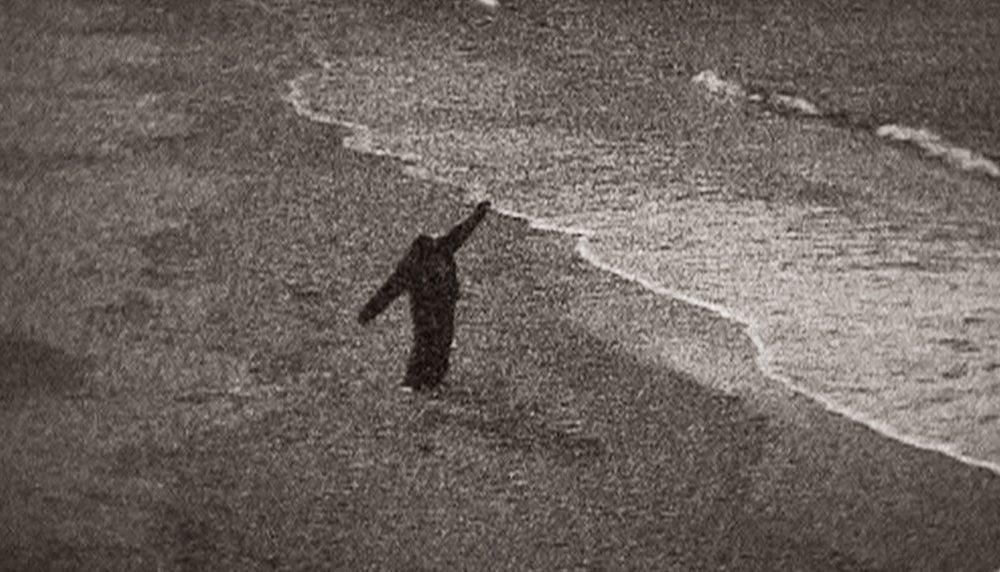
We know only this about the main character: he is a man who, at a certain stage of his life, decided that the ideal place to end the earthly torment would be the fiercely green, waterlogged forests on the fringes of human civilization. Driven by some strange impulse, of which we know nothing, he decides to help the weary Grim Reaper by depriving himself of life without her miraculous yet terrifying intervention. However, the man is not the typical suicide who writes a letter and hangs himself on a forest branch, or jumps out of a high-rise window to end his life on the gray, hard tiles several floors below.
Even in such a serious matter, he strives for originality—he wishes to die of starvation, in the wetlands of the forest, of course. He eats his last meal, spends the remaining money on pinball, and with a piece of vinyl sheet, a few books, a notebook, a marker, and a radio, he sets off on his final journey.
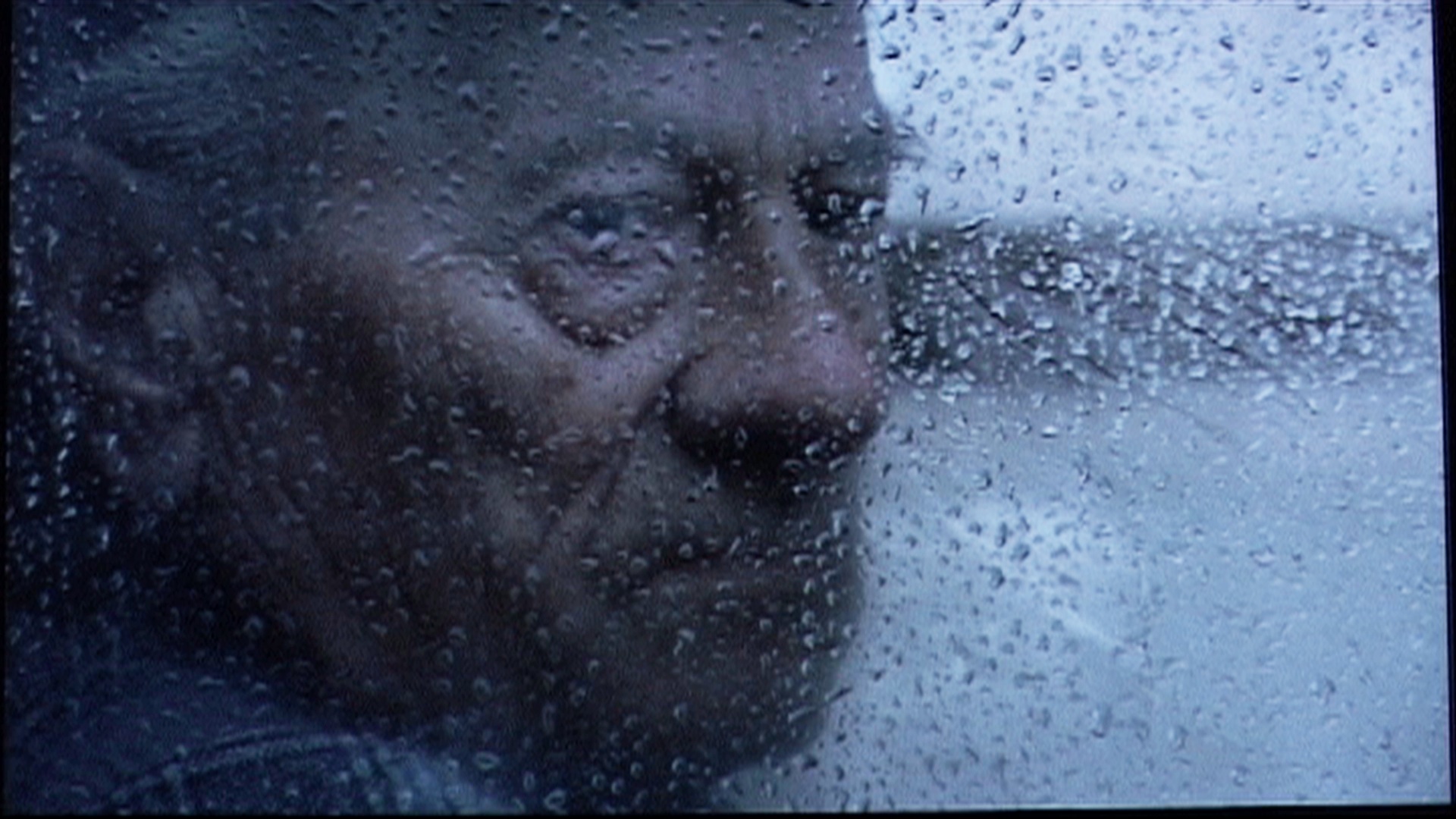
The film constitutes the materialization of the notes of a man dying in torment. His real sensations blend with hallucinations of a mind deprived of strength and means for proper functioning. Without any logical explanation from the standpoint of the presented world, we see an elderly man singing in a smoky room, who a moment later is replaced by the protagonist’s passionate account of his last bowel movement. Then Bach’s music depicting a rising storm and admiration for Beckett or Dante’s Divine Comedy. Jumping from note to note, from reflection to reflection, from a brief moment of awareness to a sleepy product of a disoriented subconscious.
A big advantage, at least in my view, is the character of the suicide himself. We do not know his motivations, we do not know his face, age, or life story. These factors make it difficult to identify with the dying man in any way. Moreover, the longer the film lasts, the greater the disgust one feels toward the protagonist. Just an ordinary egoist, convinced of the enormity of his own intelligence, decides to end a world that cannot offer him a happy existence. He lacks the strength to fix the tent’s structure, stretch his bones, or gather firewood, yet his determination allows him to write another note or focus on the stylistic excellence of Dante’s hell.
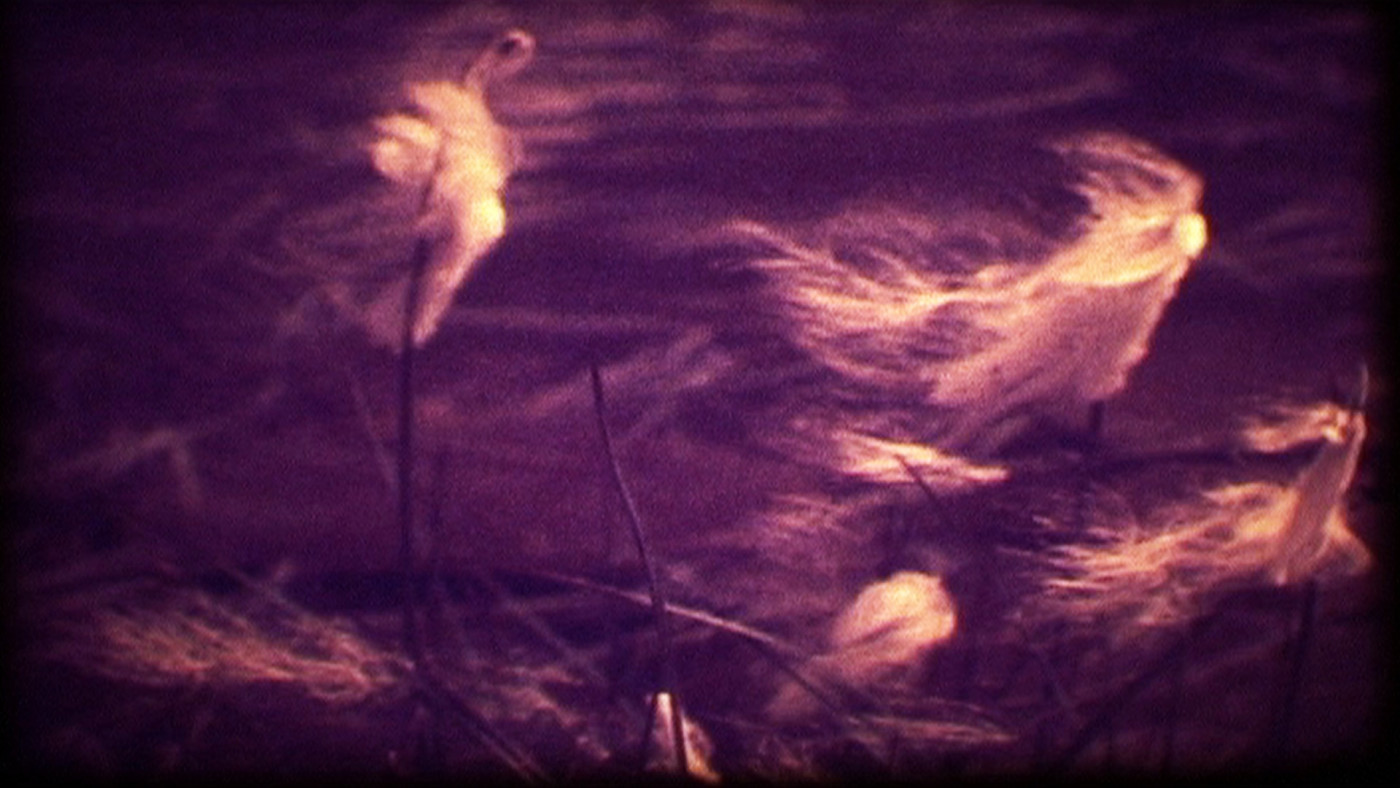
Extremely improbable, and if anything, extremely snobbish. Such an attitude practically screams—find my corpse, lament the fate of this intelligent individual, read my notes. It is precisely the last point that says the most about the mummy—he wanted to die, but he did not want to be forgotten, or in other words—he wanted to be noticed in life, but his creativity prevented him from achieving this goal in a normal way. This attitude cruelly backfires on Liechti’s protagonist. Any attempt to give meaning to his struggle with life, however we look at it, comes to nothing.
What of it that Bach’s notes drift into the air from beneath the vinyl sheet, that the words of the most gifted writers bounce off the plastic walls? What of it that the man allows himself digressions concerning faith (here one may again cite a scene attesting to his egocentrism: when the protagonist hears strange noises near the shelter, he assumes someone is approaching. He decides that the coming of rescue will be a sign from God, who has decreed that the protagonist must not die. Is the man really so special that he deserves a personal deus ex machina?)?
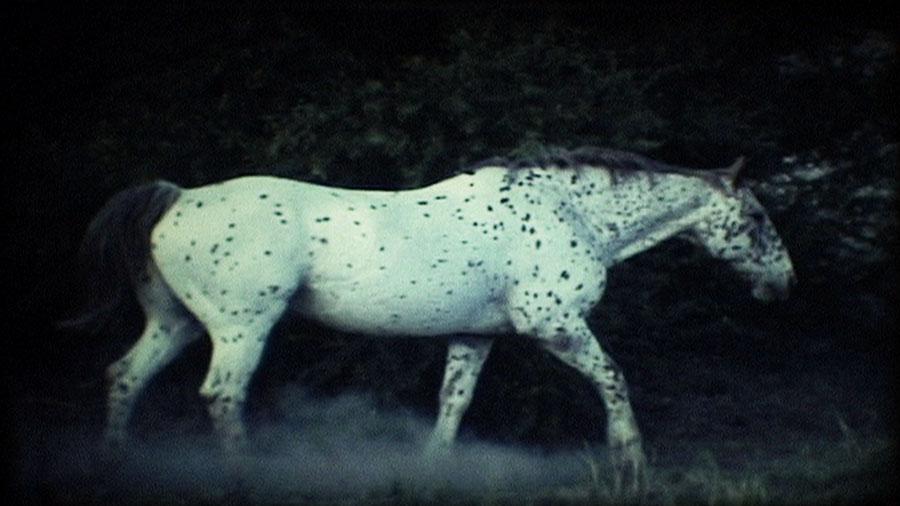
All this high-cultural aura created by the dying man around himself seems merely farcical when we look at the very process of dying. Less and less frequent urination, cessation of defecation, stomach pains, dying limbs—there is no place for high culture here; it is dying, a biological process common to all organisms. Honestly, with each passing day from the notebook, I found myself rooting more and more for the forces of nature. If you sacrifice your life to become famous after death, then die. If, despite your ability to admire high culture and having passion, you prefer to lie in a vinyl tent and slowly decompose, then decompose.
Your choice, man—only it gives any sense to your entire undertaking. The only key to rationalizing it is the phrase because I want to. Only, if that is how we frame the matter, why drag God and higher powers into all this? Reflecting on the rather enigmatic title, I came up with an idea. Maybe these worms, these mummies appear not only because they indeed accompany the events recorded on tape? After all, both vermin and mummy connote death, and death has become (as I noted at the beginning) excellent entertainment and a lucrative commodity.
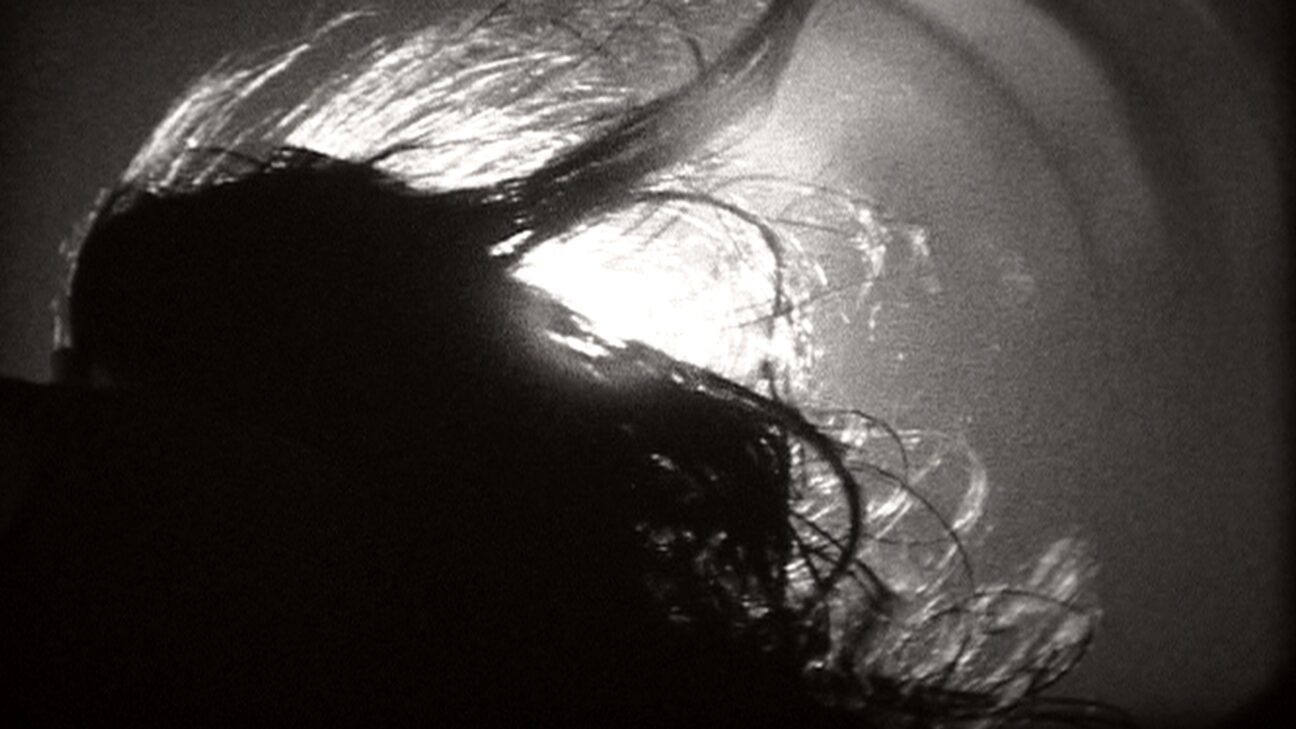
Maybe the Swiss film is intended as an antidote for all the Saw children who, excited by the title, will rush to cinemas for yet another massacre with a wink? Maybe the protagonist aims precisely to evoke aversion in the viewer, to repel, to highlight the hopeless dimension of dying associated with biological decay—so alien to humans, who tend to symbolize even the smallest element of reality, let alone such an important one? Liechti certainly gives food for thought—he shows something that awaits each of us beneath the wooden coffin lid, yet still makes the whole into a truly original film.
And what of it that the protagonist may be unlikeable? Ignore the egoist—we at least get a happy ending and don’t have to shed tears over yet another unhappy soul whose miserable life we have been introduced to by emotion-manipulating filmmakers. It evokes extreme emotions, makes one think, does not leave one indifferent, is different—I recommend it…

