
Review
Looking Back at VELVET BUZZSAW: A Horror of Art
It is possible, that Velvet Buzzsaw is one of those intrusive demons hidden in the painting, returning precisely when we momentarily stop looking.

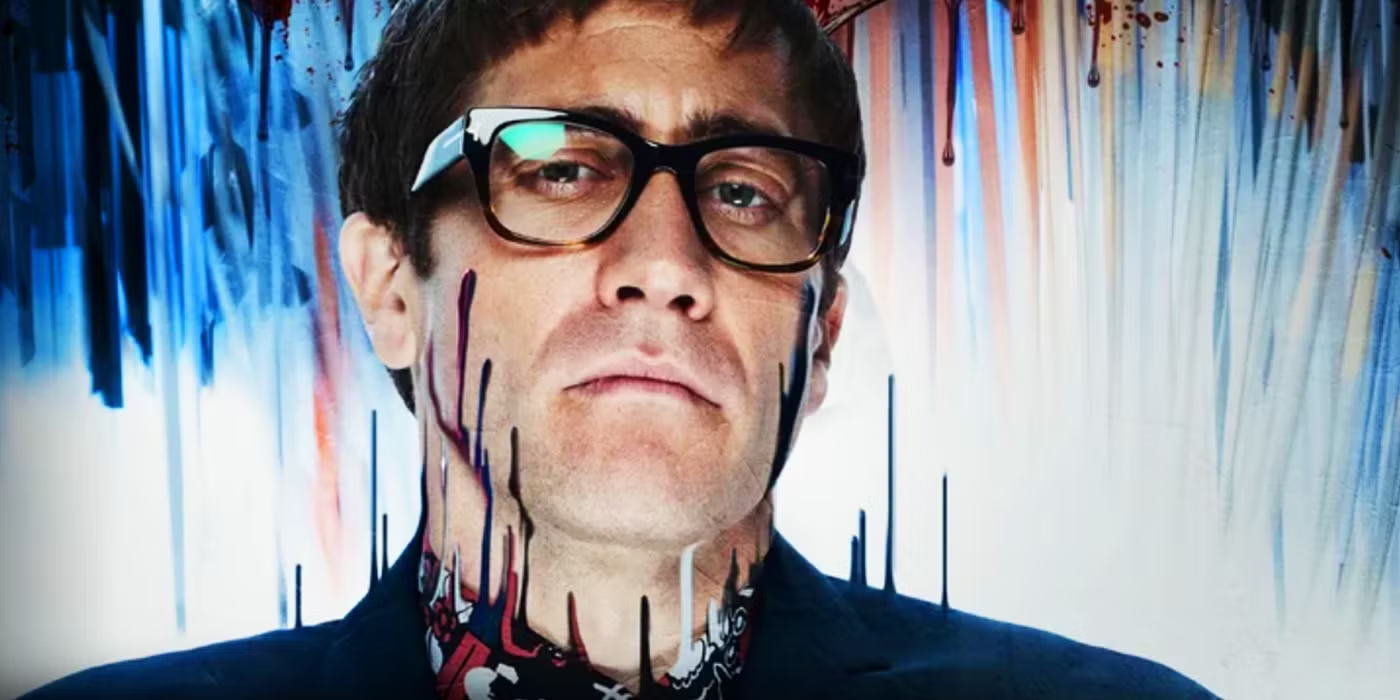
Strange film. That thought appeared in my head somewhere in the middle of the screening and stayed with me until the end. Velvet Buzzsaw is as extravagant as the art it talks about. I did not know what cinematic definition it belonged to, because in its style and content it combined many, often contradictory, ideas. This strangeness also affected me when I began to wonder what the creator wanted to convey through the film. On the one hand he reached for something very important, the nature of art itself, but on the other his conclusions turn out to be rather worn out.
Dan Gilroy emphasized in interviews that if he had to indicate the source of creative inspiration for Velvet Buzzsaw, it would be The Player by Robert Altman – not so much in content as in style. While watching his new film, however, a completely different association came to my mind, much more banal. Do you remember the scene from Ghostbusters II in which a certain Janosz Poha, working in a museum, stops in front of a demonic painting and becomes a witness to the moment when the painting begins to come alive? And from a somewhat higher shelf – perhaps you remember what Oscar Wilde wanted to convey with his The Picture of Dorian Gray?
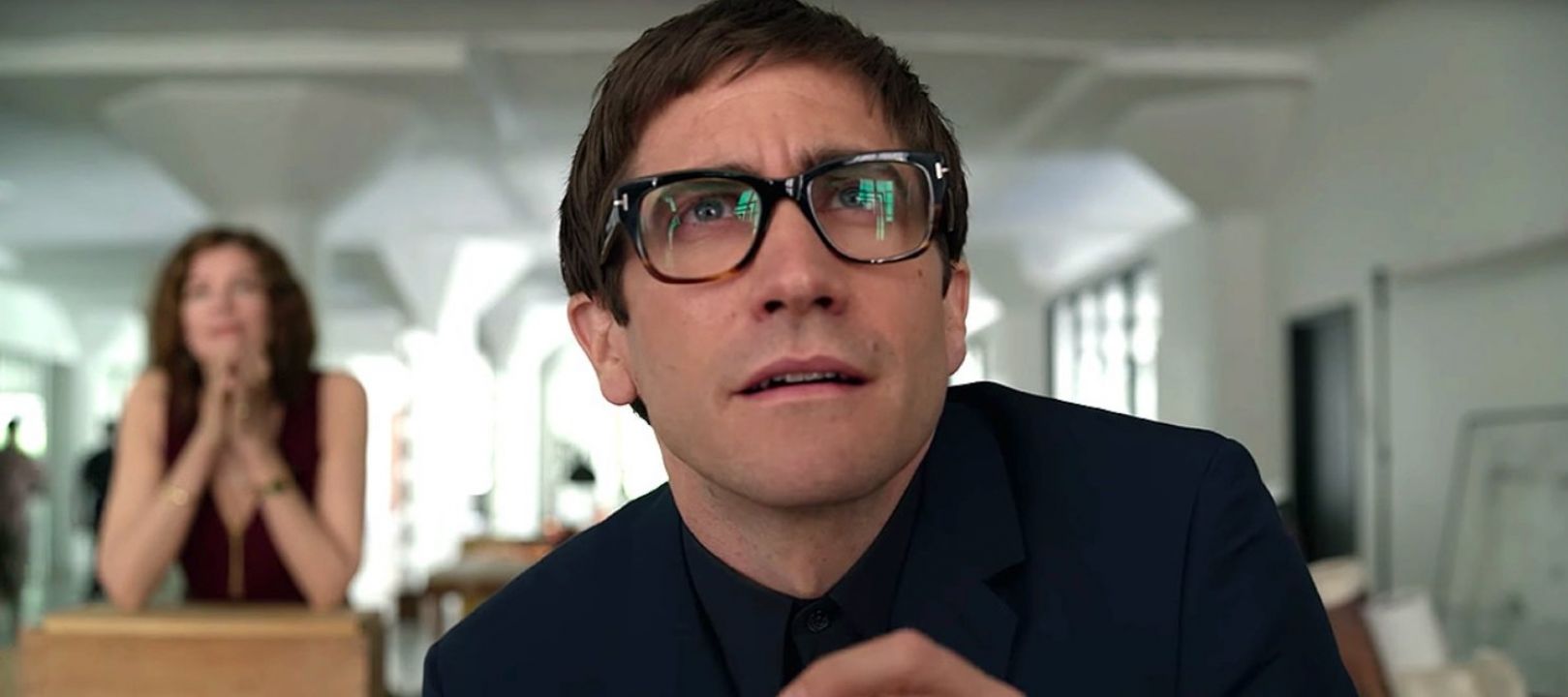
Velvet Buzzsaw is a mix of two highly intriguing assumptions derived from the background of art theory. That the work of an artist is a process of selling one’s soul to the devil, of slicing oneself into a series of elements that then complete the work. Art is also the triumph of aesthetics, beauty in itself, always initiated by the will of the heart and by the deep need of the artist to share with the world the ability to speak about that world.
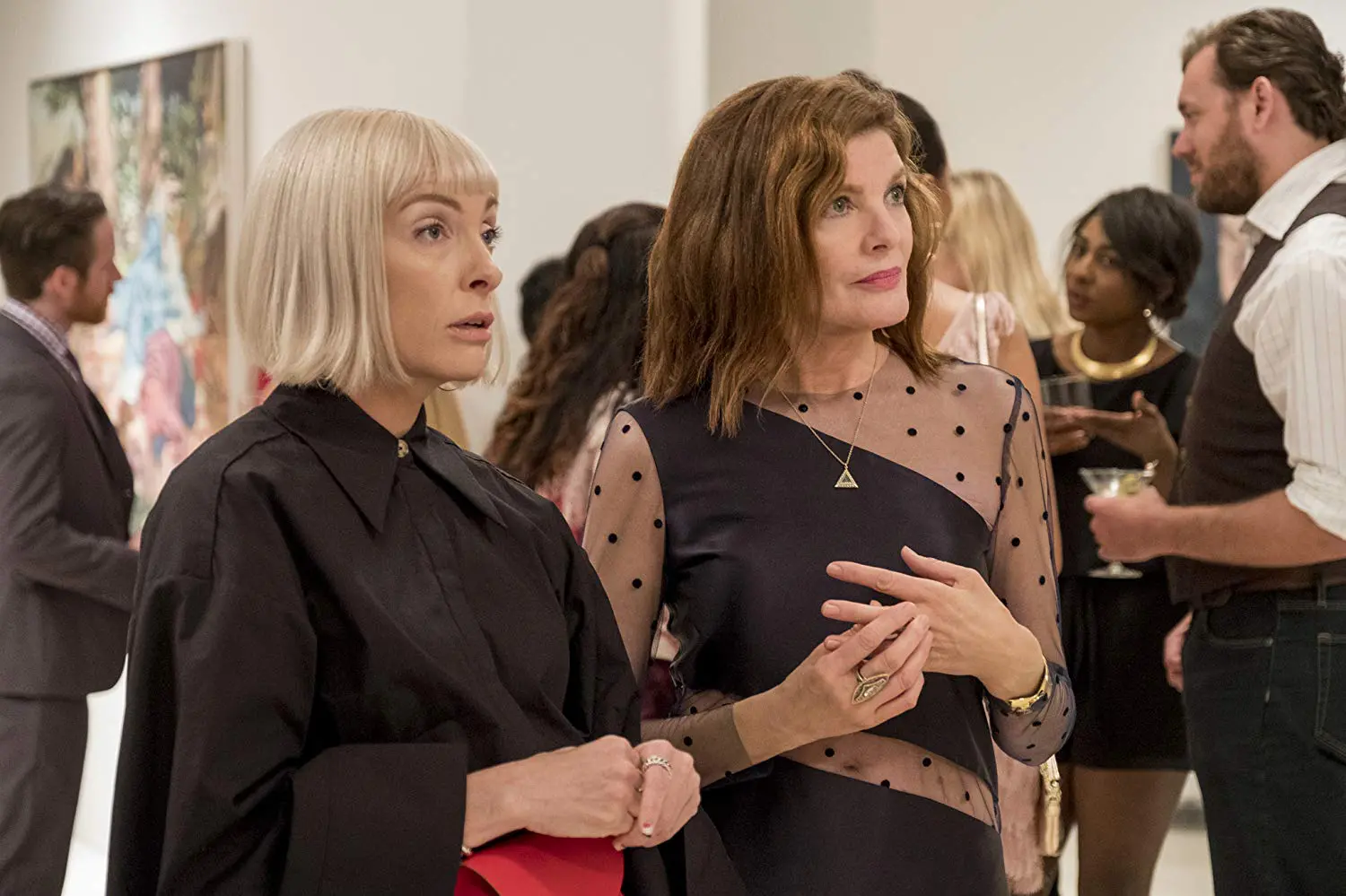
That is precisely why the main characters of the film are a respected and sharp art critic (Jake Gyllenhaal) and the owner of a prestigious gallery (Rene Russo). Through the adventures they experience, both of them discover firsthand what true, moving, living artistry really is.

I hope that people look at art in a slightly different way. Every time you listen to a piece of music or look at a sculpture, a painting, or a film, you realize that the creators invested in their work what is considered their creative soul. For me that is something a little sacred, and I think we have lost it a little. I would like us to be able to return to it. The director himself sells us the interpretative key we should use while watching Velvet Buzzsaw.
In this way he makes his third feature film a work that is in its own way self-referential, because it contains reflections on the essence of the work of art in general. This is not the first time Gilroy has followed this line of thinking. In the excellent Nightcrawler the director showed the dark side of media messaging subordinated to the rules of sensation and drama. Unfortunately, in his newest film Gilroy did not manage to match the flair of his directorial debut.

In fact the comparison holds only in one element – the acting. The two main roles in Velvet Buzzsaw were written by Gilroy for the pair Gyllenhaal and Russo, the actors who played the leading roles precisely in Nightcrawler. The former once again performs brilliantly, injecting a seemingly simple role with a hint of genius. Truly, the longer I observe Jake’s skills and his choice of roles, the more convinced I become that he is one of the best contemporary actors of his generation. That is that. Russo, on the other hand, is a class of her own, and once again she emphasizes that class very well, creating her version of the femme fatale. This pair carries the film on their shoulders.
The problem with Velvet Buzzsaw arises, however, at the stage of the plot. As I suggested earlier, Gilroy has very important and interesting thoughts to present, but he chose a narrative path that is not necessarily the right one to express them. His film is very uneven, mixing flashes of genius visible in some horror scenes with narrative blandness, tonal inconsistency, and, worse still, excessive aestheticization of the means of expression. I had the impression that the director tried so hard to be original and eccentric that he unwittingly stepped into the shoes of certain contemporary artists who see ideals where others see trash.
The director himself, in fact, seems aware of the trap he set for himself. In one scene a character entering a certain artist’s studio expresses unrestrained admiration for his newest work. The artist, however, replies with equal lack of restraint that his work is located a few meters farther away, because what the guest is looking at is nothing more than bags of garbage. And that is how it often is with art. An artist may sweat, may ignite much fire during the process of creation, and still fail if he does not reach the sensitivity of the viewer, who often searches not where one should search.
Gilroy did not reach me. Throughout Velvet Buzzsaw I kept waiting for some kind of breakthrough, a sort of climax capable of finally provoking an emotional tension in me that would sharpen my attention. I experienced nothing of the sort. I received a festival of banalities, admittedly delivered with a graceful, sexy brushstroke, yet saying nothing I did not already know. It is possible, however, that this is one of those intrusive demons hidden in the painting, returning precisely when we momentarily stop looking. Let me know whether it surprised you after all.


Looking back at DEAD SNOW: A Blizzard of Nazi Gore Fun

DEAD SUSHI: Exotic, Spicy, and Wildly Entertaining

Revisiting ALICE, SWEET ALICE: Dread and Religious Symbolism

PUPPET MASTER: LITTLEST REICH – Achtung! It’s Good!
