
Horror Movies
Looking Back at LEATHERFACE: Compelling Horror Experience
The script of Leatherface contains a story compelling enough that the screening does not resemble a compilation of unrelated cruel murders.

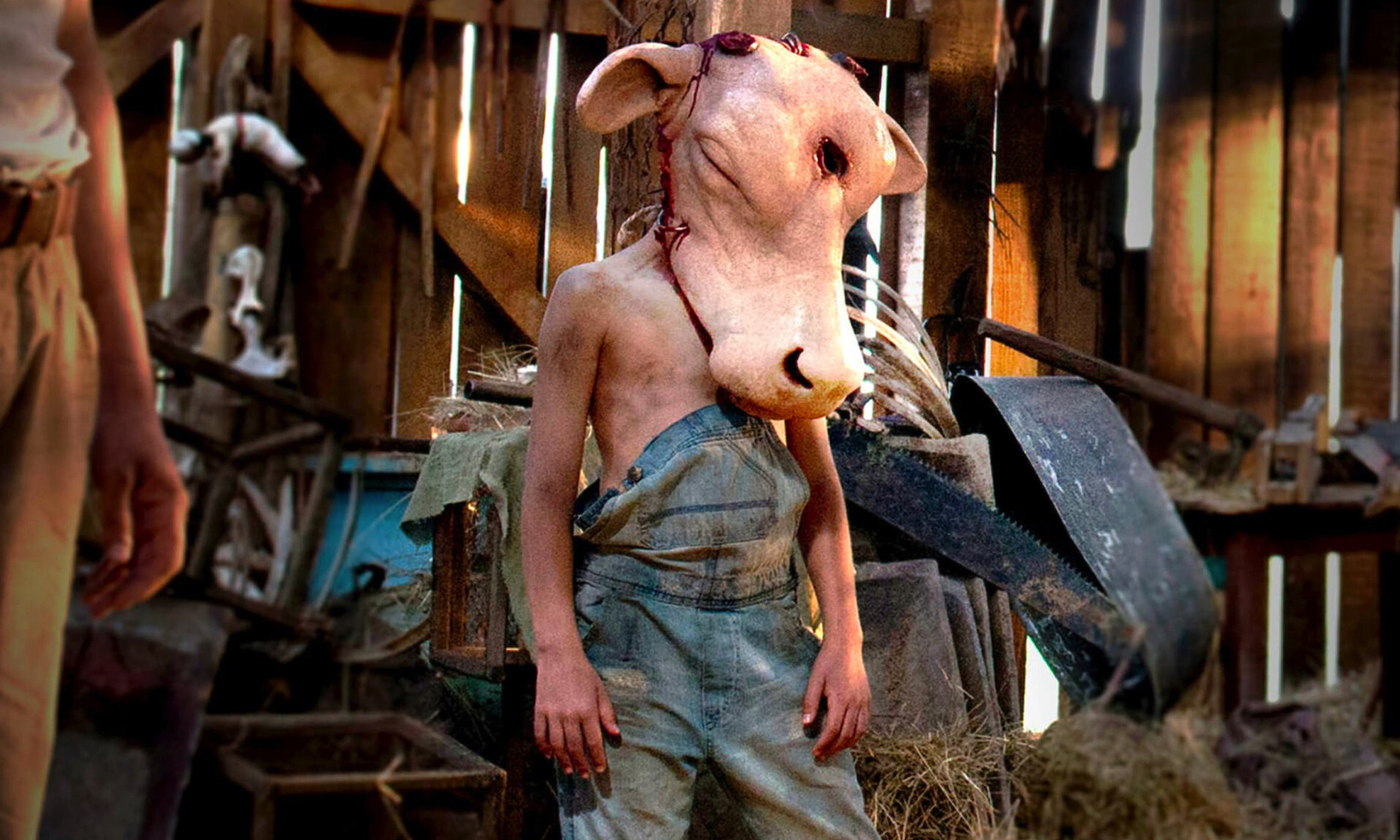
Although Texas here plays the much cheaper-to-film Bulgaria, and the chainsaw appears only at the beginning and at the end of the film, the creators of Inside and Livide undoubtedly serve us a piece of solid slaughter, Leatherface.
This is already the eighth part of the series, which elevated horror to a higher level of brutality. A series exceptional in that it never fell as low as Friday the Thirteenth or Halloween, and even its 2003 remake turned out surprisingly solid. The recipe for success seems obvious: nobody sent Leatherface into space, nobody made him fight Busta Rhymes, and nobody had the idea of making a part in which he does not appear at all. What is surprising, however, is that no one over all these years attempted to tell the story of Jedidiah Sawyer from the very beginning, showing the origins of one of the most terrifying psychopaths in pop culture history.
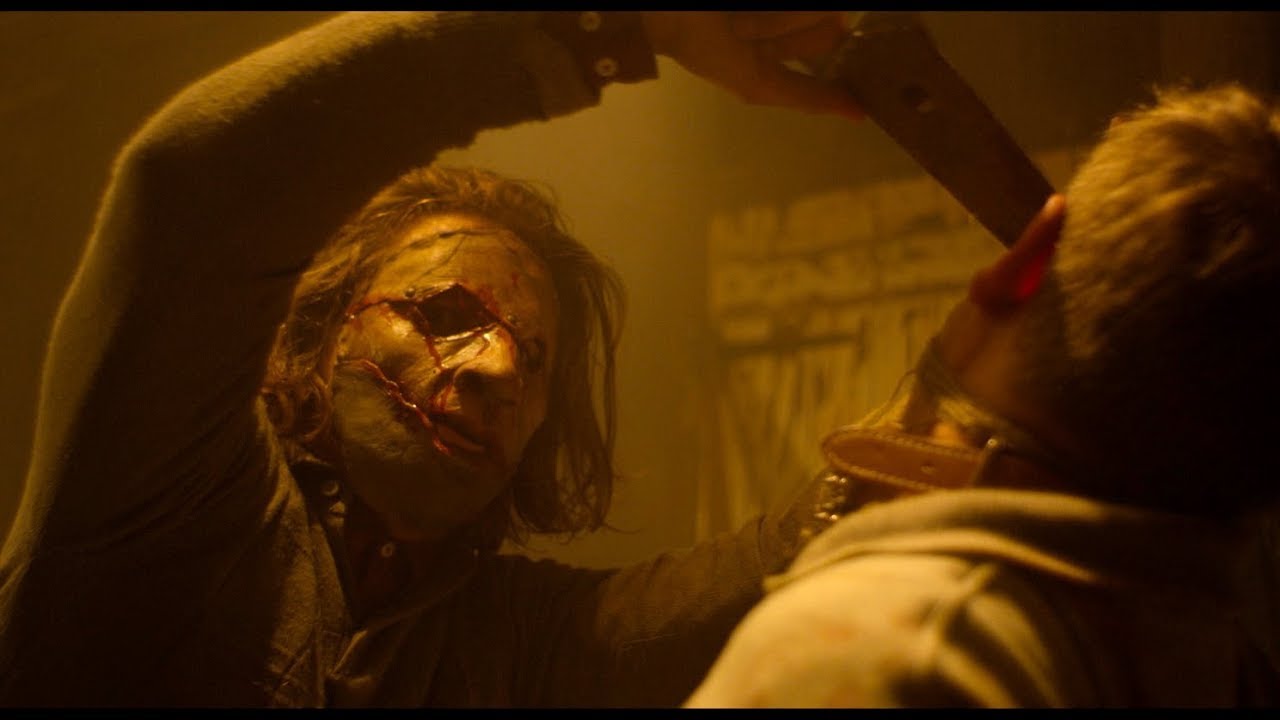
Someone might object, because years ago a film The Texas Chainsaw Massacre: The Beginning was made, with a fairly straightforward title, but here typical complications of long-running series begin to appear. In this version, Leatherface is named Thomas Brown Hewitt and is considered by many to be an alternative version of the character originally portrayed by Gunnar Hansen. In the same story, however, we also meet an infant named Jedidiah, and the killer clearly experiences a strong “paternal” instinct. Is the original Leatherface therefore his son?
That will probably remain forever in the realm of speculation, but the story of the real killer introduced to the world of film in 1974 is only now revealed. Unlike, for example, Michael Myers, Jedidiah Sawyer turns out not to be evil incarnate, and this is the strength of Leatherface. Observing the process of degradation of a teenager who does not display pathological traits by nature but because of a disastrous upbringing and so-called “bad company” is a compelling experience.
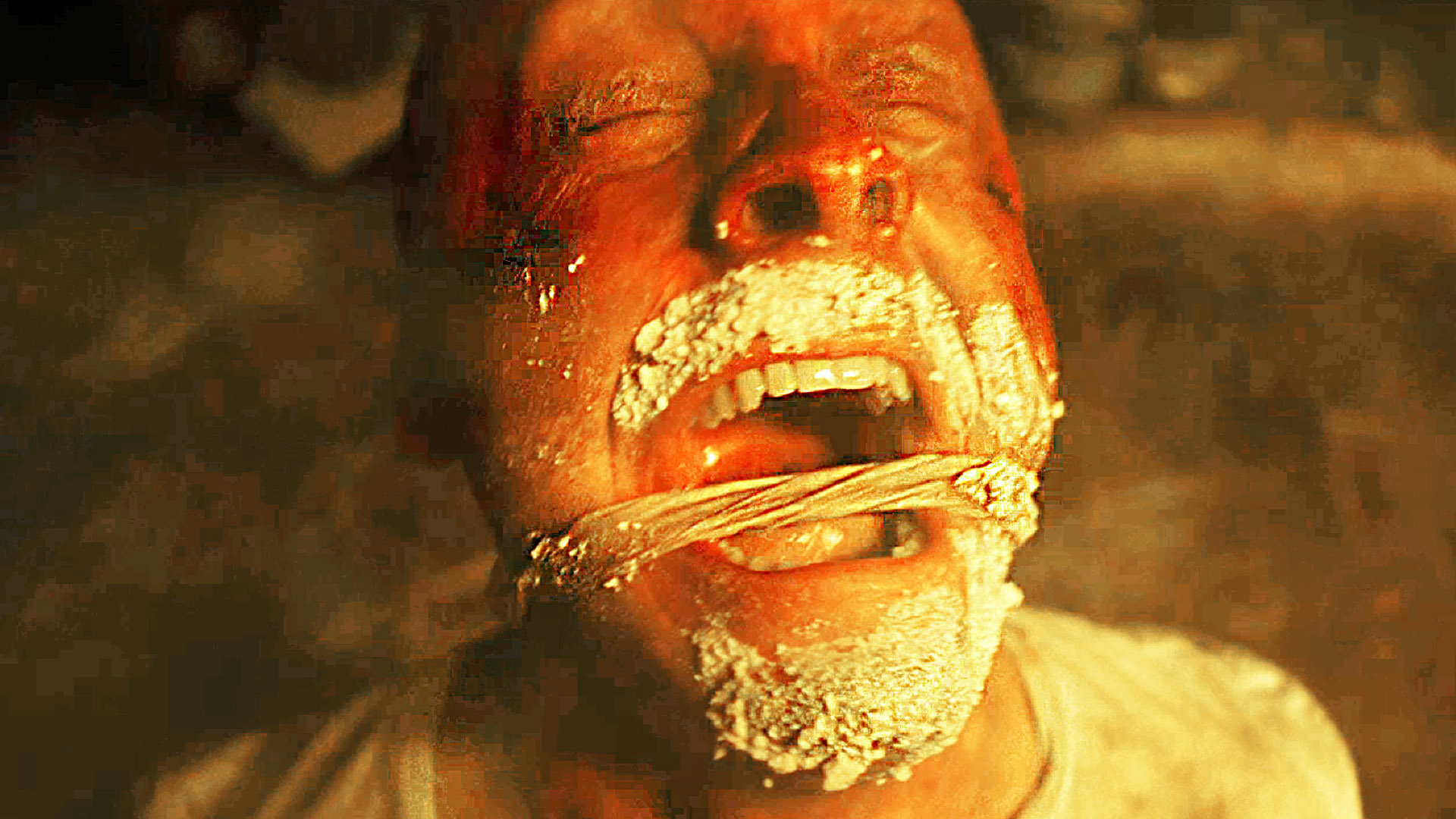
On the surface, this might seem like a crime against the canon, after all, Leatherface has always been regarded as a monstrous yet mentally handicapped being. Showing him as a healthy human being deprived of freedom and conscience, however, makes a much stronger impression than a simple story of madness coded in the genes, which we have seen many times before.
Screenwriter Seth M. Sherwood, for a more credible depiction of the transformations occurring in the mind of the main character, turned to the best possible sources – conducting numerous conversations with Hansen and the late Tobe Hooper, director of the first part and here also a producer. Their input had a decisive influence on shaping the psyche of the young Sawyer, which adds credibility, because who could know better than the creator himself? Additionally, we receive a lot of Easter eggs and references to previous parts.
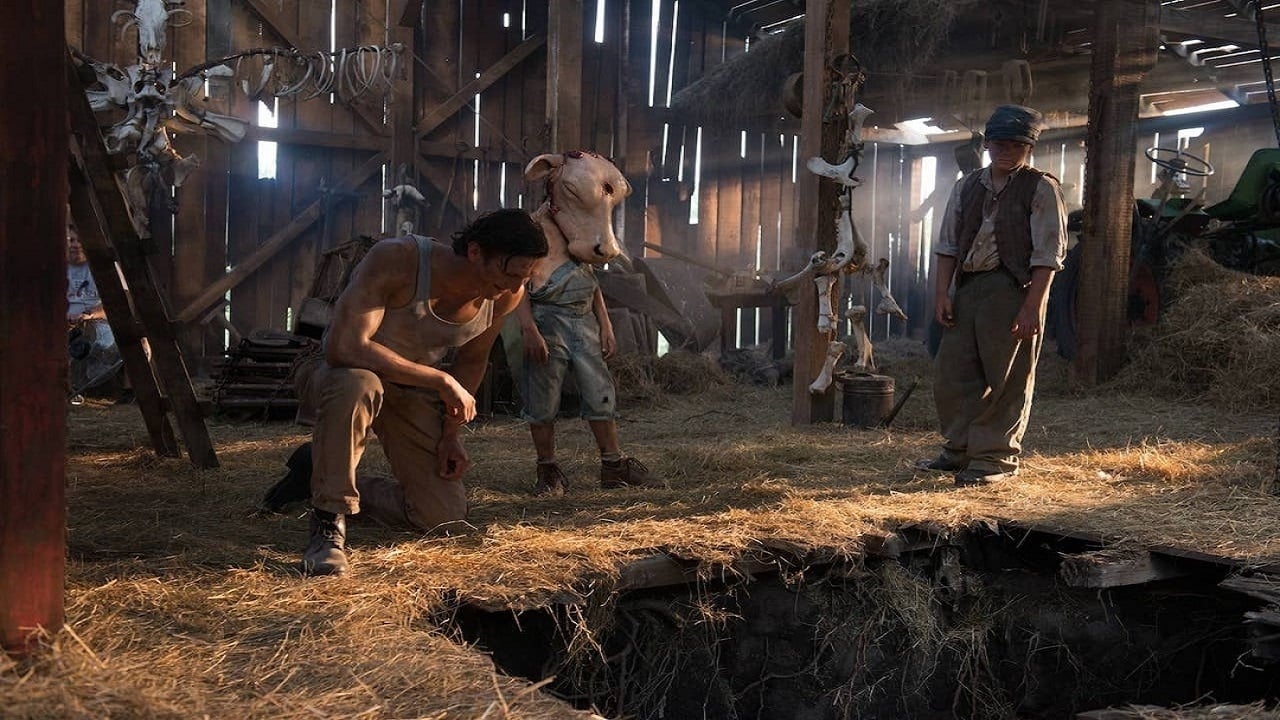
For the first time in history, we can see Sawyer’s grandfather as a living being, not just a blood-feeding “mummy”; Nubbins Sawyer returns, the hitchhiker from the second film; and Hal Hartman (Stephen Dorff) is the father of Burt Hartman – the fierce enemy of the pathological family. Dorff, alongside Lili Taylor, delivers the most interesting performance in the film. Both command all attention every time they appear on screen. The most fascinating aspect, however, is how the creators decided to portray each character.
The characters in the film are ruthless. In many moments one might expect an act of mercy, a trace of compassion, a turning away and leaving a hurt or frightened victim alive at least for fun, but here nobody spares anyone. Innocent people in the path of a gang reminiscent of the antiheroes from Natural Born Killers or The Devil’s Rejects do not escape, they do not get time to find safe shelter when the villain stumbles, loses a murder tool, or is tricked like a child.
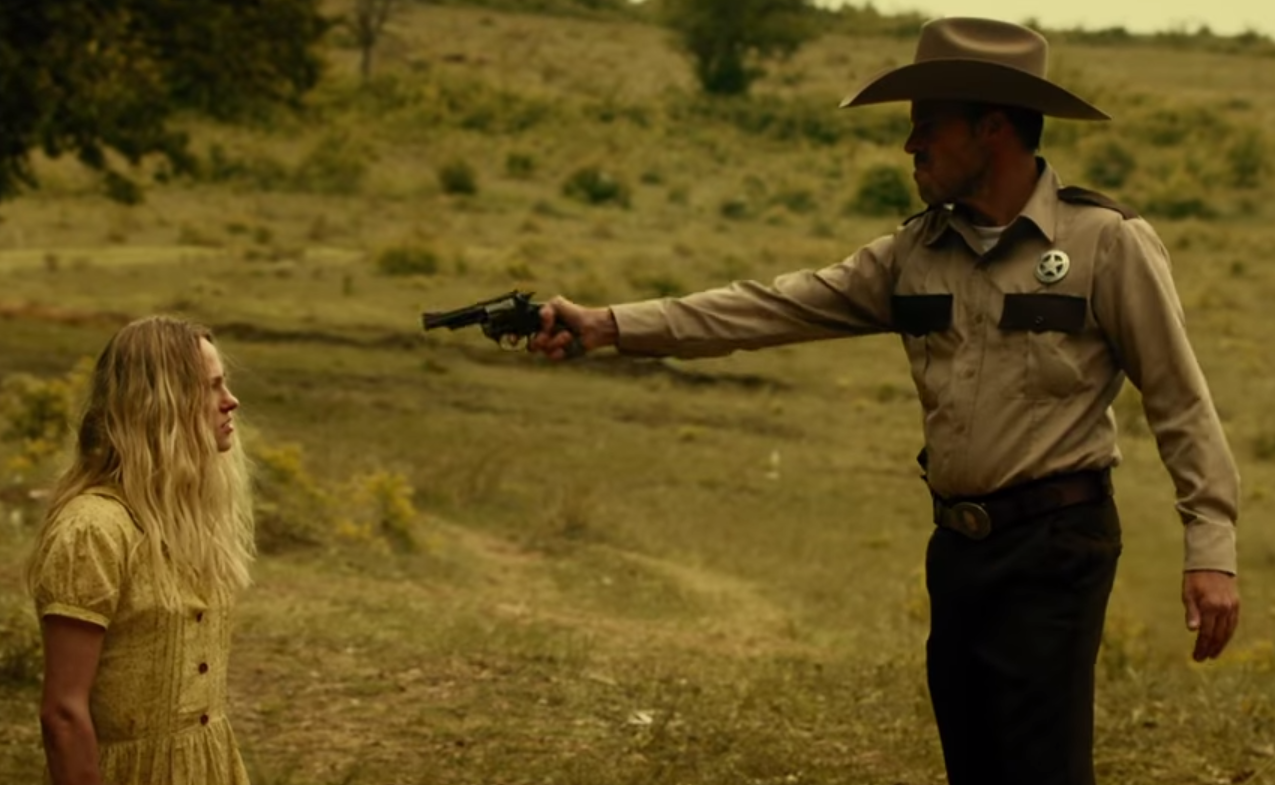
Every single person is struck by the cruel hand of injustice, but brutal entertainment is not an end in itself. The script contains a story compelling enough that the screening does not resemble a compilation of unrelated cruel murders.


