Review
ME BEFORE YOU. Easy to Place Within its Cultural Moment
Me Before You turned out to be very much a romance, which meant I was fundamentally unprepared for what it was trying to offer.

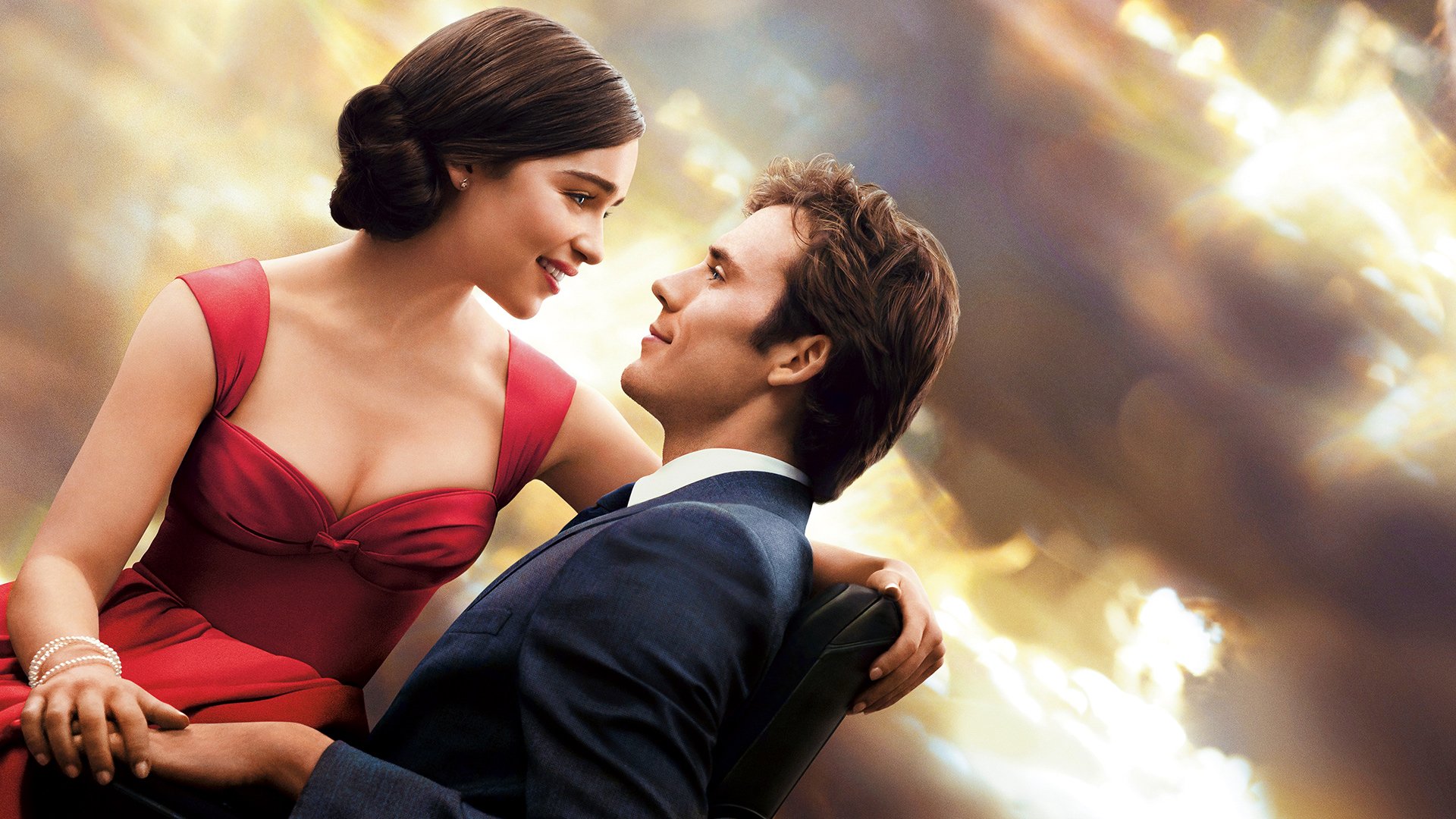
If I were asked to describe Me Before You in a single word today, it would be “irritating.” Looking back at the film years later, that reaction hasn’t softened—if anything, it feels more clearly defined by time and context. Part of it is simply personal taste: romantic films have always tested my patience, and despite being marketed as a drama, Me Before You turned out to be very much a romance, which meant I was fundamentally unprepared for what it was trying to offer. The second reason is more structural. In a genre that is, by definition, rarely surprising in narrative terms, the emphasis should fall on characters who are engaging enough to compensate for that predictability. And this is precisely where the film struggles.
Lou Clark is a twenty-six-year-old woman from a working-class family. Despite her age, she is painfully childish—naive, overly chatty, dressed in loud, quirky outfits, and almost aggressively cheerful. She talks constantly, and her worldview is confined to the small town she has never left, where she begins working as a caregiver for Will Traynor, a paralyzed man. Will, by contrast, is wealthy, mysterious, handsome, and intelligent—a man with a past, someone who once had the potential to become “someone important.” At first, Lou’s relentless optimism and nonstop chatter irritate him, but over time the two form a bond. Through Will, Lou is meant to rediscover herself.
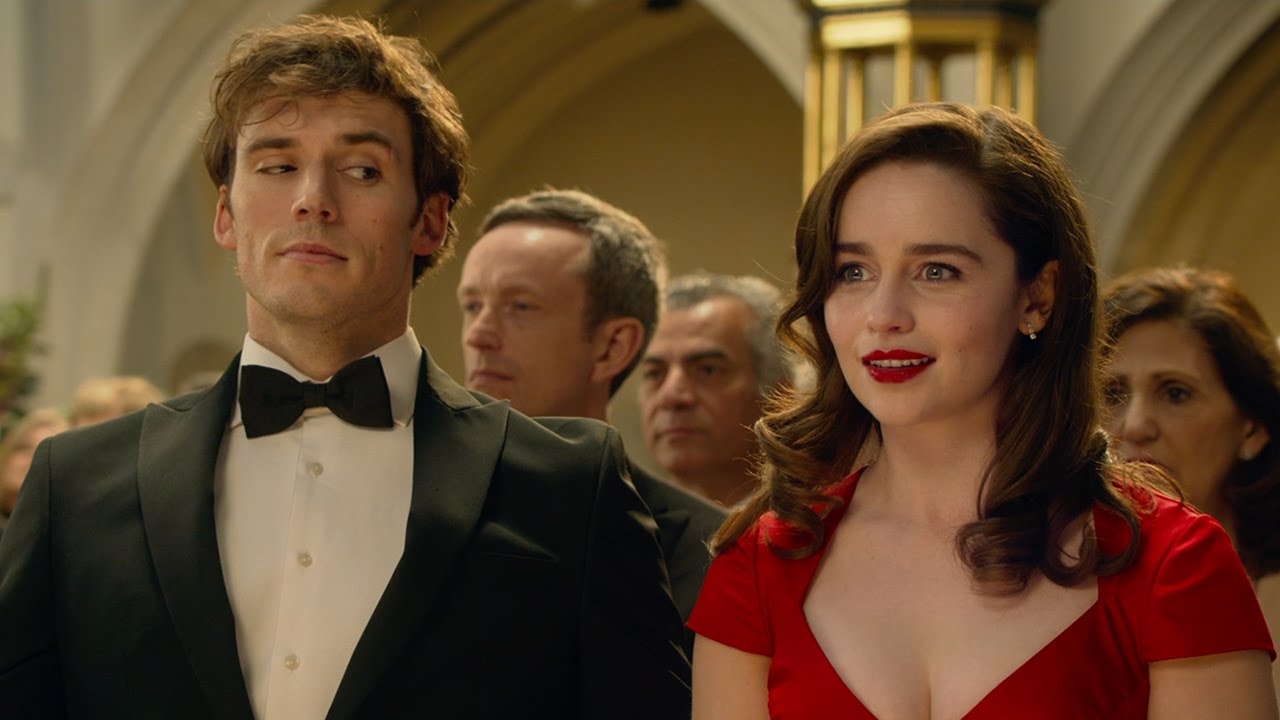
They watch films together (not just any films, but subtitled ones—an absolute novelty for Lou, just like the idea that films can actually be good), listen to music, and take walks. I don’t know about you, but I counted at least three or four well-worn clichés along the way. The list of archetypal—and therefore uninteresting—characters also includes Lou’s boyfriend Patrick: a self-absorbed fitness fanatic who talks endlessly about training, running, and sports, even in the presence of a paralyzed man, and who shows little genuine interest in his girlfriend. The remaining characters exist largely as background decoration, with only Lou’s sister Treena receiving slightly more screen time.
Me Before You is a film adaptation of Jojo Moyes’s novel of the same title, with Moyes herself writing the screenplay. Unsurprisingly, this results in a very faithful adaptation. At first glance, it can seem as though there is some potential buried there. Before getting into the details, I remember hoping that the story merely sounded weak on paper and might work better on screen—especially given the cast. Emilia Clarke (Game of Thrones) and Sam Claflin (The Hunger Games) play the leads, supported by Janet McTeer (Divergent), Charles Dance (Game of Thrones), Brendan Coyle (Downton Abbey), Jenna Coleman (Doctor Who), and Matthew Lewis—whose association with Harry Potter hardly needs explaining.
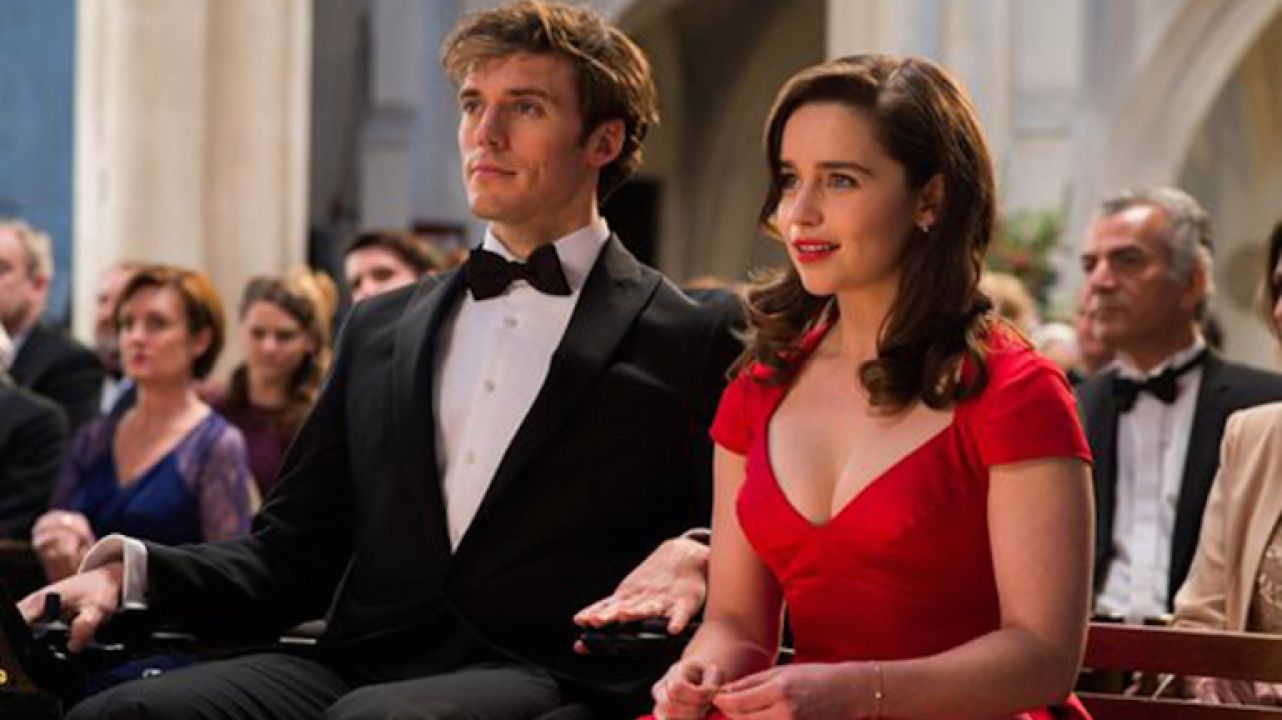
Unfortunately, Emilia Clarke’s performance relies heavily on exaggerated facial expressions, particularly her eyebrows, and a slightly too-high vocal register. Sam Claflin doesn’t exactly leave a lasting impression, but he is more convincing than Clarke and at least manages to come across as likable. The rest of the cast, despite their potential, barely get the opportunity to make an impact—their combined screen time amounts to perhaps twenty minutes at most.
Another contentious aspect is the film’s heavy-handed moral message. Me Before You repeatedly engages with the subject of euthanasia and the ethical dilemmas surrounding it. This is, of course, a sensitive and complex issue, and the author clearly wanted to take a stance. The problem is that the film presents only one side of the argument, effectively silencing all others. Had it allowed for genuine debate—had it explored arguments both for and against—it might have become a richer, more thought-provoking work. Multiple perspectives tend to invite reflection and meaningful discussion, and they might even have added a layer of controversy the film otherwise lacks.
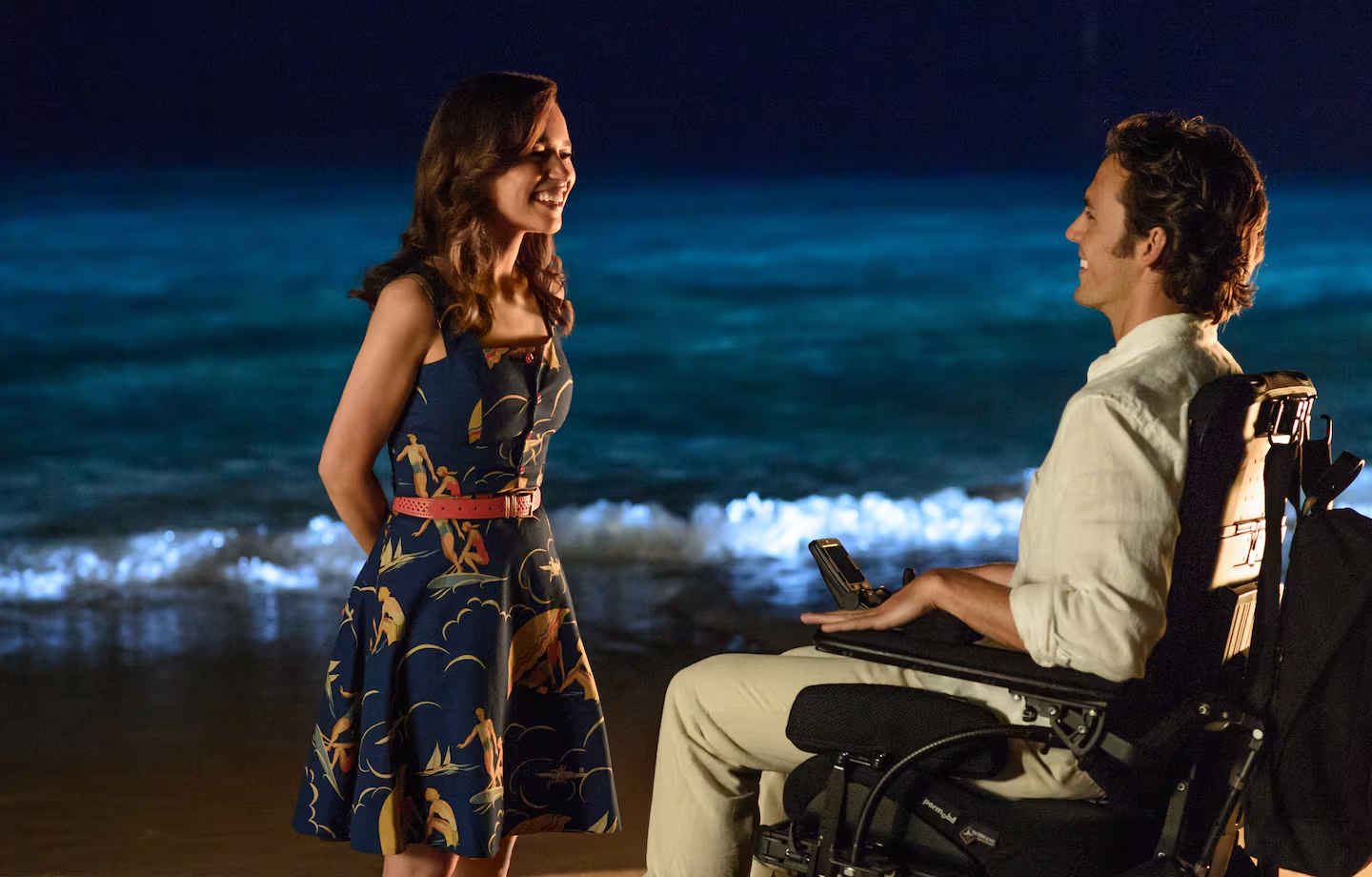
The film also suffers from noticeable editing issues. Several scenes feel truncated, with abrupt transitions and missing connective tissue—suggesting that dialogue or entire moments were cut too aggressively in post-production. While this doesn’t make the plot difficult to follow (the story itself is hardly demanding), it adds yet another layer of irritation. On top of that, the film indulges in overly prolonged kissing scenes, slow-motion falling leaves, and picturesque, postcard-perfect British landscapes—which, to be fair, I usually count as a plus.
Despite all this complaining, distance helps. Seen in hindsight, Me Before You is easy to place within its cultural moment. If someone who dislikes romances wanted to see something light at the cinema with an exceptionally patient boyfriend, they probably had a perfectly pleasant time—even if not in the way the author intended. And if someone genuinely enjoys romantic films and went with a boyfriend or a best friend, they likely enjoyed it even more, precisely in the way Jojo Moyes had hoped.