
Review
DAYS OF WINE AND ROSES. Cold shower for the viewer
Though Days of Wine and Roses may seem like a forgotten film from today’s perspective, for its time, it was a courageous work—one that avoided screen falsehoods

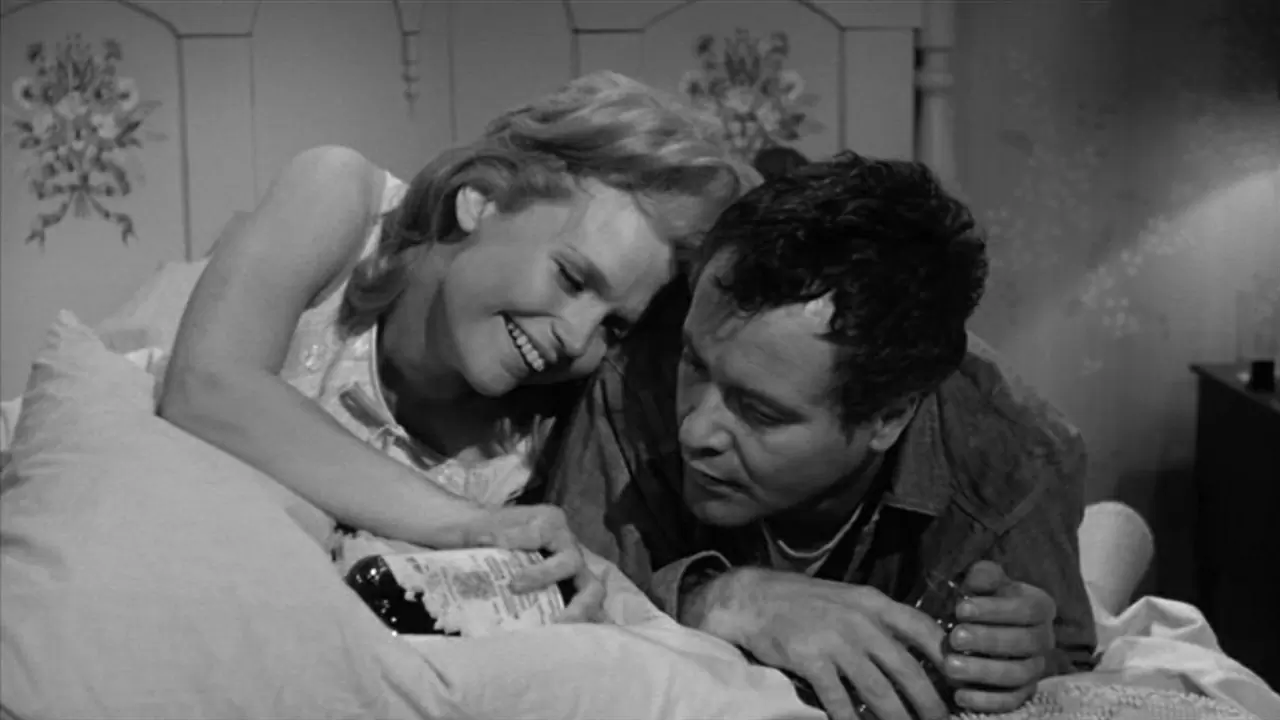
The name Blake Edwards certainly rings a bell for lovers of classic comedy. When we look back at the filmography of this filmmaker, who passed away in 2010, it is filled with light-hearted films, rich in situational humor and often madcap fun. After all, he’s the one who invited audiences to have Breakfast at Tiffany’s with Audrey Hepburn and who uncovered the trail of The Pink Panther. Among all these titles—perfect for brightening a quiet evening—there is, however, one film that stands out from Edwards’ usual portfolio. It’s a rather seldom-mentioned drama from 1962 that deals with the pervasive problem of alcoholism in a rather bitter way.
The origin of Days of Wine and Roses traces back to the television anthology Playhouse 90. This was a CBS program that aired 90-minute dramatic plays. Initially broadcast live and later from pre-recorded tape, these dramas graced American screens from 1956 to 1960. The play Days of Wine and Roses, written by J.P. Miller, premiered on October 2, 1958. The task of bringing it to the small screen was undertaken by future renowned director John Frankenheimer (later known for films like Seconds and Ronin), while the on-screen couple grappling with alcoholism was portrayed by Cliff Robertson and Piper Laurie.
The play was warmly received by critics and even earned an Emmy nomination. Series producer Martin Manulis saw in this true-to-life story the potential for a feature film. To realize this, he partnered with the newly formed production company Jalem Productions, owned by Hollywood star Jack Lemmon, who also took on the lead role. 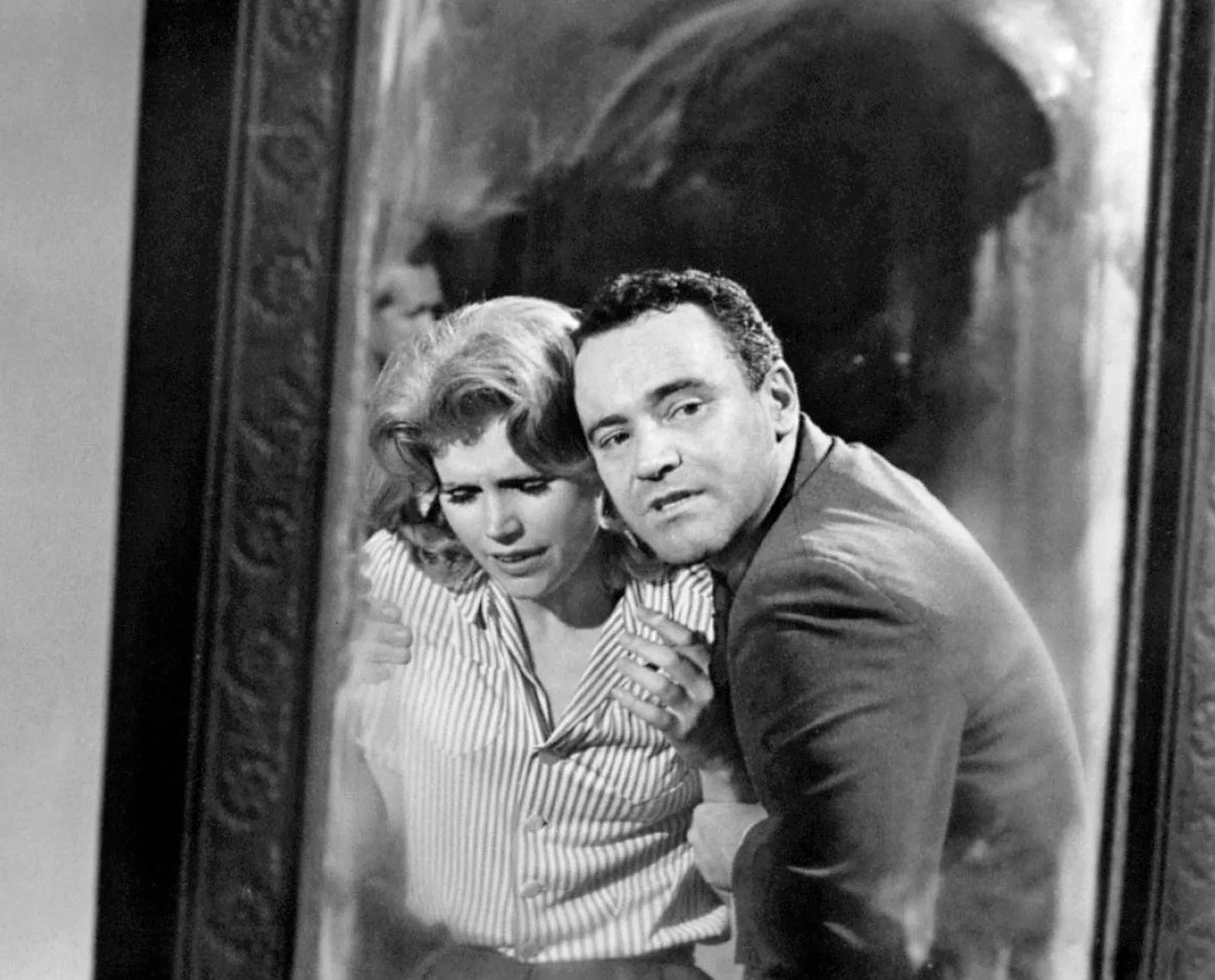 Joe Clay is a successful employee at a public relations firm in San Francisco. At work, he’s known as a reliable man—there’s no assignment he can’t pull off. To give an idea: at a client’s special request, he has a motorboat ready filled with elegantly dressed young women.
It is during this assignment that his path crosses with that of the young secretary, Kristen. Although their first meeting is far from perfect and she initially brushes him off, a dinner date brings them closer. Not long after, the couple marries, welcomes a daughter, and moves into a spacious apartment. Yet the idyll is suddenly shattered—silently, a seemingly harmless bottle of alcohol begins to play its part. It leads Joe to lose his job and causes a fire that completely destroys the Clays’ cozy home. And this is only the beginning of the couple’s slow descent… Contrary to what one might expect from the directorial-acting duo of Blake Edwards and Jack Lemmon—who, at the time of release, might have led moviegoers to anticipate a cheerful film (just four years later, they’d reunite for the zany The Great Race)—Days of Wine and Roses is a film marked by bitterness and grounded realism.
The most optimistic moments come early on, when we meet the characters and witness the birth of their romance. In a way, it’s precisely because of the idyllic tone of the first act that Joe and Kristen’s fate strikes such an emotional chord, and their drunken states evoke more sympathy than disgust. Addiction is presented here as a difficult, often deceptive path, full of derailments and false hopes. There are few obvious Hollywood tricks. Edwards doesn’t shy away from delivering a “cold splash of reality,” even in the final scene, which could hardly be described as a happy ending. It serves more as a glimmer of light in the dark tunnel the characters have been blindly wandering through. That very final scene underscores the film’s brilliance and makes the viewer believe in the story—perhaps even identify with it.
 Days of Wine and Roses is, in part, a showcase for the two leads. Jack Lemmon had already proven—most notably in The Apartment—that he thrived playing kind-hearted office workers. For much of this film, he seems to be doing the same, only to later reveal the full weight of his dramatic talent. Joe Clay is a fallen man, yet one full of determination and hope. Thanks to Lemmon’s charm, it’s hard to see him as anything other than a victim we root for to get back on his feet. His scenes in the detox ward are a powerhouse of acting—tragically, he had to compete that year for the Oscar against Gregory Peck’s iconic performance in To Kill a Mockingbird (not to mention the magnetic debut of Britain’s Peter O’Toole).
And while it’s fair to call Lemmon’s performance one of his finest, his brilliance doesn’t overshadow the talent of 27-year-old Lee Remick. Her role as the wife is no less demanding. She is utterly convincing—both as the girl-next-door in the early scenes and as the whisky-soaked, miserable woman later, desperately drowning her sorrow in one bottle after another.  Though Days of Wine and Roses may seem like a forgotten film from today’s perspective, for its time, it was a courageous work—one that avoided screen falsehoods and wasn’t afraid to speak bluntly about life with alcohol. And it does so with restraint, placing its faith in strong dialogue and powerful acting. In one scene, a desperate father tries to sober up his drunken daughter by putting her under an icy shower.
The film itself feels much like such a cold shower for the viewer—shocking, but ultimately meant to give hope and prove that even from the deepest depths, there is a way out. Written by Krystian Miderski

