
Review
PIECES OF A WOMAN. One Metaphor Too Far [REVIEW]
Although Pieces of a Woman is an immensely important testimony to a socially tabooed experience, one should not be swayed in judging the film.

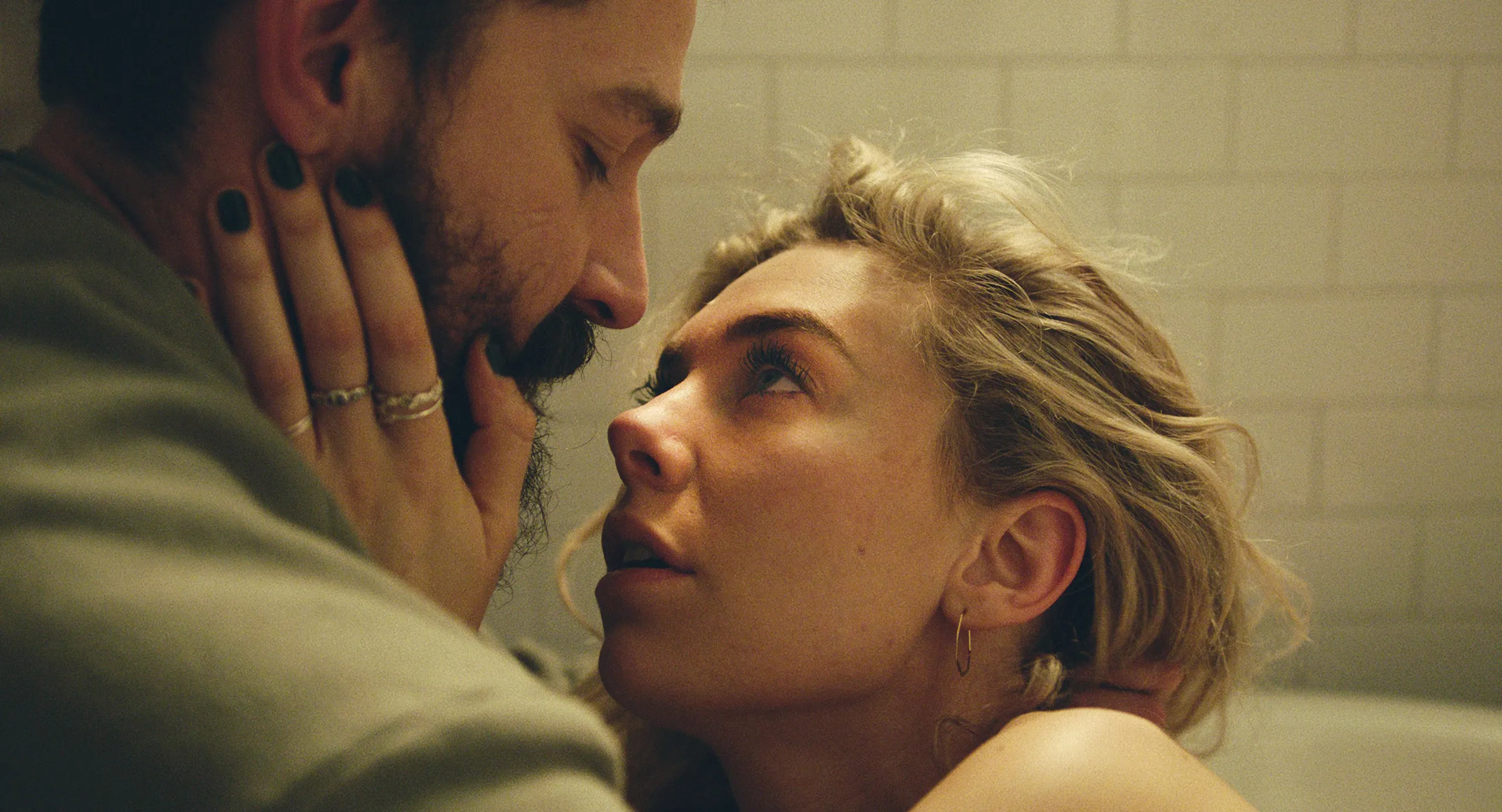
Pieces of a Woman, directed by Kornél Mundruczó and based on a script by Kata Wéber (his partner in real life), is a self-reflective vivisection of the trauma following the loss of a child—an experience the artistic couple subjected themselves to after suffering a similar tragedy. Of course, watching the film, available on Netflix, should not be dictated by its autobiographical context. While the creators weave in some elements close to them—for instance, the father of the deceased child is also of Hungarian origin—Pieces of a Woman should be viewed through the lens of universal truths.
It seems that people, including artists, still have not found the right language to express the intense suffering experienced by parents who bury their barely born child. This issue, like many related to pregnancy and its consequences, is still surrounded by a social taboo. However, this taboo is increasingly being dismantled through realistic portrayals of characters entangled in such circumstances. Returning to Pieces of a Woman: the story was first presented as a stage play at TR Warszawa in Warsaw. Perhaps my memory deceives me, but as far as I recall, in the theatrical version Mundruczó opted for the format of a fake soap opera. In other words, the main couple invited various guests into their home; the conversations were often typical of such visits—trivial, about insignificant matters, kept in a light tone—yet there were moments when the seemingly calm façade cracked, revealing immense tragedy, unsoothed grief, and above all, the feeling that not only was the child lost, but also the chance for a happy romantic relationship.
This was not the first time the Hungarian director used a pop-cultural form to address serious issues. Shortly before, he had created Jupiter’s Moon, where a superhero aesthetic served to question whether Western societies were ready for the arrival of a new messiah. 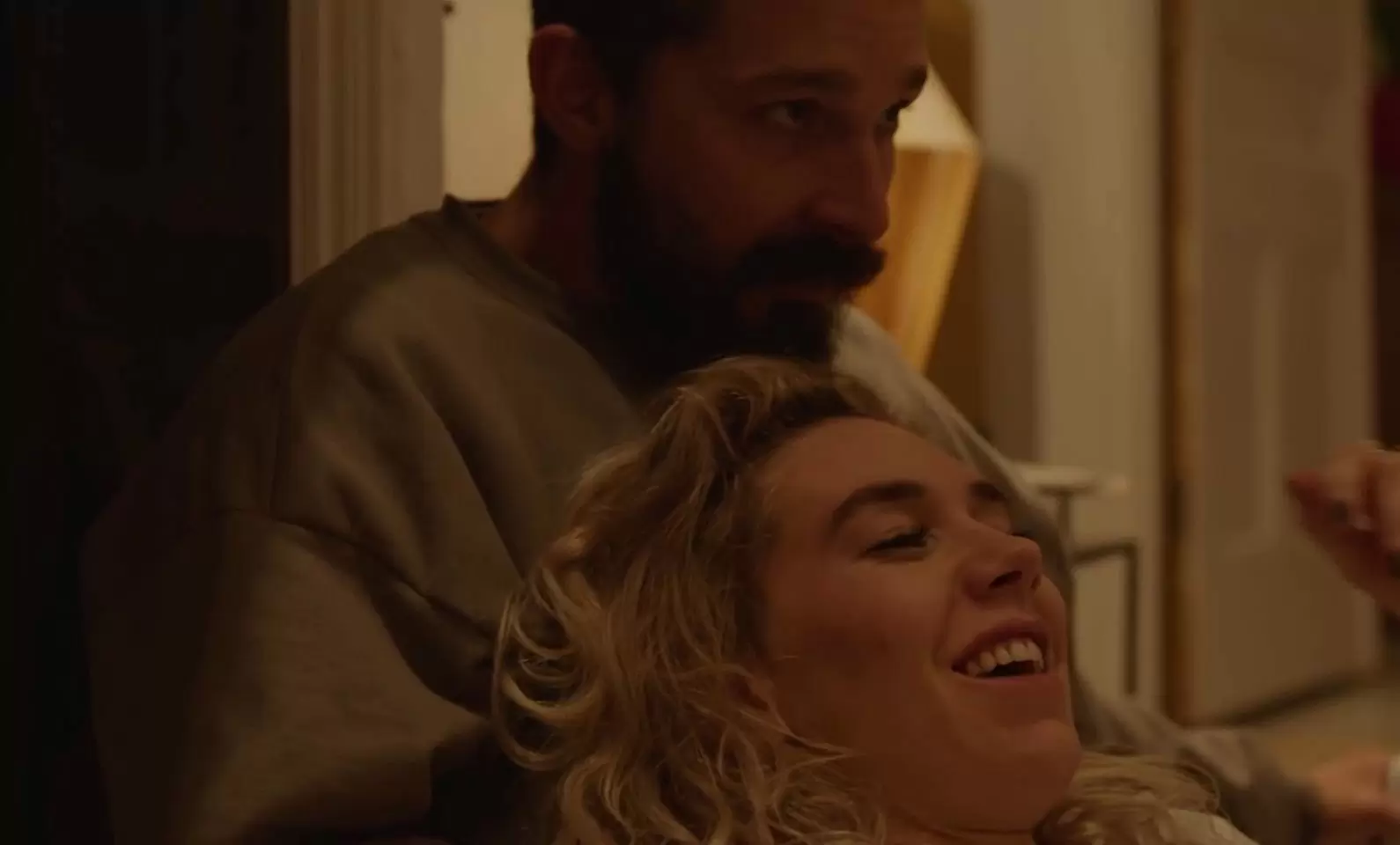 Meanwhile, the film version of Pieces of a Woman takes on a much more serious tone. It begins with a few everyday scenes: Martha (Vanessa Kirby) says goodbye to colleagues before her upcoming maternity leave; she and her husband (Shia LaBeouf) buy a car with money from her mother (Ellen Burstyn); and finally, they arrive home, where a lengthy master shot unfolds, depicting the beginning of labor. The camera follows the characters through the apartment—from the kitchen to the bathroom and eventually the bedroom—where their long-awaited daughter is born. But something goes wrong. The baby suddenly turns blue, and eventually, her heart stops. She dies before the ambulance arrives.
This long sequence strongly affects the viewer emotionally, even though the depiction of childbirth is not as literal as in Stan Brakhage’s pioneering Window Water Baby Moving from 1959. In the rest of the film, Mundruczó traces the trajectory of the two lost protagonists. The fragmented narrative, divided into chapters as monthly snapshots of the family’s life, serves to show the psychological changes they undergo. In subsequent scenes, the Hungarian director examines how those around them react to the child’s death, what paths grieving parents take, how they try to process their pain, and most importantly—whether fractured hearts can be mended within a barely functioning marriage.
A question arises: can two people suffering from the same loss truly help each other, or should they instead seek solace elsewhere, away from the source of their pain? 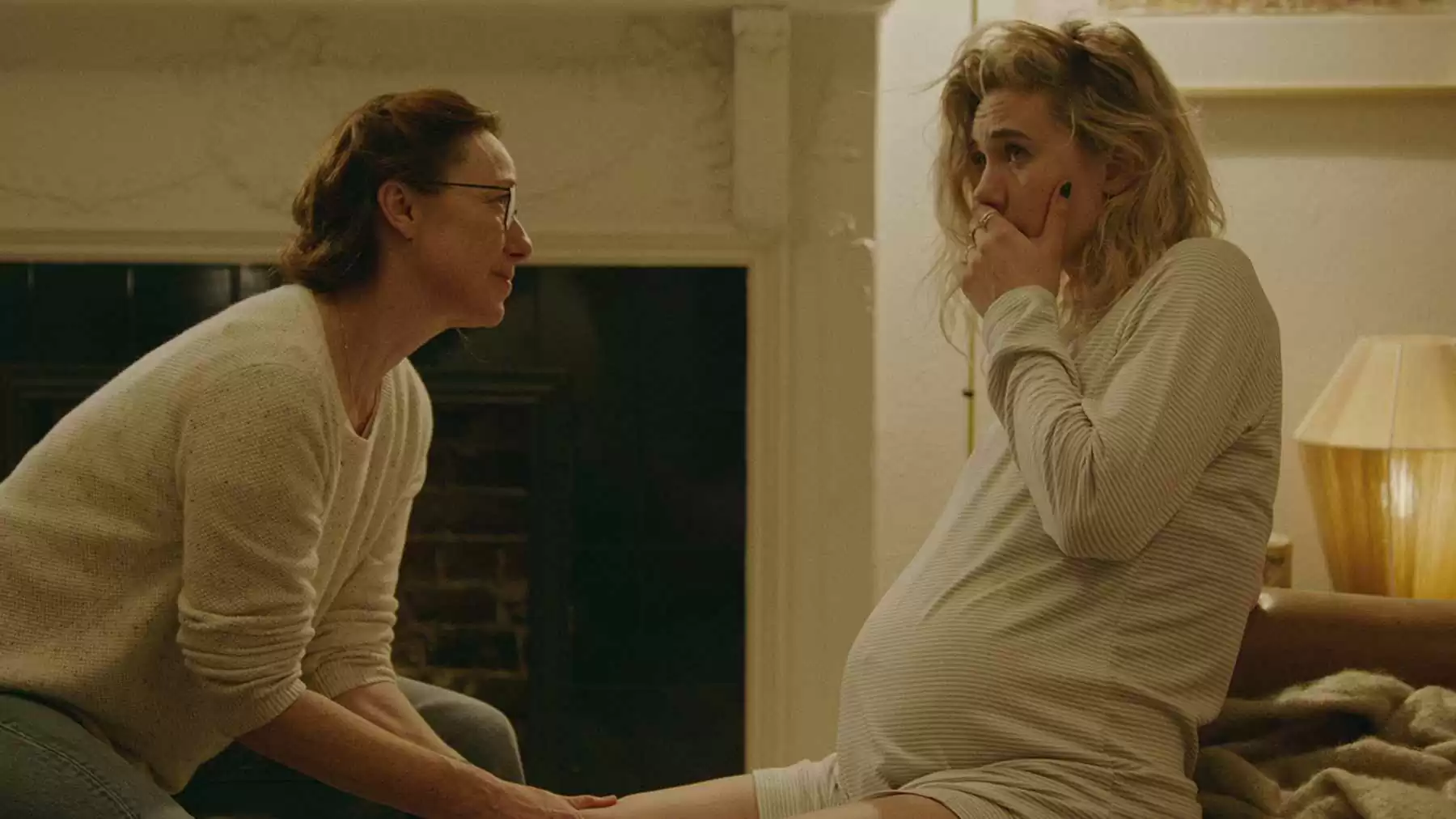 Pieces of a Woman is a typical example of art-house cinema, with all its accompanying traits. Little happens on the level of dialogue; the characters are unable to talk about their emotions, which makes it all the more important to notice the details in their surroundings. The winter landscape resembles the setting of Andrey Zvyagintsev’s Loveless.
The ever-falling snow and icy streets symbolize the protagonists’ inner deadness. Had the director of Jupiter’s Moon stopped at such metaphors, his film might have reached the level of the aforementioned Russian title. Unfortunately, Pieces of a Woman is overloaded with heavy-handed metaphors—wilted flowers, dirty dishes, apple cores, and a bridge under construction. While one can accept shifting the narrative focus from text to imagery, it’s harder to reconcile with the type of symbolism used. Their literalness leaves no space for independent exploration of the film’s essence, and their obtrusiveness filters the protagonists’ intimate emotions through pretentiousness, stripping them of lyricism.
On a side note, although this is a film about female trauma, also connected to the mother-daughter relationship, it lacks even a hint of male perspective. Or rather: it lacks an honest approach to male experience. The character played by LaBeouf is a stereotypical male, for whom escaping into addiction and sex is more important than working through the issues. Furthermore, the class-related subplot attached to him is poorly developed. His “inferior” background seems thrown in without serious elaboration. In the context of the entire story, his origins and past make no meaningful impact. 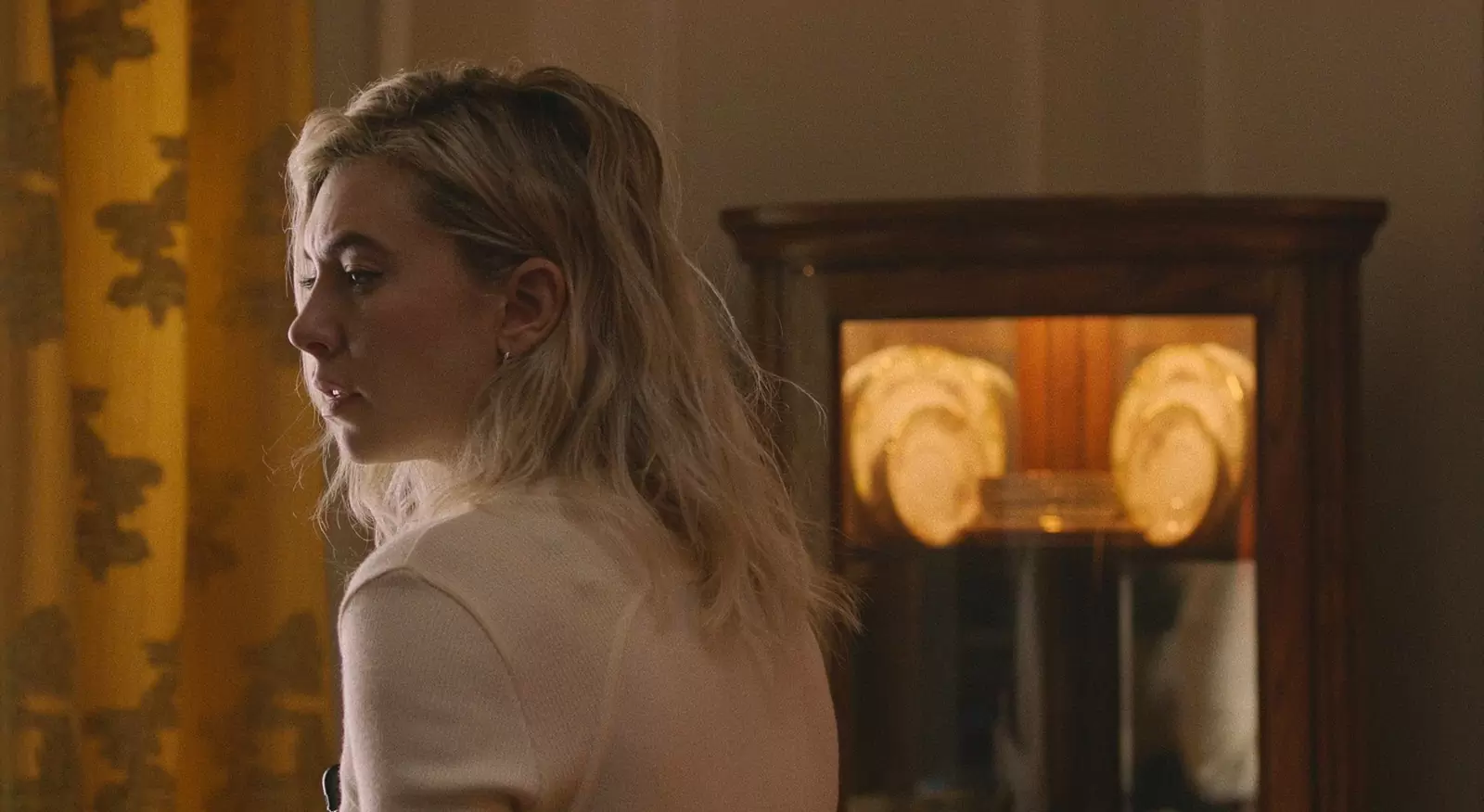
One can tangibly feel the anger and discontent bubbling inside her, the desire to escape to the ends of the earth, just to avoid her mother’s nosy friends asking the most painful questions. The supporting cast also performs well, led by Sarah Snook, Molly Parker, and Benny Safdie. The literalness of the metaphors killed Kornél Mundruczó’s film. One must commend the courage to tackle such a difficult—also autobiographical—subject, but the film lacks finesse in handling symbolism. Nevertheless, despite all the accusations, Netflix has released very important film, whose premiere should spark a serious discussion.
Hopefully, that conversation will lead to constructive conclusions and encourage society to treat people affected by the tragedy of losing a newborn child with greater understanding.

