Horror Movies
3 Decades of THE FRIGHTENERS: Dark, Gothic, and… Quirky
The Frighteners stands as confirmation that after the ambitious journey that was the making of Heavenly Creatures, returning to the same place from which alien invaders treating human flesh as a delicacy and zombies infected by a rat-monkey had emerged was practically impossible.

When in 1996 a certain Peter Jackson, a New Zealand specialist in gore cinema, presented his American debut, I suspect that few people would have believed at the time that a few years later the same filmmaker would make the epic The Lord of the Rings and become one of the most important directors in the world. It is hardly surprising – the story presented in The Frighteners is in no way ambitious, which does not mean there were no signs suggesting that Jackson’s career was worth following more closely.
Two decades after the film’s premiere, rejected at the time by audiences and received with mixed feelings by critics, it seems suspended between what Jackson had already accustomed his fans to and the cinema he was yet to make.
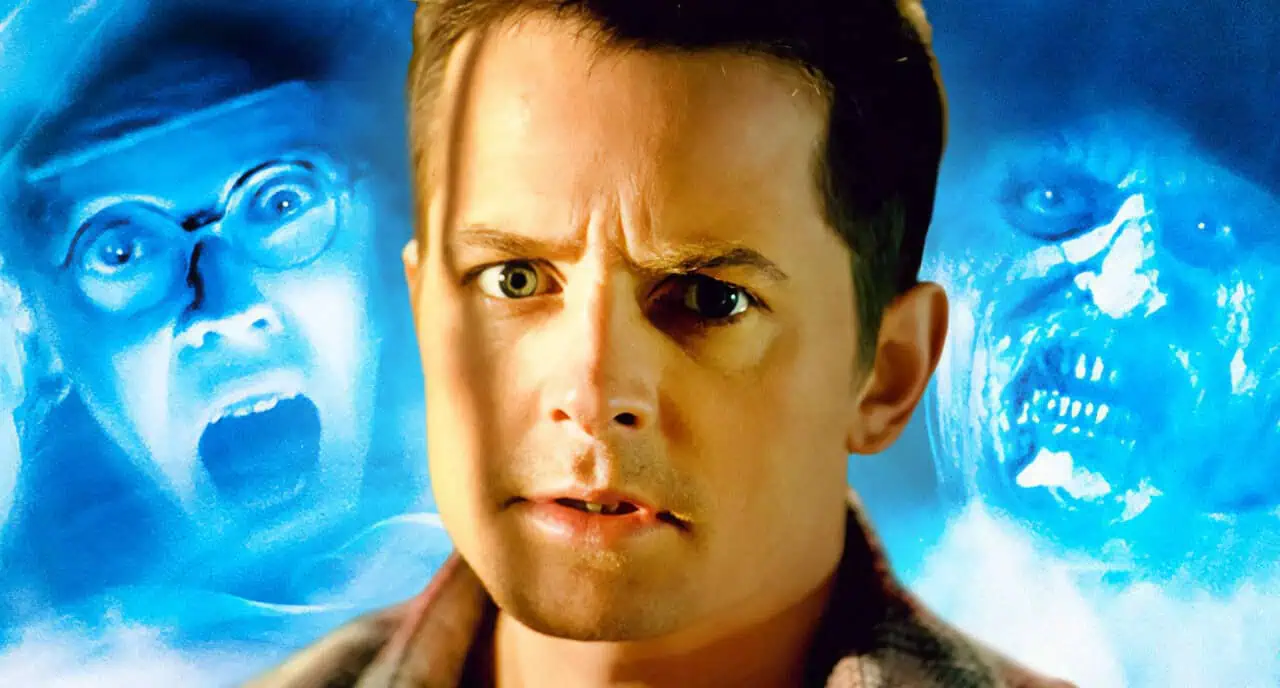
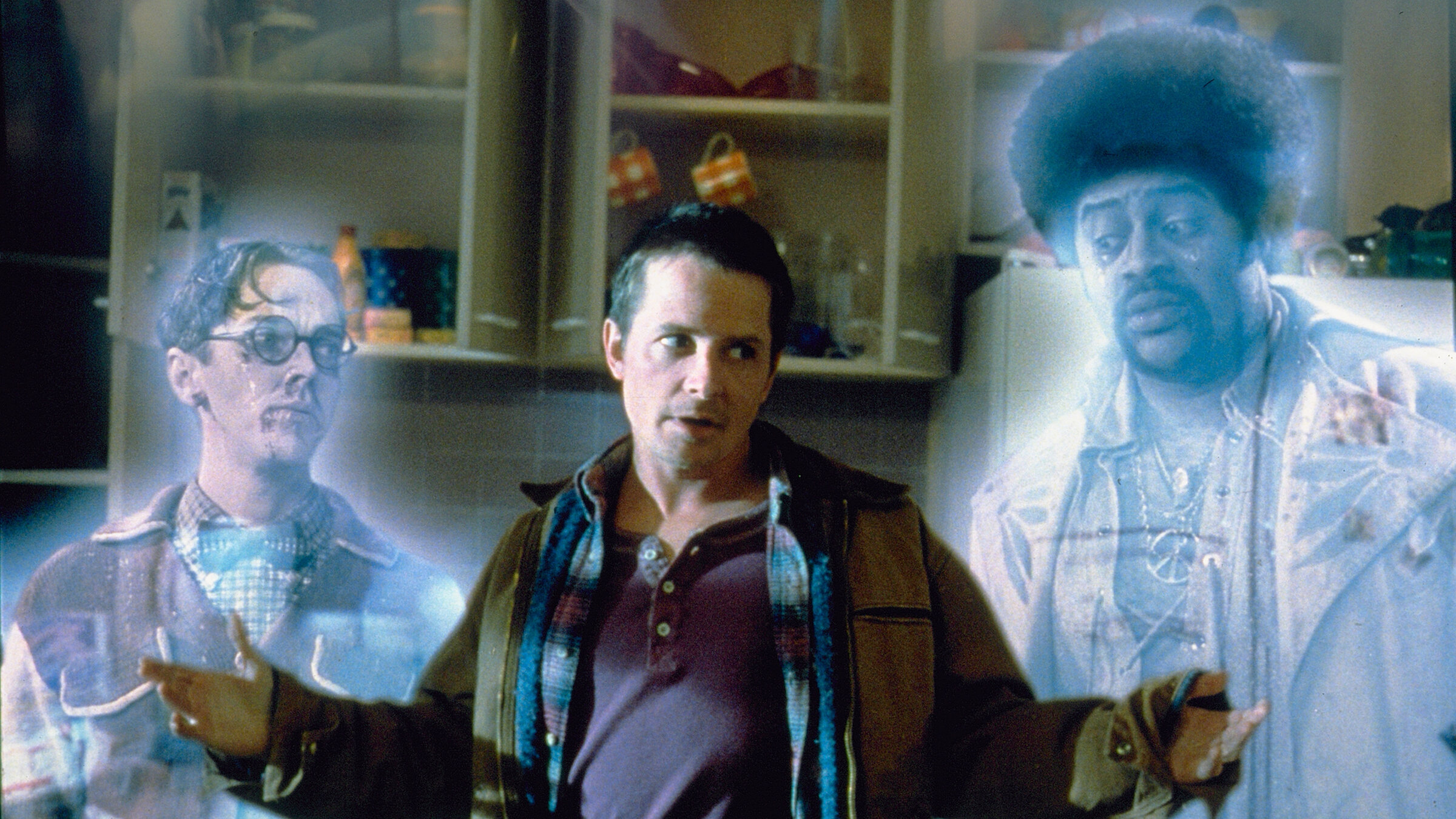
Possessing a genuine gift for seeing the dead, and making a living from cleansing houses of evil forces, Frank Bannister (Michael J. Fox) is considered a con man, which he partly is. With the help of three friendly ghosts, he stages a show for an unsuspecting client – first, his invisible companions frighten them with a levitating bed or flying plates, and then Bannister, summoned afterward, supposedly captures them and demands generous payment.
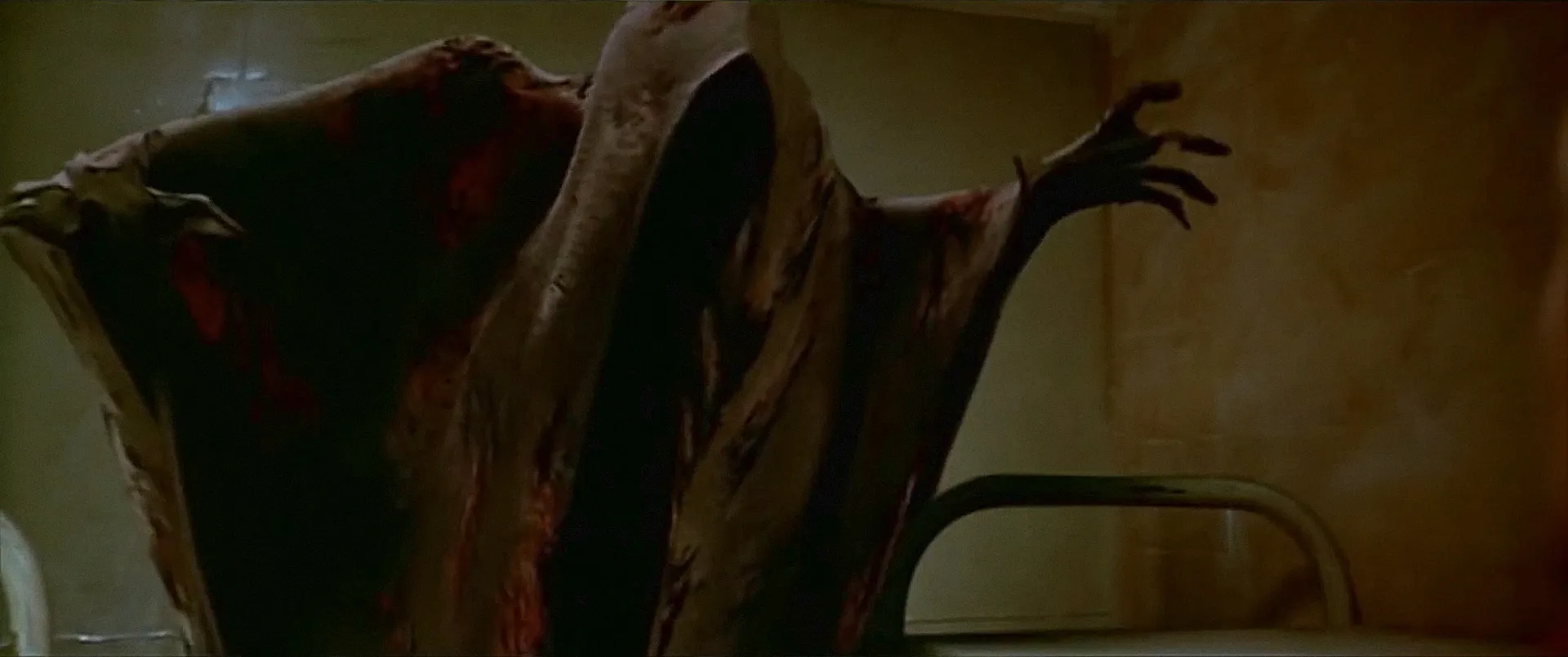
The scheme would have continued to prosper if not for the unusually high mortality rate in the town and an even stranger lack of any explanation for the dark streak. But Frank begins to notice increasing numbers on the foreheads of future victims, and soon a mysterious hooded figure with a scythe in hand, hunting unaware residents. It appears that the grim reaper has settled in Fairwater for good.
Before The Frighteners, Jackson was known primarily as the creator of incredibly bloody black comedies (Bad Taste, Braindead), in which hectoliters of spilled red paint and the grotesqueries served on screen permanently etched themselves into viewers’ memories. It was precisely the success of those films, and to a lesser extent the Academy Award-nominated, phenomenal Heavenly Creatures (also famous for featuring the debut of Kate Winslet), that brought Jackson to Hollywood.
Initially, the screenplay for The Frighteners, written by Jackson and his longtime partner Fran Walsh, was meant to serve as material for one of the feature-length spin-offs of Tales from the Crypt, but Robert Zemeckis, the series’ producer, liked it so much that he persuaded the future director of The Hobbit to make it as a separate film. In contrast to Jackson’s earlier works, The Frighteners is characterized by a Gothic, typically horror atmosphere from the very beginning, when we see a frightening old house, a woman fleeing from a ghost, and another, older one resembling a witch.
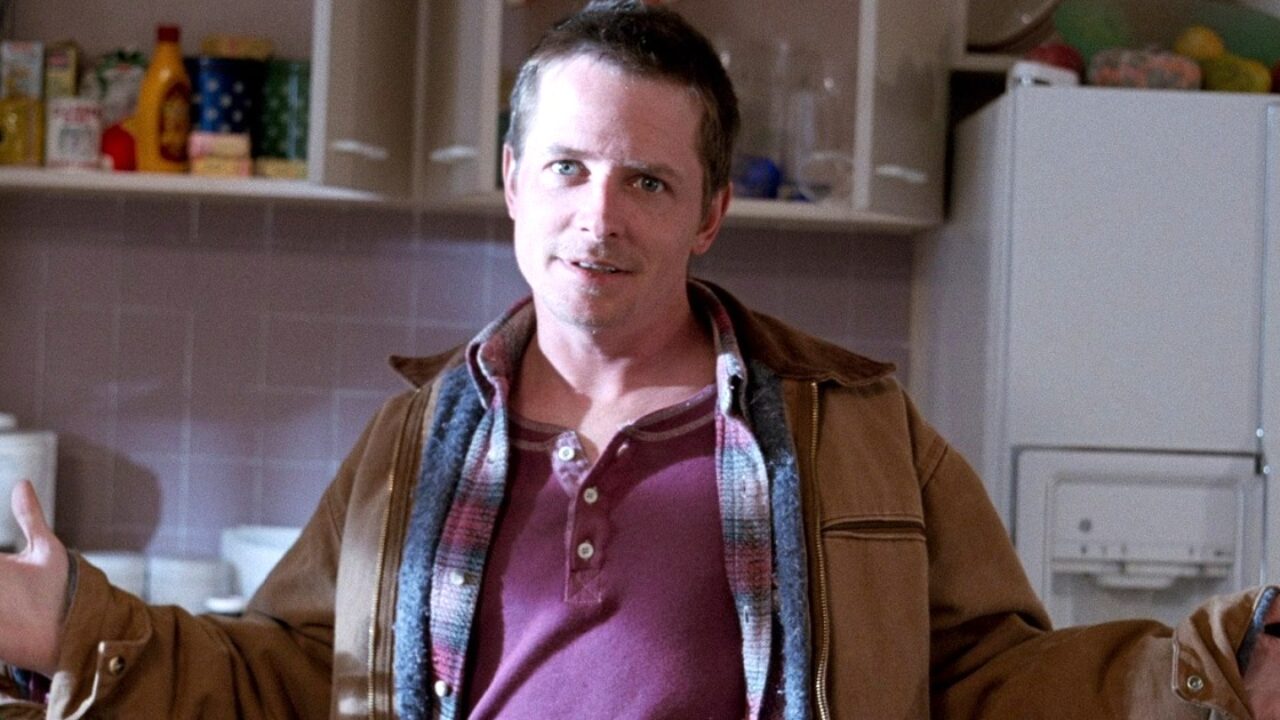
Yet already in the first scenes we can recognize Jackson through his dynamic camera work, especially the characteristic zoom-ins on the characters’ faces, his trademark, present even in The Lord of the Rings. But his American debut is above all the director’s turn toward computer-generated special effects, something he had hardly used before and to which he would become almost addicted in his subsequent productions.
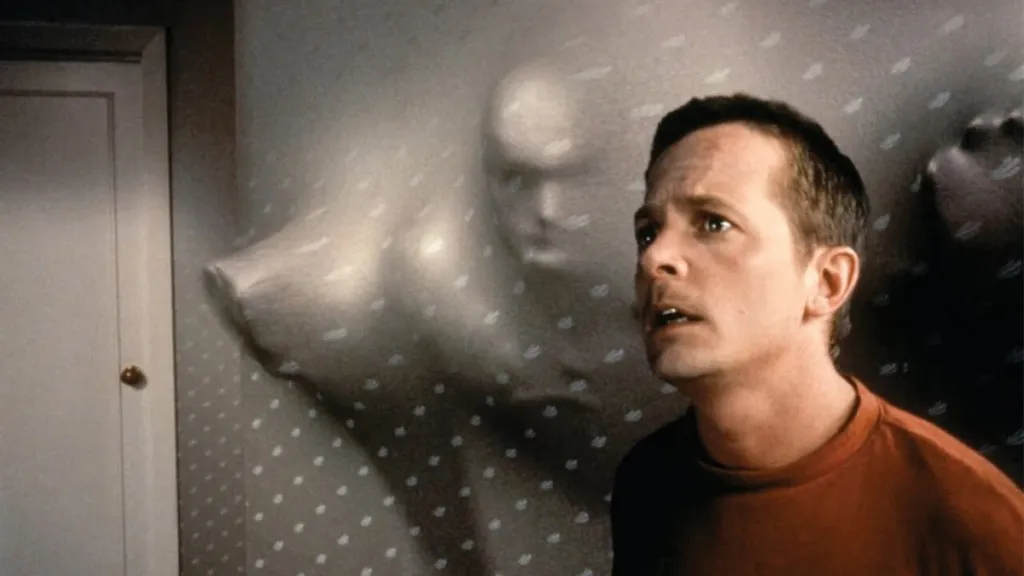
Created by the company Weta, of which he was one of the founders (the first film in their portfolio was the aforementioned Heavenly Creatures), in 1996 they became the true star of The Frighteners, presenting ghosts and spirits as extremely malleable figures capable of flying, changing shape, disintegrating, and so on. At the time, all critics focused precisely on the special effects, on the one hand praising their excellence, and on the other writing about the spectacle being overloaded with them while offering little else.
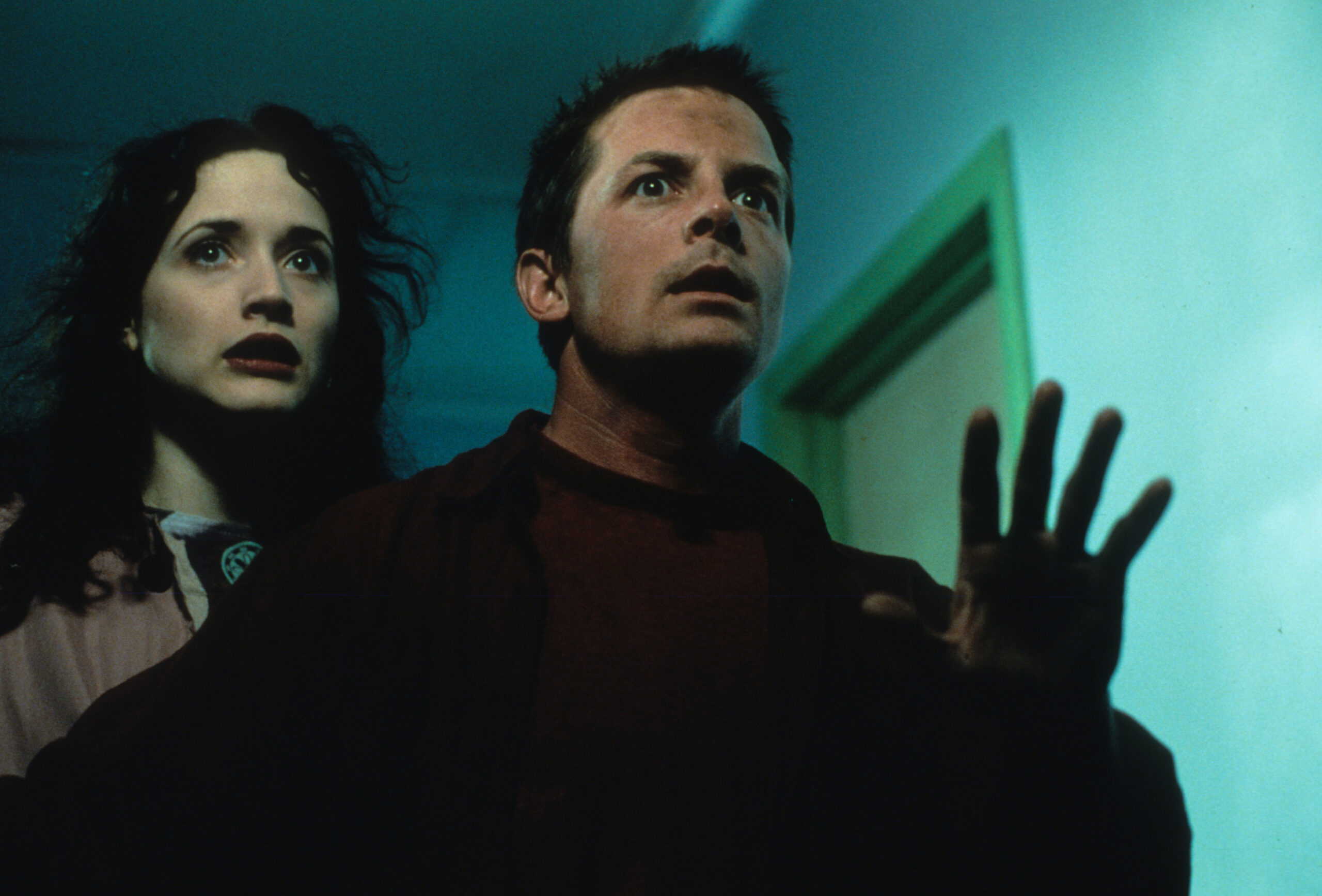
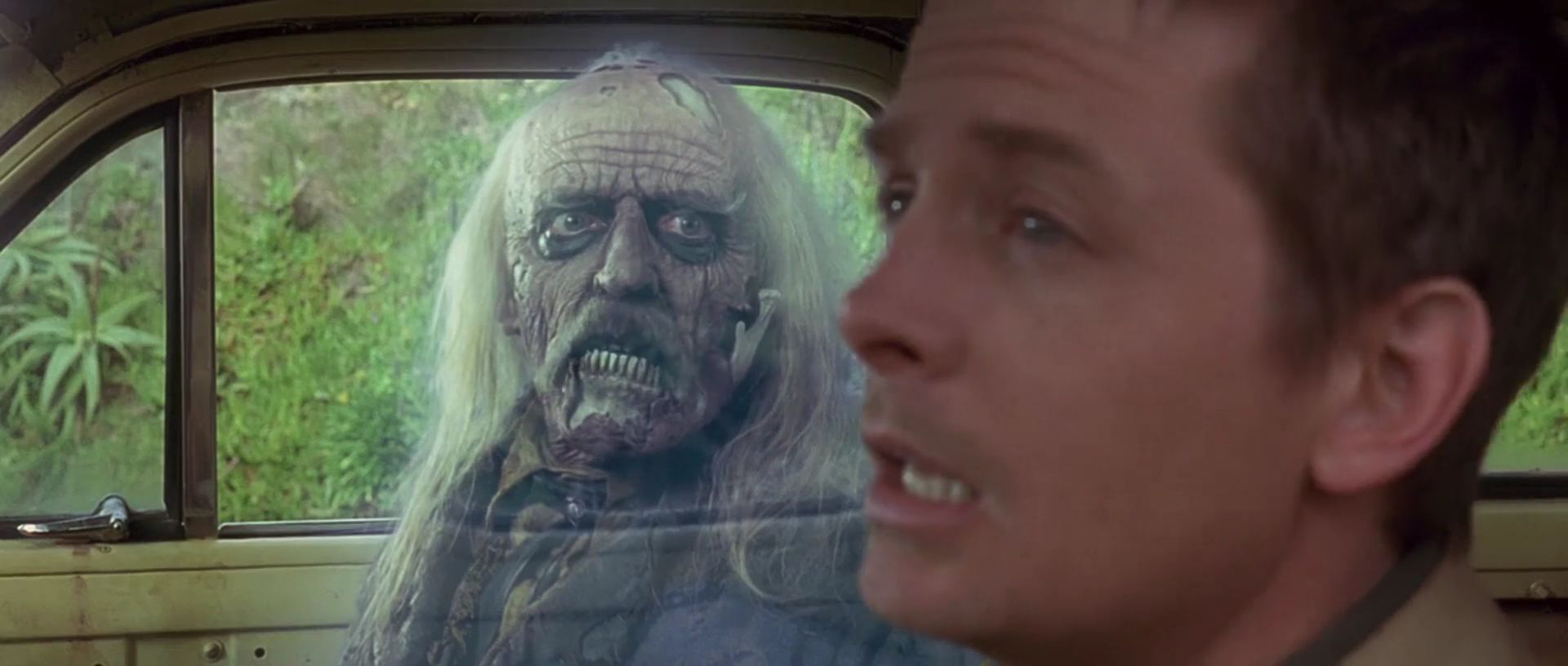
At the same time, fans of early Jackson, more unruly and bolder in his ideas, criticized his first Hollywood film for its lack of madness and of the macabre, sometimes downright disgusting moments that propelled the story. It is amusing that more than twenty years after its premiere, the arguments of both sides seem outdated. Some special effects no longer make the same impression as they once did (the skeletal reaper in particular is a computer creation that clearly stands apart from the rest of the image), although for the most part they remain at a solid level, exploiting the maximum potential of the technology of the time.
It is also difficult to claim that there are too many of them – in the era of omnipresent CGI, that film appears as the work of a thoughtful filmmaker playing with the benefits of computer technology in moderation. It is enough to compare this horror film with Jackson’s more recent works, in which nothing is visible beyond the special effects.

A recent rewatch also convinced me that The Frighteners is far removed from Braindead or the even earlier Meet the Feebles or Bad Taste, to the point that these films cannot be so easily compared. Where macabre excess and a joyful atmosphere of chaos once ruled the screen, here the mood is decidedly darker, transforming the initially playful tone into something more ominous. Ironically, as long as what is killing people in Fairwater looks like the iconic Death, the film clearly leans toward comedy, even if black; however, once we discover the true face of the threat, humor virtually disappears from the remainder of the story.
The finale, unfolding on two temporal planes, when Bannister participates in a massacre from the past, is far removed from any notion of the humble cinema Jackson supposedly began making after arriving in Hollywood. An arrival that was more mental than geographical – The Frighteners was made in New Zealand, which contributed to its distinctly non-American atmosphere, with perpetually overcast weather and several characters portrayed by local actors with instantly recognizable accents unlike any other.
As for the film’s characters, especially the supporting ones, one thing clearly brings to mind Jackson’s earlier productions, in which vivid and diverse figures excelled. The trio of ghosts befriended by Fox’s Bannister come from different eras, and therefore their personalities depend on the times in which they lived (and died) – the Judge is an old cowboy, constantly losing his jaw, yet still virile, especially when he sees the corpse of a mummy in the local museum; Stuart resembles a high school student from the nineteen fifties, polite, submissive, and timid; Cyrus, meanwhile, is almost a victim of the disco era, forever laid-back and forever irritated with Frank over their very one-sided cooperation.
The Bradley ladies, who appear in the film’s first scene, resemble characters from some haunted house horror, where one is a victim persecuted by a ghost and the other a demonically looking, shotgun-wielding guardian. Another firearm enthusiast is the Sergeant, a spiritual reincarnation of the character from Full Metal Jacket, once again played by R. Lee Ermey. And even characters who initially seem entirely out of place in horror cinema, such as the fitness and healthy lifestyle fanatic Ray and the ice-cold newspaper editor Martha Rees-Jones, fit perfectly into the world created by Jackson, precisely because of the bold strokes with which they were drawn.

None of these characters, however, is as exaggerated as FBI agent Milton Dammers, with a fringe in the style of Adolf Hitler, many years of experience as a cult specialist, a multitude of nervous tics, an Uzi carried under his arm, and the conviction that Frank is responsible for the series of deaths. If any character feels as though taken straight from Jackson’s earlier films, it is Dammers, played flamboyantly and without restraint by Jeffrey Combs (Re-Animator).
Of course, the acting pillar of The Frighteners is Michael J. Fox, in his final leading theatrical role before revealing that he was struggling with Parkinson’s disease. Bannister is a very classic protagonist, striving to overcome his own weaknesses and give his life a new direction, despite his immature attitude, albeit marked by a tragic past. Echoes of his role from Back to the Future can be heard here – if Marty McFly had grown up but, instead of traveling through time, could see ghosts, he would not be far from Bannister’s image.
Fox has a sympathetic, ordinary face, which makes him seem like the only normal person on screen, perhaps along with the lovely Trini Alvarado in the female lead role, Dr. Lynskey. The surname is not without significance, as it was taken from Melanie Lynskey, the actress known from Jackson’s previous film, Heavenly Creatures.
Recalling that film again prompts reflection on how great an influence it had on The Frighteners, its tone, and the director’s greater restraint regarding macabre elements and blunt humor. That drama, set in the nineteen fifties, told the true story of two teenage girls whose friendship led to a monstrous crime, and it lacked everything that had previously been found in Jackson’s work. Lyricism and understanding for the protagonists intertwined with violence which, unlike in the New Zealander’s earlier films, shocked with its ferocity and realism.
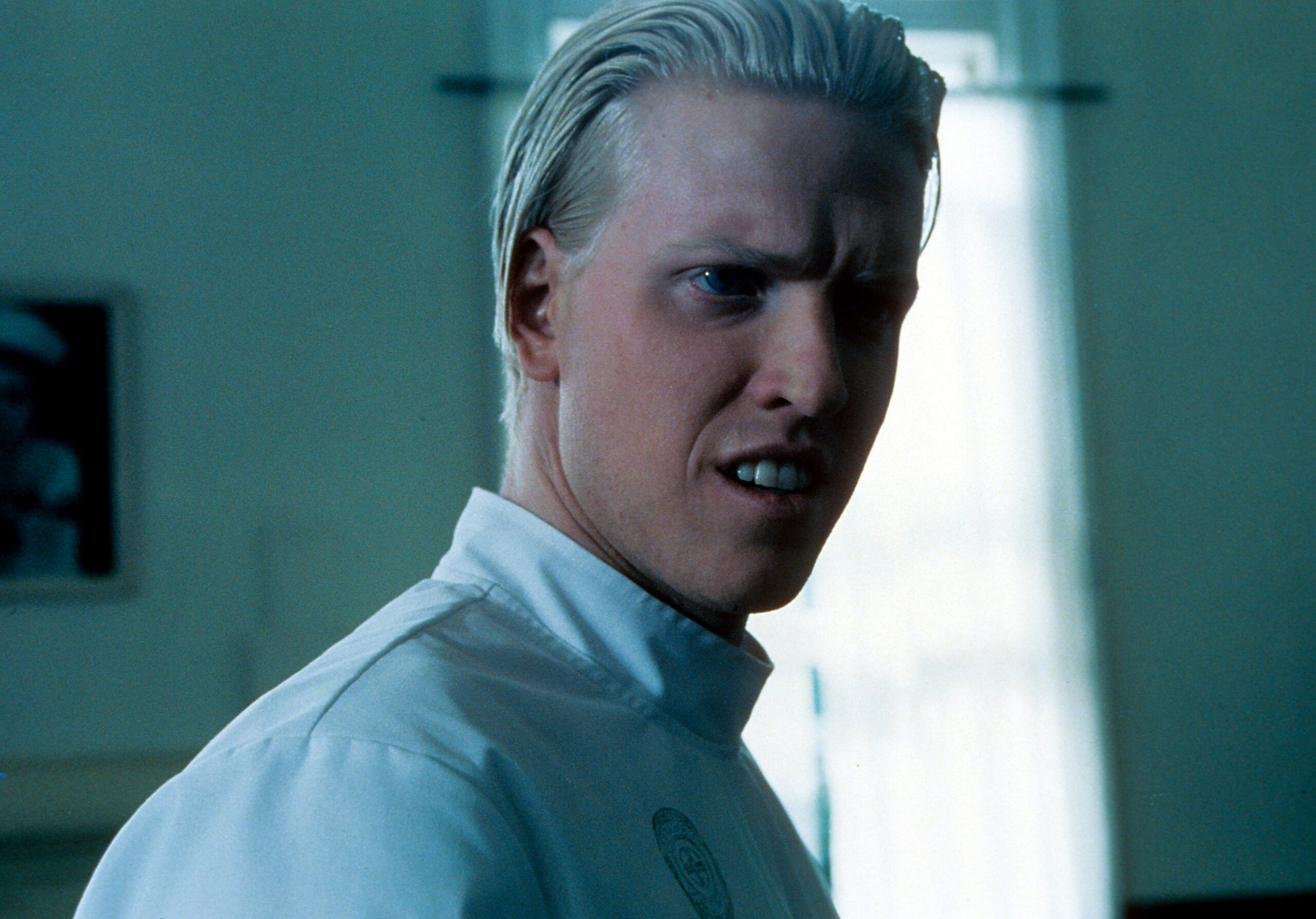
It is not without reason that this very cruelty unexpectedly permeated the fantasy comedy, which at first binds horror to the conventional image of a skeletal reaper with a scythe, only to replace it, the closer it gets to the end, with a pair of born killers, psychopaths devoid of any trace of humanity.
Without Heavenly Creatures, no sensible person would have thought that Peter Jackson was ready to shoulder The Lord of the Rings, but The Frighteners would also have been a completely different film, perhaps more carefree, closer to Braindead.
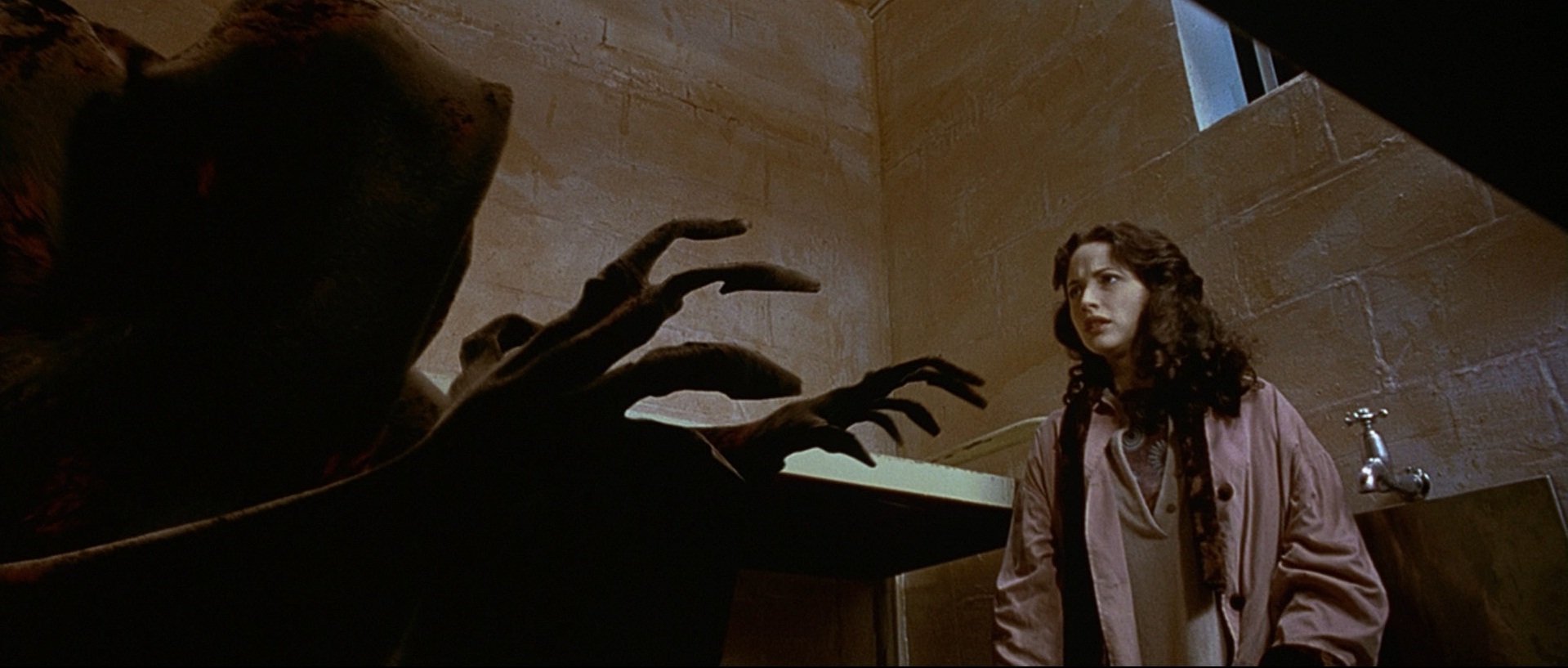
Beginning with low-budget, guerrilla-style productions full of kitschy effects and hectoliters of artificial blood, and ending with gigantic spectacles employing the most advanced computer technology – if one looks closely at the director’s career, his first Hollywood film does not necessarily appear as a compromise between the author’s wild imagination and the demands of a studio trying to stifle any manifestations of originality at their inception.
Rather, it stands as confirmation that after the ambitious journey that was the making of Heavenly Creatures, returning to the same place from which alien invaders treating human flesh as a delicacy and zombies infected by a rat-monkey had emerged was practically impossible. One had to move forward, and The Frighteners, still with one foot rooted in Jackson’s former fascinations, took that first step.