
Movies Explained
THE WITCHER Explained: From Sapkowski to Netflix
One can hope that the creators of The Witcher are following not only the opinions of critics but also the greatest concerns of the admirers of the White Wolf.


When in 1993 the superNOWA publishing house released two volumes of short stories by Andrzej Sapkowski about the witcher, The Sword of Destiny and The Last Wish, it was not only me who truly began my adventure with fantasy. After the disappointment that for me personally were the somewhat infantile novels of J.R.R. Tolkien, Polish series hit exactly the right note for my taste. Unconventional characters, incredibly vivid language, and a free, intriguing approach to fairy tales and legends made me return to these books from time to time ever since, still having a great deal of fun with them.
The Netflix series, so eagerly awaited by fans of the saga, appeared on the platform on December 20, 2019, and broke all the popularity records. I have seen it twice in its entirety so far. After the first few episodes, I was so disgusted that I did not know if I would make it to the end. And yet I did. I did it again, and all signs indicate that I will do it more than once. Why? Because the series is entertainingly good. Taken separately from the books, it stands on its own quite well, despite many mistakes and some very ill-considered decisions. One must, however, know how to detach it from Sapkowski’s novels, because it diverges from them in so many aspects that for die-hard fans of Geralt’s saga this may be unacceptable.

I am not talking here about minor script changes that are sometimes necessary in adapting a text for the screen, such as the fact that Geralt talks to Renfri in the forest instead of at an inn, or about the disruptions of chronology that turn Ciri into a young woman instead of a child. Every single character in Game of Thrones was aged up by a few years, and nobody minded. The problem for most viewers who had read about Geralt’s adventures more than once before seeing them on screen lies in the distortion of the nature of certain characters or the meaning of certain scenes. Let us take a closer look together at the biggest deviations from the book original in the first season of The Witcher.
Episode 1. The End’s Beginning
The series opens with The End’s Beginning, based on the short story The Lesser Evil. In The Last Wish this story appears as the third entry in the table of contents, not counting The Voice of Reason, divided into several parts, which simultaneously separates and connects the individual stories.
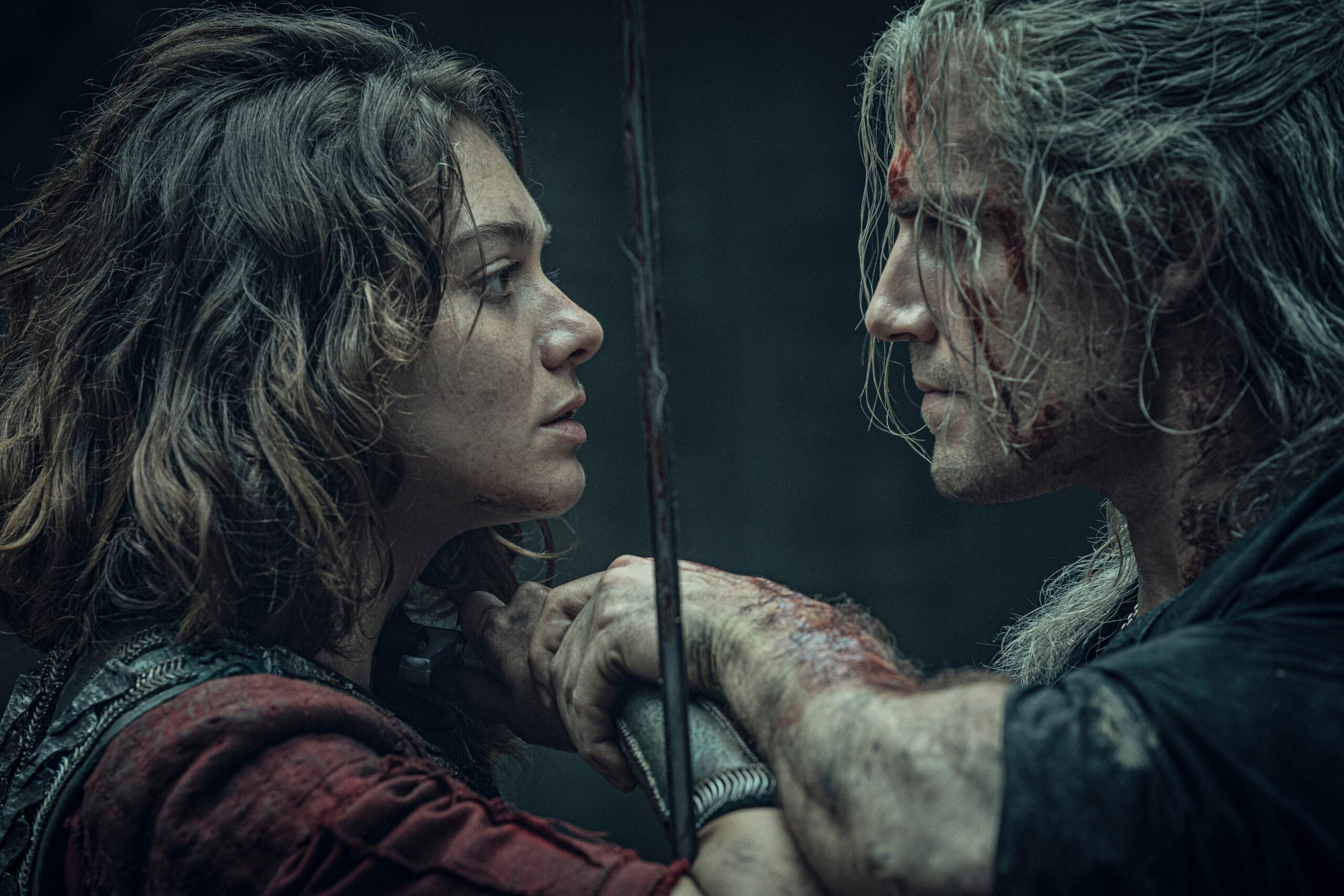
The End’s Beginning presents the story of the conflict between the princess of Creyden, Renfri, and the mage Stregobor. The emphasis here is clear – Stregobor, hiding from the vengeful girl, is shown as the executioner, while Renfri is the brutally wronged victim, which is helped considerably by the pretty face of the actress playing her, Emma Appleton. In the literary original, which is a loose interpretation of the fairy tale of Snow White (an allusion entirely omitted in the series), this is not so obvious. It is unclear until the end whether Renfri, whom the terrified townsfolk nicknamed the cruel Shrike not without reason, was a murderer as a result of supposed congenital mutations caused by a curse, or because of the fate the mages had prepared for her.
What is certain, however, is that she had many human lives on her conscience, taken with great delight and in not entirely humane ways. Her swordsmanship did not come from nowhere, and the fact that her companions so eagerly followed her into battle probably did not stem purely from platonic affection. Additionally, the resolution of the conflict was considerably simplified in the Netflix series. Stregobor asked Geralt to eliminate the monster in the form of the mutated girl; he refused. Renfri asked for help in luring Stregobor out of the tower and was also met with refusal. When Geralt realized that Renfri would go to the tower regardless, he rushed to the town and slaughtered Shrike’s gang, killing her himself at the end.
Why? In the short story, the Tridam ultimatum is mentioned. Renfri planned to kill the people arriving at the fair one by one until Stregobor came out of hiding. Perhaps he would not have come out until the last soul had departed for its final destination, perhaps not at all. And then it would not have been Geralt who became the Butcher of Blaviken. He became one because the people at the fair were unaware of the danger they were in. They saw only the result of his actions and therefore wanted nothing to do with him, believing him to be a bloodthirsty monster.
For those familiar with the literary original, this is obvious. For those watching the series with a clean slate, it may be unclear why the townsfolk reacted as they did – especially Marilka, whose life Geralt saved and who was previously clearly fascinated by him. The End’s Beginning also introduces the character of Princess Cirilla and the Slaughter of Cintra. It is this storyline, rather than the already-mentioned Voice of Reason, that will form the connective tissue linking the events and characters of this season.
Episode 2. Four Marks
In this episode, the showrunner, Lauren Hissrich, focused on showing us the origins of Yennefer, expanding at length on a thread that in the books is summed up in just a few brief mentions. We thus watch the future sorceress, who leads a sad life as a deformed illegitimate daughter, then struggles in Aretuza, unable to perform the simplest tasks. She meets the young mage Istredd and dreams only of being beautiful and of being loved by someone. The genesis of Yennefer’s character is interesting and certainly adds value to the series.
Unfortunately, devoting so much time to this topic meant that the script of the episode had to drastically cut down the short story The Edge of the World, which forms its second plotline. It features, for the first time, the bard and poet Jaskier, whom the witcher had met a bit earlier during a festival in Gulet. Jaskier got himself into trouble and, as usual, had to flee from the angry family of the cause of said trouble. He therefore joined Geralt, more out of necessity than enthusiasm, on the titular edge of the world – the area of the famous Dol Blathanna, the Elven Valley of Flowers.

There are several problems with the second episode. Above all, the truncated plot. A peasant approaches Geralt, asking him to kill a devil stealing crops. Upon arriving, the witcher realizes that the so-called monster is an intelligent creature helping the elves hiding in the mountains, decimated by wars with humans and forced to withdraw from the fertile valleys now cultivated by people. The entire story, in which a little girl named Lille – who holds the real power in the village – plays a crucial role, is reduced in the series to a single, context-less conversation between Geralt and Filavandrel, the leader of the elves.
Again, a viewer unfamiliar with the story may get lost in the allusions exchanged by the speakers; Geralt’s persistent insistence that he is not human may also seem strange. It is certainly not an argument either for sparing his life or for taking it. Equally puzzling may be Filavandrel’s gesture: not only does he release the captured Jaskier and Geralt, but he also gives the former his own instrument, as Jaskier’s lute was destroyed. The omission of Lille, the Field Maiden living among humans, and the severely cut scene with the elves, effectively castrate this story.
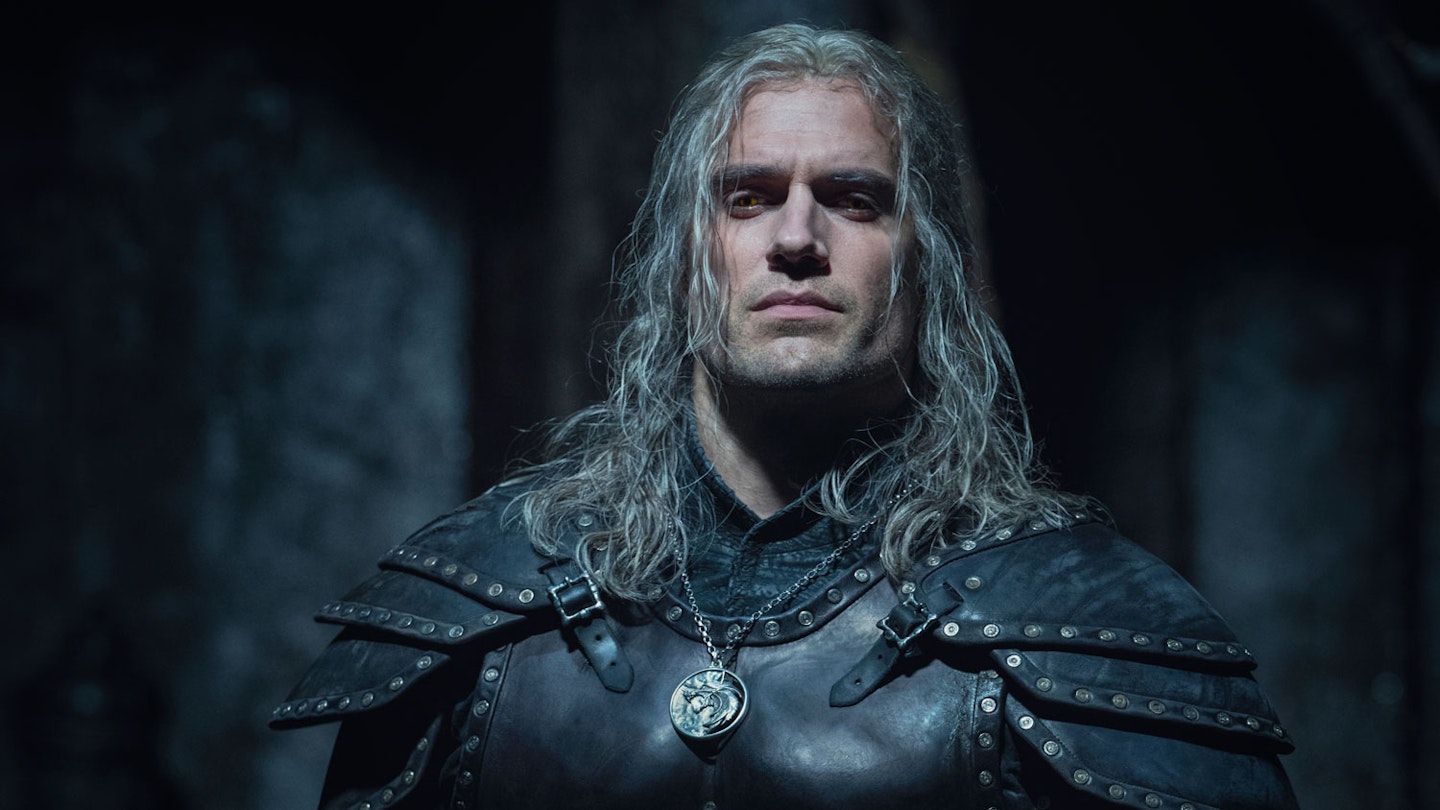
Additionally, it is worth noting that the literary Geralt, who, contrary to popular opinion, did have feelings, merely rarely showing them, highly valued his friendship with Jaskier. He admitted that they were friends and enjoyed his company, which in the Netflix series is not so obvious. Not without reason are those memes comparing the witcher’s relationship with the bard to that of Shrek and Donkey from the cult animation – in Netflix’s production, Geralt gruffly fends off the bard, reluctantly endures his often accidental company, and in the episode Rare Species outright rejects it.
Meanwhile, in The Last Wish by Sapkowski, he answers Mother Nenneke’s question about whether he wants to see Jaskier: Of course. He’s my friend, then explaining that opposites attract and praising the bard’s talent. This puts their mutual relationship in a completely different context. And while Netflix’s Geralt himself is more or less consistent with the spirit of the books (and here a bow to Henry Cavill, who managed to go beyond his handsome face and truly embody the witcher’s role), and the carefree Jaskier as portrayed by Joey Batey fits the buffoonish idiotic whimpers from Sapkowski’s prose, the dynamic between them definitely did not work as it should have, and this is not the fault of the actors, but of the script.

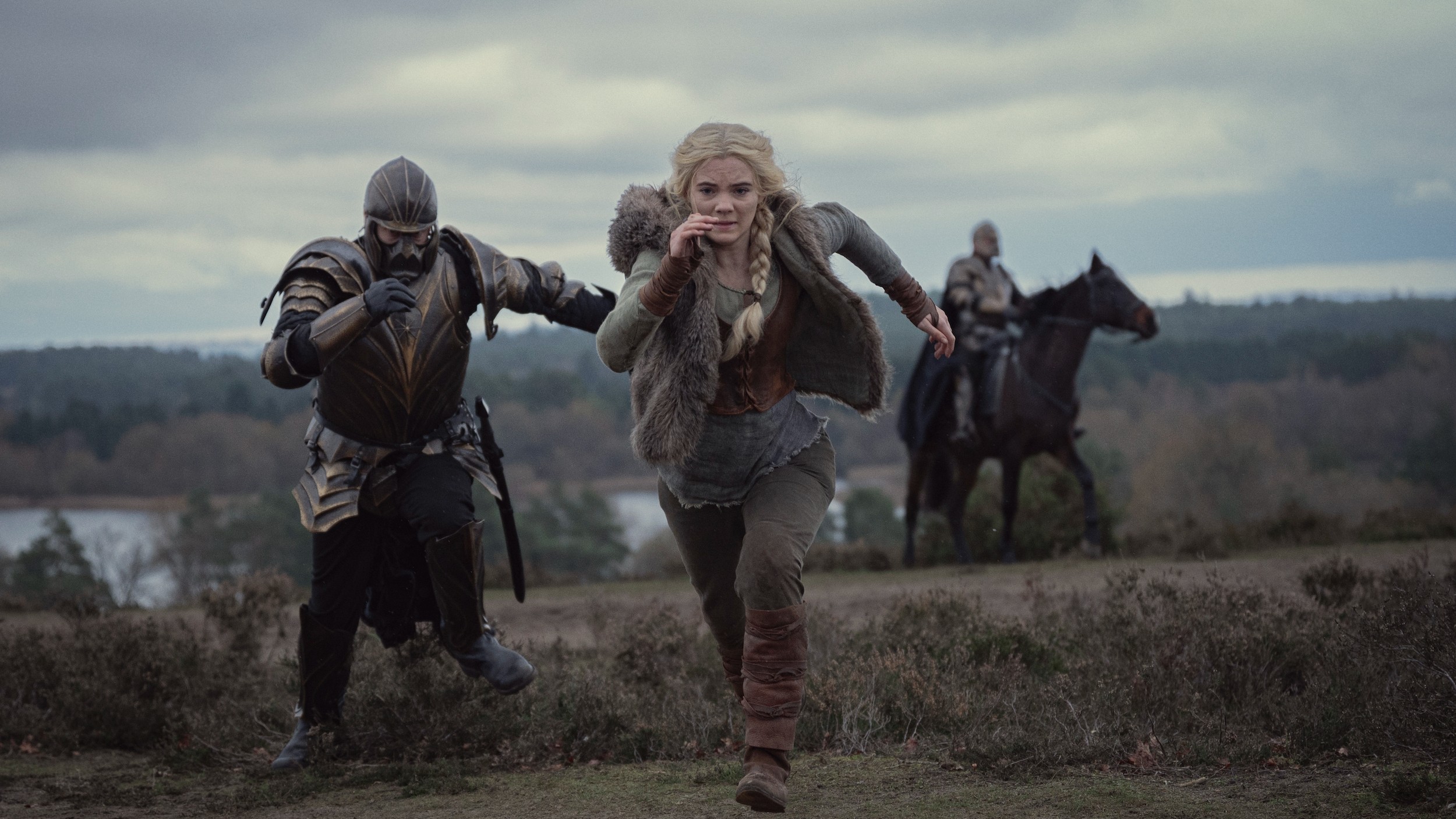
Despite two such extensive storylines, the episode still manages to squeeze in a sequence with Ciri’s escape from Cahir, an officer of Nilfgaard’s army, who, after the Slaughter of Cintra, was tasked with delivering her to Emperor Emhyr. We will return to the character of Cahir later; for now, let us only note that in her escape, the series’ Ciri is helped by the elf Dara, who does not appear in Sapkowski’s novels.
Episode 3. Betrayer Moon
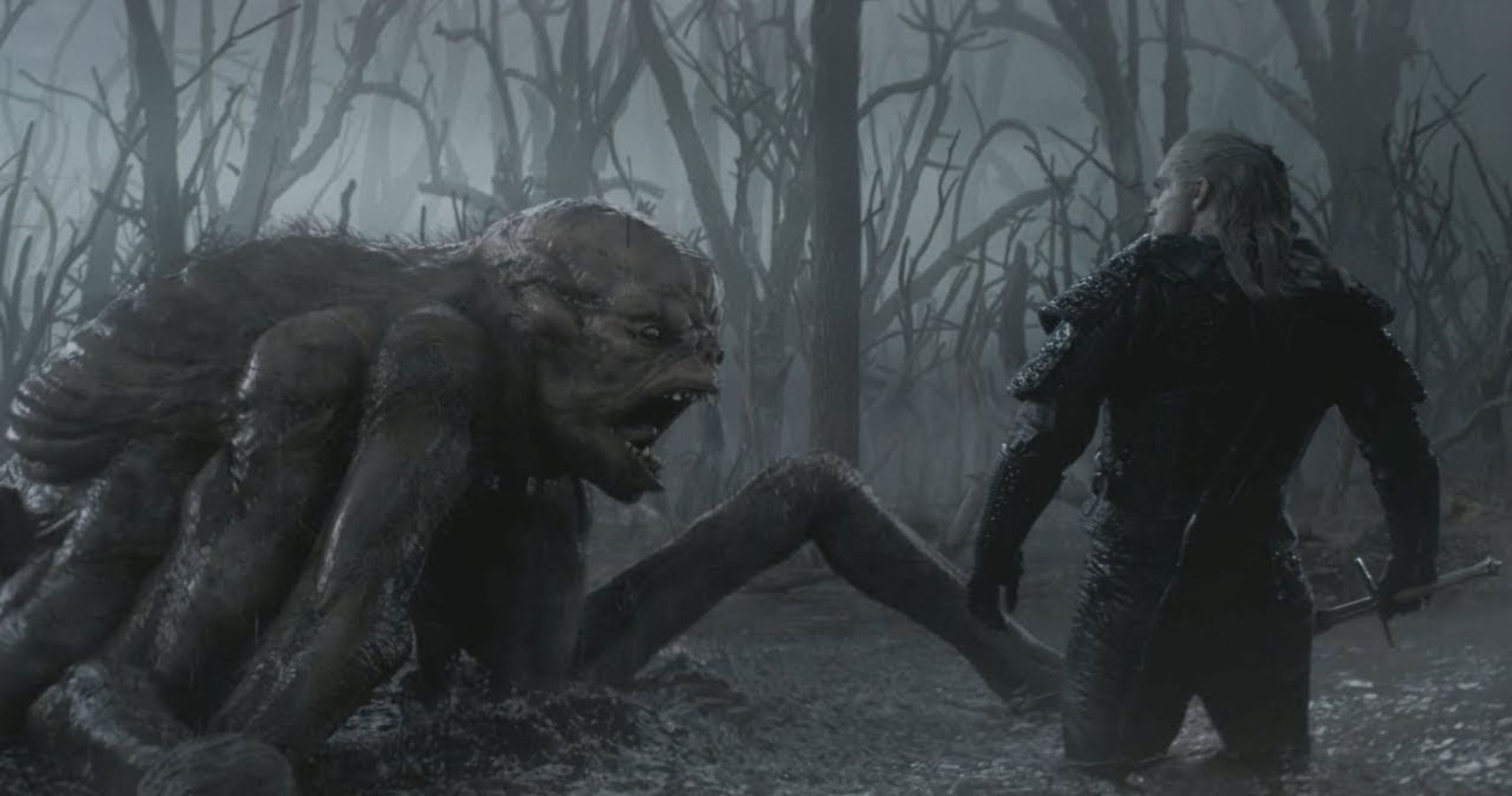
Later, they said that the man came from the north, from the Rope Gate. This famous sentence, of course, is not spoken in the episode Betrayer Moon, which is based on the short story The Witcher. Geralt arrives in Temeria, where King Foltest struggles with a certain problem. In the series, however, it is his men who deal with the problem while the ruler seems to ignore it; the fact remains, though, that there is a noble-born striga to be killed. In the short story by Sapkowski, the royal problem is widely known. Foltest committed incest, his sister became pregnant, gave birth to a daughter, and both died during childbirth. Both were buried with respect in the castle crypts.
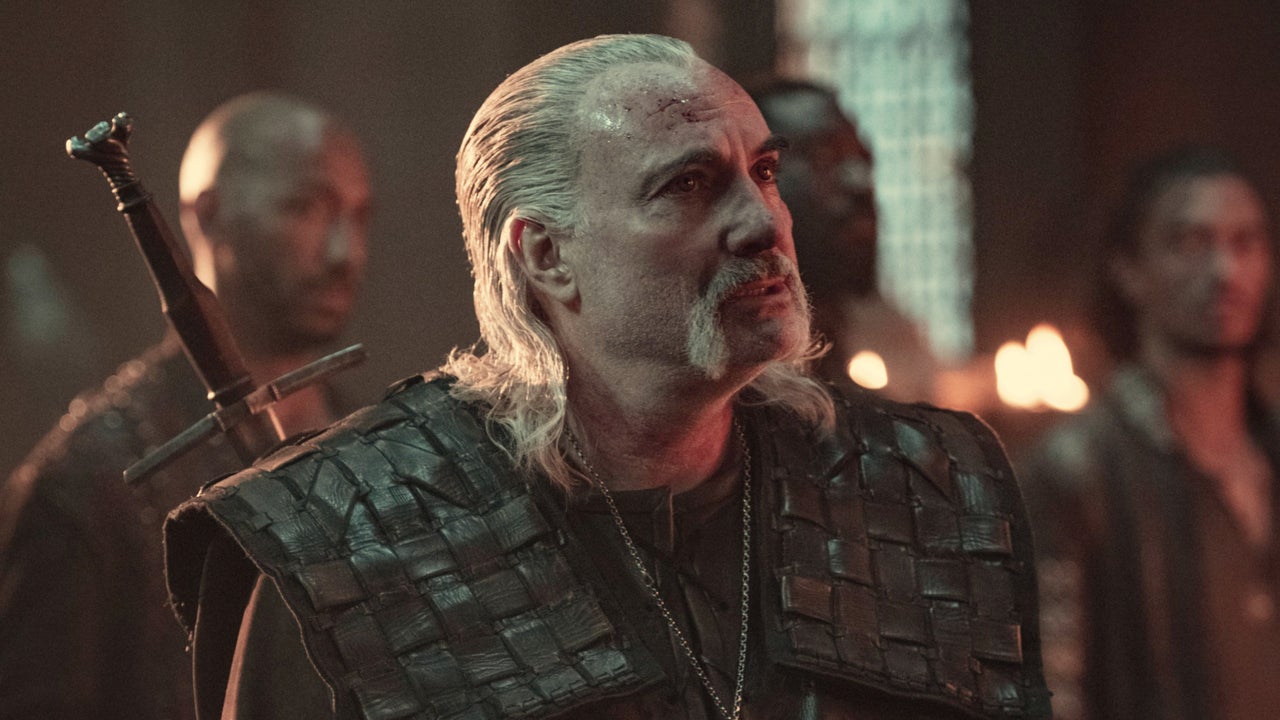
After seven years, the creature in the tomb had grown enough to start hunting beyond the sarcophagus. And it has been hunting like that for six years now, while its royal father had to move to a new residence because of it. Aside from the fight with the striga, which is depicted quite faithfully, the changes from the story are rather significant. First of all, it is Geralt who tries to force King Foltest to admit that the striga is his daughter. And Foltest, during their first conversation, does not admit this directly. Only the sorceress Triss Merigold, who does not appear in the original story, confirms the witcher’s suspicions after finding old letters during a visit to the old castle.
The book’s Foltest wishes to have the girl de-cursed because, despite everything, he feels like her father and is pained by the thought that the child suffers. He even offers to go with Geralt, wanting before the final solution – which could well be tragic – to see his daughter at least once in his life. In the series, it is Triss who asks Geralt to save the princess, motivated mainly by political concerns. He accepts the contract, recalling another mutant princess he killed – Renfri. The changes also concern Ostrit, one of Foltest’s governors. In the short story, he is not sure whether he or the old queen, Foltest’s and Adda’s mother, cast the curse. If he is guilty, he did it unknowingly. In the series, however, he has no trouble reciting a text in the Elder Speech that he learned many years ago.
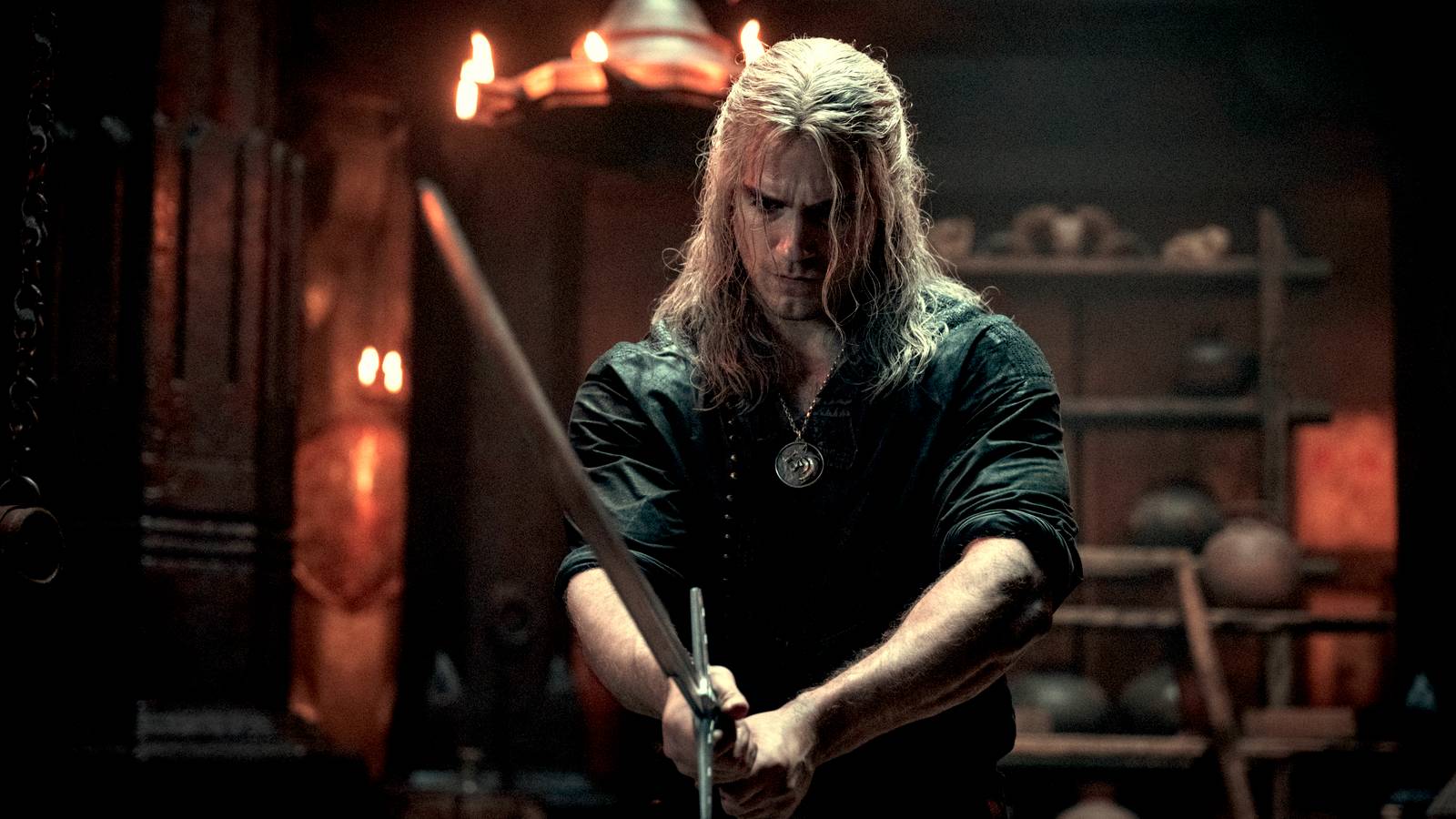
Betrayer Moon also introduces a change in the chronology of the saga. Ciri, fleeing through the forest in the company of the elf Dara, falls into a trance and enters Brokilon, where the dryads live. Andrzej Sapkowski presented the matter differently – Ciri arrived in Brokilon earlier, after her grandmother sent her to the court of King Ervyll to marry her off. Cirilla escapes and ends up in the forest of the dryads, where she meets Geralt staying there. Lady Eithné, the silver-eyed ruler of the dryads, plans to keep the Child of the Elder Blood with her, but Geralt convinces her that Ciri is destined for him and should leave Brokilon.
When that happens, the two meet the druid Mousesack – Calanthe, in the meantime, had changed her mind about the alliance with Verden and sent him to retrieve her granddaughter. Geralt hands over the princess, and Ciri, along with Mousesack, returns to Cintra. In the series, Ciri reaches Brokilon after the Slaughter of Cintra, accompanied by the aforementioned Dara. The fact that the latter replaces Geralt negatively affects the logic of Geralt’s and Ciri’s storyline. In Betrayer Moon, the writers also continue the invented subplot of the romance between young Yennefer and Istredd. We witness Yennefer’s painful transformation into a full-fledged sorceress and a meeting of the Council of Wizards, which highlights the character of Stregobor.

Episode 4. Of Banquets, Bastards and Burials
Episode four presents the events at the Cintran court that led to the intertwining of Cirilla’s and Geralt’s fates. The story of the Hedgehog of Erlenwald, who arrives at court just as Calanthe is choosing a husband for her daughter Pavetta, is shown faithfully in its essential elements, and changes such as Jaskier’s presence at the feast do not affect the plot. One could only nitpick slightly at the portrayal of the Lioness of Cintra, who in the short story A Question of Price was prepared for the Hedgehog’s visit and took concrete steps to thwart his intentions.
In this episode, we still follow Ciri in Brokilon. The aforementioned elf Dara is also there. This stands in some contradiction to the spirit of the saga, since the dryads were a closed, isolated society and did not allow anyone from outside – with very few exceptions – to enter the forest, greeting those who risked crossing the border river with a hail of arrows. In this episode, we also see a shocking scene for those familiar with the saga, in which Lady Eithné cuts into a tree – a situation unthinkable in the stories, since no dryad would ever consciously harm a tree.

The third thread of the episode is a somewhat bizarre sequence involving Yennefer and Queen Kalis. The sorceress escorts the queen and her daughter on their way to Lyria when they are attacked by a hired assassin. This subplot was probably meant to prepare the viewer for Yennefer’s later sudden desire for motherhood, but the chase scenes through a series of portals – given that she is an extremely powerful mage – and then her sentimental speeches over the child’s corpse, come across as exceptionally awkward in the context of the Yennefer known from the novels.
Episode 5. Unfulfilled Desires
The basis of this episode is the short story The Last Wish. Jaskier and Geralt, fishing by a river (certainly not for djinns…), accidentally release a demon trapped in a bottle. Believing himself to be the master of the freed djinn, Jaskier begins to utter the three wishes he believes are owed to him. However, the demon attacks with extraordinary force. To protect his friend, Geralt uses an ancient exorcism once taught to him by a priestess. The djinn flies away, and Geralt, seeking help for the injured Jaskier, meets Yennefer for the first time.
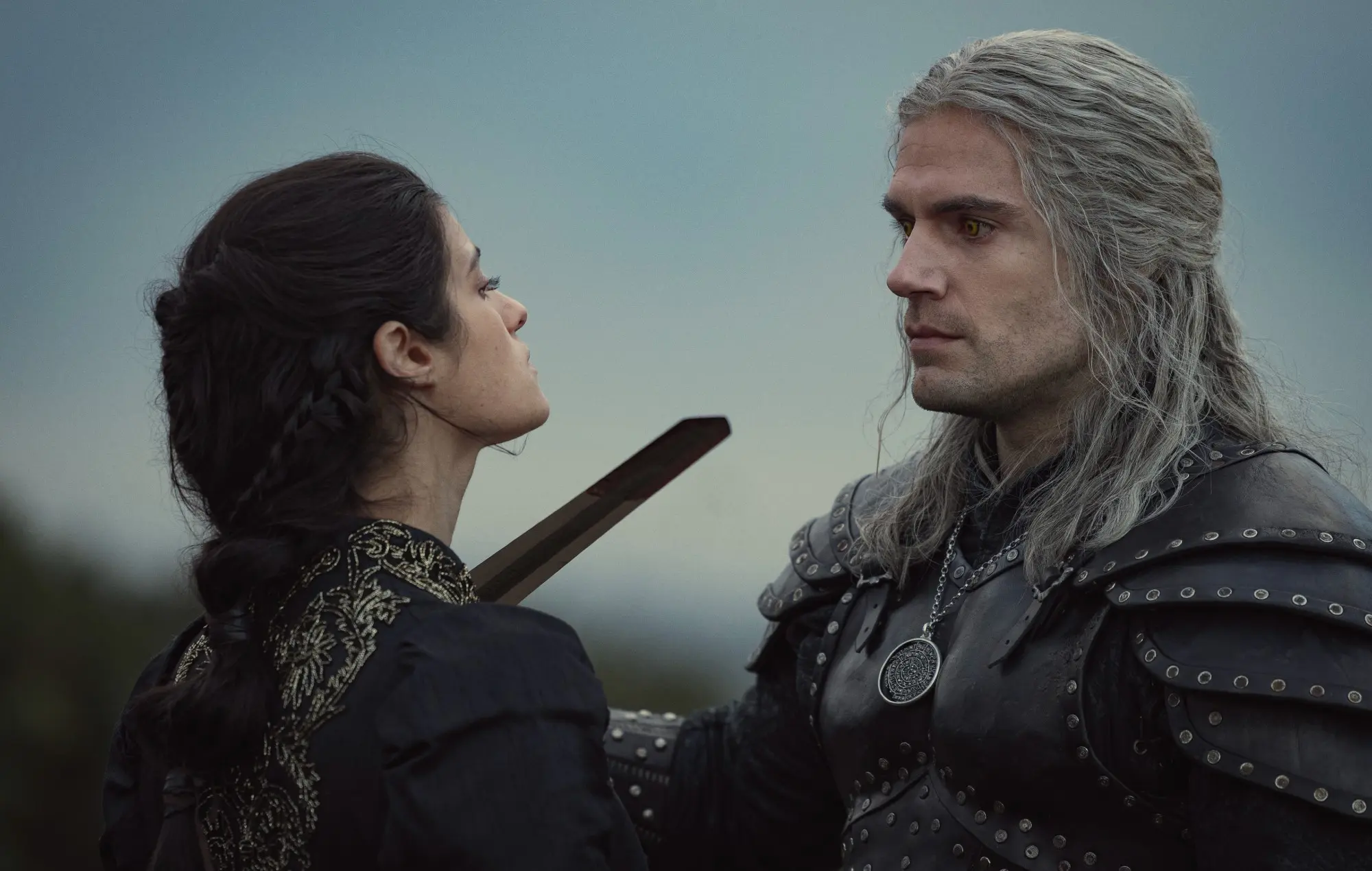
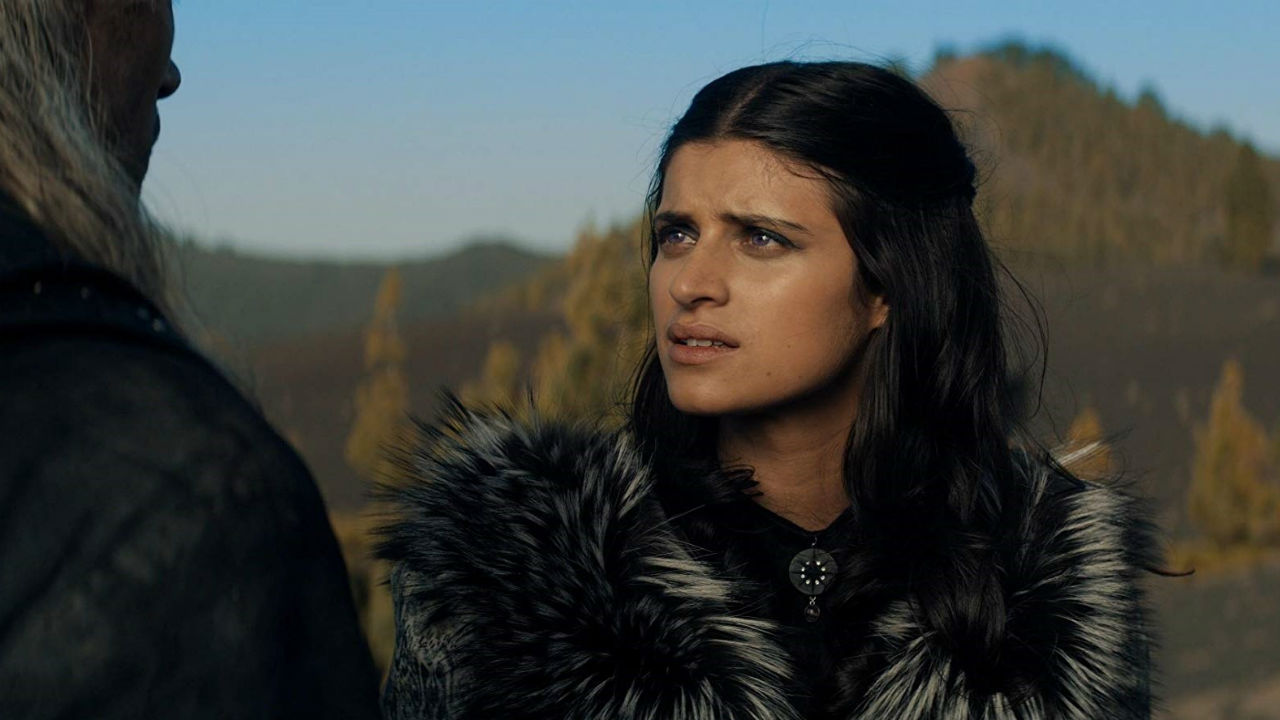
Anya Chalotra, who plays the sorceress in the series, fits the role perfectly and performs it well. The problem is that her character seems to share little more than a name with her literary counterpart. Let us not quibble over the character’s appearance – the fact that Chalotra does not have a triangular, pale face and narrow lips does not matter much. Unfortunately, her Yennefer is a typical woman in the worst sense of the word – she does not know what she wants but wants it very much. In other words, she always desires what is beyond her reach, expressing it in a teary, petulant manner typical of soap opera heroines.
The literary sorceress is a completely different kind of woman. I would much rather have seen the hungover Yen in a disheveled bed than a dull lady in a mask watching an orgy she conjured up for reasons unknown. Because that apple juice Geralt brought had a purpose. Yen was simply drying out after her frolics with Beau Berrant – incidentally, a merchant, not a representative of authority. Berrant was a titular ambassador and granted the sorceress asylum – practically it was a prison, yes, but she could hardly complain, as she earned well from wealthy clients and threw wild parties in which she herself participated.

She was a strong-willed woman who could both have fun in all sorts of interesting ways and swear like a dwarf. Attractive, though not beautiful, with the cold eyes of an ugly woman, proud of her appearance carefully perfected through mandrake elixir and glamarye, she could nonetheless get furious when Jaskier, whom she disliked, shamelessly stared at her cleavage exposed by Boholt. The Yennefer played by Chalotra – and as envisioned by Hissrich – sorely lacks that personality and that energy.
Let us return, however, to the story with the djinn. Why did he come back and attack with a force that threatened the entire city? Until the master uttered three wishes, he had to obey him, but he was not pleased with his service. The ancient exorcism that Geralt used against him, which was also his first wish, literally meant: Go away from here and bugger yourself. No wonder that a self-respecting djinn got a little carried away. In the series this wish was changed to a safe I just want some peace and quiet!, which not only robs the story of half its charm, but also makes Geralt the cause of Jaskier’s troubles.
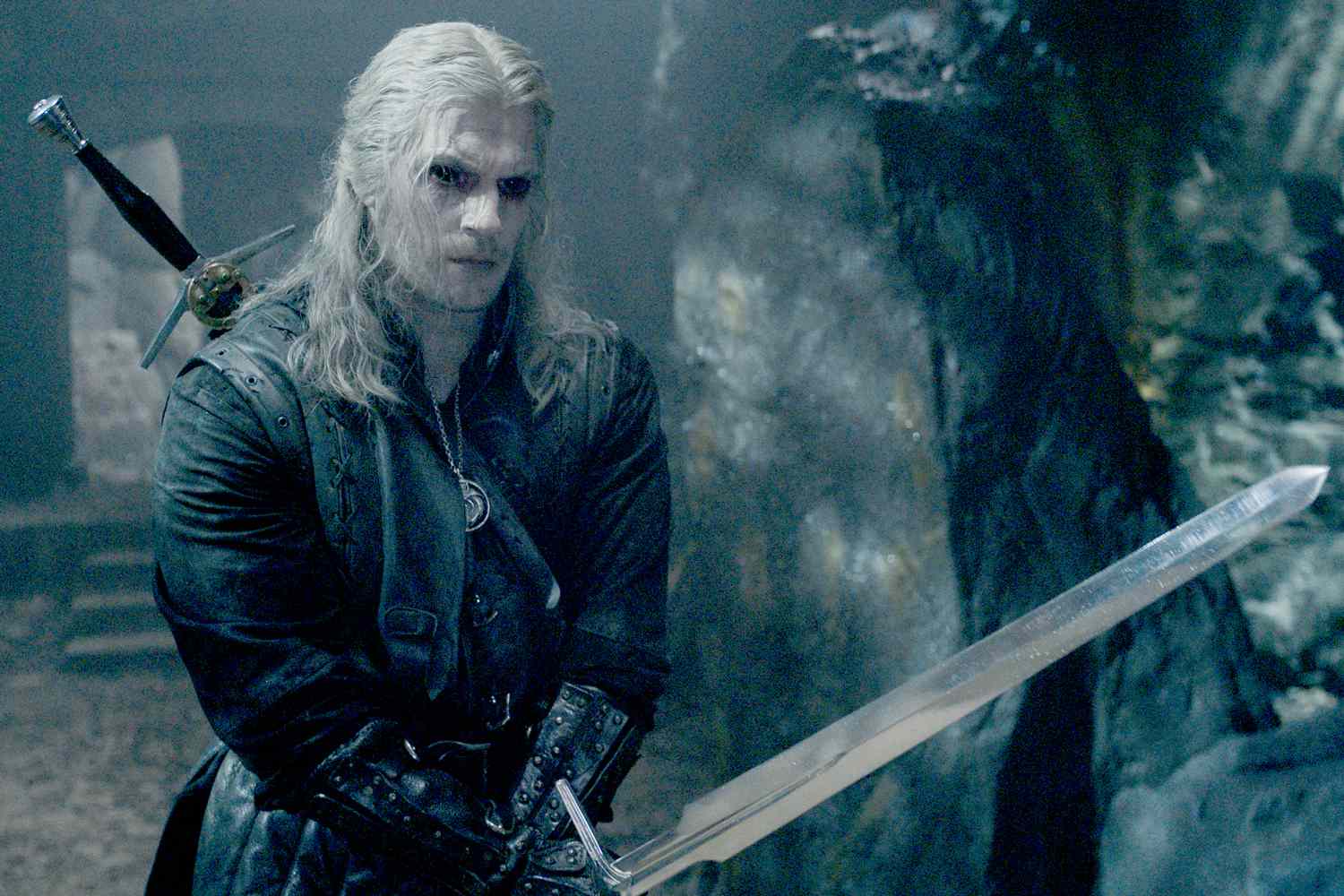
The fight with the enraged demon looks quite spectacular in the series, and it is only a pity that the chemistry between Yennefer and Geralt—full of sparks in the story—appears flat here, in a typically Hollywood, polished style. Again, this results from how the series’ creators handle the characters, rather than from the actors’ performances. This episode also brings Nilfgaard to the forefront, with Fringilla Vigo and Cahir at its head. In Nilfgaard there was a cult of the Sun and the Emperor, and the series took it a step further, turning the Nilfgaardians into religious fanatics, which has little significance for the plot, though it adds some colour.
The characters of Fringilla and Cahir, however, were changed. Neither she nor he displayed such ferocity in the stories, and Fringilla could only dream of the power her series counterpart wields, portrayed as the leading sorceress and almost as the commander of Nilfgaard’s forces. Book Cahir was a young officer entrusted with a task that did not quite go as he expected. For a time he tried to fix the mistakes he had made, and then suddenly changed sides. The series’ Nilfgaardian is an obsessive devotee of his ruler, who will stop at nothing to achieve his goal—including the use of a doppler, who in Sapkowski’s stories had a completely different role and character. The subplot with the false Mousesack is an invention of the Netflix The Witcher screenwriters.

Episode 6. Rare Species
Oh, we have no luck with this dragon, none at all… But truth be told, Eyck of Denesle did not turn out well on screen in any form either. The series’ knight errant does a bit better than his Polish counterpart, but his death was rather… uninteresting, let’s say, though another word comes to mind. This trick—treacherous murder instead of a confrontation with the dragon—may in fact be closely tied to that very dragon. The mythical, golden, and according to the overly talkative Zerrikanians in the series the most beautiful, Villentretenmerth simply fails to impress. That is why it was better to remove from the script all scenes in which the creature smashes his attackers to dust.
Why embarrass oneself further… Once again, instead of the vivid book scene by the precipice, we get sweet, romantic scenes with the witcher and sorceress in a magical tent straight out of the Harry Potter series. Once again, the script undermines Sapkowski’s characteristic humour—Borch, intervening on behalf of the witcher’s property, admits to the greedy peasants that he does not carry a weapon. He ends it, however, with a brief My weapon walks behind me, introducing the warrior Zerrikanians. In the series, one of them, snapping the neck of a thug who harasses Borch, says Weapons won’t be needed.
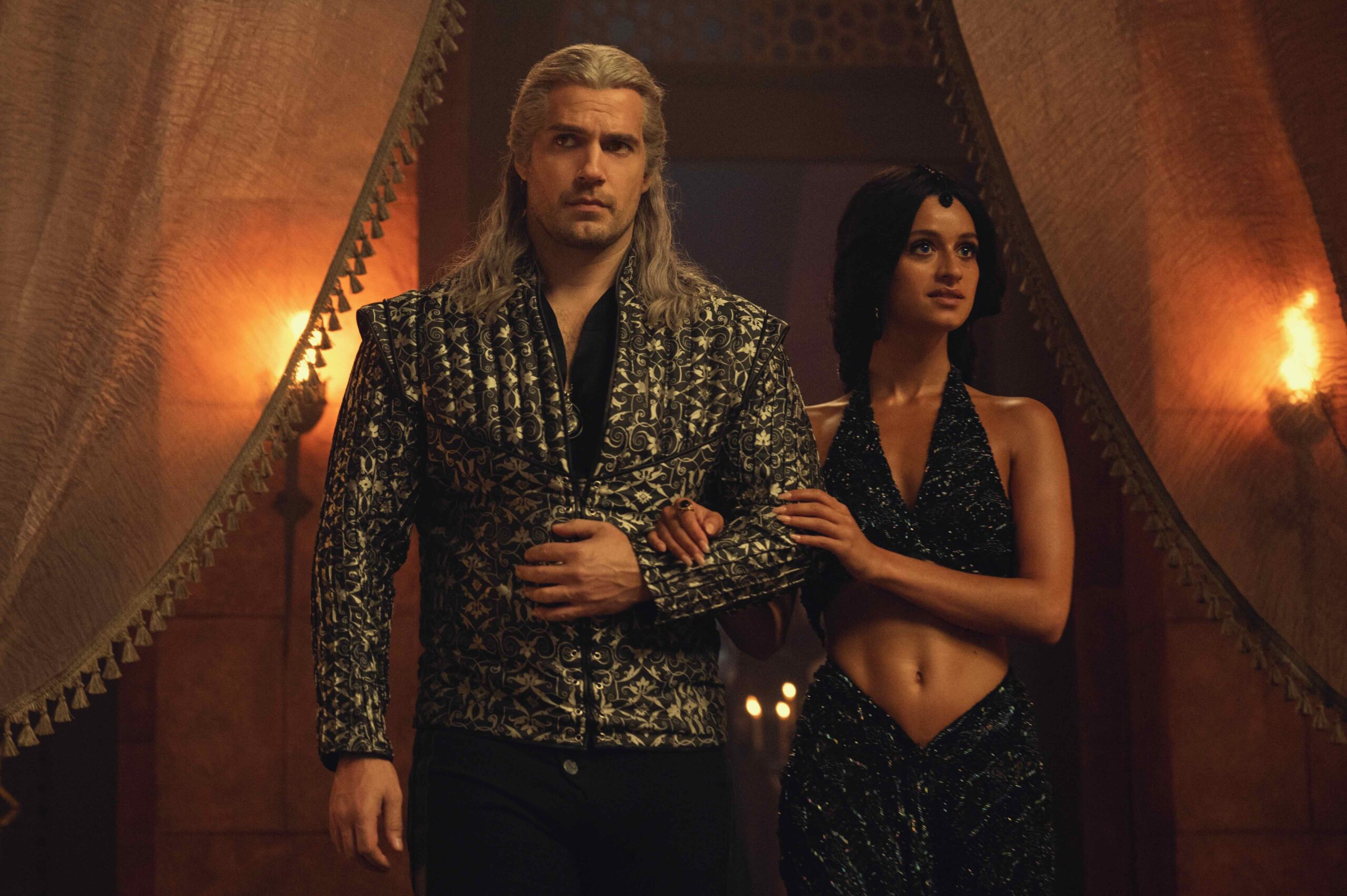
The scene is rather awkward, since it was obvious that the warrior women served as Borch’s bodyguards, and any peasant would have backed away from them without hesitation. At the same time, the story was stripped of its flavour—instead of Geralt choosing between the appetizing Zerrikanian warriors, we get Geralt staring calf-eyed at Yennefer as she enters the inn. She, in turn, clings to the knight from Denesle in a rather pitiful way. Borch’s motives for joining the expedition against the monster are different, and the self-confident shoemaker Sheepbagger is missing—the one who (in a reference to the Wawel Dragon legend, omitted in the series) poisoned the green she-dragon with a sheep stuffed with sulphur.
This episode continues the subplot of the false Mousesack—he approaches the dryads, who hand Ciri over to him, but he does not fulfil his mission. On the positive side, we might note the not particularly original but well-executed fight between Cahir and his doppler double.
Episode 7. Before a Fall // Episode 8. Much More
The final two episodes of the series are based on the story Something More, which ultimately unites the fates of Ciri and Geralt. We see Geralt arriving in Cintra to claim the Child of Surprise and Calanthe trying to deceive him by substituting another girl for her granddaughter (this motif appears only in later volumes of the Witcher saga, when the false Cirilla Fiona is presented to Emperor Emhyr). Geralt briefly observes Ciri playing on the city streets, then is imprisoned by the queen. During the Slaughter of Cintra, he remains in the city and comes across Calanthe’s body. Remembering Yennefer’s words about responsibility for the child entrusted to him, he searches for Ciri, but to no avail.
In the story, Geralt visits Cintra when the princess is still a small child. Calanthe, reluctant to give up her granddaughter, tells him to choose a future witcher from among ten boys playing in the moat, without revealing that Pavetta’s child is not among them. The witcher, realizing this, renounces his right to the Child of Surprise and leaves. In her final words, Calanthe asks him to return when the war begins, promising that the child destined for him will be waiting.

The introduction of the elf Dara disrupts the continuity of Ciri’s relationship with the witcher. In the book version, the princess already knew of her destiny since her stay in Brokilon. She liked Geralt, trusted him, and wanted to accompany him. Searching for him after escaping the burning Cintra was natural for her, not—as in the series—a result of her grandmother’s orders. Therefore, when she meets him at the farm of Yurga and Zlotolitka, where Geralt ends up after his fight with ghouls, she runs joyfully to meet him. In the series, such an enthusiastic greeting between two people who have never met appears somewhat forced.
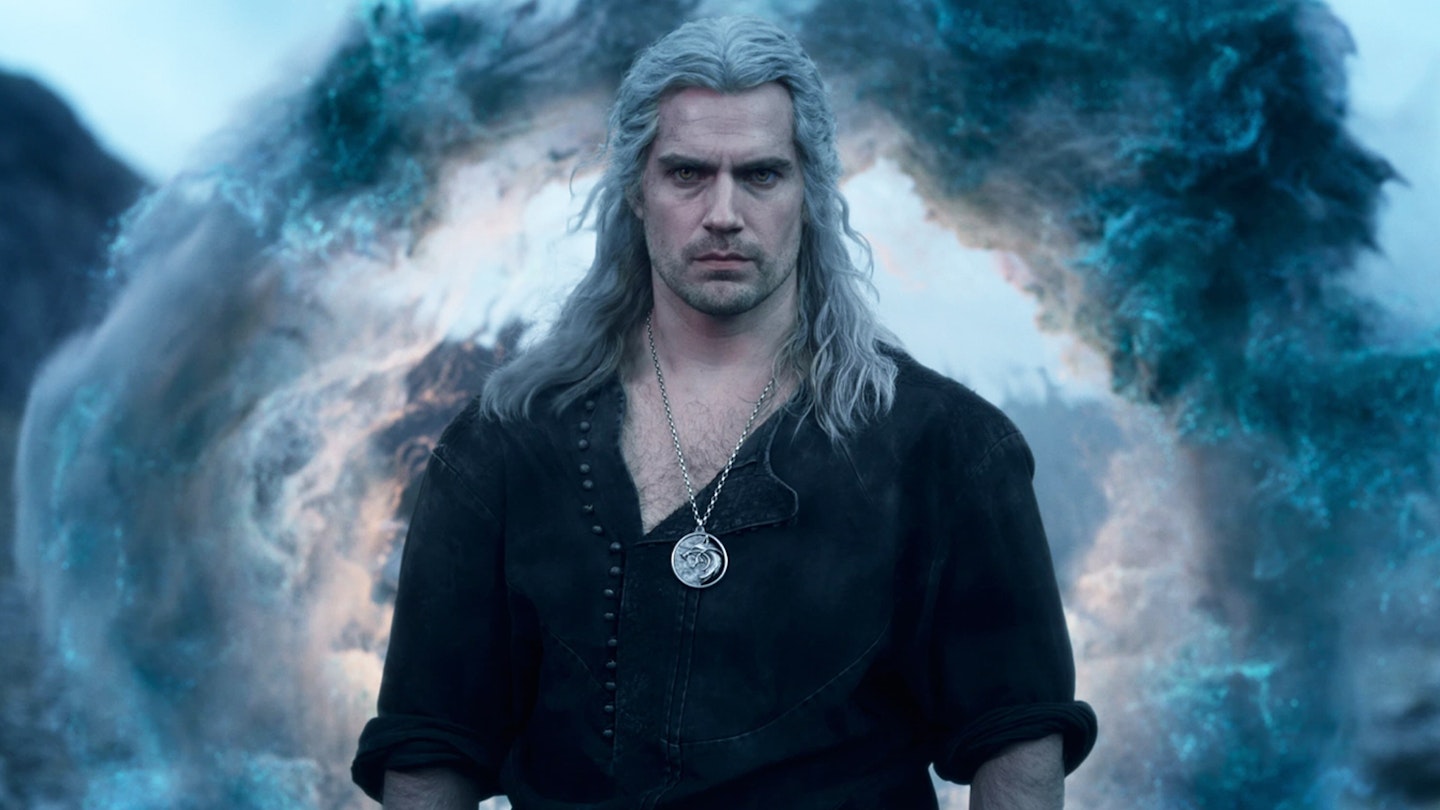
Before a Fall also introduces the character of Vilgefortz, a young but extremely powerful mage who, after meeting Yennefer, brings her back to Aretuza, where the Chapter of Sorcerers convenes to discuss the coming war with Nilfgaard. In the book, Vilgefortz is the only person who ever managed to defeat Geralt—and that is no small feat. In the series, nothing so far hints at his power. Even command over the mages at the Battle of Sodden Hill was taken from him (though it was his heroism and skills in that battle that earned him authority in the Chapter and the Supreme Council of Mages).
The plot of the final episodes also includes a meeting between Vilgefortz and Cahir, which may suggest the future development of both characters—in Vilgefortz’s case, it would be true to the spirit of the books for the mage to switch sides freely according to his own judgment. The Battle of Sodden Hill, which takes up most of the last episode of the first season, was not described in detail in Andrzej Sapkowski’s novels, so the show’s creators could stage it their own way, preserving a few essential details, such as Triss Merigold’s injury, which meant the sorceress could never again wear a low-cut dress. Here it is worth appreciating that the screenwriters included this detail in their depiction of the battle. In the books, Triss explains that no one recognized her after the battle because she also lost her trademark—her beautiful, always loose chestnut hair.
The show does not depict this; however, if it is mentioned in later seasons, it may turn out that the sorceress’s injuries were caused by the chaos explosion unleashed by Yennefer—thus Triss would be her friend’s victim. And that would not be Yennefer’s only guilt—the series’ script, by showing her beginnings, suggests that it is indirectly she who is to blame for the war Nilfgaard started. It was she, not Fringilla, who was supposed to take service at that court. Yennefer deceitfully took Fringilla’s place at the Aedirn court, thus leaving Nilfgaard in the hands of a sorceress with a completely different character. This is an interesting, though entirely alien to the books, concept.

Faithfully portrayed, however, is the thread connecting Geralt, Yurga, and Visenna. True, Yurga was repairing his cart wheel, not burying the dead, Geralt agreed to help him in exchange for the Law of Surprise, and the story made no mention of his childhood—only of the meeting with his mother, who healed the ghoul-inflicted wounds—but these are precisely the kind of small deviations that, as I mentioned at the beginning of this text, do not affect the plot.
Further seasons of the Netflix series lie ahead—the second will probably appear on the platform in 2021. Even those fans of Andrzej Sapkowski’s work who dragged the first season of The Witcher through the mud will probably watch it. Accustomed to how their beloved threads and characters were treated in the first season, they will likely no longer comment so emotionally on every episode and every change. And I think this is the key to success—to accept that a series filmed merely based on the saga they have read and know inside out will never be one hundred percent faithful to it.

Nor will it ever be one hundred percent faithful to the readers’ visions of each character or situation, because that is impossible—after all, as many readers as there are, so many imaginations. From my own experience, I know it is very difficult—to watch Geralt, Jaskier, Yennefer, who are not our Geralt, Jaskier, and Yennefer. I fear most their Regis and their Milva. I would not want them to be changed… too much.
Time will tell how it will all look. One can only hope that the creators of the series are following not only the opinions of professional critics but also the greatest concerns of the admirers of the White Wolf.

