Horror Movies
UNDER THE SHADOW: An Intriguing, Multi-Layered Horror
Under the Shadow creates a strong sense of unease and is not easy to decipher. It is certainly neither just a classic horror nor merely a moving drama.


Under the Shadow is a co-production of four countries: the United Kingdom, Iran, Jordan, and Qatar. This is the feature-length debut of Tehran-born director Babak Anvari. The world premiere took place on January 22, 2016, during the American celebration of independent cinema – the Sundance Film Festival.
The Iranian filmmaker’s debut turned out to be a major artistic success, so the decision was made to submit it for the Academy Award in the Best Foreign Language Film category. Although the characters speak Persian, the submission did not come from Iran but … from the United Kingdom. This happened because Iran submitted The Salesman by Asghar Farhadi, quite rightly sensing that it had a much greater chance of winning. Under the Shadow however has not received the recognition it deserves.
In a cinema auditorium, however, it proved to be an intense experience that is difficult to erase from memory. What is more, it makes one want to return to the film in order to discover the areas carefully hidden beneath the surface of a supernatural horror. One of the areas the director explores is the recent history of Iran, which in the 1980s became the target of an Iraqi invasion. Babak Anvari was born during the war, and his hometown, Tehran, was then attacked with ballistic missiles.
Even someone who was a child at the time cannot forget that atmosphere of constant threat and fear, as well as the ominous sounds of war that drive a person to madness. The director managed to transfer this atmosphere into his film, but what is most interesting about the production is that alongside real drama we have here a full-blooded horror drawing on Muslim beliefs.
Iranian cinema entered global awareness through the poetic works of Abbas Kiarostami and the realistic portraits of Asghar Farhadi, yet Iranian horror is a unique phenomenon that will probably not gain a large audience anytime soon.
Throughout the history of horror cinema, various types of sons of darkness have appeared: vampires, werewolves, zombies, demons straight from hell. The latter group includes djinn. Films about them are rare, as they belong to Middle Eastern mythology, which Western audiences associate mainly with the One Thousand and One Nights.
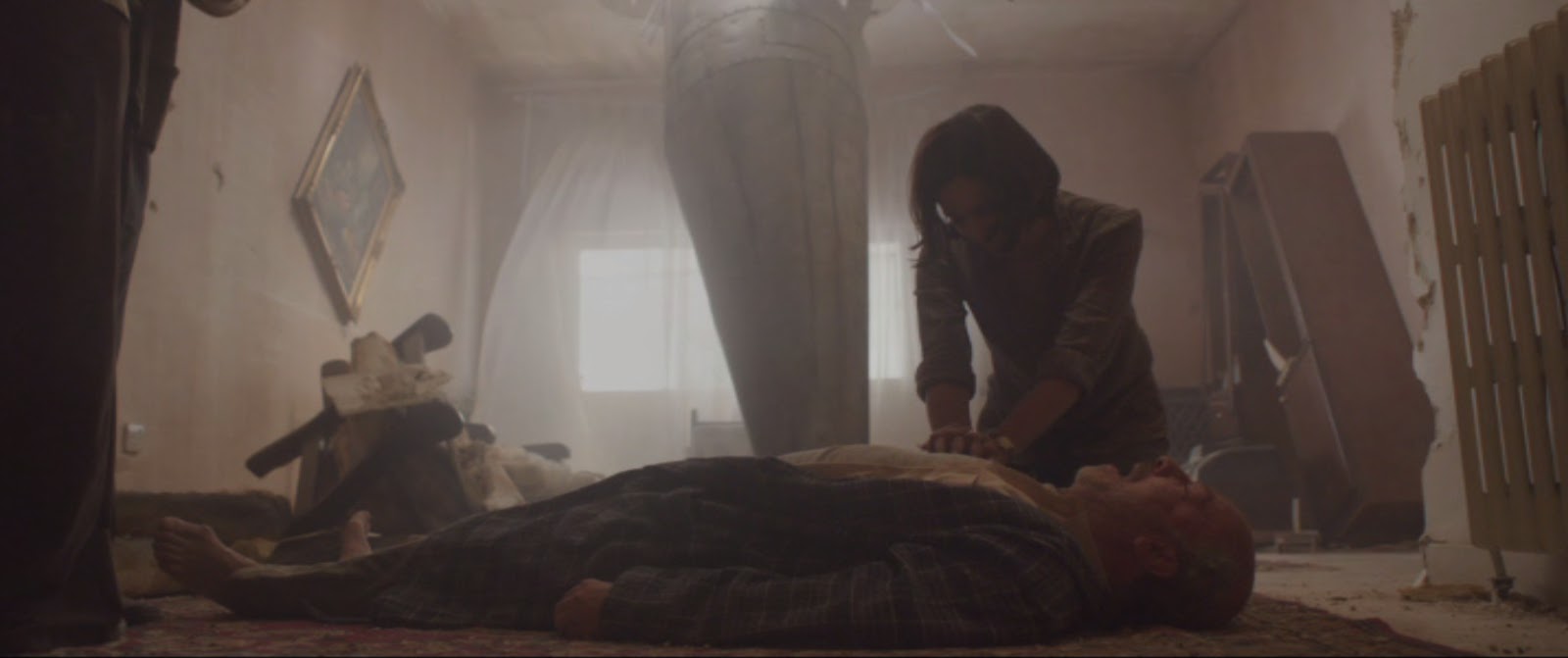
But in the film discussed here, the djinn does not grant wishes as in the tale of Aladdin or, for example, in the horror film Wishmaster (1997) by Robert Kurtzman. In Under the Shadow, the demon feeds on human fear and takes advantage of the fact that the country is plunged into the chaos of war.
It torments a mother and her child in order to intensify fear and paranoia. According to the Qur’an, the holy book of Islam, angels were created from light, and djinn from fire. For Muslims, belief in these infernal demons is something obvious. But the film’s protagonist is presented as a woman firmly grounded in reality, and therefore one who initially rejects the idea of evil spirits.

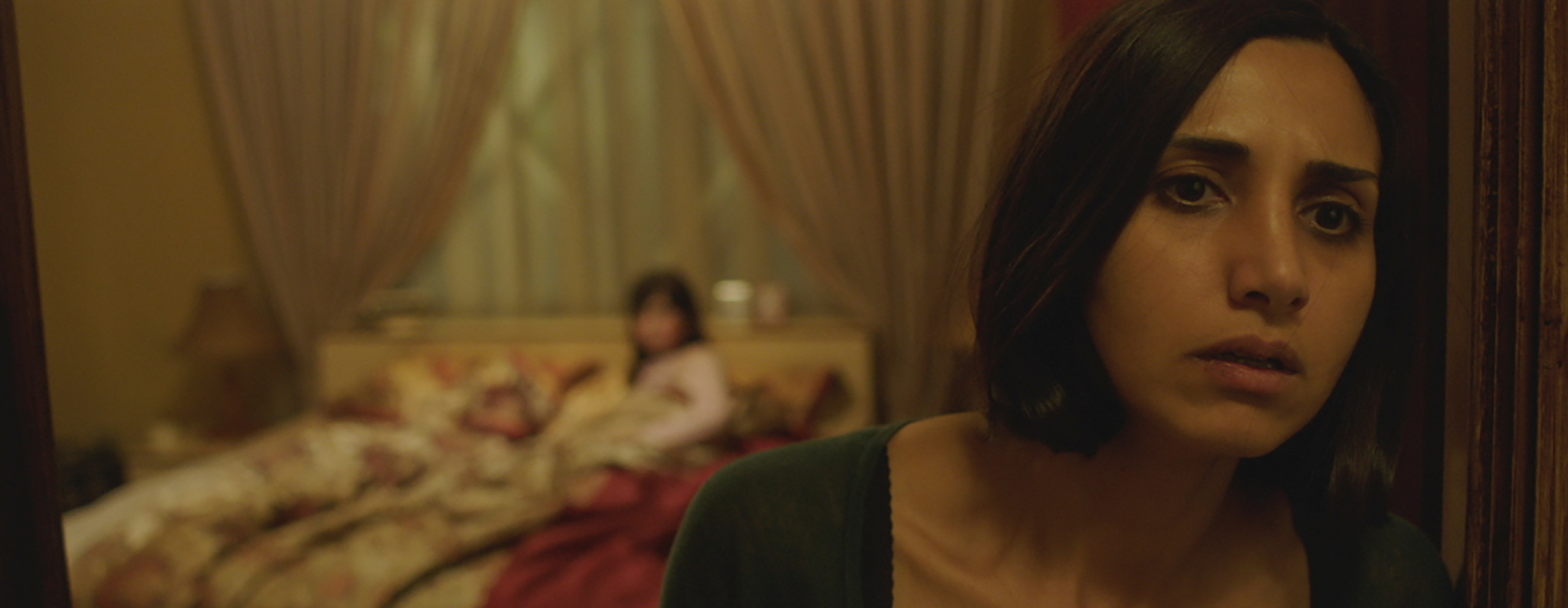
Like the director, actress Narges Rashidi also had a difficult childhood because of the Iran–Iraq conflict. She constantly hid with her mother in a basement during bombing attacks – until she settled with her family in Turkey. She later moved to Germany and studied acting in Berlin. In Under the Shadow she is flawless as Shideh.
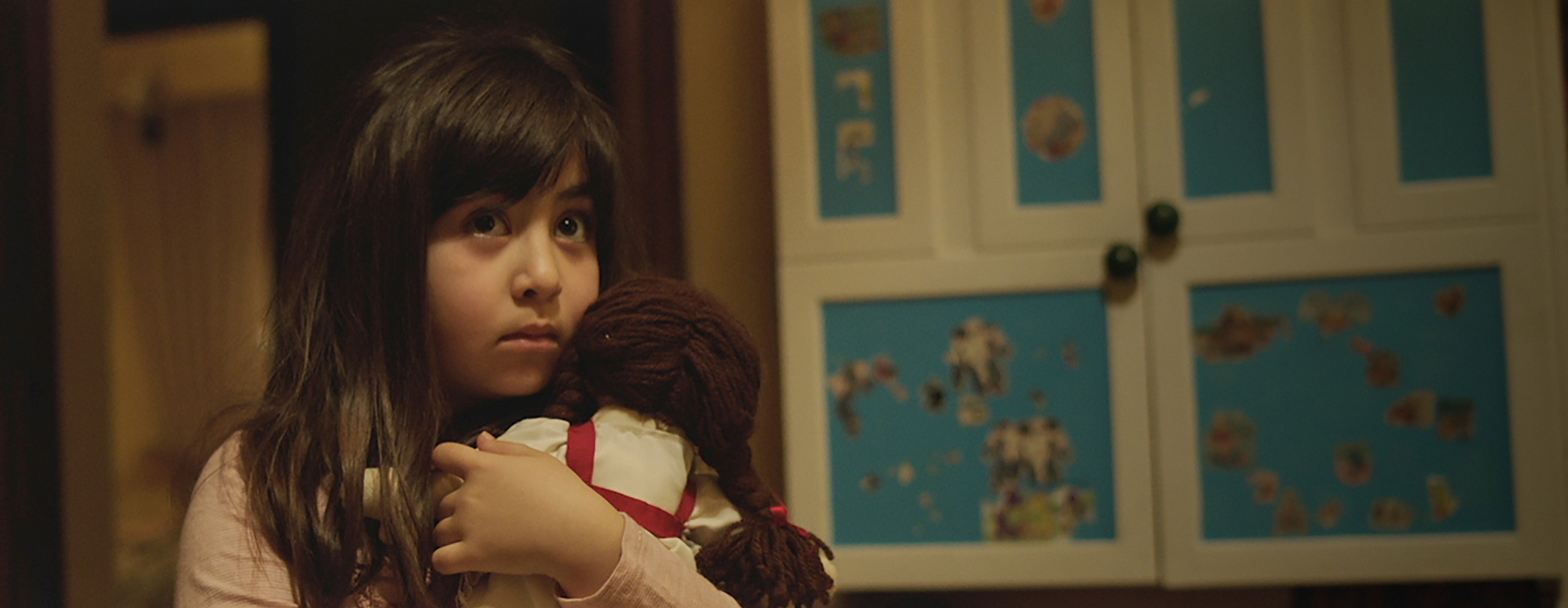
Perfectly balancing between the dramatic type (in the style of Cesira from Two Women by Vittorio De Sica) and the type of scream queen associated with horror, she created an excellent, highly intense performance, carefully drawing from her character a full range of emotions. Avin Manshadi also did quite well as her daughter Dorsa. She had no acting experience, which makes her performance all the more worthy of appreciation.
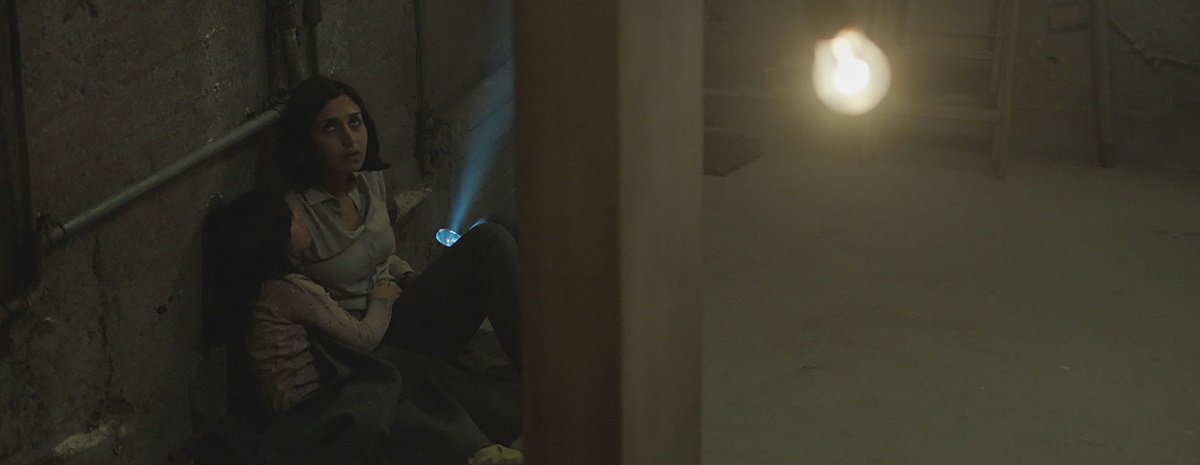
At first glance, the story looks fairly classic – like a typical ghost story. Very intimate, as it takes place within the space of a modest apartment and focuses on the relationship between mother and daughter. Yet there is no sense of repetition or cliché, largely thanks to the Iranian cultural perspective. Because of this, the film feels fresh and its development is hard to predict. It is clear that Babak Anvari, although educated and living in the United Kingdom, knows Muslim culture well.
Particularly telling is the scene in which the terrified heroine runs out of the haunted house, exposing herself to flogging… for improper clothing. Even during wartime, strict moral rules apply. The director, who is half British, knew that this scene would seem absurd to Western audiences, which only strengthened the message. The message – or rather one of the possible interpretations – concerns a disease that has infected this world: the desire for power over another person, the tendency toward psychological violence against women, and the restriction of their freedom.

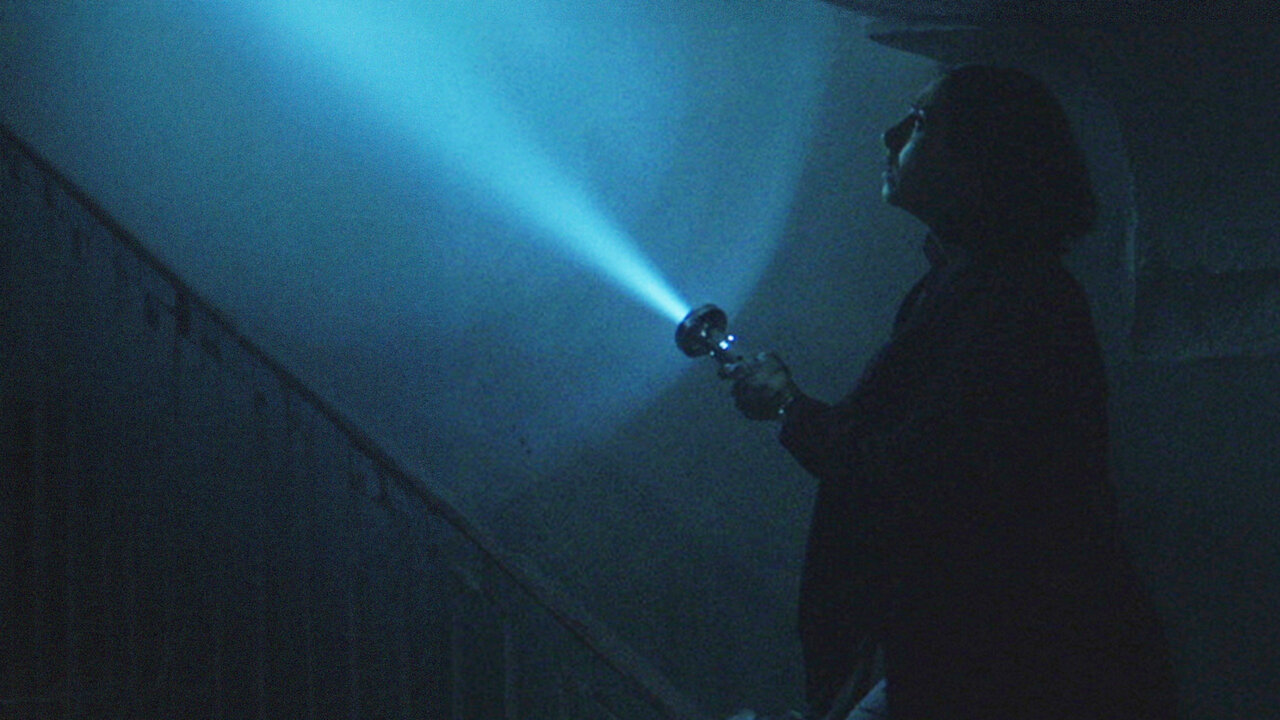
I evaluate Under the Shadow very positively. It works both as an emotional drama and as a highly intriguing horror. The theme of a mother’s responsibility for her child is presented in a very interesting way. The blending of two worlds – the real and the fantastic – is shown in a particularly compelling visual and narrative manner, with both negatively affecting the human psyche. The director – with the help of British cinematographer Kit Fraser – managed to create the right atmosphere of dread and to build and sustain tension until the final minute.
There is no shortage of scenes constructed in such a way that the viewer will jump in their seat. And it works – the film is capable of creating unease while also giving the viewer something to think about. The story is multi-layered, so it is not easy to decipher. It is certainly not just a classic horror nor merely a moving drama. The gap between these genres is small, but the depth hidden within it is the essence of the work. Moreover, the film provides an ideal contrast to the Oscar-zone Iranian cinema whose leading representative is Asghar Farhadi.