
Review
OUTLAW KING. Competently Crafted Historical Drama
Outlaw King stands as a respectable, competently crafted historical drama—perhaps not as iconic as Braveheart, but a worthwhile companion piece.

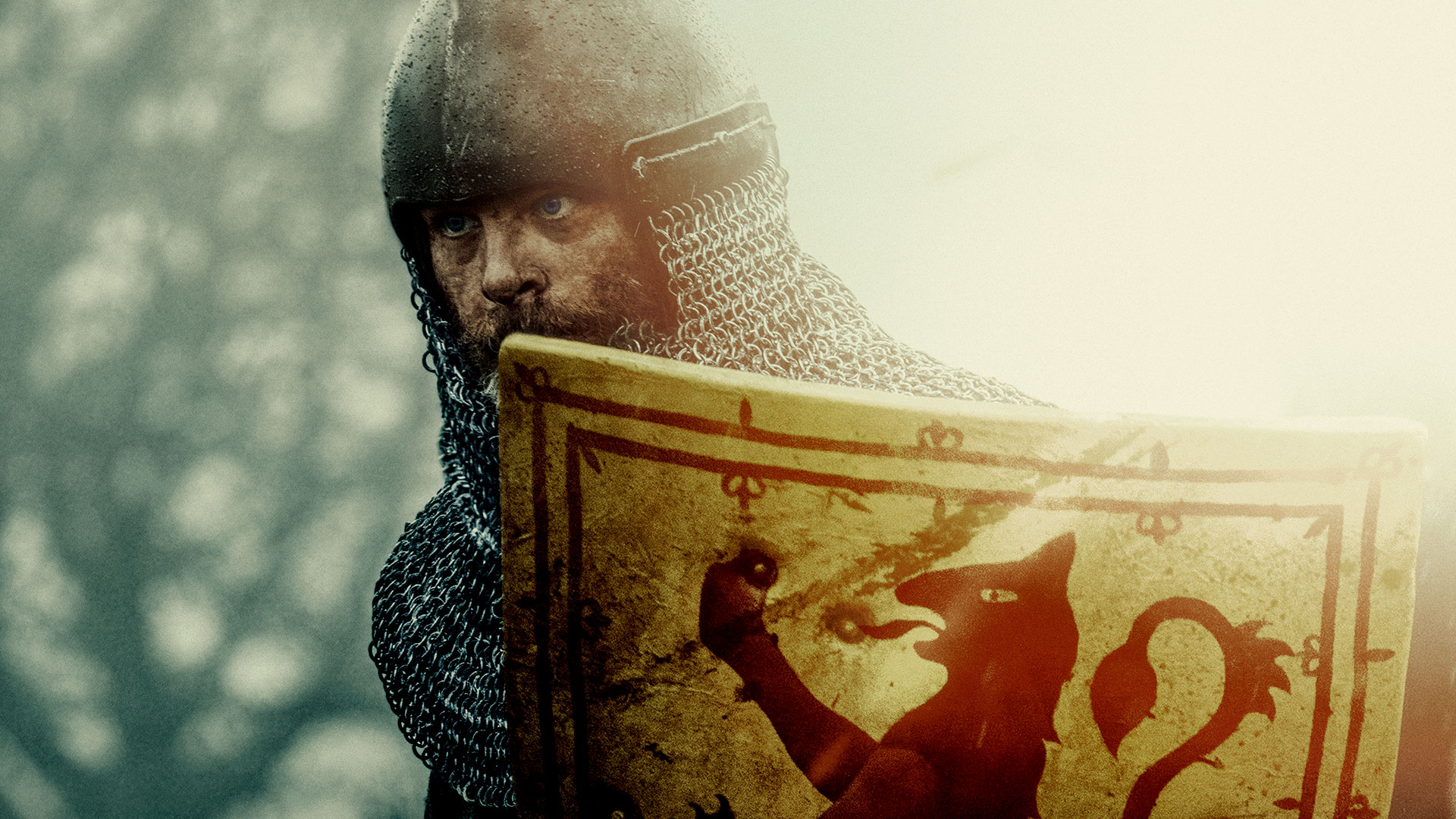
In 1995, audiences around the world were introduced to William Wallace and the chapter of Scottish history that remains central to the nation’s identity. Even if Mel Gibson’s interpretation took generous liberties with historical fact, Braveheart permanently etched the image of the freedom-fighting Scot into popular imagination. For many viewers, it became the definitive cinematic vision of Scotland’s medieval struggle. Decades later, that legacy still looms large—so it was perhaps inevitable that the figure of Wallace, as a symbol of defiance, would echo through Outlaw King, David Mackenzie’s historical drama about Robert the Bruce, the ruler who history credits as the first to be described with the resonant epithet “Braveheart.”
The story of Outlaw King begins after the suppression of the Scottish rebellion, when the defeated lords—alongside rival claimants to the throne, Robert de Bruce and John Comyn—swear fealty to England’s King Edward I. We meet the protagonist at his lowest point: bowing before the occupier, seemingly abandoning not only the dream of freedom but also his family’s claim to the Scottish crown. Yet the spirit of resistance, embodied by Wallace’s martyrdom, lingers. His death in captivity becomes the catalyst that drives Robert to break his sacred oaths and rise in rebellion, ultimately claiming the Scottish crown and waging a prolonged guerrilla war against England—a campaign that would allow him to retain his throne for over two decades.
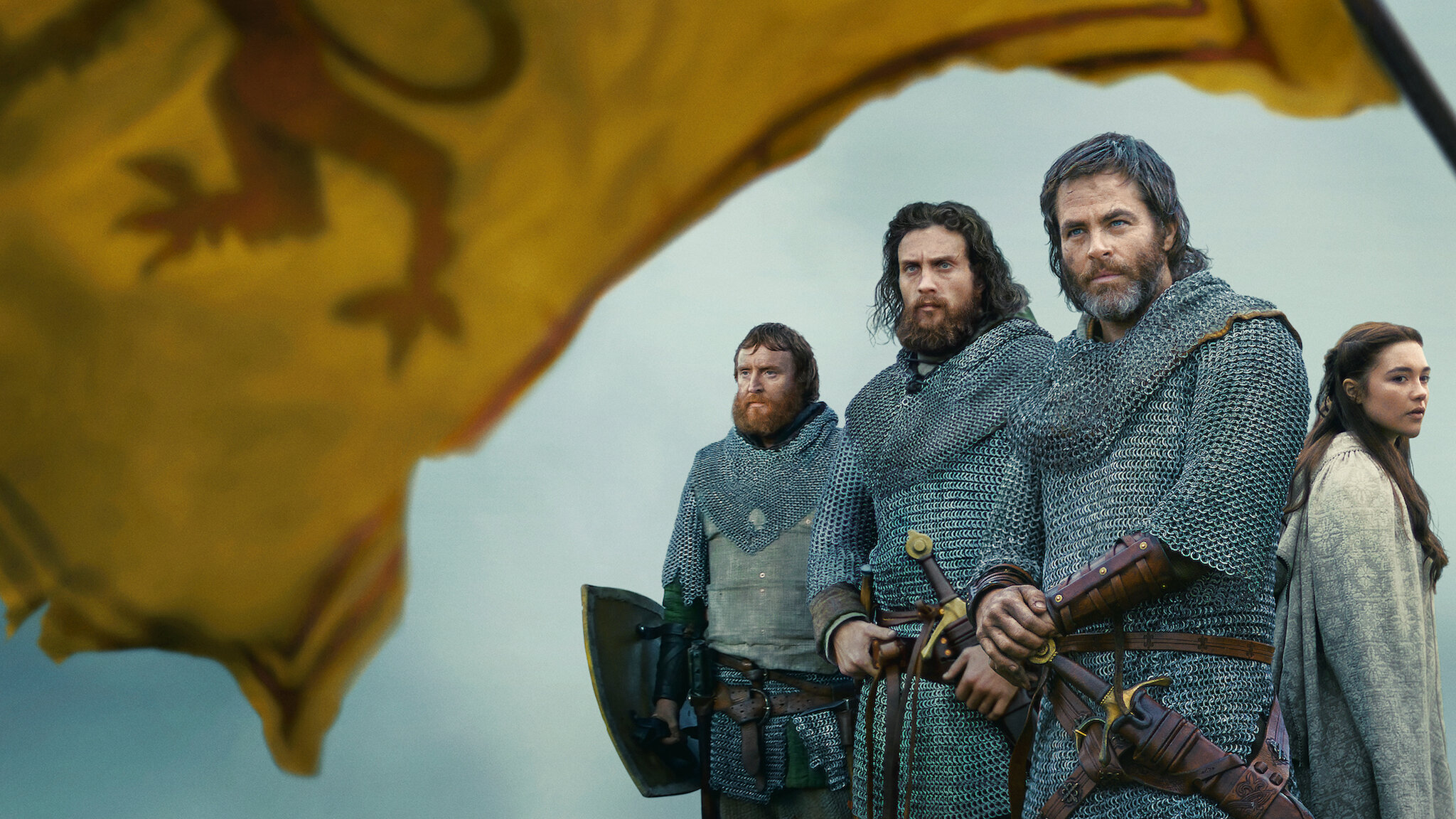
The film traces Bruce’s path from reluctant vassal to crowned king and follows the early years of his insurgency. Mackenzie is primarily concerned with situating his protagonist within the broader sweep of history, presenting a clear and accessible portrait of a figure whose deeds reshaped a nation. The result is a restrained, traditional historical drama, structured around a handful of key characters—Bruce’s wife Elizabeth de Burgh, James Douglas, and the English Prince of Wales among them. The narrative favors clarity over psychological excavation, ensuring viewers never lose track of the political stakes or allegiances.
The opening is genuinely gripping. The tense aftermath of war, visible in the grim faces of Scottish lords and the unspoken anticipation of what comes next, creates an atmosphere that crackles with potential. However, after this strong beginning, the tone gradually shifts. The film settles into a more conventional historical mode, foregrounding a somewhat formulaic romantic subplot between Robert and Elizabeth and embracing a more old-fashioned, heroic framing. The early tension gives way to lighter, occasionally humorous exchanges among the Scots, while English antagonists drift toward caricature.
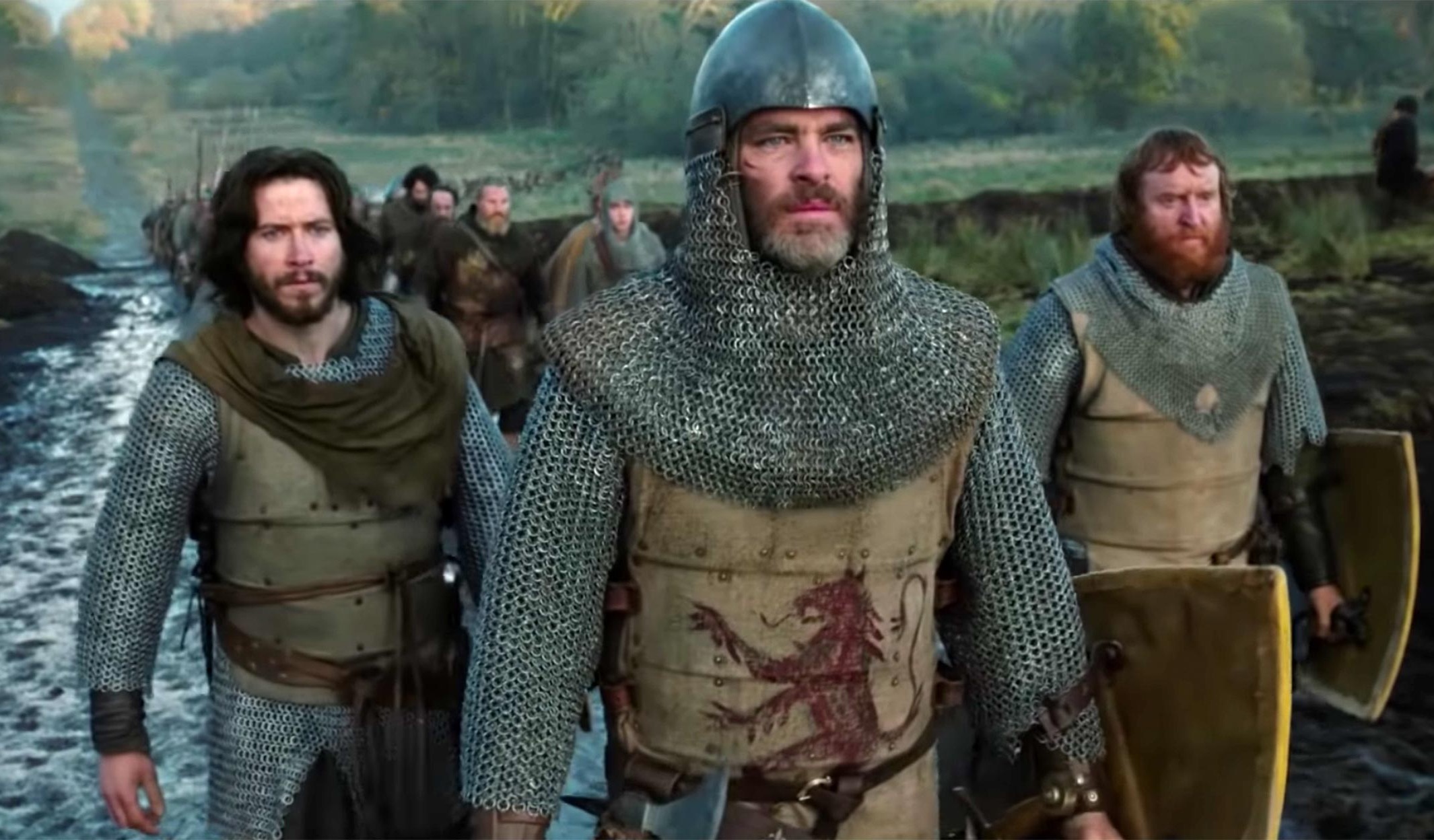
Despite this tonal recalibration, Mackenzie demonstrates solid craftsmanship. The storytelling may be classical—even textbook at times—but it remains coherent and engaging. Still, Outlaw King is uneven. Moments of excessive sentimentality and overt patriotism occasionally tip into cliché, and the moral dichotomy between Scots and English can feel overly simplistic. Robert himself is written with near-reverential admiration, bordering on saintliness, which limits the dramatic complexity available to the lead actor.
Chris Pine does what he can within those constraints, occasionally revealing flashes of inner conflict, but for much of the runtime he is confined by the monumentality of his character. Similarly, the exaggerated portrayal of the Prince of Wales restricts Billy Howle, while the underwritten role of Elizabeth offers limited scope for Florence Pugh to shine. More compelling are the supporting performances, particularly Aaron Taylor-Johnson as James Douglas and Stephen Dillane as Edward I, both of whom inject their characters with nuance and presence.
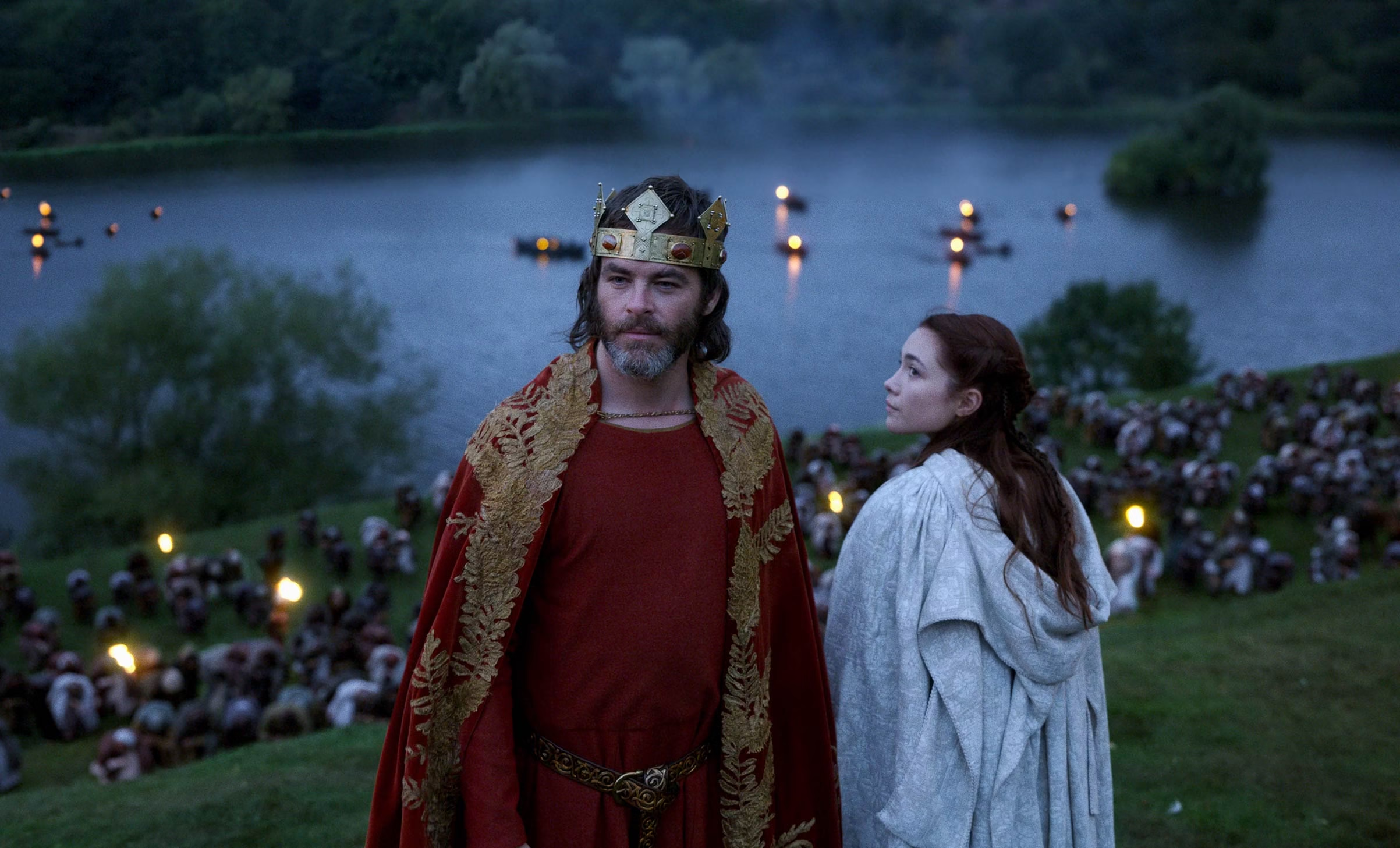
The film’s greatest strength lies in its production values. Despite a comparatively modest budget, the practical sets and tactile production design lend the medieval world a gritty authenticity. The battle scenes, though concise, are convincing and grounded, complementing a narrative more focused on strategy and consequence than spectacle. While these qualities do not fully mask the script’s conventional tendencies, they make the experience engaging enough to overlook its more heavy-handed flourishes.
With the benefit of hindsight, Outlaw King stands as a respectable, competently crafted historical drama—perhaps not as iconic as Braveheart, but a worthwhile companion piece that offers a more restrained, less mythologized look at Scotland’s struggle for sovereignty. It may simplify certain historical complexities, yet it succeeds in bringing a lesser-known chapter of British history to a broad audience without resorting to empty bombast.

