
Review
ALL WE IMAGINE AS LIGHT: Three Women in Mumbai
All We Imagine as Light is, above all, a testament to the director’s remarkable skill and cinematic intelligence. Kapadia crafts a stylish drama

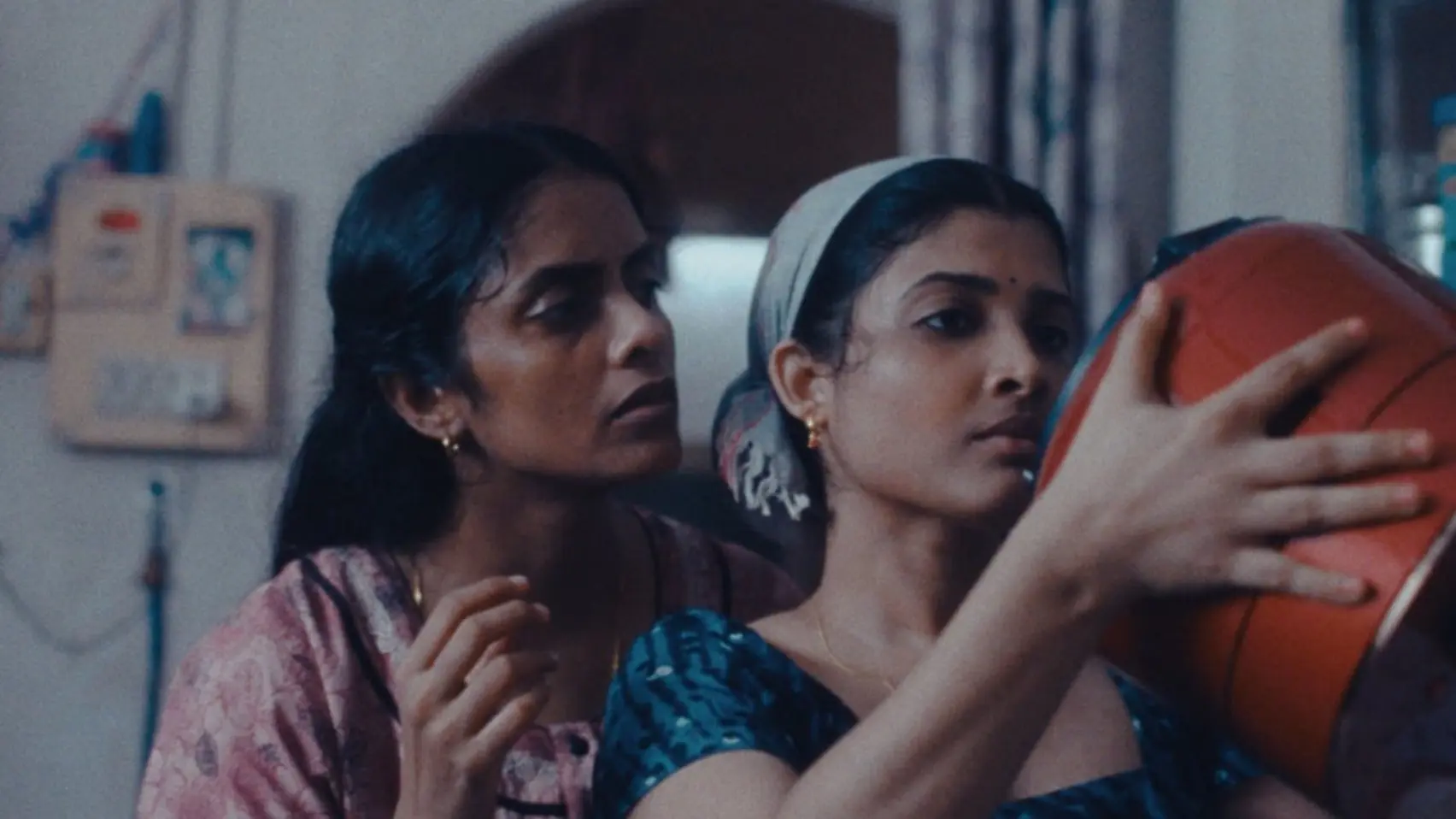
Indian cinema is most often associated with Bollywood, but the film culture of the subcontinent is not built solely on extravagant audiovisual spectacles. Alongside these productions are films where Bollywood-style dance numbers appear, at most, when female protagonists, caught in the heat of the moment, dance to a tune playing from a speaker. This second type of film is represented by All We Imagine as Light by Payal Kapadia, a director who seems to be gradually emerging as a leading figure in Indian arthouse cinema. The plot of All We Imagine as Light revolves around three women — Prabha, Anu, and Parvati.
They are united by their profession as nurses and by their shared workplace in the bustling city of Mumbai. What divides them are their ages and their personal relationships with men. Parvati is a widow facing eviction from the apartment she was allowed to live in through her late husband. Prabha is married, but her husband left long ago to work in Germany, and his image now barely lingers in her memory. Anu, meanwhile, is being pressured by her parents to marry, while secretly nurturing a forbidden romance with a Muslim man. These three storylines intertwine to form a distinctive vision of contemporary life in Mumbai — amid city lights, urban noise, and the pressure of a patriarchal social structure. 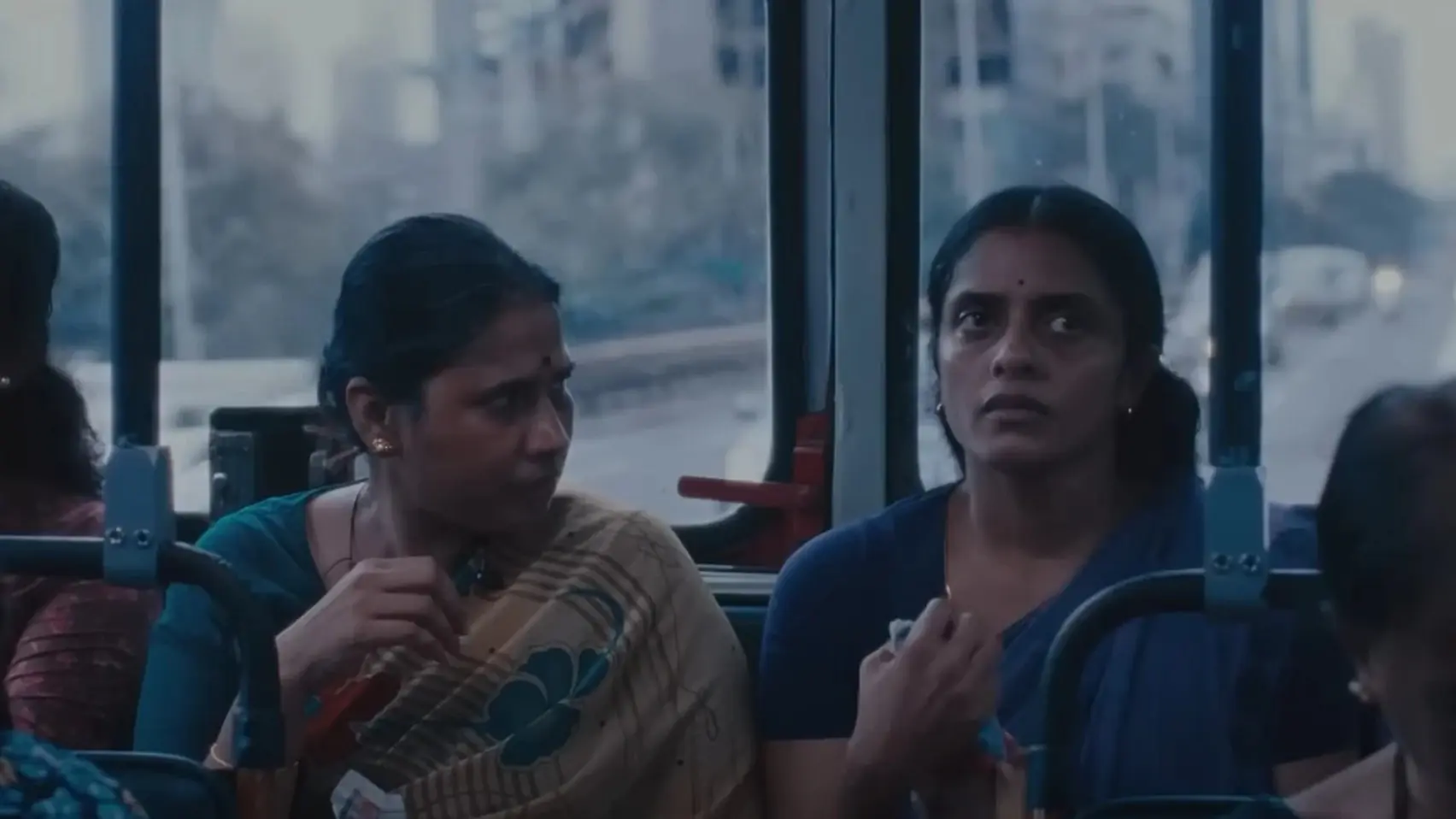 After her experimental, documentary-style A Night of Knowing Nothing, Kapadia now delivers a fully-fledged narrative feature, positioned within the rich tradition of Indian parallel cinema — artistic dramas standing in contrast to the flamboyance of Bollywood.
In All We Imagine as Light, the director weaves together all the classical elements of the New Wave tradition, exemplified by filmmakers such as Satyajit Ray or Ritwik Ghatak — a slow narrative pace, grounded and serious dilemmas, and an abundance of everyday details from which a portrait of modern India emerges. Kapadia also brings a strong visual flair and an impressionistic quality to the film, lending seemingly mundane scenes a dreamlike inspiration and emotional depth.
Altogether, this creates a film that could serve as a calling card for contemporary Indian arthouse cinema — something confirmed by its Grand Prix win at last year’s Cannes Film Festival. Kapadia manages to strike a balance between raw realism and the emotional weight of larger themes. All We Imagine as Light is, above all, about the experience of womanhood and alienation in today’s India.
Amid the fireworks of Hindu festivals, ever-present ethnic (religious and linguistic) tensions — even when temporarily unspoken — and the aggressive expansion of capitalism, the protagonists are not so much seeking inner peace as simply trying to find a way to live in a world filled with strain and hardship. Kapadia tells this story with tenderness, gradually shifting from a harsh social drama to a gentler narrative about contemporary sisterhood and the small emancipations of individual women. While the second half of the film remains stylistically consistent with the first, it introduces subtle shifts in tone, creating a more intimate atmosphere and offering conclusions that counter the early pessimism of the film’s opening sequences.
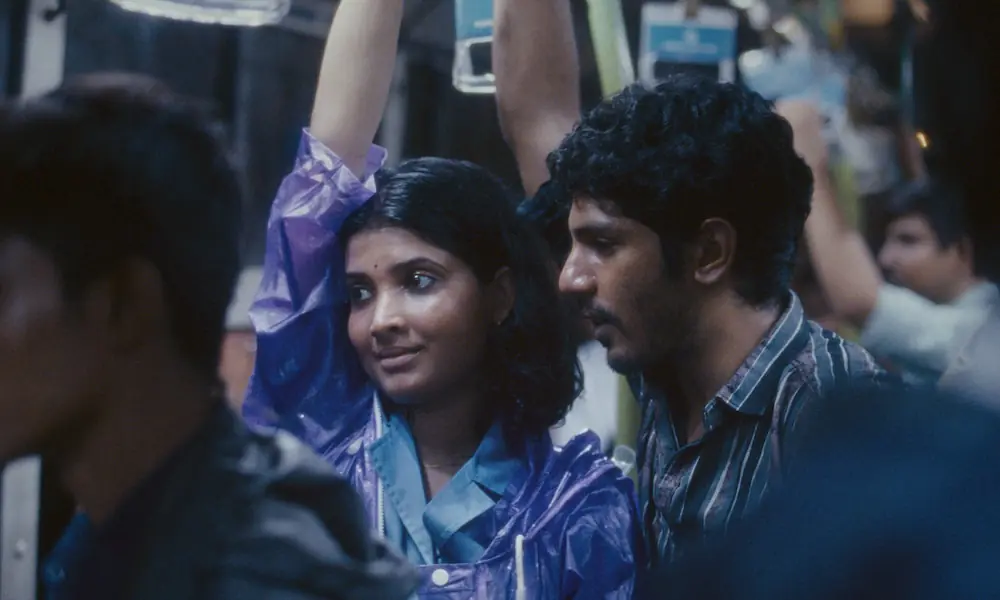 All We Imagine as Light is, above all, a testament to the director’s remarkable skill and cinematic intelligence. Kapadia crafts a stylish drama that tackles themes like feminism and social critique without the pretentious bluntness that sometimes mars similar projects. It’s not that she is exploring uncharted territory — rather, she draws something original from familiar elements, constructing a distinctive vision and voice that, despite clear inspirations, never feels derivative. On the contrary, her work seems to open new pathways for socially engaged cinema that has long operated in the shadow of Bollywood spectacle.


Looking back at DEAD SNOW: A Blizzard of Nazi Gore Fun

DEAD SUSHI: Exotic, Spicy, and Wildly Entertaining

Revisiting ALICE, SWEET ALICE: Dread and Religious Symbolism

PUPPET MASTER: LITTLEST REICH – Achtung! It’s Good!
