
Review
KING ARTHUR: LEGEND OF THE SWORD. Bold Guy Ritchie
King Arthur: Legend of the Sword is also a technical gem. Striking cinematography, inventive framing, and sharp editing create an original spectacle.


Guy Ritchie has always been a singular filmmaker. His style is unmistakable—few directors handle frenetic editing and rapid-fire dialogue with such confidence. The energy he generates is both unique and invigorating. Ritchie trusts his audience; he doesn’t treat viewers like idiots who need constant explanations and pauses to keep up. His stylistic flourishes create dynamism without descending into chaos, and humor that never feels forced. There’s none of that familiar blockbuster rhythm of “action, action, pause for joke, action, action.” Here, wit fuels the narrative, and the playful experimentation with form is far bolder than in good—but somewhat idealized—films like Guardians of the Galaxy.
I’ll admit that at first I wasn’t sure what to think about translating the legend of King Arthur into the cinematic language of the director of Snatch. Naturally, I assumed the Englishman would reshape it in his own style, but the trailers suggested nothing radically different from another grand fantasy spectacle. Even though the solemn prologue didn’t immediately dispel my doubts, I was still fully on board. The music hits hard from the opening seconds, magic turns men to ash, monstrous elephants level bridges, a king charges into battle in a suicidal assault—this is how you stage spectacle. My enthusiasm dipped slightly when a carefully constructed rescue sequence involving young Arthur was abruptly cut short, but it soon became clear there was a deliberate narrative reason tied to the gradual unveiling of the hero’s repressed memories.
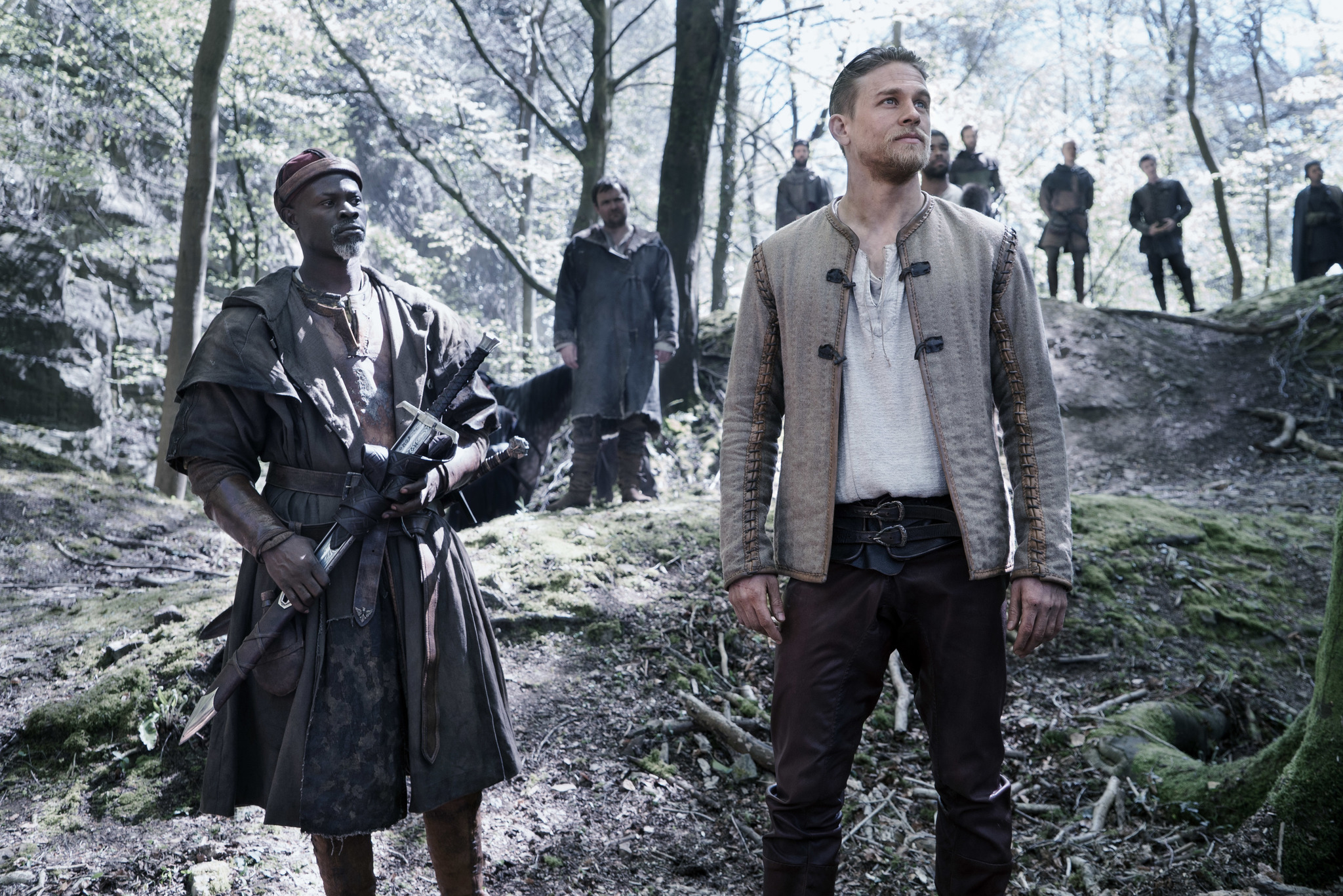
With that awareness, the risky choice becomes even more admirable. The obligatory “young Arthur” montage is Ritchie in his purest form: frantic editing, superb synchronization of image and music, omnipresent humor and swagger. It’s far more engaging than similarly familiar coming-of-age arcs in Wonder Woman. That’s Ritchie’s strength—despite telling a story everyone knows (from the original legend to countless hero’s journey retellings, with Star Wars at the forefront), he makes it feel fresh. Critics accused him of straying from the source material and pushing the pace too aggressively—but what exactly did they expect from the man behind Snatch?
I also disagree with claims that the film feels chaotic. While it might have benefited from a slightly longer runtime, it never gives the impression of cramming three movies into one, as was the case with Suicide Squad or Batman v Superman: Dawn of Justice. The story could have lingered in certain moments, but it maintains coherence, steady momentum, and a clear objective: overthrow the corrupted king and reclaim the throne.
A standout performance comes from Jude Law as the malevolent ruler. He strikes a perfect balance between gravitas and sly exaggeration—larger than life, yet never ridiculous. As for the protagonist, Charlie Hunnam reportedly fought hard for the role, and it shows. After the weary detachment of Johnny Depp in Pirates of the Caribbean: Dead Men Tell No Tales, it’s refreshing to see an actor brimming with enthusiasm rather than simply collecting a paycheck. Hunnam’s Arthur is a convincing rogue—clever, charismatic, and with clear leadership potential. He works equally well in moments of humor, emotional turmoil, and high-octane action.
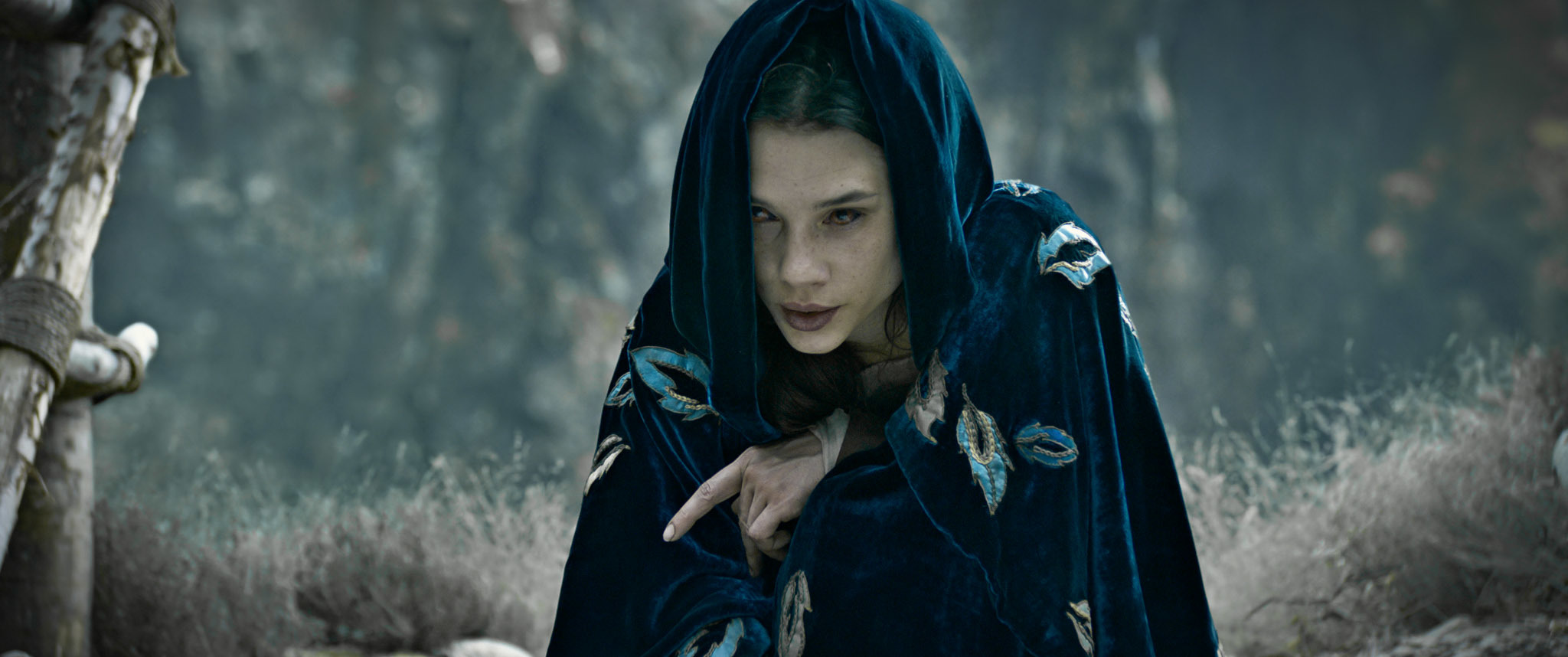
There’s also pleasing chemistry between him and the Mage, played by Àstrid Bergès-Frisbey (previously seen in Pirates of the Caribbean: On Stranger Tides). She brings a calm intensity to the role, and thankfully their relationship avoids overly familiar romantic clichés. The supporting cast—including two actors recognizable from Game of Thrones—keeps pace, with Djimon Hounsou particularly notable, reminding viewers of the commanding presence he displayed in Blood Diamond.
The ensemble sparks with energy. Though there are arguably too many characters to fully develop each one, they remain likable and easy to root for as a group. Watching them in action is pure entertainment.
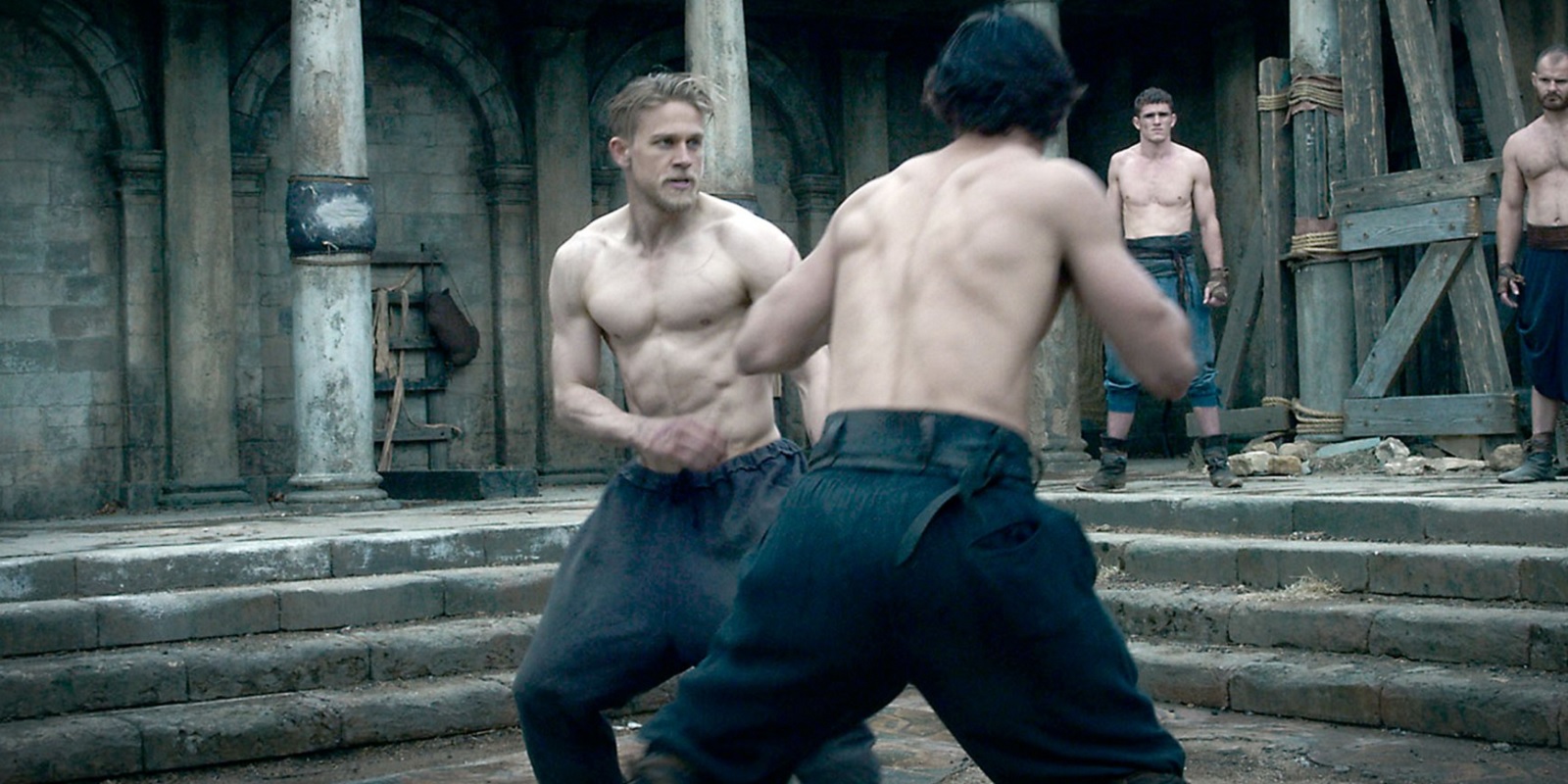
King Arthur: Legend of the Sword is also a technical gem. Striking cinematography, inventive framing, and sharp editing create an original spectacle. The fight scenes are dynamic without overindulging in slow motion (except when justified by magic), unlike Wonder Woman. The PG-13 bloodlessness is occasionally noticeable but doesn’t undermine the realism of combat. The final Excalibur sequences, heavy with CGI, flirt with the aesthetic of video game cutscenes, yet remain visually engaging and consistent with the film’s tone.
The soundtrack deserves special mention. It strikes a perfect balance between traditional English folk motifs and aggressive contemporary sounds, enriched with powerful vocals. I can’t remember the last time I was so captivated by a film score, particularly in extended montage sequences—Arthur’s journey through the Dark Lands is mesmerizing, and I found myself wishing it lasted longer. That, in fact, is my main complaint: the film feels slightly too short.
Some characters and situations deserved deeper exploration, and an extra 15–20 minutes might have elevated it further. Thankfully, this isn’t another Warcraft—a movie that felt awkwardly truncated. King Arthur is far more cohesive, visually and sonically impressive despite minor CGI hiccups. More important than sheer spectacle, however, is its wild energy and fearless play with form and content. That vitality is what makes me want to revisit it in theaters. Ritchie’s Arthur ignited more excitement in me than many of that year’s blockbusters—and no harsh 28% score on Rotten Tomatoes could change that.

