
Horror Movies
Revisiting HALLOWEEN (2018): Pure Unrestrained Entertainment
Watching Halloween AD 2018 is like listening to a well-remastered favorite album — we know practically every note, but we still enjoy it like children.

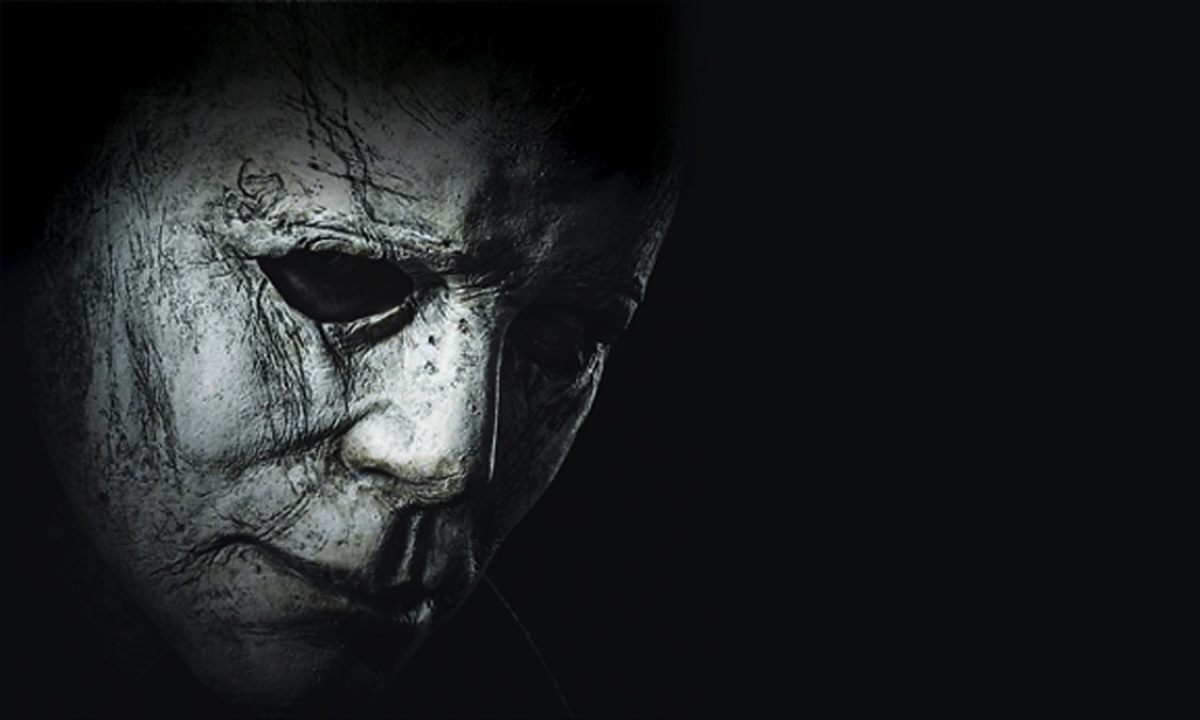
Halloween is one of the greatest classics in the history of cinema, at least when it comes to horror. Regardless of what has happened with the series over the years, the return of this title to the screens, endorsed by part of the original crew, must evoke excitement. Although the exact repetition of the title – without a number, a subtitle, a graphic gimmick or anything of that sort – might suggest something else, the Halloween is not a remake, but a direct sequel to John Carpenter’s legendary film.
I emphasize direct, because, interestingly, film omits the continuations created between 1981 and 2009 (including the one written with Carpenter’s own involvement). Directed by David Gordon Green, Halloween is therefore a specific blend of a refresh of the classic celebrating its fortieth birthday and a continuation of the story of Michael Myers and Laurie Strode. Actually, setting aside my opinion on creating convoluted networks of sequels, remakes, and reboots, all this confusion in the continuity of the narrative and the naming of the series caused by the return of Halloween can make one’s head spin.
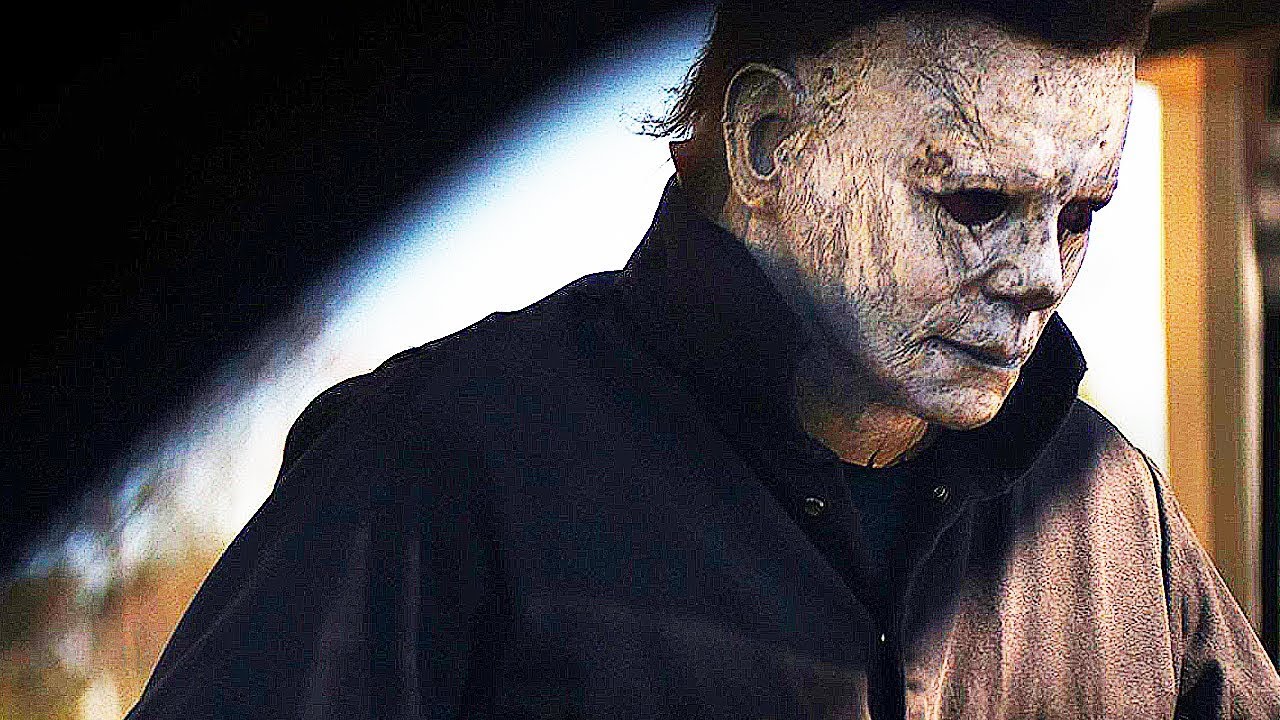
Therefore, in the spirit suggested by the creators, I decided to give Green a clean slate, at least as much as it is possible in the case of a continuation of a film of such caliber as Halloween.
The action of the new Halloween takes place exactly four decades after the events of Halloween night in 1978. We accompany a pair of journalists who want to create a radio piece about Michael Myers, who remains in a psychiatric facility. At the outset, we learn the current status of the characters: Myers has not uttered a single word for forty years and remains a mystery to psychiatrists, while Laurie lives in isolation, in conflict with her family due to neurosis and the obsession with the killer’s return, caused by traumatic experiences from years past.

The investigation of the ambitious pair of journalists does not bring spectacular results, yet with the approaching day of October 31 the turning point inevitably draws near for anyone interested in the case of the famous masked murderer, who will soon append new chapters to his medical record.
From the very beginning, Green defines the rules of the cinematic game – he is not interested in drawing psychological depth from the characters, nor in reinterpreting the classic story, clearly distancing himself from attempts at vivisection of the mind of a serial killer. In an ironic way, the screenwriters also dismiss the threads introduced by previous continuations that expanded the psychological dimension of the characters of Myers and Strode, above all the plot twist from Halloween II (1981).
Green’s Halloween is a classily executed tribute to Carpenter’s film, evoking its spirit and already classic motifs, with the participation of Nick Castle and Jamie Lee Curtis reprising their roles.
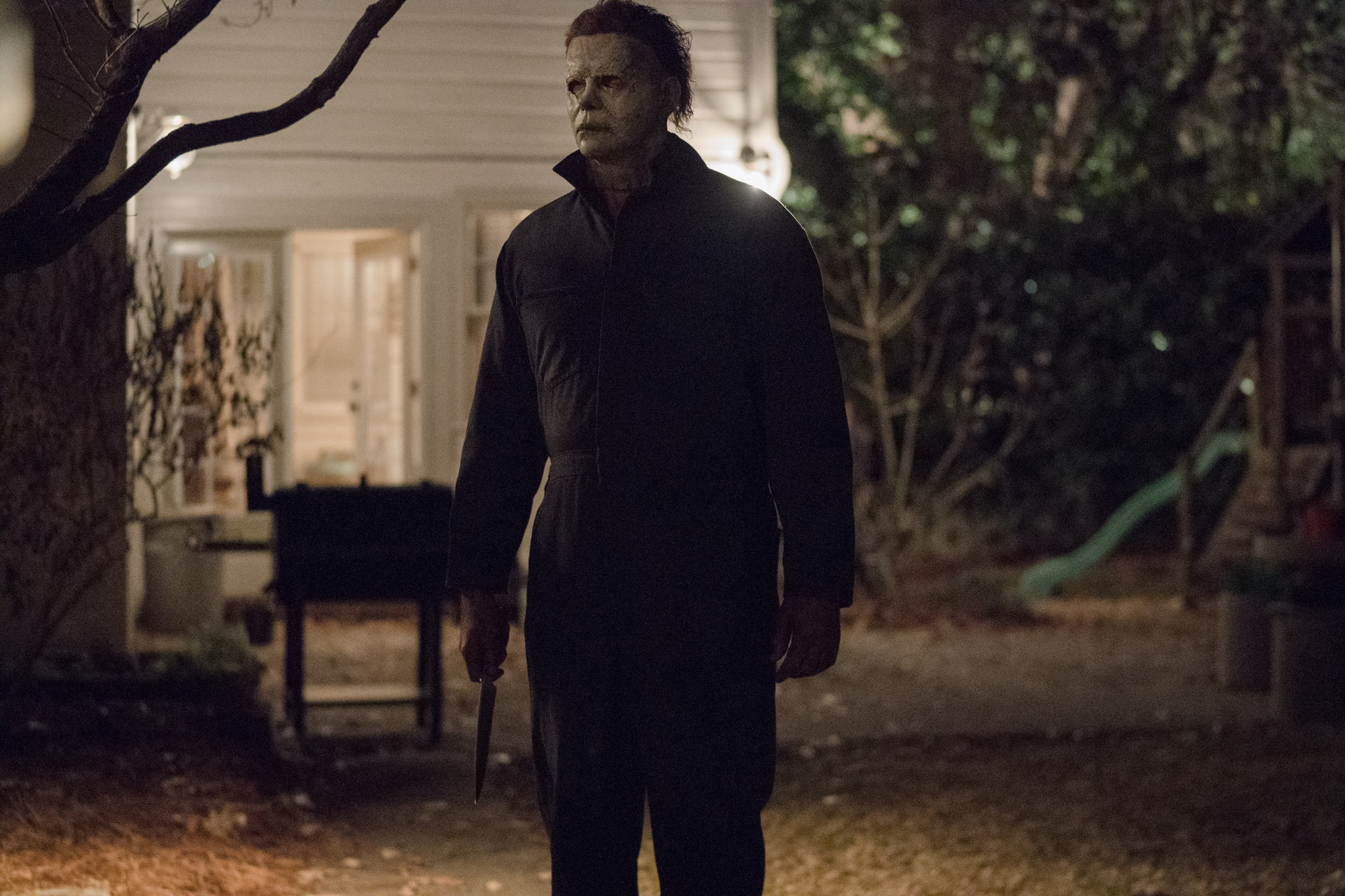
However, this is not a film shot from its knees; rather, one feels the authentic love of the creators for the original and the entire slasher genre. Green approaches the iconography of Halloween with great respect, but also with distance. Thanks to this, when he fetishizes the iconic props – the mask and the knife – or quotes memorable scenes (not only from Halloween, but also from other classics of the genre), he does not do so in an epigonic or pretentious way.
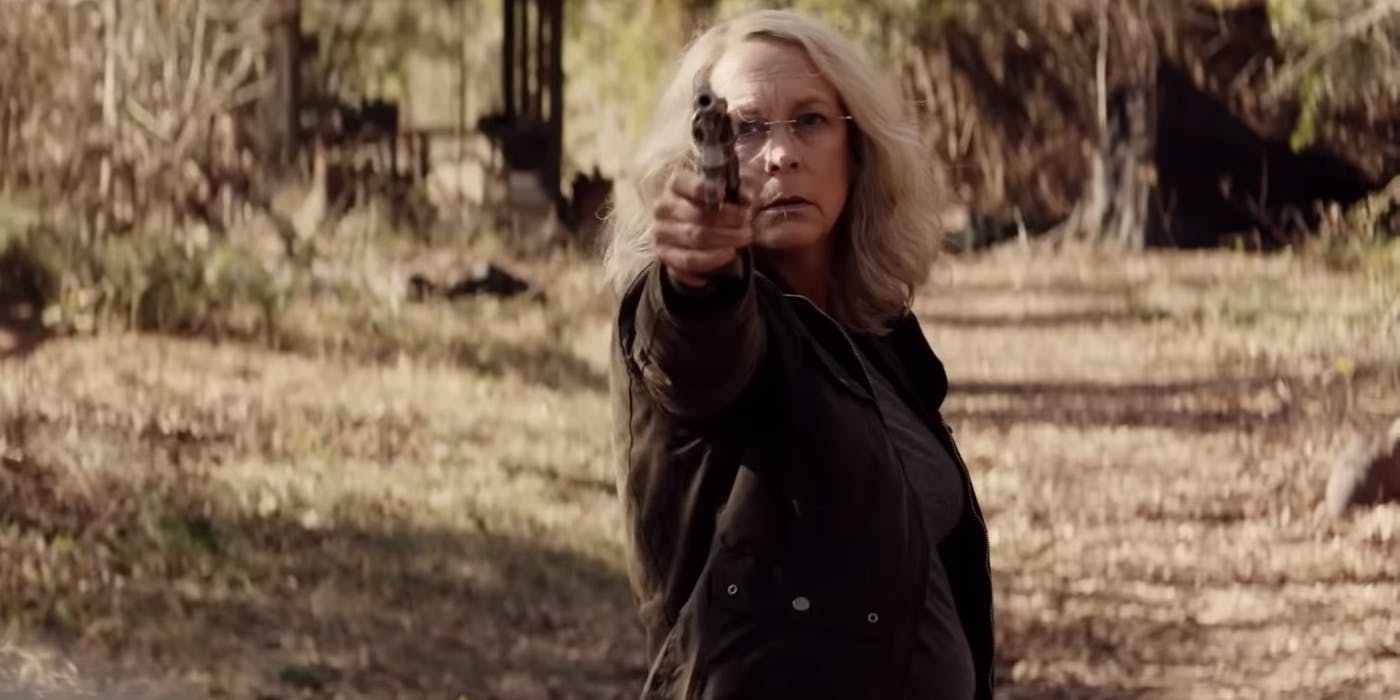
Halloween does not add new contexts or meanings to the story of Myers, but rather eagerly draws on the motives present in the original: sexual frustration, relentless faceless evil, and terror attacking idyllic suburbs. Once again, we do not see the executioner’s face clearly, once again he appears impossible to kill, and once again he attacks unexpectedly to the accompaniment of music that heightens the effect. The only, yet crucial, change in relation to the configuration of the prototype is the character of Laurie, once a hunted teenager, now a stern tough woman à la Sarah Connor from Terminator II.
The inevitable confrontation of Laurie and Michael, toward which the entire film essentially leads, is an absolutely phenomenal duel, in which the evenly matched opponents, who have awaited this moment for years, together create an electrifying theater of action and horror.
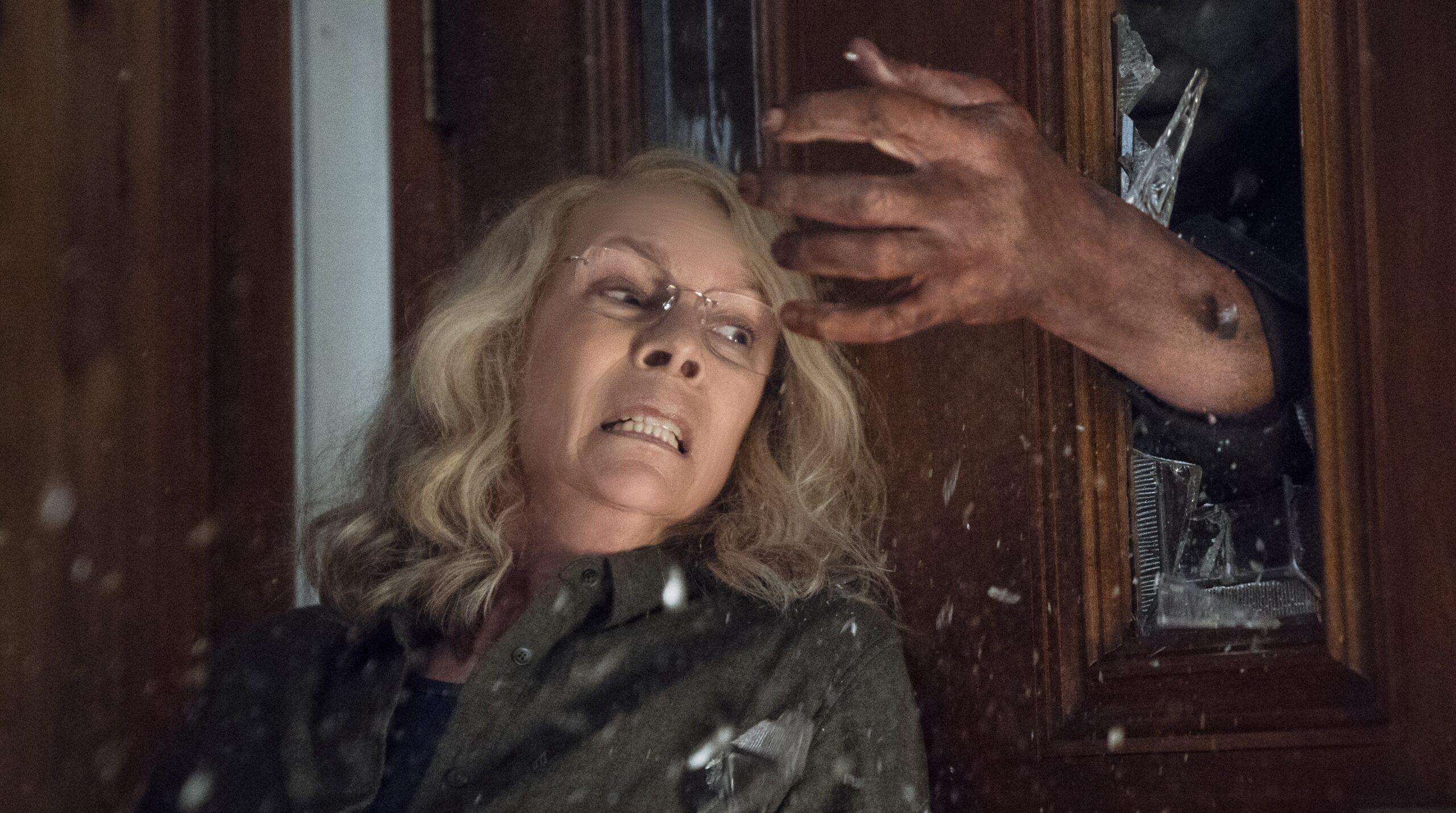
The finale of Halloween is a bloody blend of creative quotations, borrowings and narrative inversions, paying tribute to the best traditions of horror. Forgetting for a moment about the nine installments of the franchise produced in the meantime, one could say: it was worth waiting forty years for the rematch of Laurie Strode and Michael Myers.
To those who would like to raise the spoiler alarm after the above paragraphs, I remind – Halloween is a pure, textbook slasher, executed in the spirit of the most canonical motifs and structures of the genre. It is not about the development of action or following the plot – does knowing the ending of the original film deprive us of the pleasure of repeated viewings?

Watching Halloween is like purchasing and listening to a well-remastered favorite album – we know practically every note, but we still enjoy it like children. The bloody carnage to which David Gordon Green invites us with the blessing of John Carpenter (serving as executive producer and co-author of the music) is pure and unrestrained cinematic entertainment of the highest order.
In the era of (incidentally interesting) post-horrors and various kinds of formal experiments, Halloween is a refreshing and pleasant breath of the classic approach to horror cinema. Malcontents will say that the film offers nothing beyond a lightly facelifted and modernized reminder of motifs known almost by heart. In that case, one can say: well, and what of it?

Halloween is an example of how to return with class to cinematic sanctities and give the audience joy, without treating them like wallets walking on two legs.

