
Review
THE CRUEL WAY. Limits of Endurance [REVIEW]
The Cruel Way contains moving moments of solidarity and genuine admiration for humanity’s ability to transcend its own limits.

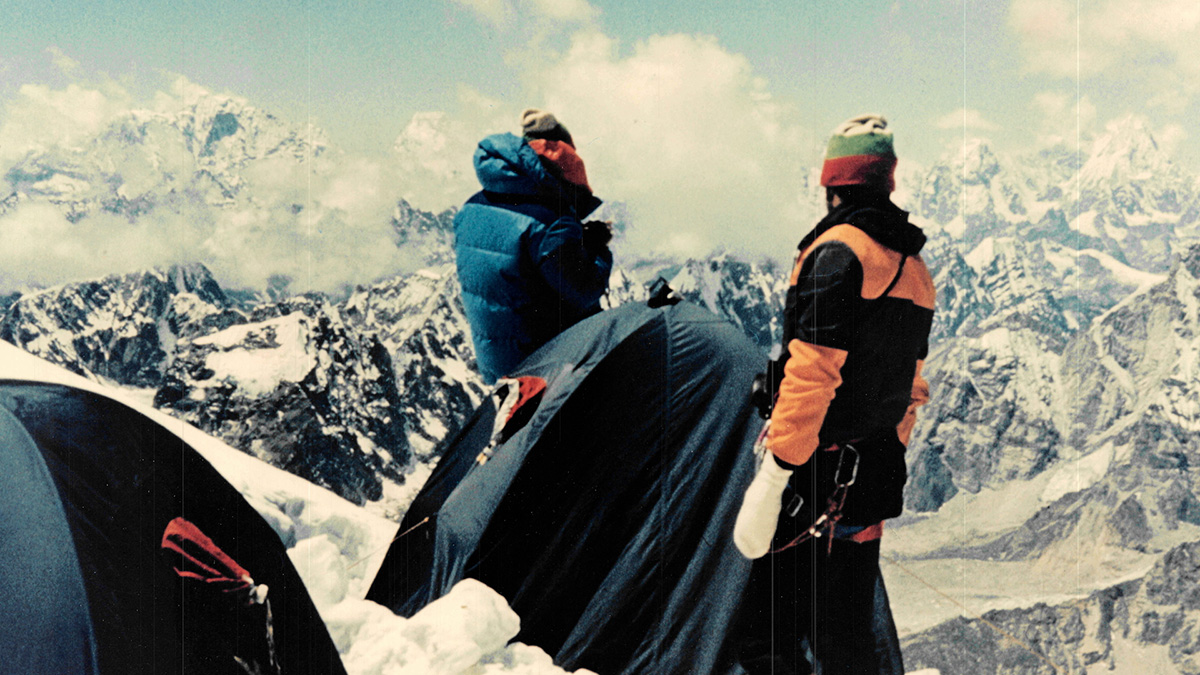
“Because it’s there!”—that was reportedly George Mallory’s answer when asked why he intended to climb Mount Everest. I realize that opening a review of a film about conquering Everest with the most overused quote in the history of mountaineering is a dreadful truism—yet it’s hard to deny that Mallory’s words still aptly capture the essence of the sport. What motivates successive daredevils to tackle eight-thousanders despite the risk of death: a desire to push boundaries, a suicidal drive, simple hubris? Dejan Bararev, the director of the documentary The Cruel Way, which tells the story of the Bulgarian Everest expedition of 1984, does not attempt to give a definitive answer. Instead, he shows how the conflicting motivations of high-altitude expeditions can create a truly lethal atmosphere.
One of the expedition members, Kiril Doskov, draws attention in the film to another intriguing aspect of high-mountain climbing: national successes in alpinism have always coincided with periods of political and social turmoil. This thread does not appear in The Cruel Way by accident—the 1984 expedition took place on the 40th anniversary of the communist coup that led to the establishment of the People’s Republic of Bulgaria. The climbers’ historic achievement—conquering Everest’s West Ridge (the titular “cruel way”)—was the perfect birthday present for the authorities, and the participants were rewarded with the Order of Heroes of the People’s Republic of Bulgaria.
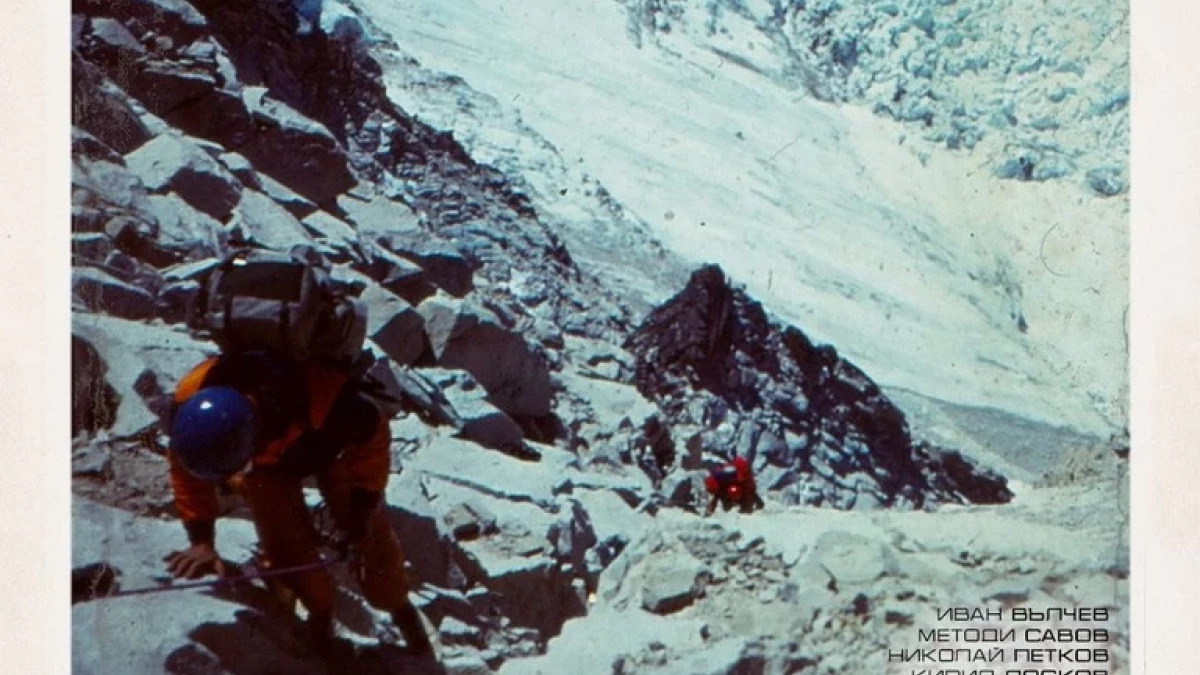
All the more interesting, then, that politics is pushed to the margins of the narrative in The Cruel Way. Bararev does not try to fit his protagonists into a preconceived storyline—he simply seats the expedition members in front of the camera and lets them speak, illustrating their accounts with unearthed archival materials and previously unpublished recordings of conversations held during the expedition.
This strategy may not place the director among the masters of documentary filmmaking, but it suffices to tell an engaging story—especially since the testimonies of successive participants and the accompanying archival footage build a decidedly ambiguous picture of alpinism. Of course, The Cruel Way contains moving moments of solidarity and genuine admiration for humanity’s ability to transcend its own limits. This ethos, however, contrasts with the (rather egocentric) attitude of one of the expedition’s leaders, Christo Prodanov, whose daring solo ascent to the summit without supplemental oxygen cost him his life.
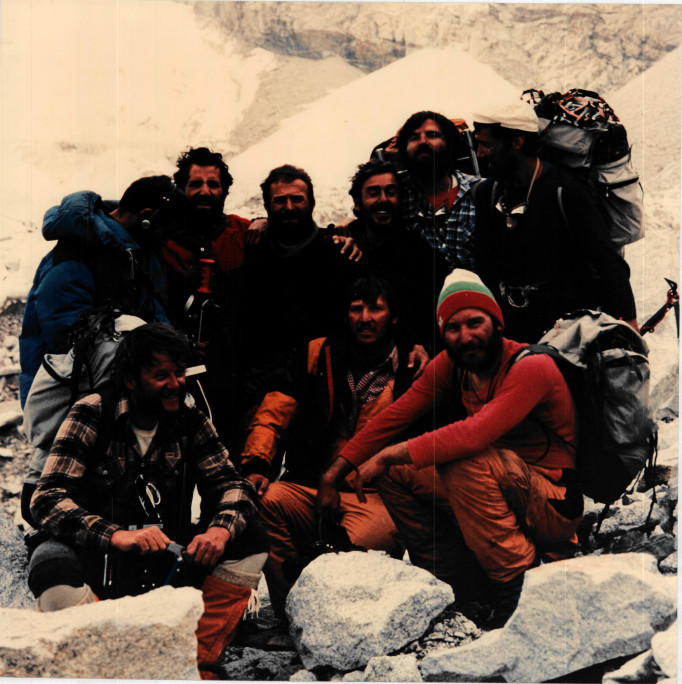
Although Bararev offers no explicit authorial commentary, The Cruel Way is easy to read as a story about the superiority of collective effort over an individualistic pursuit of glory. What lingers most are the collective struggles against the mountain undertaken by the expedition members after Prodanov’s death, and the solidarity they show toward their remaining companions. To the director’s credit, however, he does not turn Prodanov into the villain of the piece—he presents both his destructive, extreme individualism and a determination that still commands a measure of admiration.
As mentioned, Bararev does not particularly strive for formal innovation in The Cruel Way—the tone is set by the director’s successive interlocutors, and the story of the 1984 expedition is clearly divided into chapters (though the Latin aphorisms summarizing each segment sometimes feel like overkill). Above all, the film conveys admiration for the expedition’s participants, whose story is worth recalling regardless of one’s stance on alpinism itself. Watching The Cruel Way is unlikely to change anyone’s mind—advocates of pushing one’s “limits of endurance” (to quote another classic of “mountain” cinema) will continue to invoke Mallory, while opponents will keep reminding us of his death on Everest.

