
Review
PROMISING YOUNG WOMAN. Drama About the Oppressed


In one of the early scenes of Promising Young Woman, the camera frames Cassandra in such a way that the café logo behind her head resembles a glowing halo. The association with a fallen angel of vengeance feels entirely justified—although, sadly, her origin story has nothing to do with divine intervention. This avenger was created by the social system itself, or more precisely, by the tacit permission for behaviors that ultimately led to tragedy. It is because of that tragedy that Cassandra has been carrying out her meticulously planned crusade for years, night after night slipping into the role of a barely conscious party girl to punish men who attempt to exploit her apparent vulnerability.
This is what her life looks like after dark. By day, Cassie (Carey Mulligan) works at a small coffee shop and lives with parents clearly worried about her mental state. She dropped out of medical school, seems to have no hobbies or passions, her only friend also happens to be her boss (Laverne Cox), and when an old college acquaintance (Bo Burnham) asks her out for coffee, her first instinct is to shut him down without mercy. She devotes herself entirely to her nocturnal mission, marking off another tally in her increasingly crowded notebook after each successful encounter. Cassie herself is a victim of the system—and a direct reflection of the broader #MeToo movement.
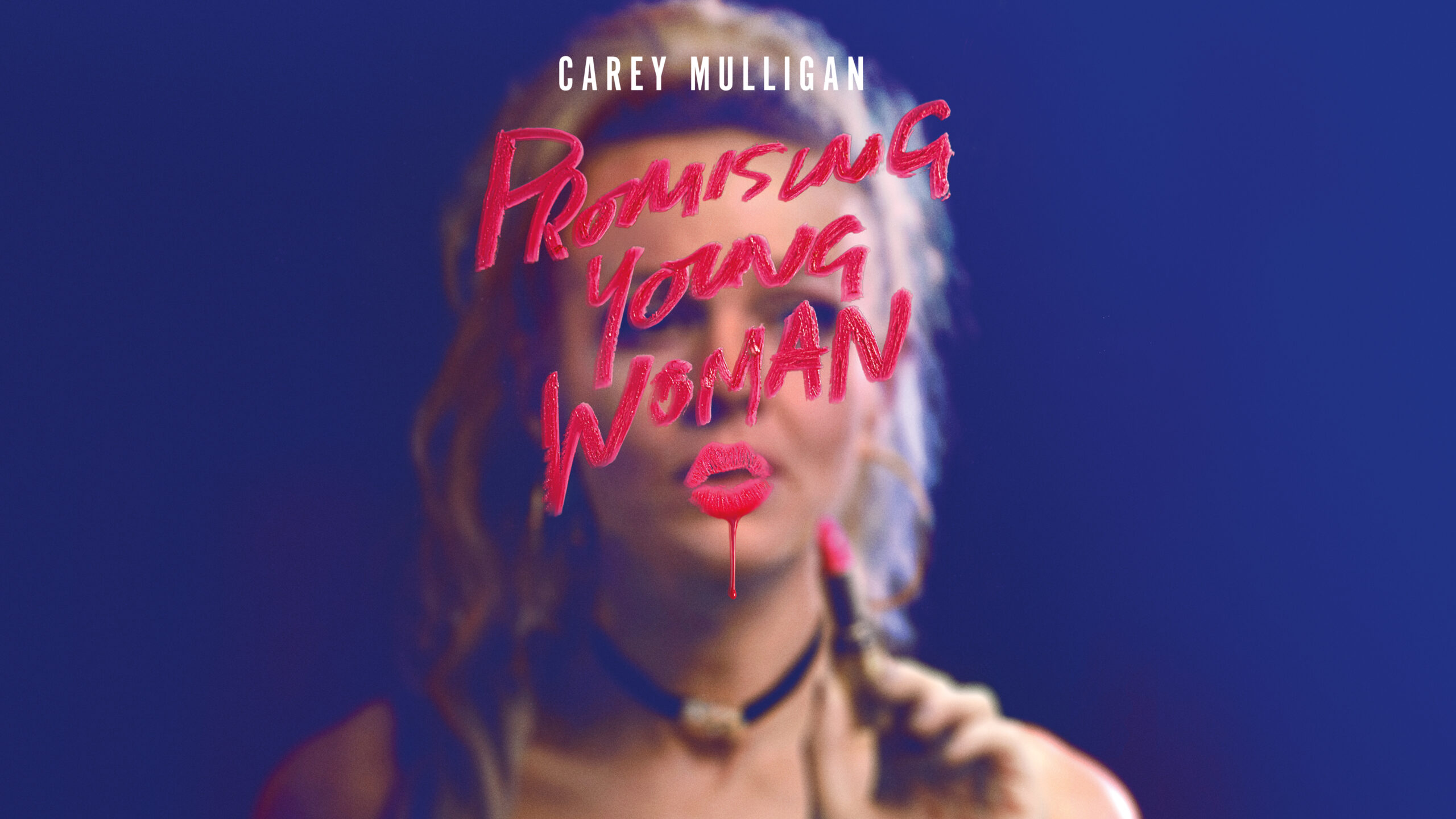
While thematically adjacent films like The Assistant can be read as expressions of helplessness in the face of powerful abusers, Promising Young Woman emerges as something closer to a message of hope. Proof that confronting perpetrators is possible—even if victory comes at a devastating cost.
Cinema history has already given us one iconic female avenger in Beatrix Kiddo from Kill Bill, but Cassandra Thomas differs from her in fundamental ways. Anyone expecting blood-soaked set pieces will be disappointed—this is not that kind of film. Director Emerald Fennell avoids slasher conventions altogether, never explicitly showing what happens to Cassandra’s most aggressive targets, instead hinting at outcomes through visual cues, such as the different-colored marks in her notebook.

A conversation with one of the indirect contributors to the original tragedy further suggests that Cassandra is not driven by blind cruelty. She does not mete out identical punishment regardless of guilt, and when faced with genuine remorse, she is capable of forgiveness. Seen this way, she is less an avatar of revenge and more a self-appointed agent of social justice, operating according to her own moral code, always in service of a larger cause.
The absence of graphic violence does not mean the film shies away from genre elements. Each encounter with a sexual predator is constructed like a classic thriller sequence, carefully escalating tension toward an often surprising climax. Crucially, no two scenes resolve in the same way, preventing the film from slipping into repetition. Although Fennell clearly draws on the rape and revenge tradition, she shows no interest in exploiting the trope. The humor highlighted in the marketing carries an unmistakably bitter edge—made all the sharper by its contrast with the film’s relentlessly pastel costumes and candy-colored environments.
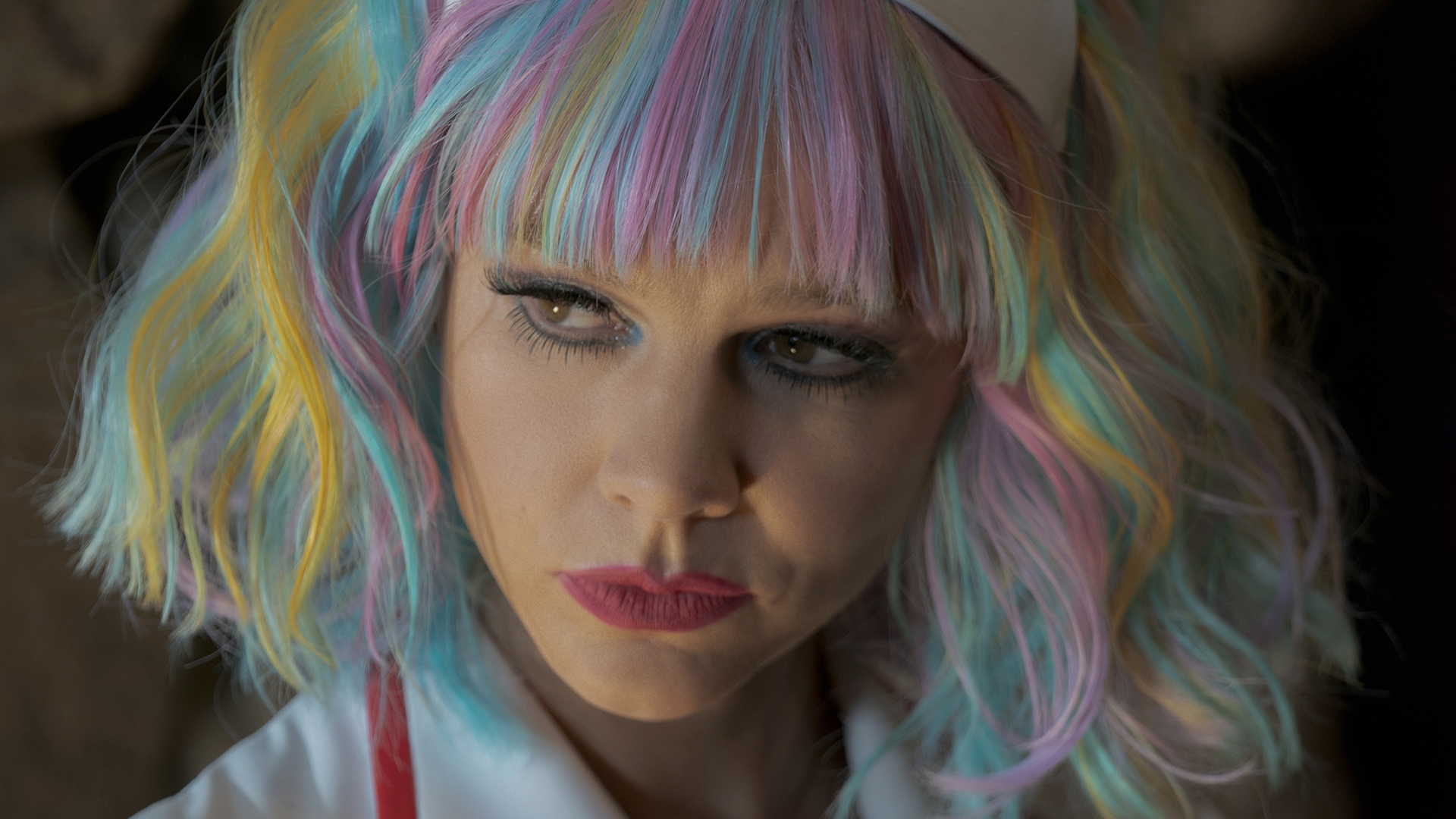
Cassandra frequently resorts to irony, but her remarks rarely invite laughter. Sarcasm functions as a defense mechanism, and as the story unfolds, we watch her steadily withdraw from friends and family, instinctively pushing away any chance at a lasting emotional connection. Carey Mulligan captures this inner fracture with remarkable precision, often erasing smug smiles from her opponents’ faces with a single, unflinching stare.
Emerald Fennell’s achievement is equally impressive. In her feature-length debut, she blends multiple genres with confidence, never tipping into exhausting postmodern self-indulgence. This is a serious film—one that meaningfully contributes to conversations about sexual abuse—yet it remains accessible enough to resonate with a broad audience. Some images linger long after the credits roll, particularly the unforgettable moment of Cassie, dressed as a nurse, walking through the forest to a violin cover of Britney Spears’ “Toxic.”

It’s also worth noting that the film’s structure is far less straightforward than it initially appears. The path to the finale is circuitous, occasionally frustrating—but ultimately deeply rewarding. As the saying goes, revenge is best served cold.
Although Promising Young Woman can be labeled a thriller, a rape and revenge story, or even a crime film, at its core it is a drama. A drama about the oppressed—those who, when confronted with injustice, are denied understanding. Those who, when they try to fight for their rights, are met with indifference, hostility, mockery, and contempt—not only from men, but from women as well. This film is dedicated to them, delivering punishment to comfortable oppressors in a sharp, intelligent, sweet-and-bitter style. One can only hope that, in our own reality, justice will eventually catch up as well.

