
Horror Movies
SATAN’S SLAVES: Chilling Indonesian Scarefest

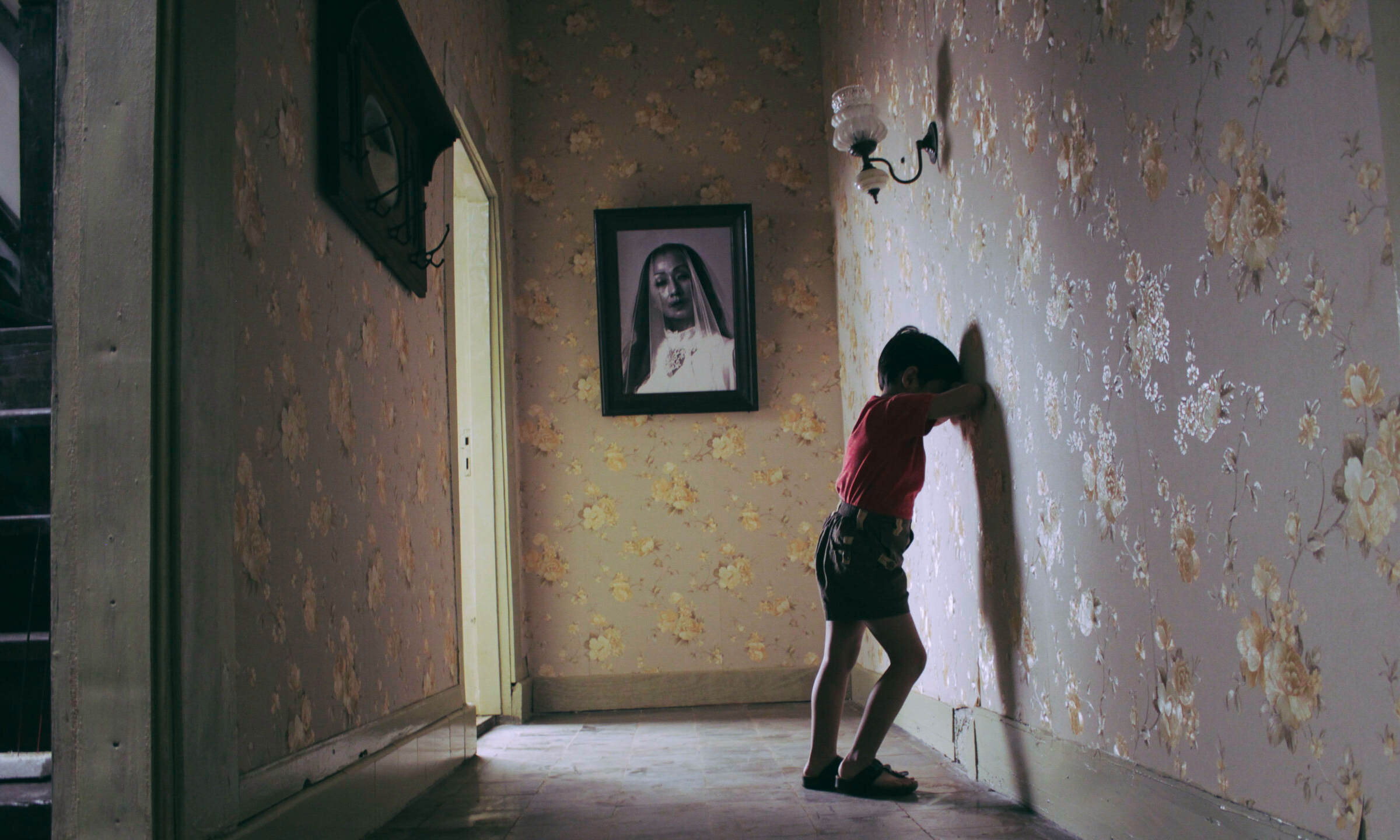
Satan’s Slaves – the title of Joko Anwar’s film may seem misleading and suggest a completely different kind of horror than in reality. It is neither a film for fans of the satanic genre, nor are the titular servants the focus here. The Indonesian horror, a major hit in local cinemas, tells the story of a house haunting, in a truly devilish way explaining how it happened, only to draw most of its inspiration in the finale from Night of the Living Dead. This mixture may seem surprising, but I assure you, the whole thing is delicious.
The action of the film takes place in 1981, in a small house next to the local cemetery. A family of several people lives with their grandmother after all the money was spent on treating the mother, formerly a well-known singer, now a sick woman who barely leaves her bed, and communicates with the rest of her family using a small bell (which, moreover, very quickly turns into a prop foreshadowing the worst).
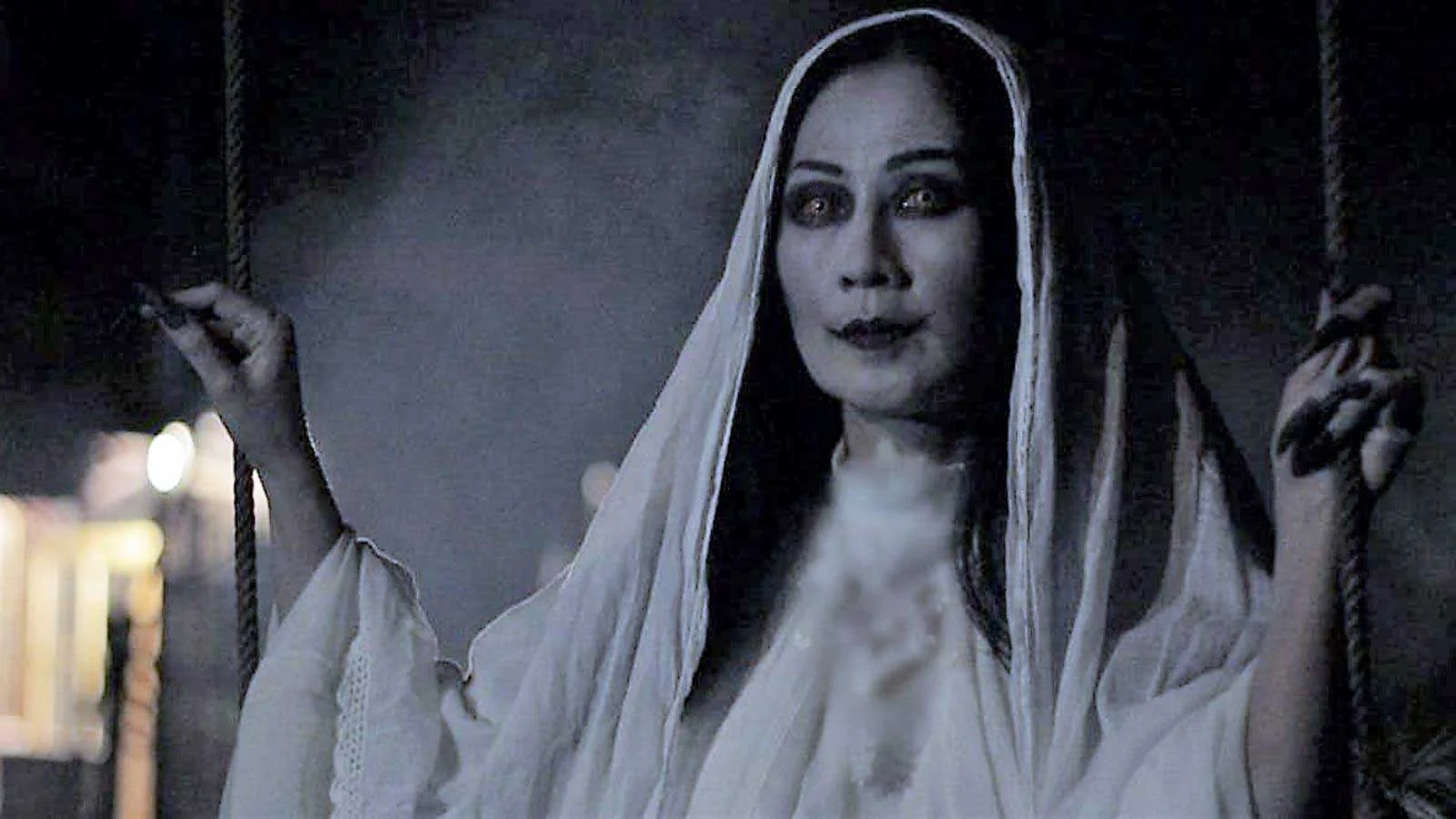
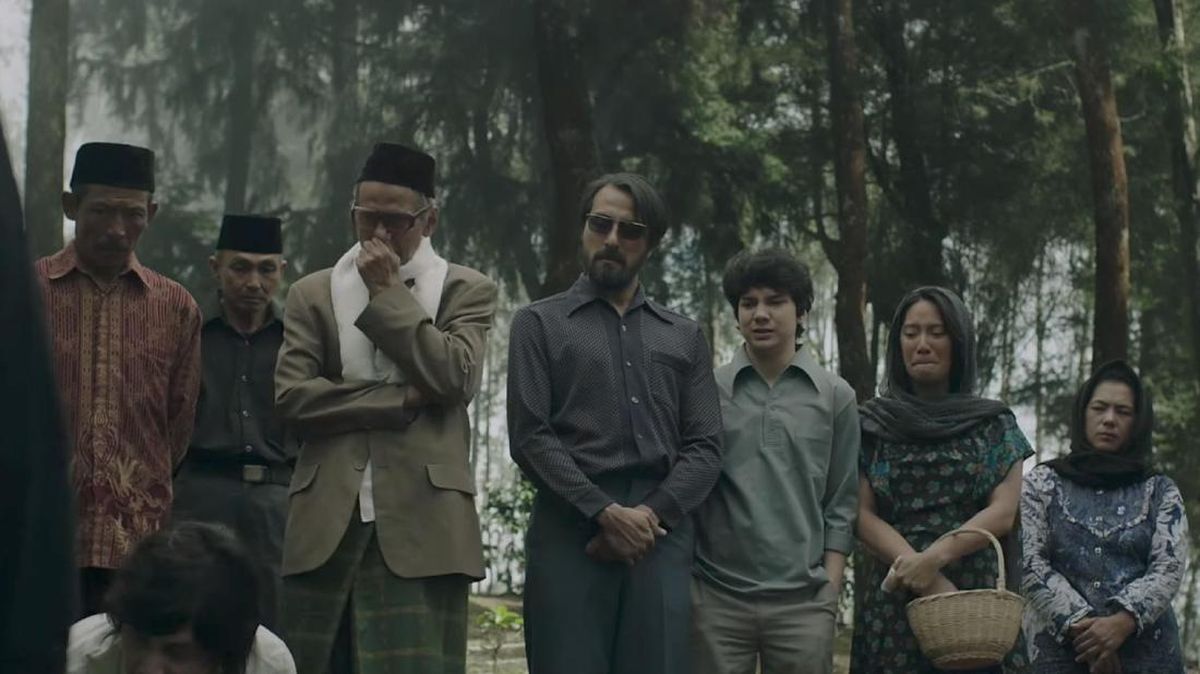
However, the mother dies, and shortly after her funeral the father leaves the house, forced to look for a new job, leaving the eldest daughter and her three younger brothers under the care of their grandmother. Soon, a ghost resembling the deceased begins to haunt the family.
There is a lot to like in Satan’s Slaves, starting with giving the film a somewhat old-fashioned and intimate character, both by situating the action almost entirely in one place, a poor house on the outskirts of a larger city, and by going back in time almost forty years, far from not only modern technology but practically any. The most modern inventions in the protagonists’ house are a radio and an adapter, which at the right moments serve as tools of horror.
The director seems to enjoy James Wan’s cinema, as the methods he uses to scare the viewer (effectively!) do not stop at simple jump scares; there is the same desire, as with the creator of Insidious, to invent new ideas for horror staging. With the styling set a few decades back and the resemblance of one character to Wan’s nun from The Conjuring 2, it is easy to see that atan’s Slaves clearly appeals to the audience of the Australian director.
Another reason Joko Anwar decided to go back all the way to 1981 is the fact that it was then that the film serving as the prototype for his horror was made. Interestingly, the original Pengabdi Setan (1982) was inspired by the famous Phantasm by Don Coscarelli (1979) – in both, the main character is a teenager who, after the death of a parent, discovers fantastic and terrifying things happening near his home and the surrounding cemetery, finding support in older siblings (in the American film it was a brother, in the Indonesian one a sister).
Watching the new version, however, it is difficult to notice this kinship, as both narratively and formally these are completely different works, drawing on a completely different notion of horror. The original Satan’s Slaves, despite its strongly emphasized religious message, is typical horror of its era – not without kitsch, macabre, lively, in the spirit of Evil Dead or Phantasm. The remake, on the other hand, is similar to contemporary genre achievements, in this case drawing most from Wan’s stylistics.
Unlike its predecessor, the new film is decidedly more stylish and restrained. Although it is also not afraid to draw from the inventory of various spirits (ghosts, demons, children with murderous instincts, a cult, zombies), it does so in a surprisingly coherent way, mainly focusing not on what scares, but on whom. At the center of the story is a family, first united by the common goal of caring for the dying mother, and later for themselves.
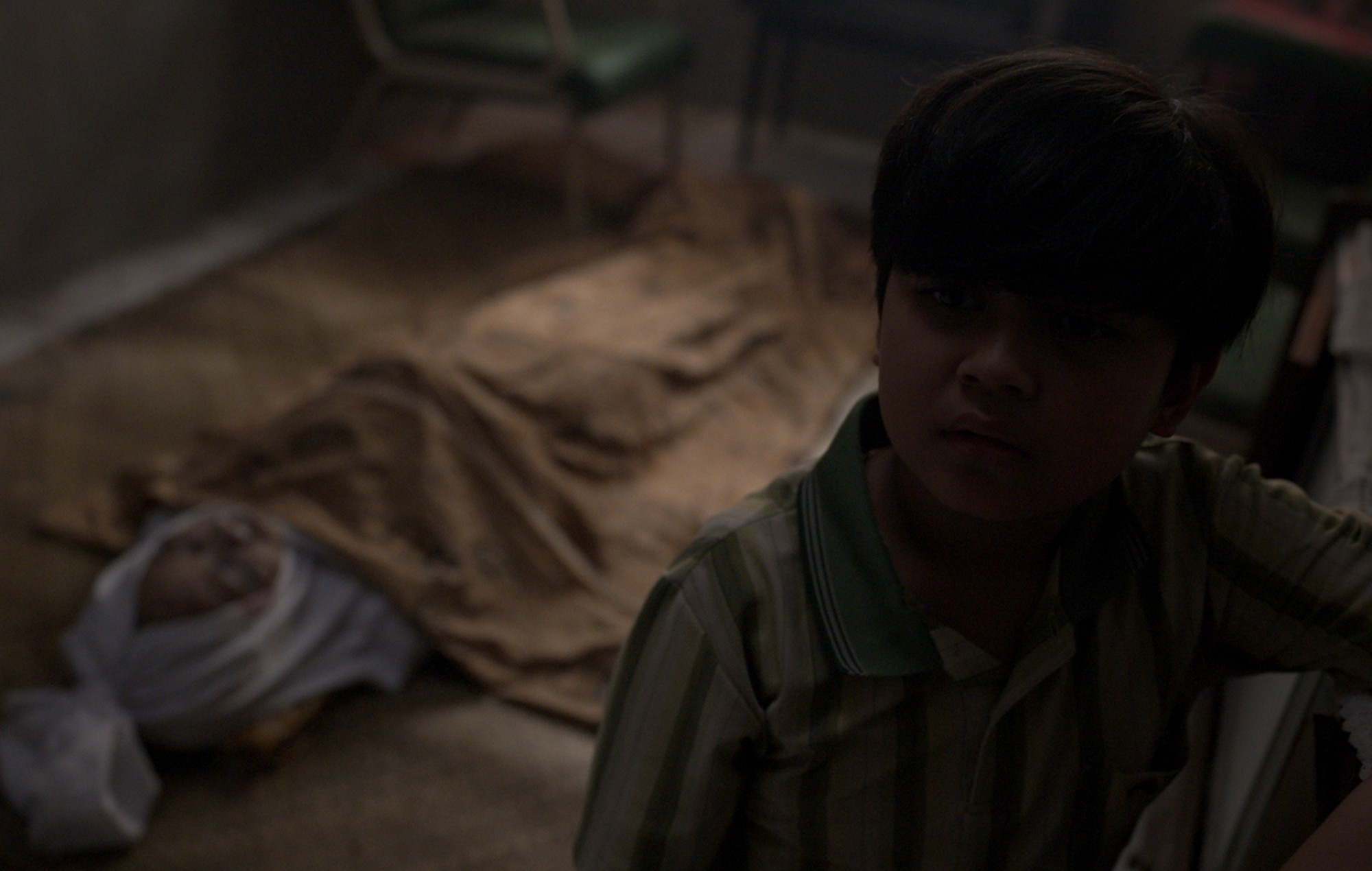
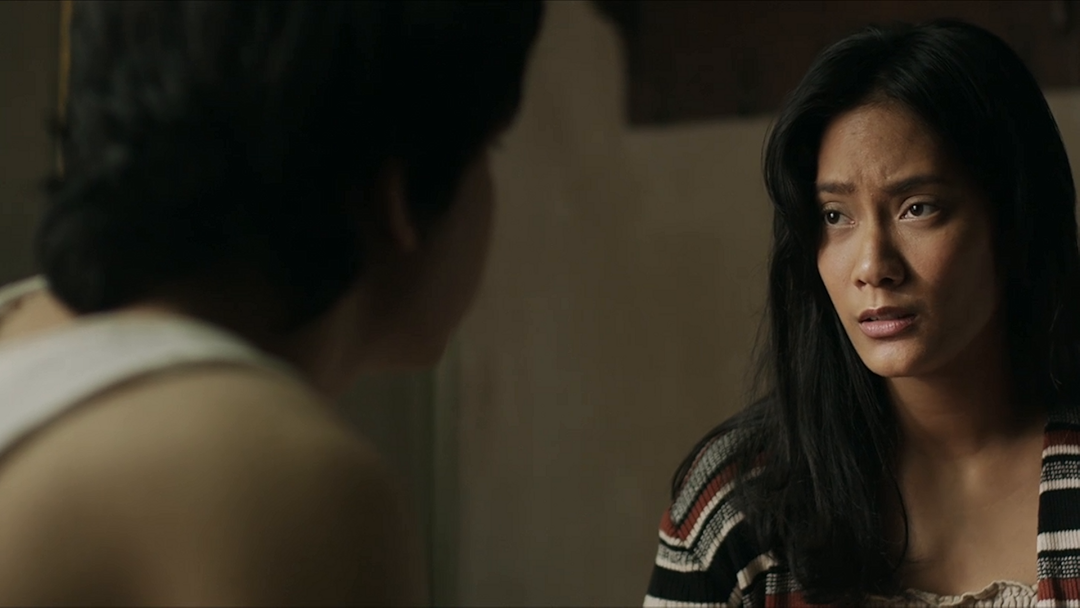
In these relationships, there is tenderness and laughter (and it is worth noting that the film can be genuinely funny), there is love put to the test, and a past secret threatening their lives. The young actors, led by the magnetic Tara Basro in the role of the eldest Rini, fit perfectly into the roles of loving siblings – each different, each in some way uniting them as a family.
It is a bit of a pity, then, that when the finale brings a plot twist that breaks their unity, the director is not interested in the drama of the characters, focusing instead on horror and the spectacular nature of the final scenes.
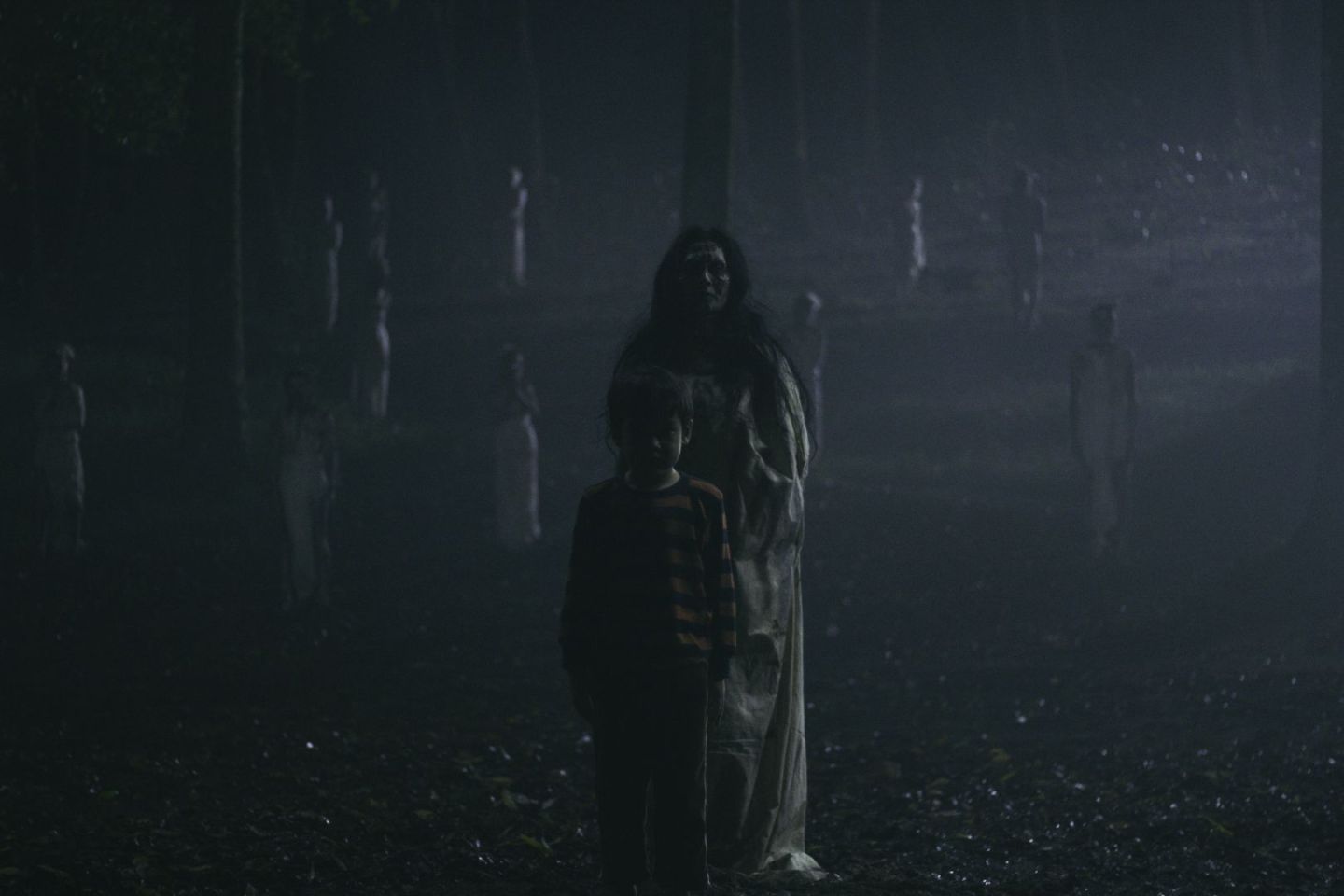
Together with the literally last shots, understandable only to those who know the original, and a few wishful plot solutions, this leaves a somewhat unfortunate impression. Not enough, however, to consider Satan’s Slaves a failed film.
Anwar’s work scares solidly, is more than competent in craft, and finds its heart in the depiction of a family ready for the greatest sacrifices.


Looking back at DEAD SNOW: A Blizzard of Nazi Gore Fun

DEAD SUSHI: Exotic, Spicy, and Wildly Entertaining

Revisiting ALICE, SWEET ALICE: Dread and Religious Symbolism

PUPPET MASTER: LITTLEST REICH – Achtung! It’s Good!
