
Review
ONWARD. Intriguingly Designed World [REVIEW]

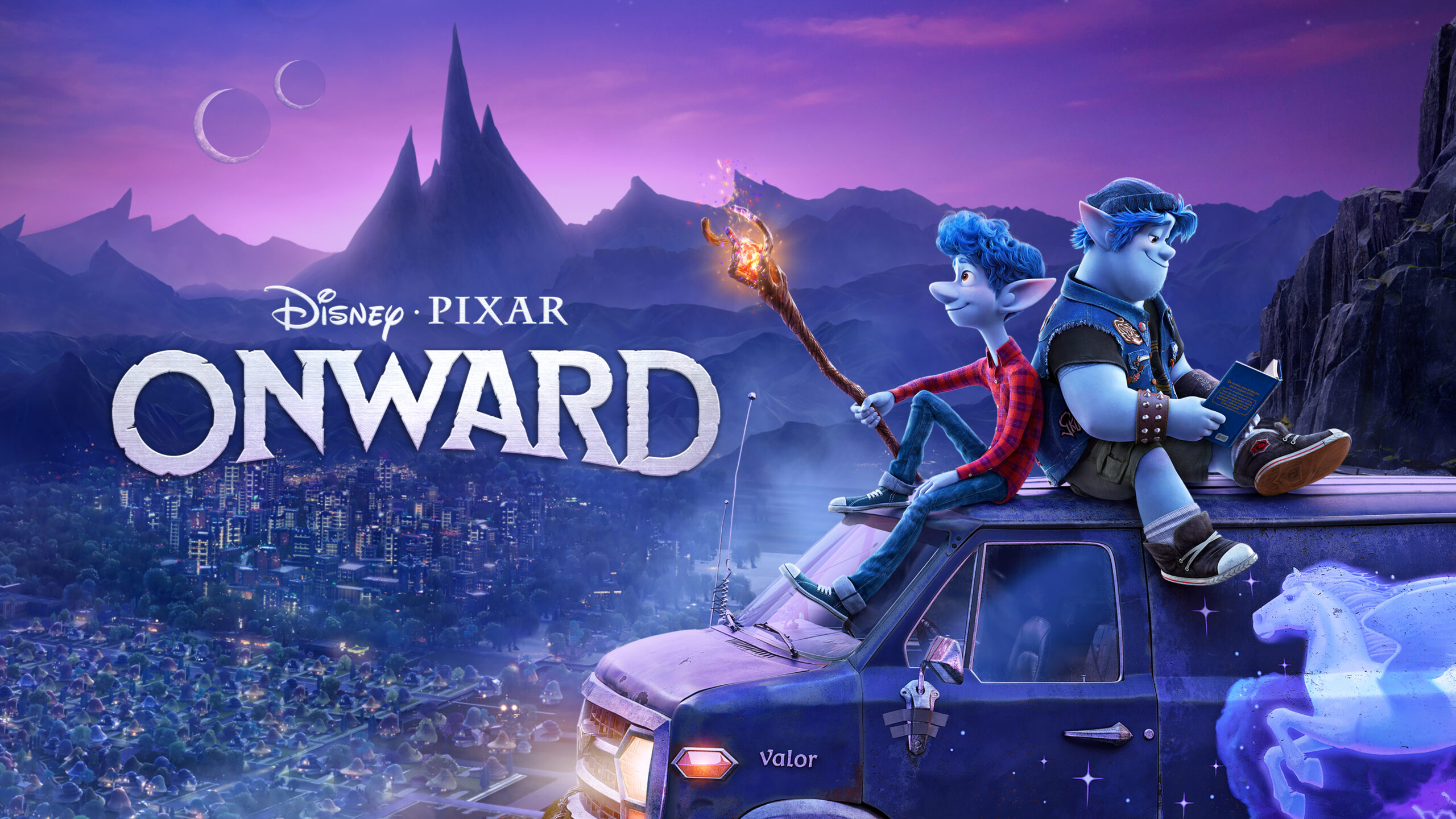
At the core of Pixar’s Onward lies an intriguingly designed world. We begin with crystalline, genre-based fantasy—represented by dragons, elves, fairies and wizards—which is gradually pushed aside by familiar technologies, the infrastructure of 21st-century cities, and contemporary social relations. Casting a light spell, which once required actual skill, proves far less convenient than simply using electricity. As modern, easily accessible means of communication develop, wings become useless. And who needs a magic wand when you can hold a smartphone armed with apps?
By the time we meet the two main elven heroes—sixteen-year-old Ian and his older brother Barley—magic and miracles have long been forgotten. Of course, they have left traces of their former presence: domesticated dragons, board games invoking a mystical past, crumbling ruins, symbols painted here and there on city walls, and homeless unicorns rummaging through trash bins.

While establishing the rules governing this place, the director, Dan Scanlon, develops the main theme: the brothers’ longing for their father, who died prematurely. The shy, timid and insecure Ian constantly asks his mother about him, although she has been seeing a new partner for some time. Barley—considered an oddball and a hothead—has already processed the loss and devoted himself to studying the magical past, cataloguing spell formulas and reminding everyone of the fairytale roots of their land. For Ian, this means nothing; it doesn’t occupy his mind at all. He’s preoccupied with more urgent matters. He knows it’s high time to work on himself, open up to others, and overcome his weaknesses and fears.
Their situation changes completely when Ian receives a birthday gift from his father on his sixteenth birthday—something their mother has kept hidden in the attic for years. The present is a magic staff and a gem that will allow the brothers to bring their dad back for a short time. Naturally, the task is harder than it seems: not everything goes according to plan, they must embark on a journey inspired by Tolkien-esque quests, and what will be tested is not strength, but character, trust and determination. You know the drill.
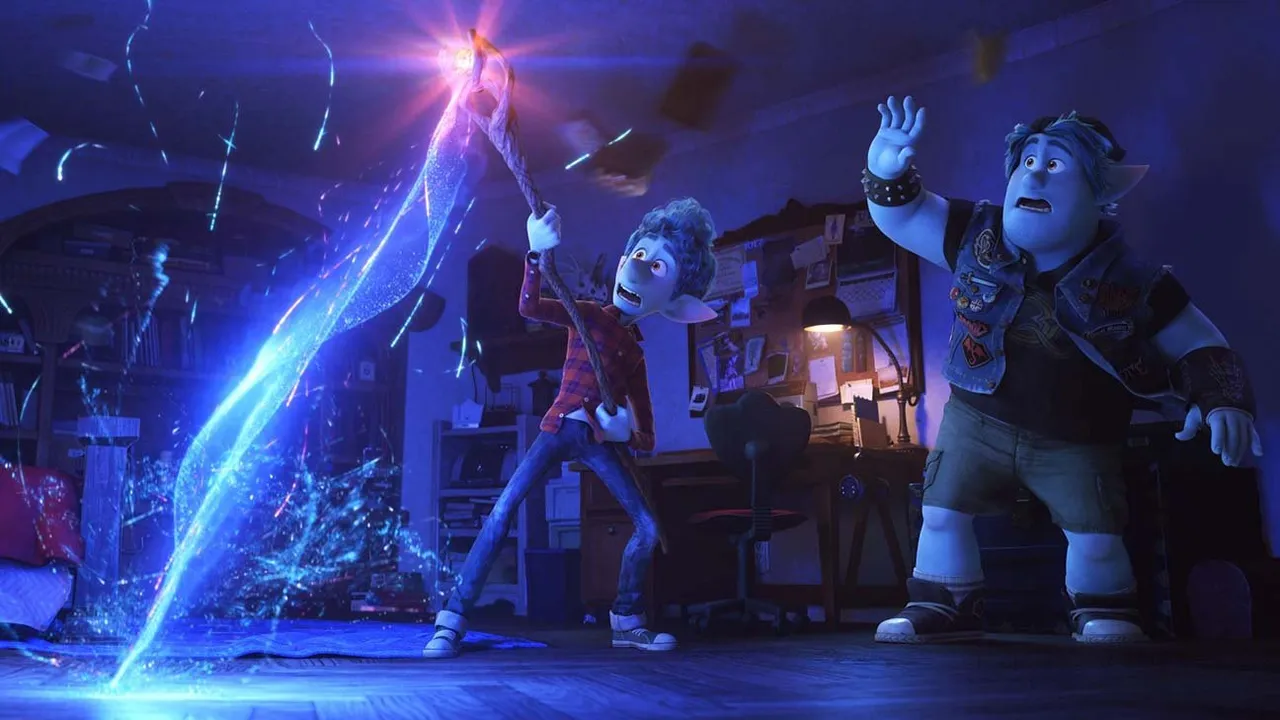
Onward certainly benefits from its modernist approach to the fantasy genre—so different from the conservative Brave, which explores similar cinematic territory. Scanlon doesn’t surprise when it comes to the main plotline (a leap over a chasm, a duel with a dragon, a quest for treasure, traversing booby-trapped underground tunnels—these are all expected challenges and twists), but he does by placing them in a new context and by how much happens in the background and around the edges.
I mean various phenomena that unfold around—and thanks to—the brothers’ expedition. Someone remembers the gift of having wings; a legendary sword is retrieved from a shabby pawnshop; and ancient prophecies turn out to be entirely plausible. Throughout the film, Scanlon scatters signals and signs suggesting a reawakening magical world buried under highways, high-rise districts and fields of Wi-Fi.

Onward unfortunately has its problems. Scanlon’s film seems almost mechanically programmed—predictable in its character arcs and their troubles. Scanlon repeatedly reminds us of the goals Ian writes down—sometimes on his hand, sometimes on paper. The point is that neither we nor he forget them. Naturally, throughout the film, we check them off one by one. Like in a video game, our heroes will acquire and master skills to use them all in the final battle. Onward is kept on a very tight leash.
It’s hard to form a precise accusation out of this (after all, it is what allows the characters to grow dynamically), but at the same time one may feel the mechanical repetition of returning patterns and templates in the character portraits. Ultimately, Onward opens the gates to a truly gigantic world of neo-fantasy. Ian and Barley’s coming-of-age adventure offers only a small glimpse of it. It’s not hard to guess what will determine whether Pixar ever lets us return to it.

