
Review
NOAH: The Flood as an Act of Grace Toward Humanity
Noah constitutes a creative transposition of its biblical foundation, for while retaining its main moral lessons, it enriches them with new subject matter.

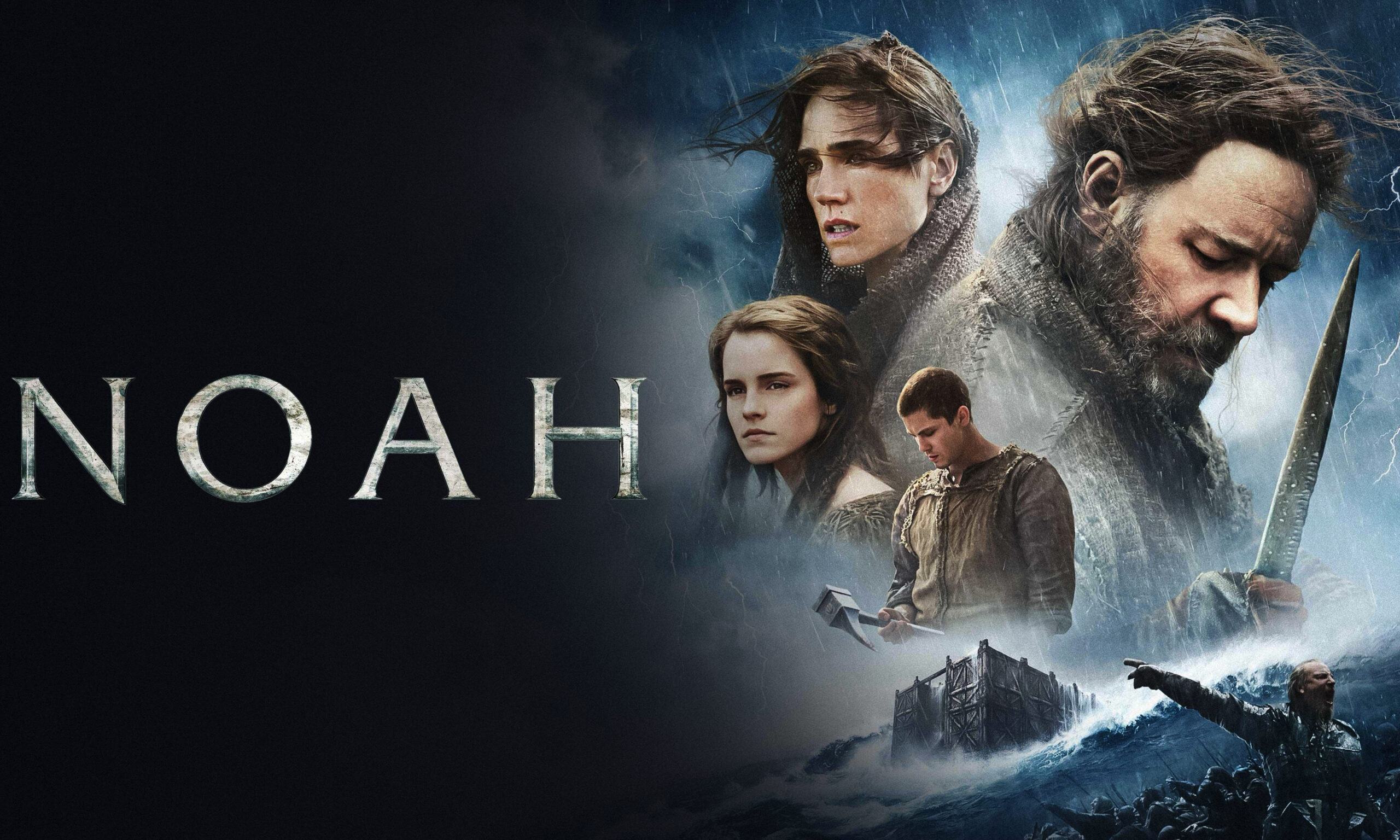
In experiencing the story of Noah, what was essential for me was the contemporary context in which this story found itself. It turned out to be of great importance in the process of receiving the film and in making any judgments. If we remain blind to it, I am afraid it will be difficult for us to appreciate the weight of the story presented. A story well known to us, yet shown in a truly original way.
God is dead – boldly declared to the world at the end of the 19th century by the famous philosopher Friedrich Nietzsche. He meant that in modern culture the significance of transcendence would gradually fade; our spirituality was therefore to play an increasingly smaller role in how we perceive reality. Of course, the philosopher’s anticipation proved largely correct.
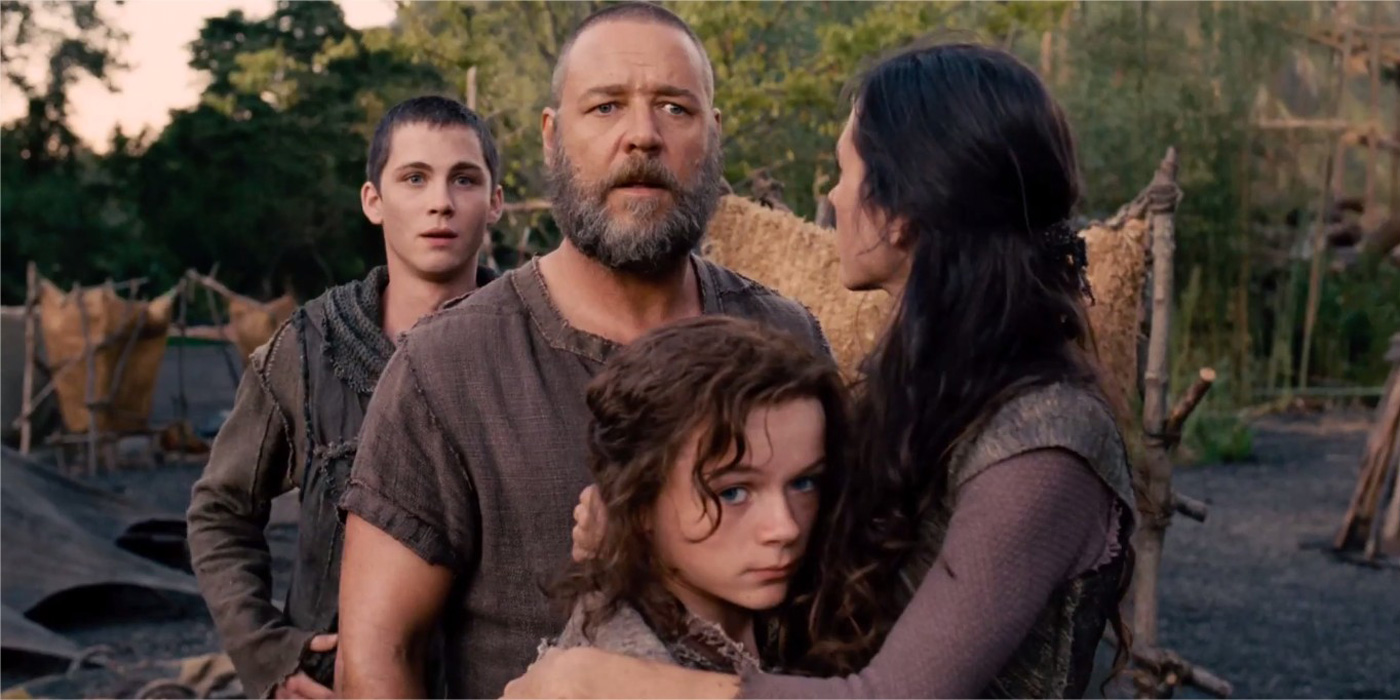
The crisis of faith, to a greater or lesser extent, was felt throughout the 20th century – to which the spread of socialist thought in many countries, bringing with it the atheization of social life, also contributed. However, when we look at the face of contemporary popular culture, which is to some extent a mirror reflecting the hopes and desires of each of us, a delicate breeze of longing can be felt. We begin to feel the need to return to our roots, like the prodigal son, after indulging in a lavish lifestyle.
It is also significant that the dialogue between science and religion is becoming more constructive, setting aside differences and focusing on the things that connect both fields of knowledge. The condition of religion itself, in turn, varies depending on demography – in the USA Christianity is thriving, in Europe it is dying, and this stands in a troubling opposition to the growing importance of Islamic fanaticism.
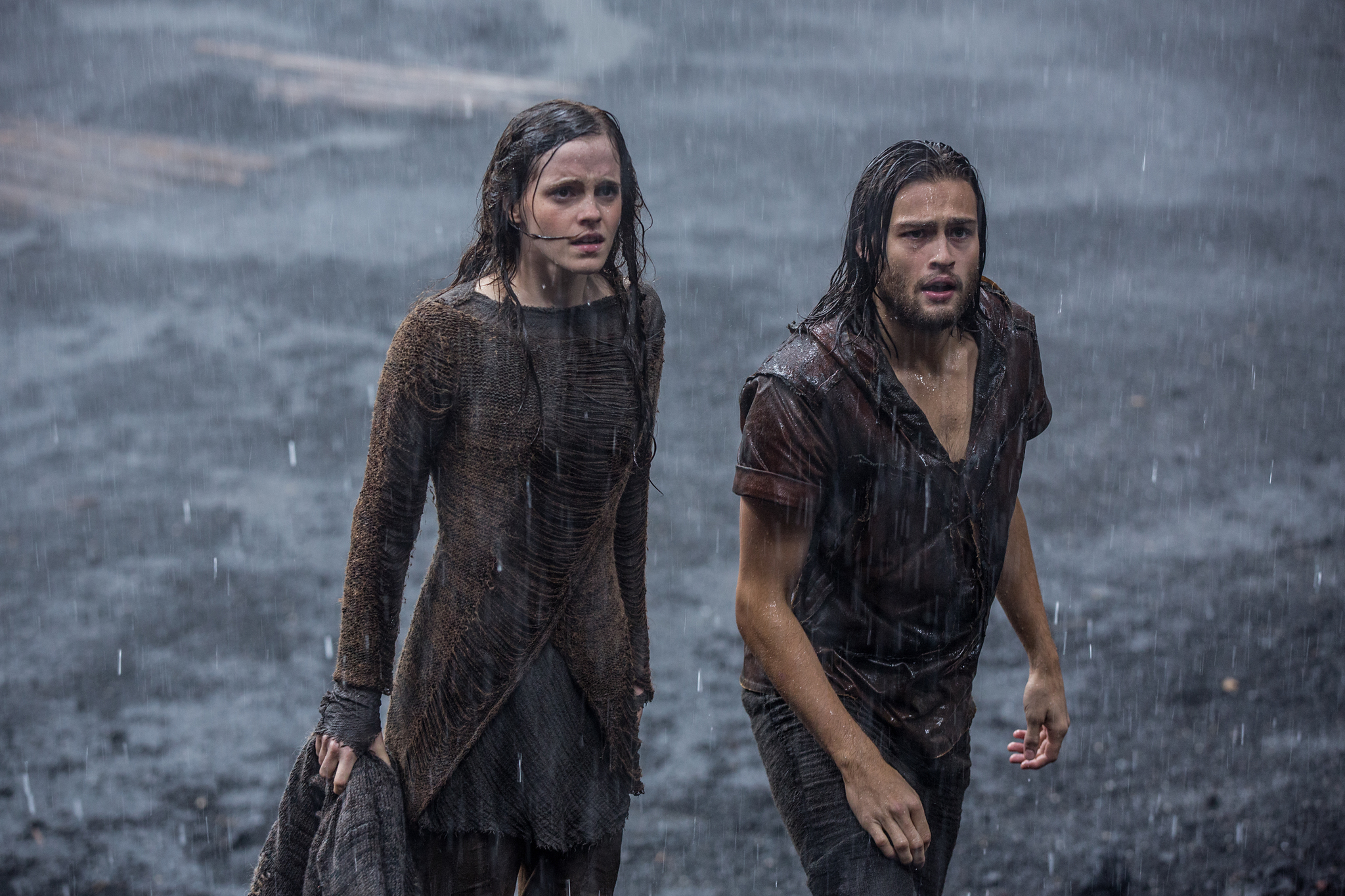
Churches are emptying, which may indeed signify the death of a certain form of spiritual expression, but it certainly does not mean the death of our inner spirituality. For it is alive and still wishes to be nourished by the bygone ideals whose universal power managed to shape Judeo-Christian culture.
Hence the multifaceted movement in art that has been developing over the past few decades, called New Age, intended as a fusion of religious traditions with the concepts of Eastern philosophies. But also hence the growing popularity of biblical cinema. Darren Aronofsky had already expressed what I am talking about in the brilliant The Fountain. With Noah, he only confirmed the nature of his pursuits – the search for the sources of our transcendence.
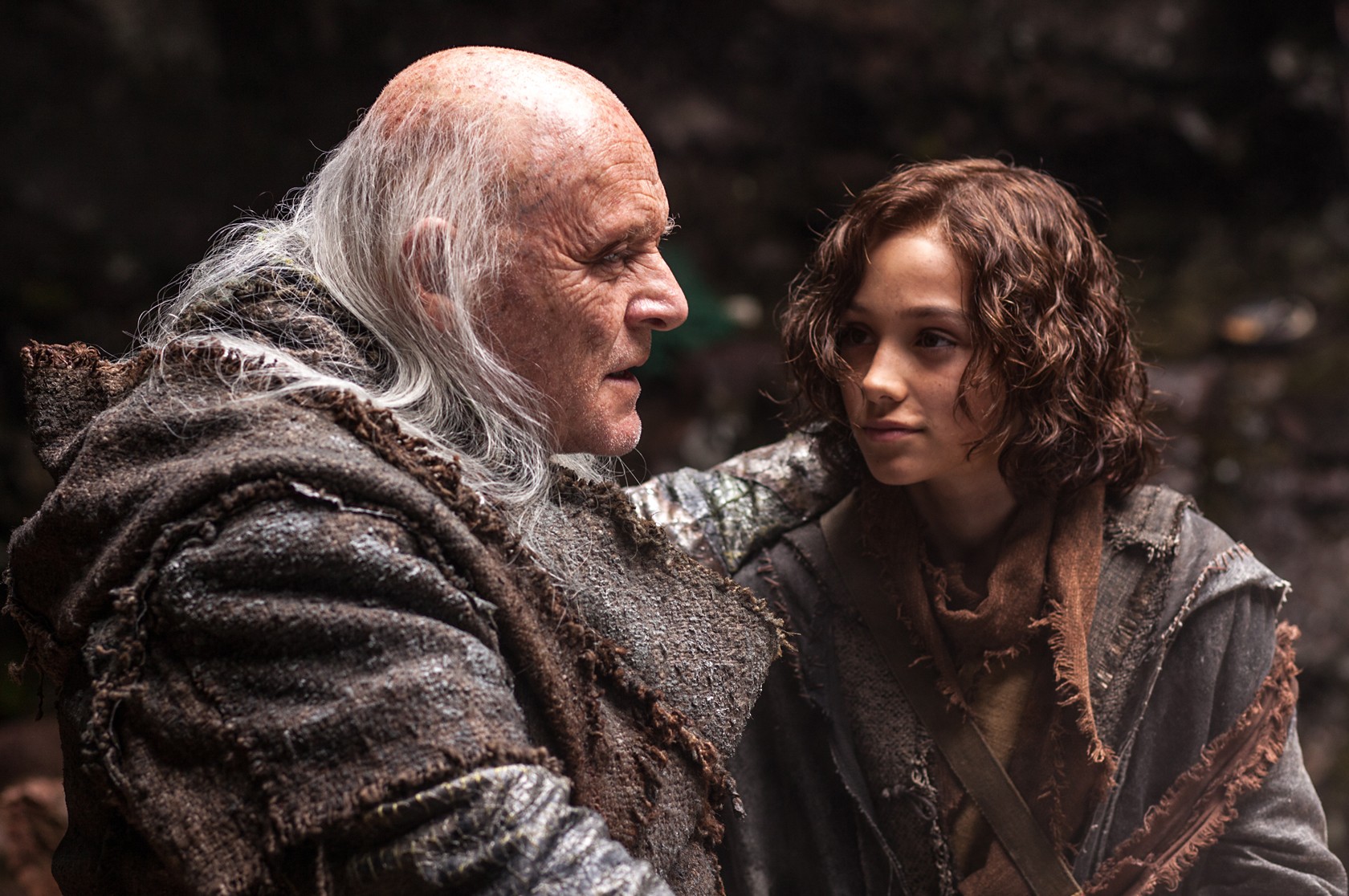
The basis of the screenplay was the Old Testament, more precisely the passages of the Book of Genesis devoted to the biblical Flood. It might seem that the story of Noah has already been completely worn out by art and that it is impossible to depict it in a way that would arouse sufficient interest. Yet the beauty of popular culture lies in the fact that no matter how old and decrepit the vessel of content may be, this culture will always find a way to breathe new, attractive life into it. And so it happens with the story of Noah.
I was deeply captivated by the abundance of refreshing ideas Aronofsky presented. Firstly, a bow toward realism. It seems that today no presentation of a story with fantastical elements can do without significant efforts to make its image believable. This is a tendency adequate to the needs of the modern viewer, and although at times the insistence on maintaining this tendency in film can be off-putting, it nevertheless has its justification.
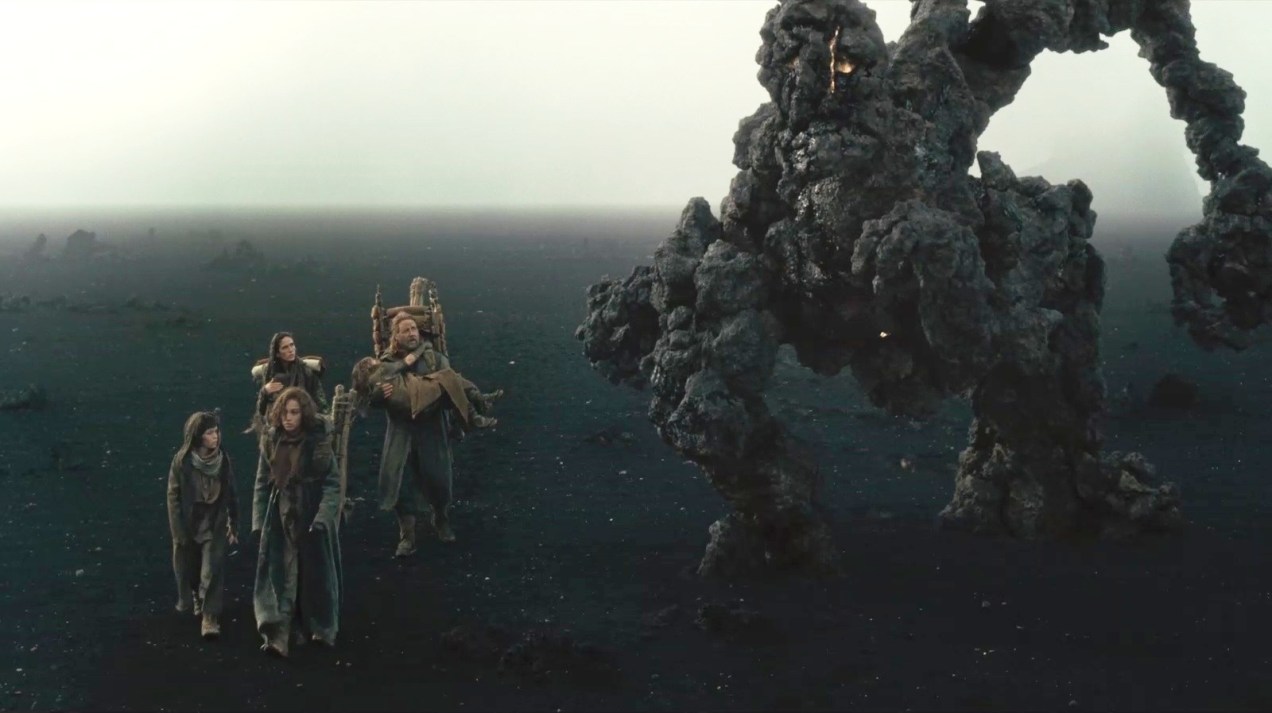
Secondly, the clever incorporation of elements of the fantasy convention. A convention so popular and heavily exploited in recent times. The magical nature of the pre-Flood world emphasizes the parabolic character of the story presented, filled with a large degree of conventionality, which will surely offend creationists. The most intriguing move was the depiction of giants – fallen angels, references to whom can be found in the biblical passages concerning the Flood, yet who had never before appeared in any of its presentations.
They played an essential role in the film, helping Noah build the Ark. They also provided an opportunity for the visual effects specialists to demonstrate their skills. They took this opportunity well, as the film’s giants impress with their appearance (reportedly achieved through a stop-motion technique) and their manner of movement. Thirdly, every aspect of the visual design is of a very high standard. I liked the idea of showing the pre-Flood world at a higher stage of civilizational development.
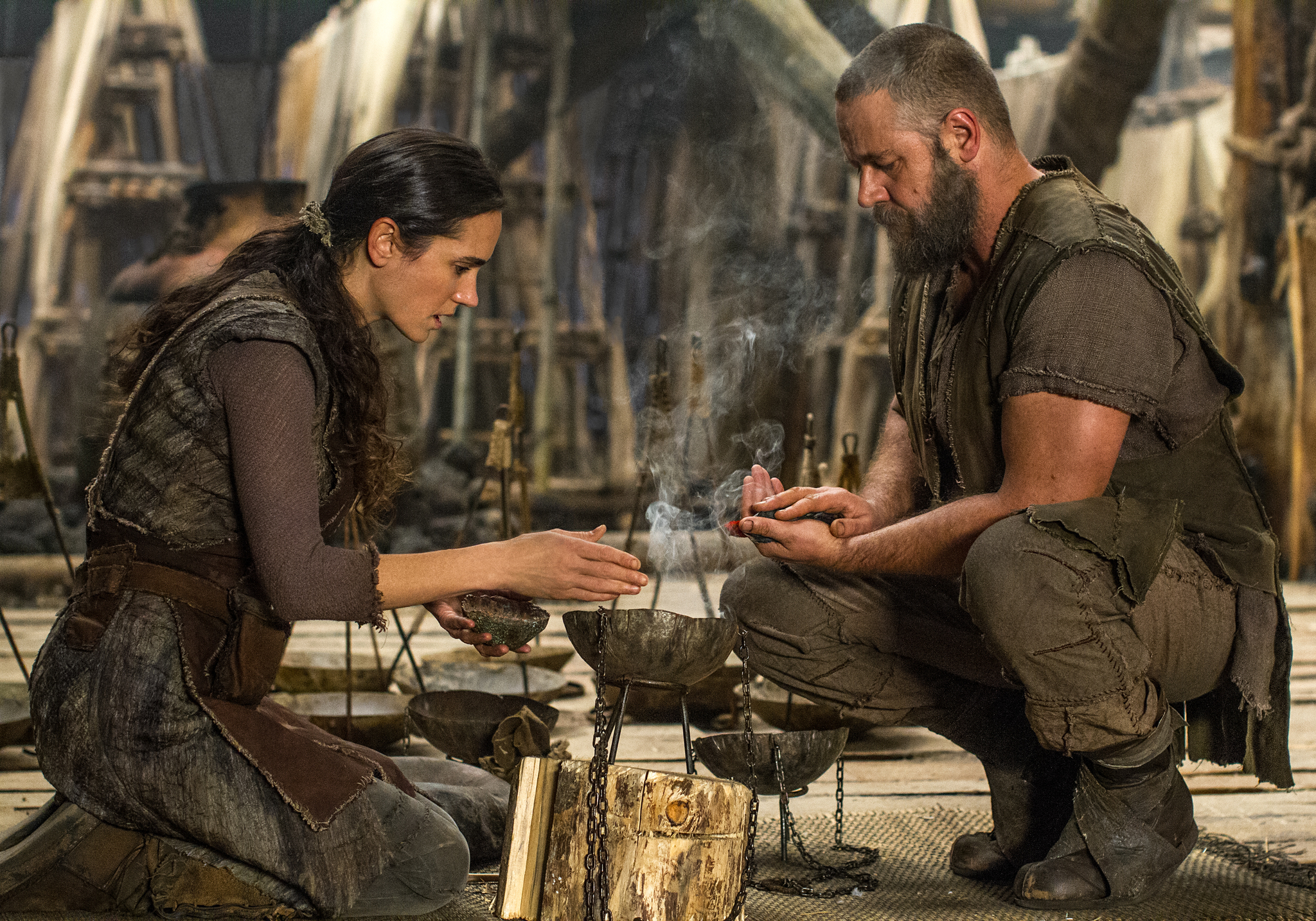
Thanks to this, the characters, instead of wearing rags, don fully realized costumes that show some guiding design concept, and they use tools close to our contemporary ones. I even had the thought that, through the signals sent by the director with the set design and costumes, he wanted to suggest that this story takes place not in the first era of our history but in a distant future, when the corruption now advancing leads to the downfall of our civilization.
This can also be read from one of the brilliantly edited sequences illustrating the history of humankind. I do not know, however, how justified my assumptions are; only a rewatch could verify that.

Fourthly, the music by Clint Mansell, Aronofsky’s regular collaborator, once again enchants. Its sound is delicate, appropriately ambient, yet when the gravity of the moment requires it, it can be more strongly accentuated. What is equally important, this music is perfectly synchronized with the image, and unfortunately, I have the impression that this is becoming an increasingly difficult art to achieve. Thanks to his cooperation with Aronofsky, Mansell has become one of my favorite composers and.
And finally, fifth and most importantly, Noah constitutes a creative transposition of its biblical foundation, for while retaining its main moral lessons, it enriches them with new subject matter. New, meaning closer to us and our contemporary dilemmas. Noah, Job, Abraham – these are figures from the pages of the Bible that possessed one very important trait: boundless devotion in service to God, regardless of the nature of the task entrusted to them.

Aronofsky, however, goes one step further and shows Noah as a doubting figure whose devotion to the Creator takes on the marks of fanaticism. What a clear allegory of religious fundamentalism this is, whose face is growing ever larger in today’s world.
The intention of God, who created us in His own image, was not to place on this earthly plane deities full of pride who, convinced of their own perfection, would soon lead to their own self-destruction. We are far from perfection, hence the humble need for a guide. Yet this divine intention is hidden in equipping us with free will, which is to direct our actions in such a way that, through the consequences of the choices we make, we can continually strive toward the ideal. Not to possess it, but to strive toward it.
When reflecting on the act of destruction sent by God upon His children, I am always amazed at the attitude of many people in how they interpret this deeply symbolic event. For this is the highest dimension of evil, the highest dimension of wrath – thunder the voices of many enlightened ones. They cannot bring themselves to believe in such an image of the Creator. But have you ever considered, dear rationalists, whether you would want to live in a world of universal decay?
Would you want to be part of it? For perhaps God did give us free will, but that does not mean we can use that privilege to wipe the floor. If our civilization reached the point of ultimate collapse – the collapse of the values that held it together for centuries – from my point of view, the sending of a cataclysm upon it would not be its vengeful annihilation, but its salvation. It would be an act of grace.
And in this particular context and in this particular spirit, I read this film by the American director, and I am delighted by it as if it were the first spring flower, heralding post-winter rebirth.

