
Review
INSIDE. When Horror Becomes an Art of Cruelty
If hell truly exists, Inside captures a glimpse of it—merciless, godless, and overflowing with hate.

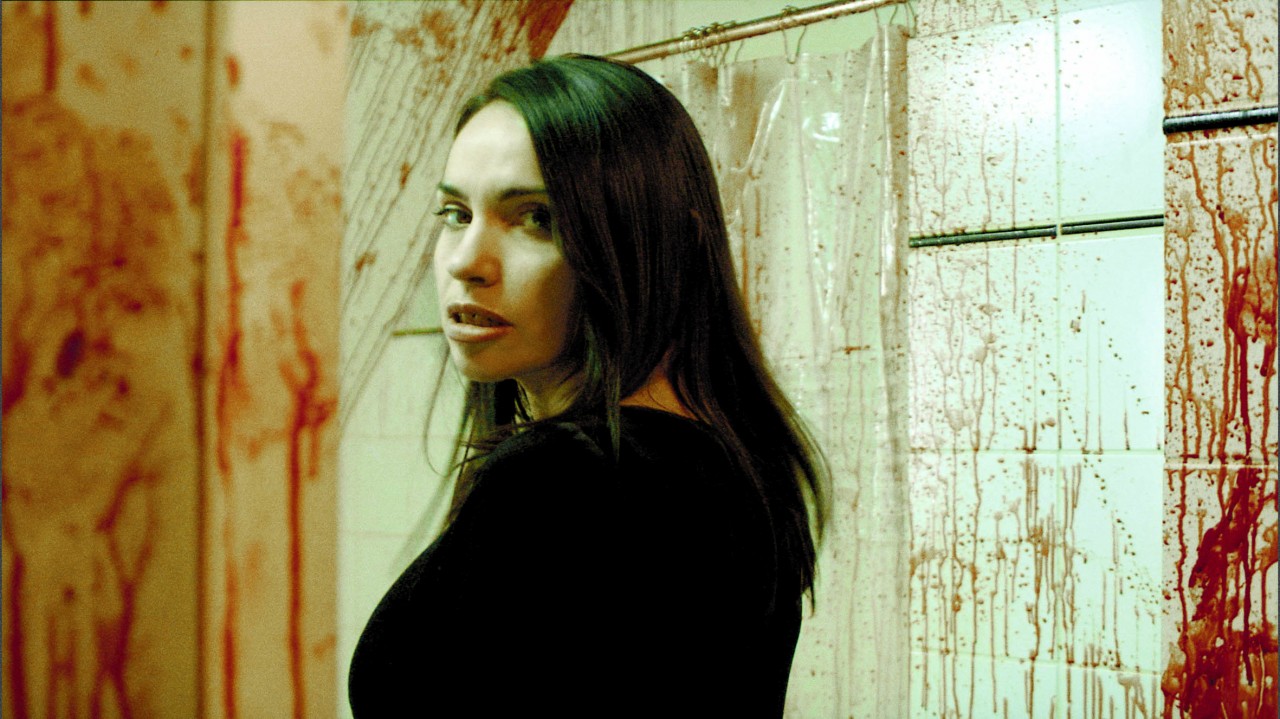
If you thought the directors hired to make Leatherface—another installment in The Texas Chainsaw Massacre franchise—were a pair of unknowns, you’d be mistaken. The French duo Alexandre Bustillo and Julien Maury made quite a name for themselves in the world of horror cinema years ago. Back in 2007, they unleashed Inside (À l’intérieur), a film that many, myself included, consider one of the most brutal horror movies of the 21st century. So what exactly earned it that reputation?
To call Inside a typical example of gore cinema would be to say nothing at all. “Torture porn” is a far more fitting label for what unfolds on screen. The escalation of violence reaches an entirely new level here—Bustillo and Maury clearly fetishize blood and brutality. Quentin Tarantino once said that violence excites him on a creative level; if someone asked the same question of these two French directors, their answer would likely be the same. The film couldn’t exist otherwise. Inside feels like the work of filmmakers who not only understand the aesthetic of blood, but can channel it into something stylistically deliberate and disturbingly beautiful.
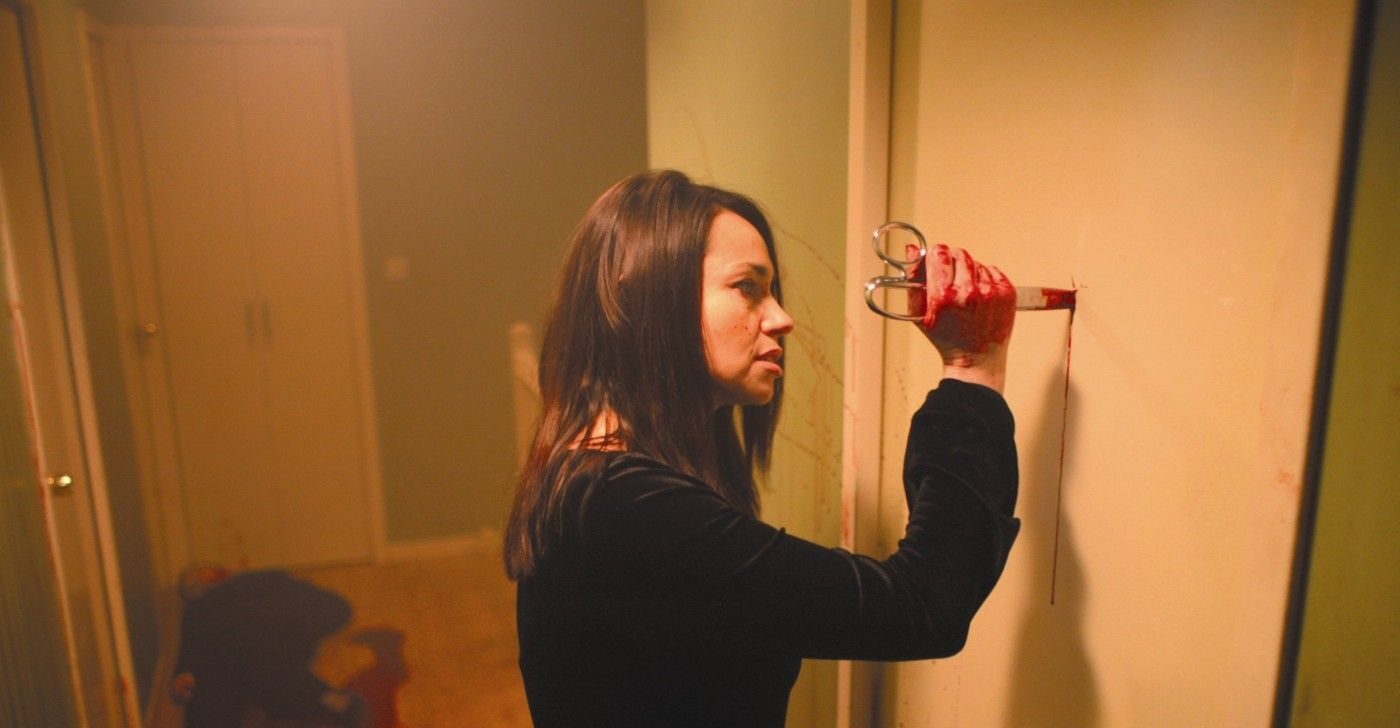
The film shocks with its raw, graphic imagery—not only through the pain inflicted on its heroine but also through the discomfort it inflicts on the audience. It’s an assault both physical and psychological.
Even the title, Inside, gives away its premise: another home invasion horror, where a lone protagonist must fend off a violent intruder. But Bustillo and Maury weren’t interested in recycling the usual tropes. On the contrary—their initial idea was to turn the aggressor into a woman. Traditionally, horror has cast men as the physical threat, leaving women to play the victims. Here, the directors flipped that dynamic, setting one woman against another. The real challenge was giving the antagonist a believable motivation—one that wasn’t rooted in sexual desire or trauma, but in something darker and more primal.
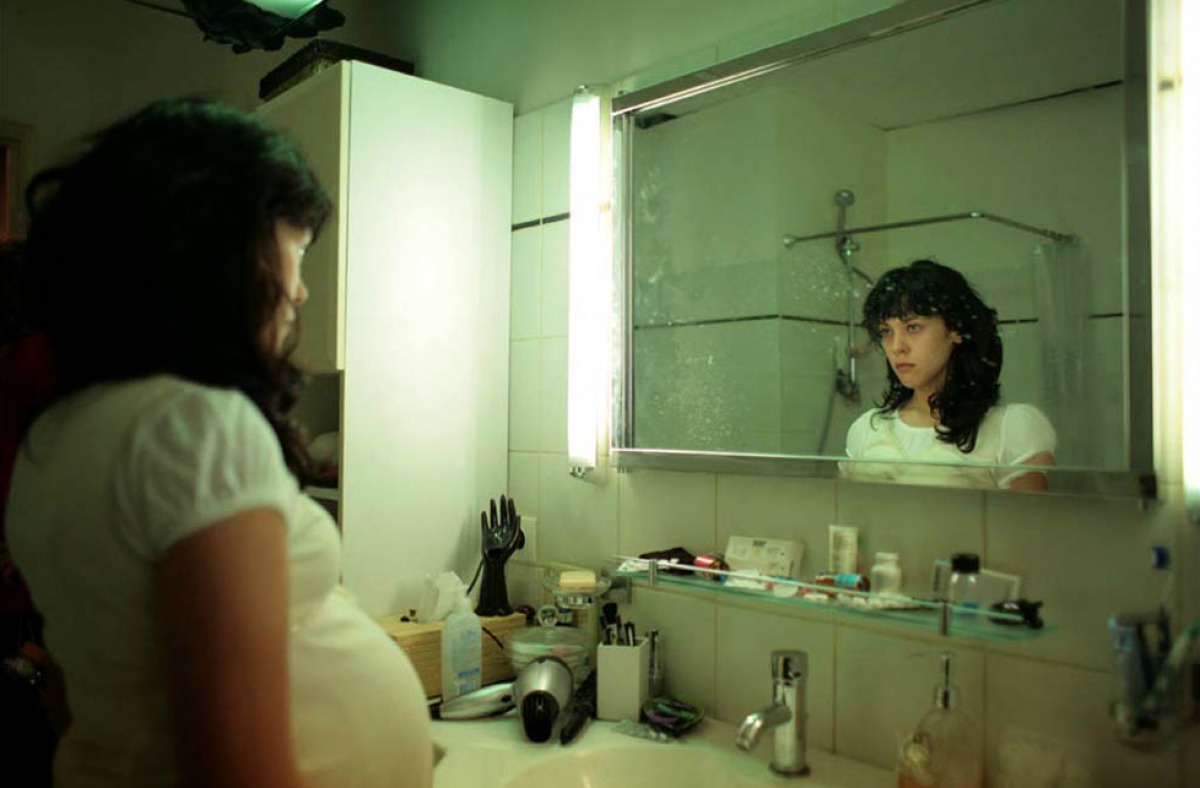
To heighten the sense of vulnerability, the filmmakers made their heroine heavily pregnant, with the story unfolding hours before she is due to give birth. But this isn’t a tale of maternal joy. Her partner has recently died in a tragic accident, leaving her to face motherhood alone. Isolated and grief-stricken, she plans to spend the evening quietly at home. Until, that is, a stranger appears at her door. Unfortunately, this uninvited visitor has anything but festive intentions.
Watched without any prior knowledge, the first fifteen minutes could almost pass for a melancholic domestic drama. But make no mistake—the brutality that follows is relentless. I wouldn’t recommend Inside to pregnant women, young mothers, or anyone sensitive to extreme violence. The directors offer no mercy and no escape. In their vision, evil knows no sanctity, no boundaries, no safe spaces. Cruelty erupts like a balloon filled with blood thrown against a wall—splattering, shocking, impossible to look away from.
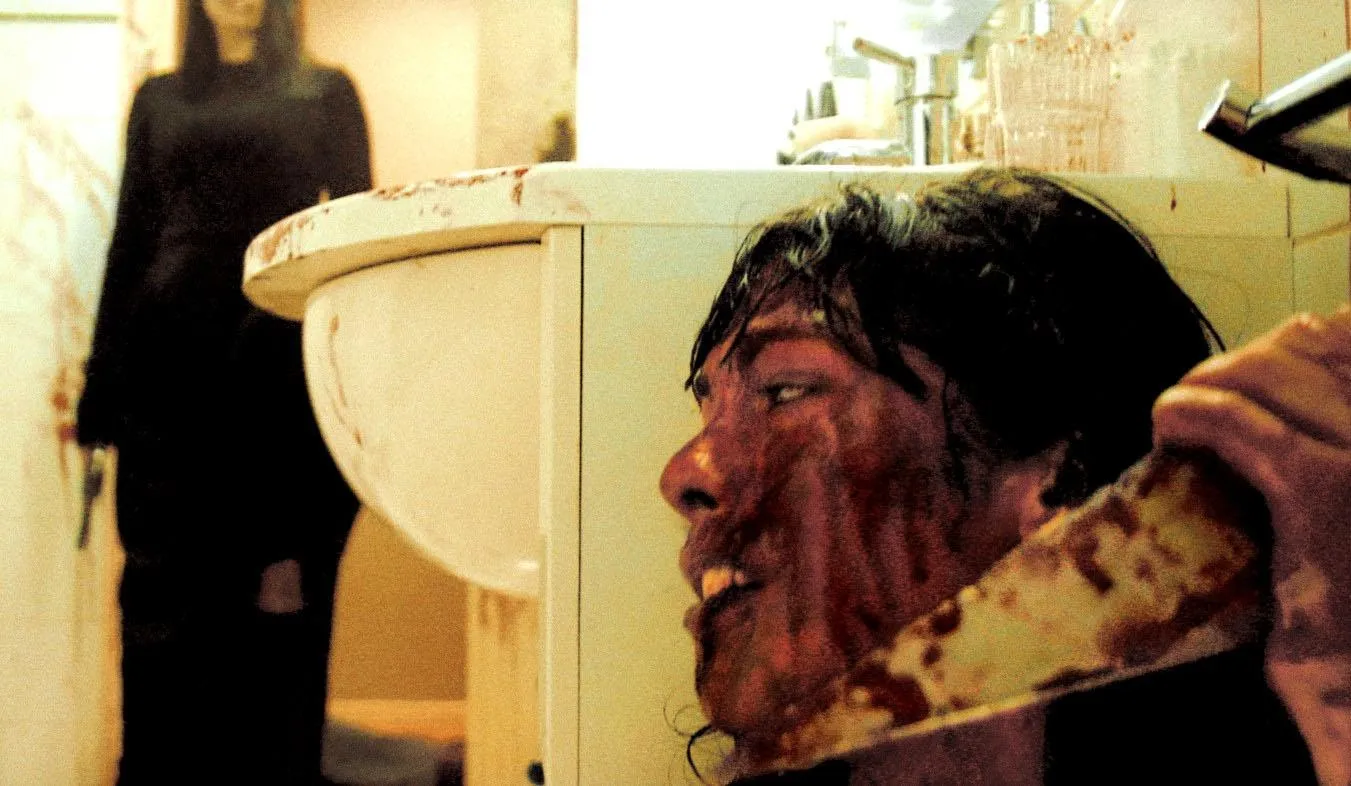
The film’s pulsating ambient score and shadow-drenched cinematography add a hypnotic, almost trance-like quality to the carnage. Inside feels like a cinematic slaughterhouse—its imagery so extreme that even a single glance can unsettle your nerves.
Bustillo and Maury refuse to give the viewer even a moment’s reprieve. Their unwavering focus on despair and savagery gives weight to the number on the protagonist’s front door: 666. It’s a blunt, deliberate clue that what unfolds here is nothing short of infernal. If hell truly exists, Inside captures a glimpse of it—merciless, godless, and overflowing with hate.

