
Review
Looking Back at GIMME DANGER: Where Is the Energy?

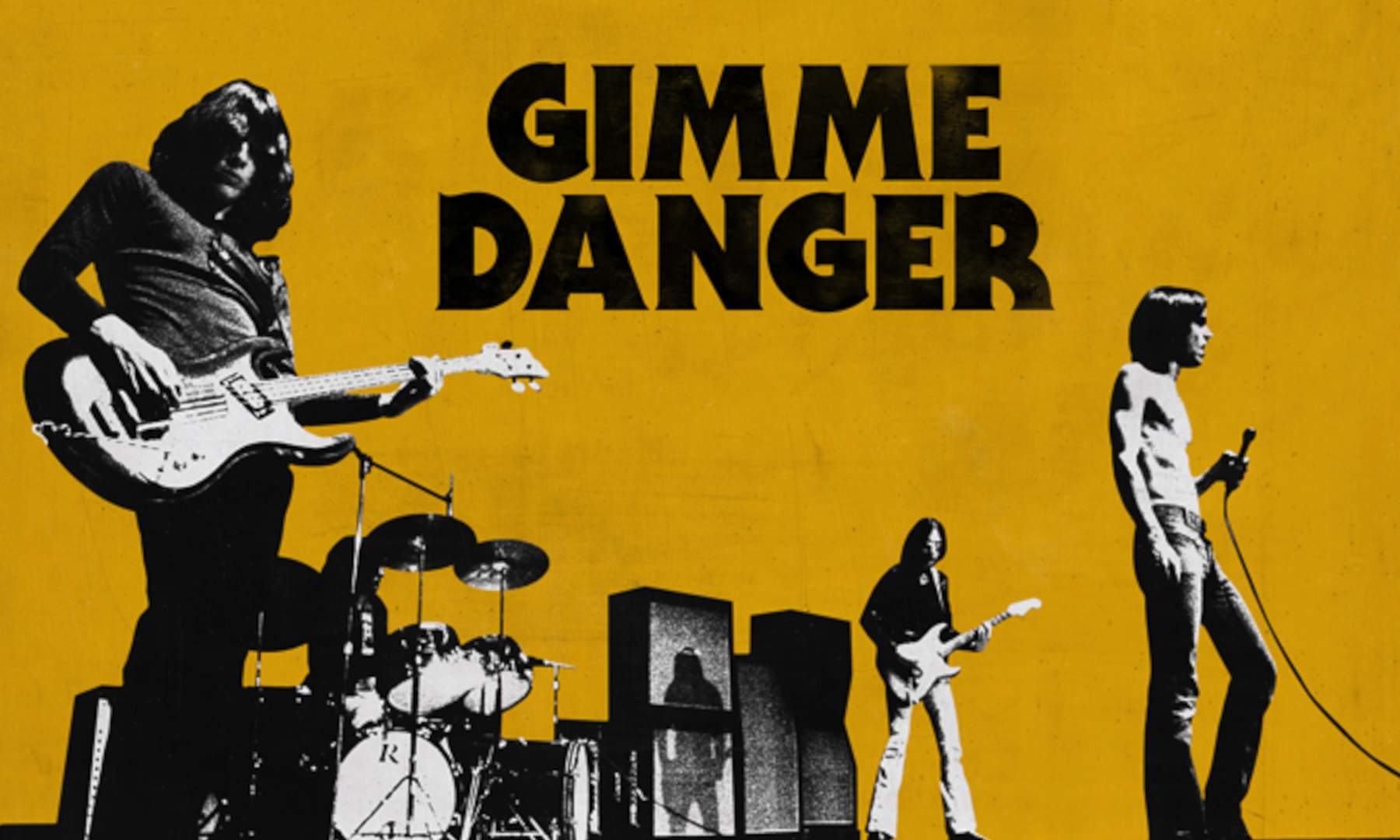
Iggy Pop is my musical absolute. He is the blueprint of a leader, from which all subsequent rock maniacs bounced. It does not matter whether the direct reason for someone picking up an instrument was Rage Against The Machine, Red Hot Chili Peppers, The Sisters of Mercy, or Sonic Youth – at the source there is almost always Iggy. Making a documentary about such a distinctive figure must be difficult and unfortunately it exceeded even such an excellent director as Jim Jarmusch. Gimme Danger.
The Stooges offered simplicity to music, and to their listeners the message: You too can do this. They offered the world a rage that no one before (and few after) dared to show on stage. An averagely talented guitarist could learn their repertoire in a single night, but that same guitarist in his most complicated, multi-minute solos would never reach such a charming level of sincerity, if only because he is focused on the instrument, not on the transfer of energy. I do not want to invoke the age-old dispute between supporters of music simple in form and strong in message and its opposite, so I will frame the differences in non-antagonistic, and incidentally also cinematic, terms.
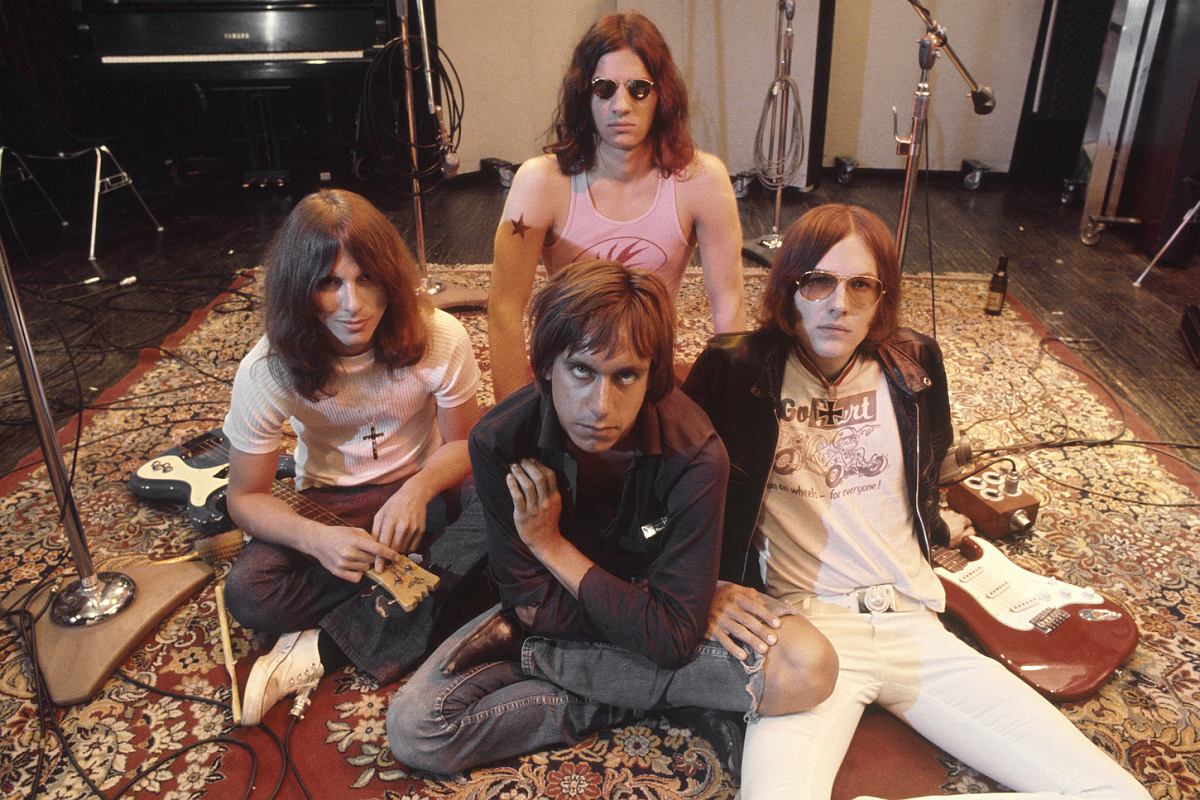
Yngwie Malmsteen or Steve Vai are heroes on the scale of the Avengers. Their compositions can traverse dimensions, worlds, and planets; they have the predispositions to face supernatural forces; and they themselves look as if they have just stepped off the cover of some magazine. The Stooges, on the other hand, are Daredevils – the boys next door, touched by earthly matters. They have no superpowers, but even when in a losing position, they are not afraid to spring into action.
Stories about World War II or tales from Greek mythology never interested them. They sing about what they feel, what they have experienced, what is important to them, and what they would like to reduce to dust.

The band’s biography is a collection of blood-chilling stories on the border of life and death. Fights, drugs, alcohol, concerts in extreme conditions, exceptionally harsh falls, and a return after many years spent in musical limbo. Perfect material for a film, which… Jim Jarmusch decided to flatten to the maximum.
A handful of archival photos and talking heads in a strange setting (why is Mike Watt speaking while squatting in a kitchen?) reduce the pace of events to such a slow level that Bilbo Baggins’ journey from the film Hobbit begins to rival an action movie under the Raid banner.
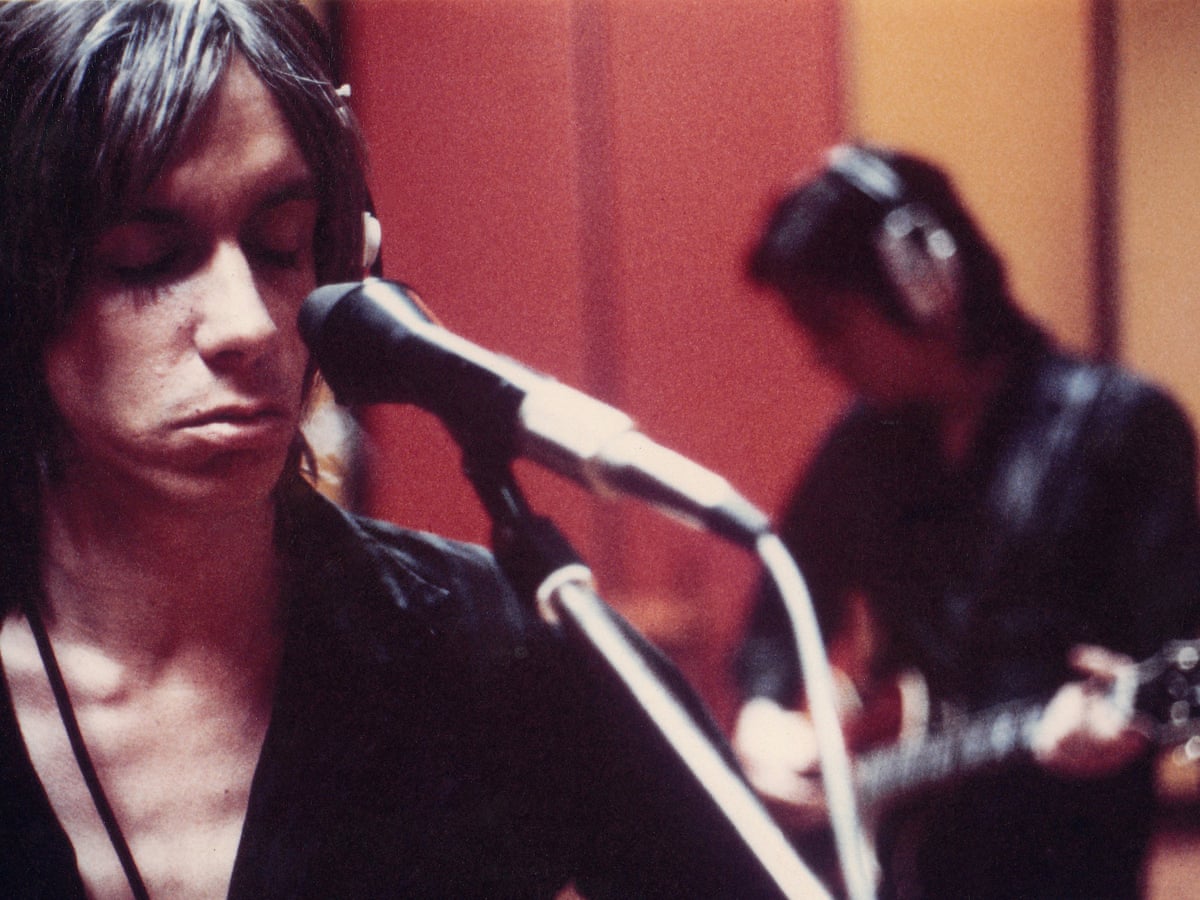
In a documentary, this may not be so crucial, but in a documentary about a phenomenon as lively and aggressive as The Stooges – it is. A fatal, archaic solution is the strict adherence to chronological order, giving the impression that Jarmusch made a simple adaptation of a Wikipedia entry. Such narration quickly becomes tedious, and it is rescued only by anecdotes told by the musicians. As a result, the story is told very superficially. Fans will not learn anything new about their beloved band from this film.
The most unsuccessful idea, however, is including terrible animations illustrating some of the statements. If you have seen Tabaluga parodies with politicians’ heads pasted in, you know the type of productions I mean. I know that The Stooges’ activity in the late sixties and seventies was niche and controversial, which is why few archival video materials survived, but replacing them with embarrassing elements of humorous intent is definitely the biggest flaw of Gimme Danger.

Jarmusch clearly wanted to follow internet trends, but when he communicates this way, he resembles a well-meaning old man who thinks that merely throwing the word lol into every other sentence is enough to get close to the reality of growing children.
Six may seem like a too-high rating after listing all these complaints, but Jarmusch did not make a film he would have to be ashamed of. It is neither a good nor a bad documentary; it is simply bland. I raised the grade above an average five solely for the subject – showing not so much the biography of Iggy Pop himself, but the story of a band whose other original members are no longer alive. With such source material, a surprising convention on the scale of 20,000 Days on Earth or a rapid, music video-style montage was begging to be done.

Watching the rowdiest rebels in music history in static shots does not evoke any emotions. One cannot fault the directing craftsmanship, but transferring The Stooges’ madness to the screen ended in failure.

