
Review
THE TALE OF DESPEREAUX. This Is High Postmodernism


The Tale of Despereaux is a story about a good king plunged into mourning after his wife dies in an unfortunate accident. It is also a fairy tale about a princess locked in a tall tower and a small yet mighty hero who restores the old order and harmony. But don’t be misled by this laconic description. The Tale of Despereaux is one of the most intriguing animated films, offering a fresh perspective on recognizable fairy-tale motifs. A few years earlier, Shrek filtered their structure through pop-cultural parody. The Tale of Despereaux takes an equally modern look at this conventionalized literary (and, of course, cinematic) genre.
It does so in a more intriguing and sophisticated way. This is high postmodernism. The film takes the very structure of the tale and its recurring themes as its subject. The Tale of Despereaux has a metatextual character but avoids direct quotation. And if it does reach for one, it is never done as overtly as in the DreamWorks hit.
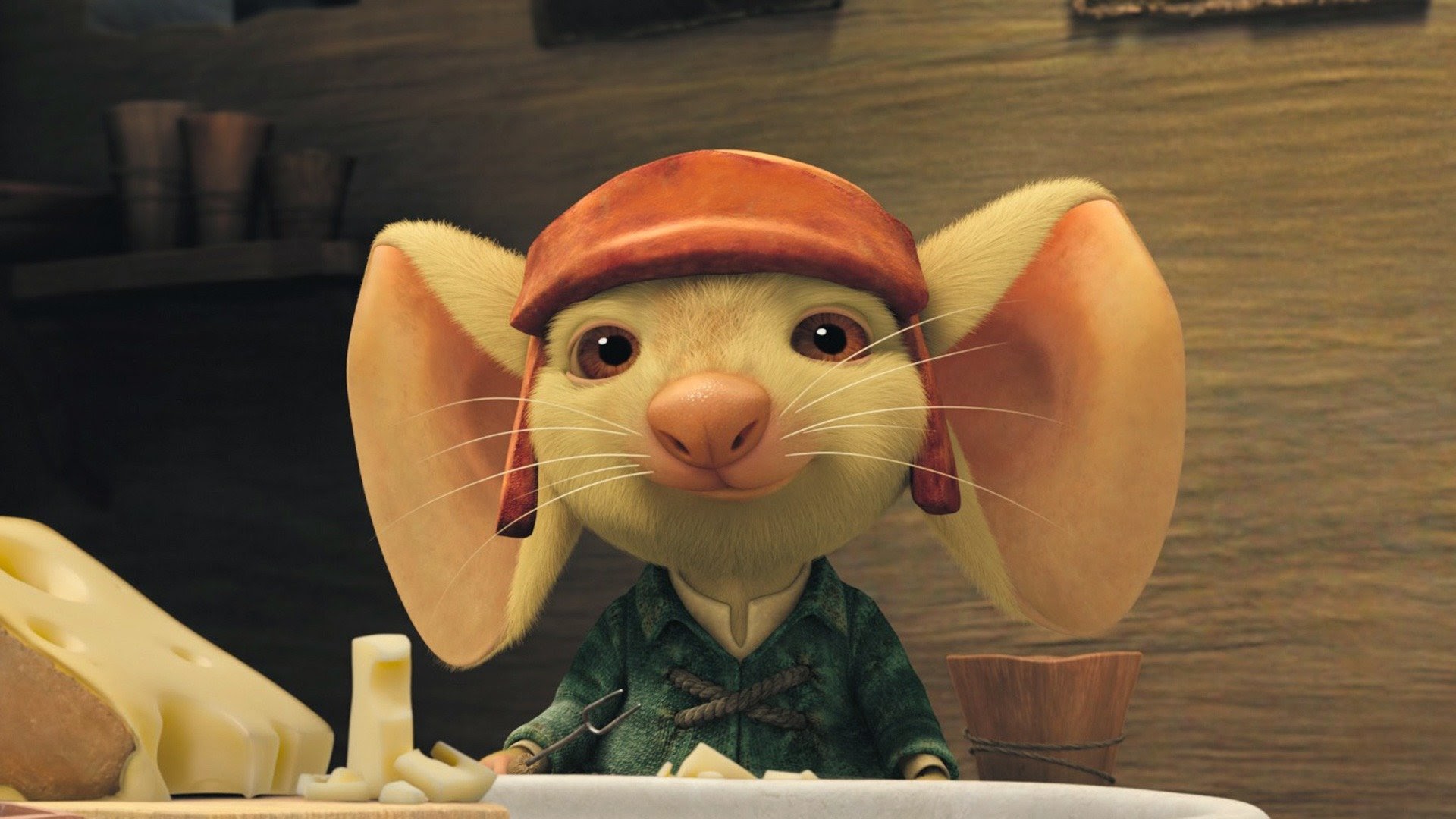
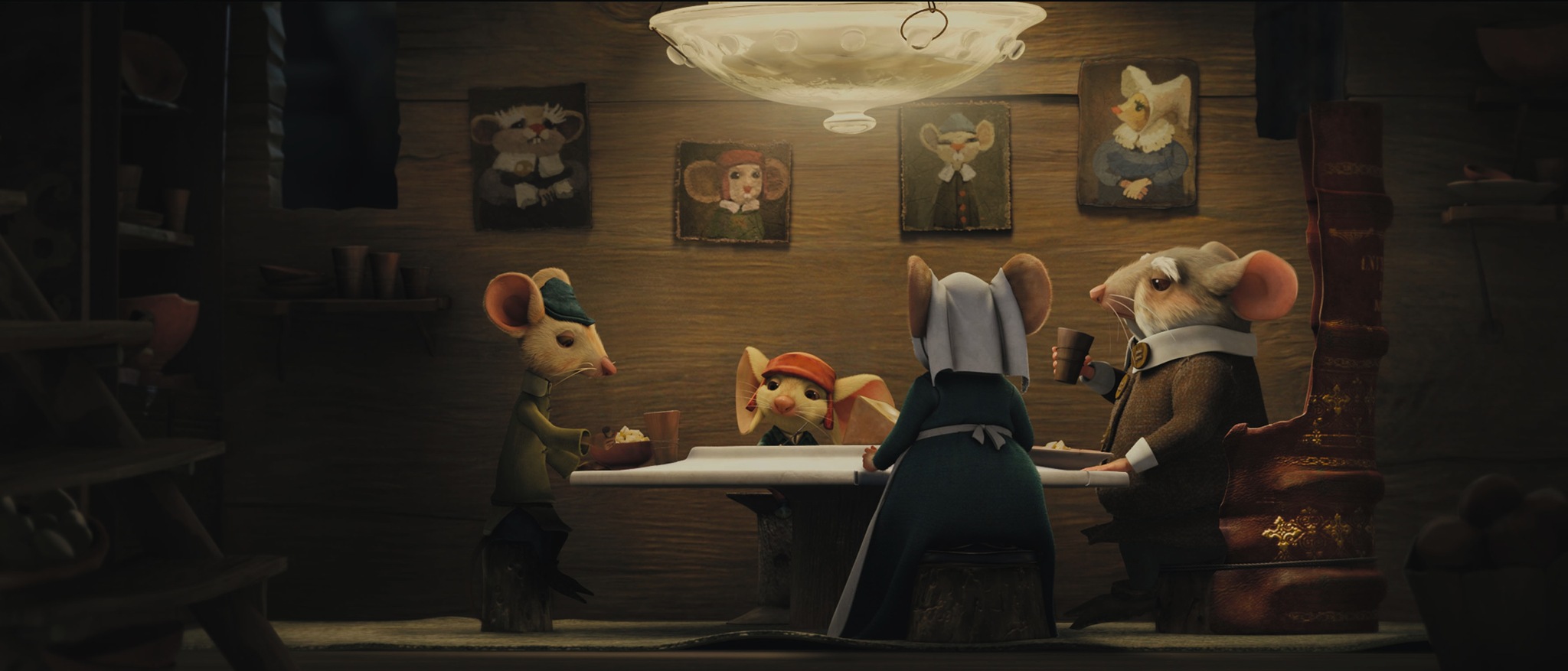
The strength of Universal Animation Studios’ film lies in the complexity of its world, which contains many layers and levels. The first to stand out are those present in its very physical design. In the sewers lies the rats’ city, ruled with a despotic hand by the calculating Botticelli. It resembles more an underground prison, where rats must submit to their leader, who rations food and water. It is the opposite of the human kingdom, where ruler and subjects live in harmony. Between them lies the mouse city, whose residents avoid drawing attention and take pride in their autonomy. Their most carefully cultivated skills are hiding and fleeing—lessons taught from the earliest years. Cowardice is a virtue; fear is the most precious trait of the mouse race.
Despereaux breaks out of this pattern. His curiosity and courage terrify his parents. Yet he is not exactly the film’s main character. The plot is interwoven with numerous subplots and digressions. I would even argue that the tertiary characters carry most of the drama. One such thread is the story of Gregory, the jailer, who many years earlier gave his little daughter away because he could not provide her with proper living conditions. Since then he has been trapped in a hopeless lethargy, transformed from a sensitive man into a thick-skinned guard with an absent stare.
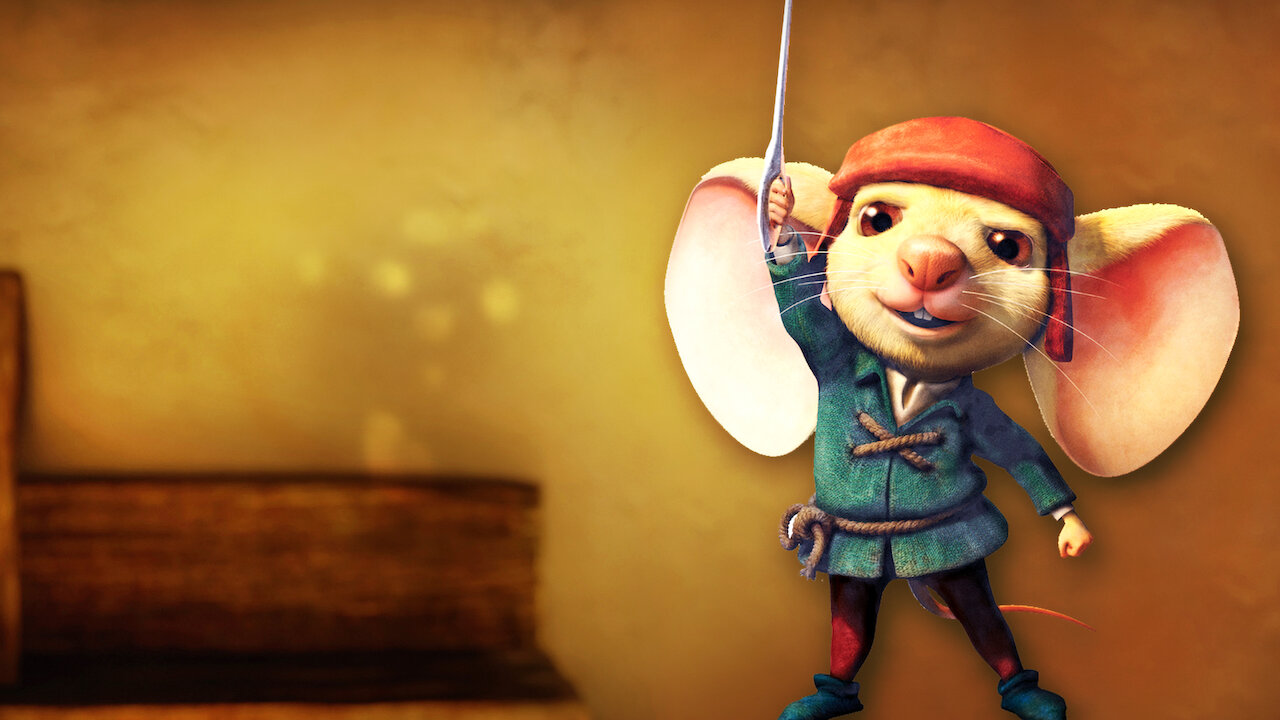
This enormous sacrifice drained the last remnants of empathy from him. No less moving is the grieving king, who, after the death of his wife, has lost all motivation. Before locking himself away in one of the chambers and withdrawing from public life, he introduced several reforms so that all subjects would share in his despair. Compared with them, Despereaux functions mainly as an engine of action. It is the seemingly secondary characters who give The Tale of Despereaux its melancholic tone.
The multilayered nature of the world corresponds with the film’s highly sophisticated narration, reminiscent of the nested structure of The Saragossa Manuscript. We move fluidly between threads, descending to deeper levels of the story. There are no anonymous characters here; each is shaped by a past and clear motivations. In barely ninety minutes, the filmmakers managed to depict an entire ensemble of characters in detail, interweaving their fates so that they subtly influence one another.
This is not a screenwriting showpiece for its own sake, but a broader diagnosis of attitudes—a confrontation of opposites and an addition of half-tones to the usually black-and-white structure of a fairy tale. Just when the main thread seems to be taking shape, the filmmakers pause at Mig, the castle maid whom Despereaux passes by. Her subplot is a Cinderella story told in reverse: a rural girl dreaming of social elevation, meeting a prince, fine dresses, and a golden crown. The Tale of Despereaux regularly employs such transitions. The story flows, shifting direction at unexpected moments and expanding its scope by adding new points of reference.
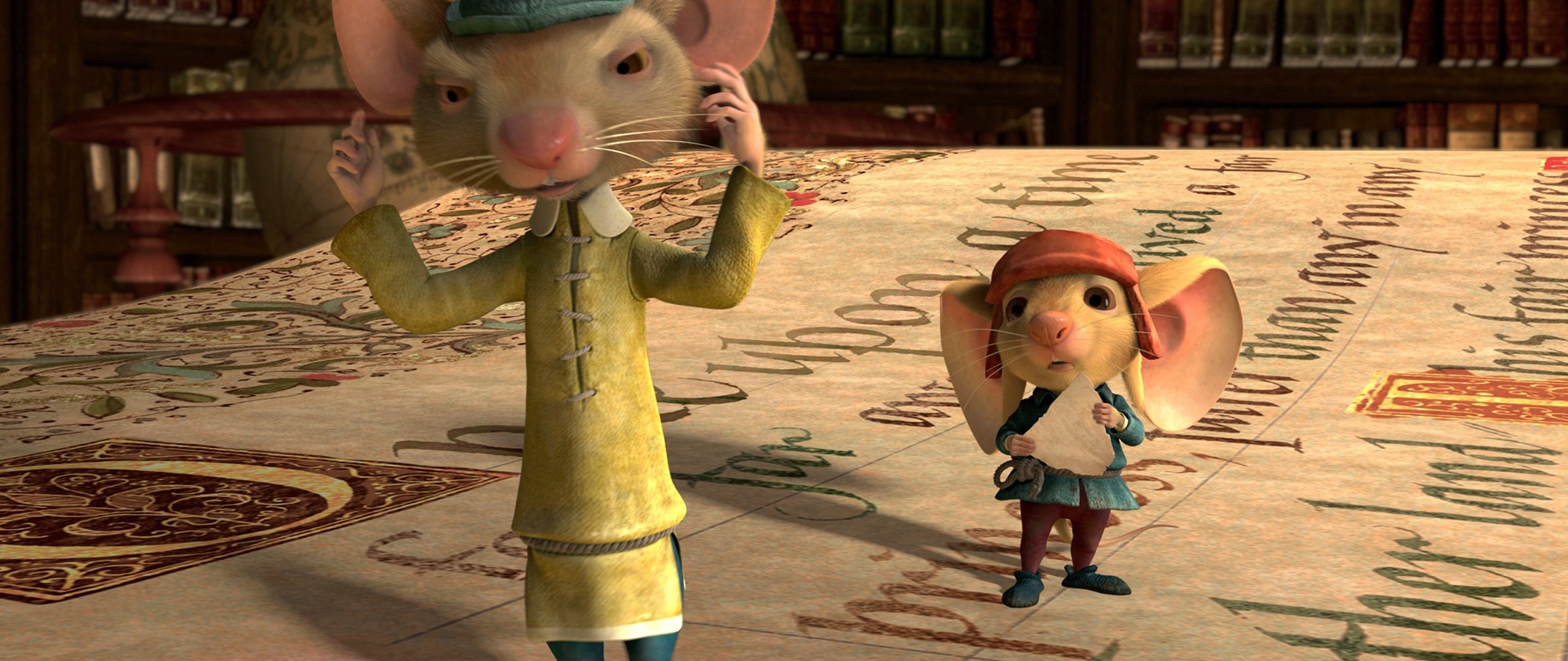
One sequence in particular leaves a strong impression. It begins when Despereaux finds the castle library. On a table lies an open book filled with knightly legends and romances. The mouse devours the tales of a brave hero in shining armor rescuing a princess in distress. The narration follows Despereaux’s imagination. The computer animation transforms into traditional hand-drawn imagery. The literary, conventional fairy tale becomes the foundation for the modern fairy tale of Despereaux. The little hero absorbs the ideals and behavioral patterns lifted straight from the book. It is hardly surprising that he soon encounters a real princess in trouble.
The three-dimensionality of The Tale of Despereaux arises not from technology but from a rich script offering many perspectives, where the complexity of the world corresponds with its unconventional narration—a story with several beginnings and several equally important protagonists whose fates are guided sometimes by chance, sometimes by prophecy. The calm voice of the narrator (Sigourney Weaver) imposes no interpretation, no superior point of view. The Tale of Despereaux is a great film in which every viewer should find a place for themselves.


Looking back at DEAD SNOW: A Blizzard of Nazi Gore Fun

DEAD SUSHI: Exotic, Spicy, and Wildly Entertaining

Revisiting ALICE, SWEET ALICE: Dread and Religious Symbolism

PUPPET MASTER: LITTLEST REICH – Achtung! It’s Good!
