
Review
LEAVE NO TRACE. Impressive Both Formally and Emotionally
In the end, Leave No Trace resonated on multiple levels. It offered a thoughtful story enhanced by understated direction and quietly stunning cinematography.


Debra Granik’ Leave No Trace, premiered at the Sundance Film Festival, where it was met with an exceptionally warm critical reception, even earning a rare 100% positive rating on Rotten Tomatoes at the time. The question, then, was whether Granik’s long-awaited return to fiction truly lived up to the enthusiastic praise from American critics.
The film introduces its two protagonists — teenage Tom and her father — deep in the forest wilderness. Through fragments of conversation exchanged while preparing meals or playing chess, we gradually learn that they have chosen to live apart from society of their own accord. Their fragile idyll does not last. The camp is eventually discovered by authorities, and both are placed in social programs designed to reintegrate them into mainstream life. To say more would venture into spoiler territory. Suffice it to add that this incident serves merely as a springboard for a subtle, often surprising story — one open to multiple interpretations.
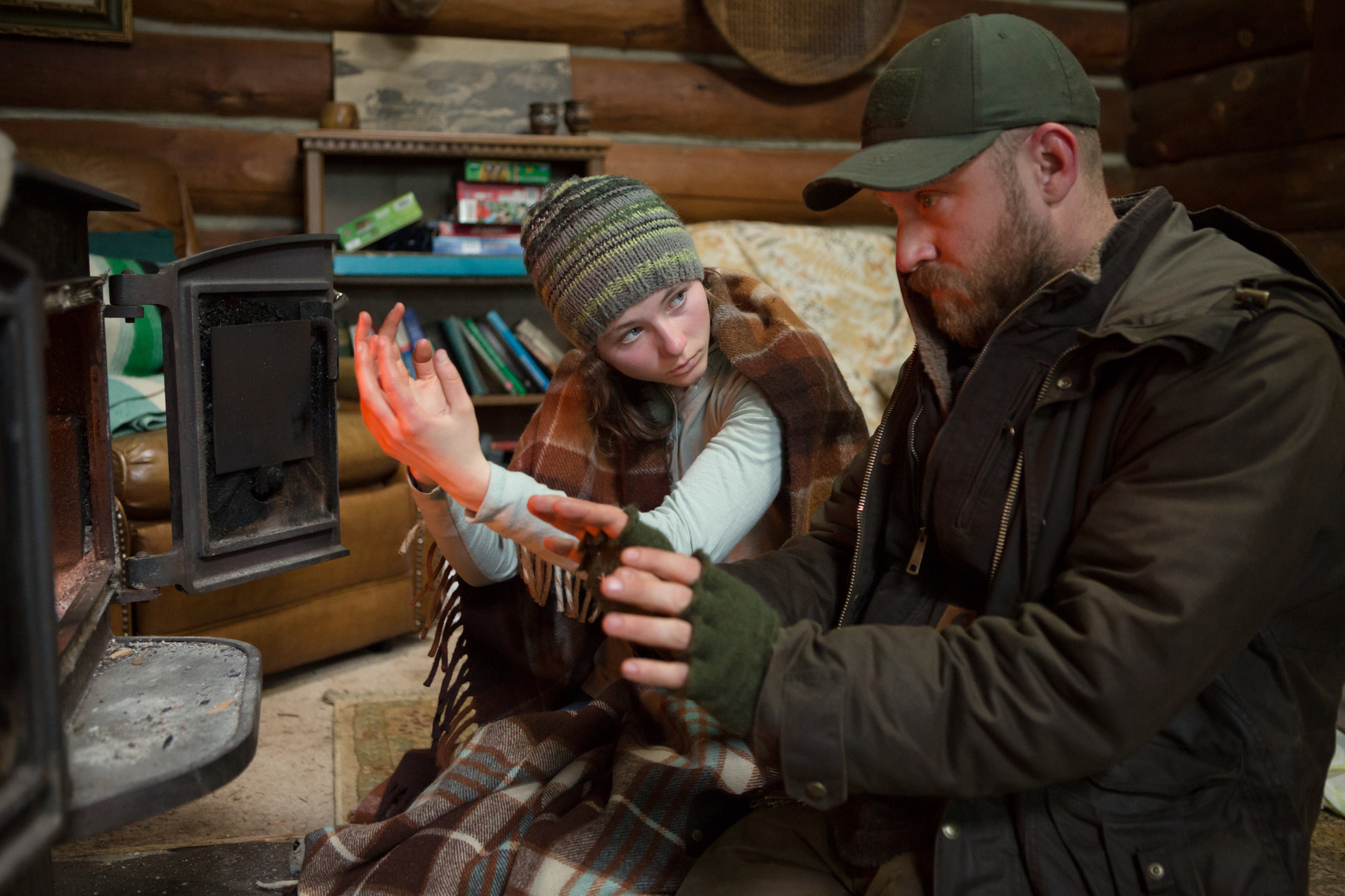
Viewed from one angle, Leave No Trace functions as an unusually restrained coming-of-age tale. It is Tom who grows and changes, slowly developing the first sparks of rebellion against the nomadic existence imposed by her father.
She no longer wishes to reject modern technology outright or avoid human contact at all costs. She longs for friends, for school, for the chance to enter adulthood on her own terms. And yet she cannot quite summon the courage to leave her father behind — especially since she loves and respects him deeply. Much of the film’s emotional power rests on the performance of Thomasin McKenzie, who captured Tom’s conflicting emotions with remarkable nuance. In retrospect, the role proved to be a breakthrough that opened the door to further ambitious projects for the young actress.
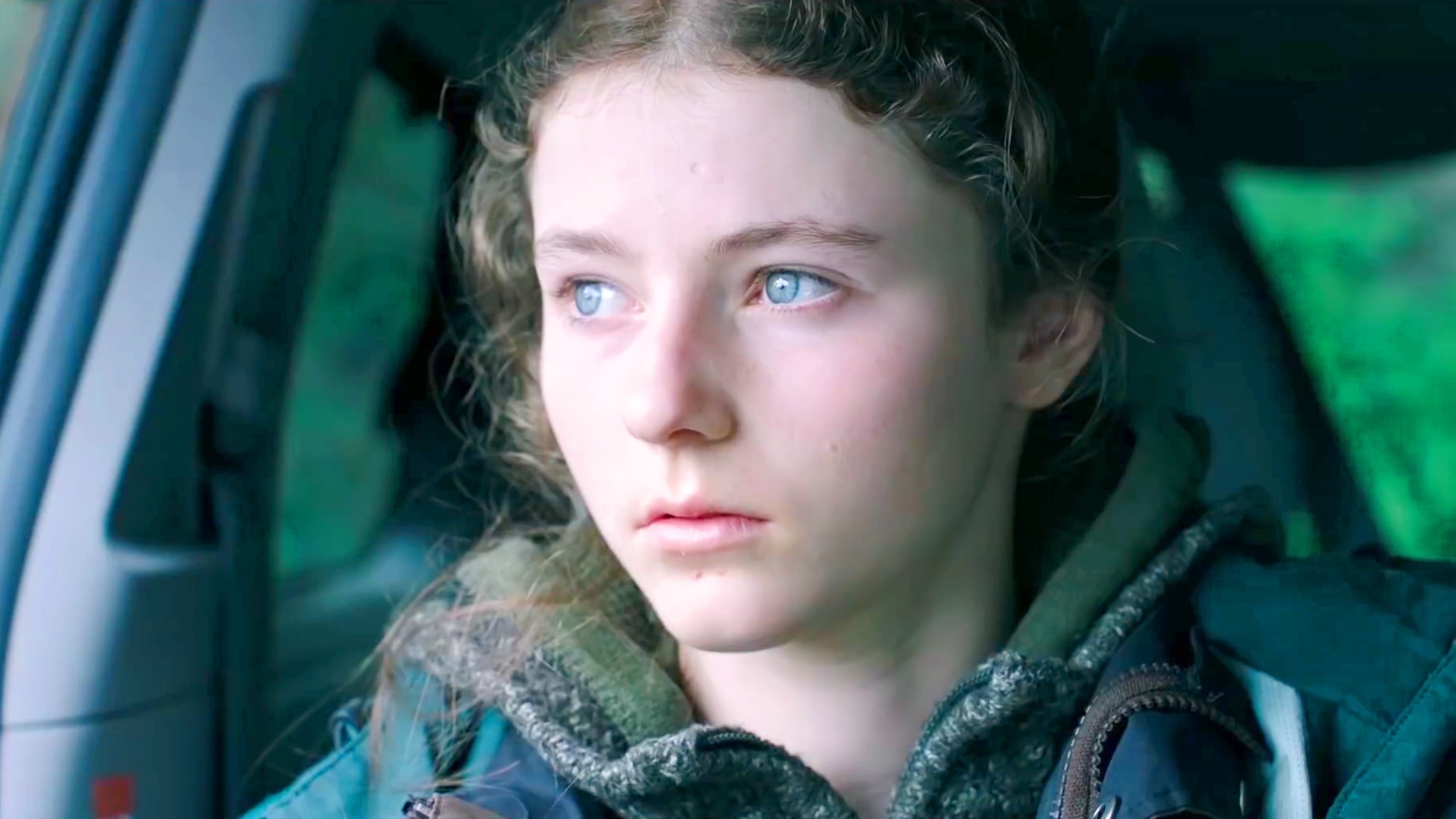
Nature plays a central role in Granik’s film, not merely as a backdrop but as an active presence shaping the characters’ lives. Tom’s father regards the wilderness primarily as a harsh but necessary refuge — a place that allows him to escape society and urban life. His relationship with it is pragmatic rather than romantic.
Tom, by contrast, displays a far greater sensitivity to the natural world. She connects instinctively with animals, caring at various points for a rabbit, a dog, and even a swarm of bees. Granik devotes generous screen time to quiet observation — to the contemplation of towering trees, shimmering morning spiderwebs, and rushing streams along which father and daughter travel. These images give the film much of its visual poetry.

Perhaps most crucially, Leave No Trace can be read as a story about the search for one’s place in the world. Both Tom and her father are looking for it, though in radically different ways. The father — implied to be a war veteran and either a widower or a divorcé — seems incapable of living among other people. For him, “home” is any patch of land that offers temporary shelter before nightfall. He isolates himself, constantly moving on, pulling his daughter along in his wake.
Tom, however, increasingly questions his choices. She craves stability — something her father cannot provide. She wants to spend time with peers, use a cellphone like everyone else, experience an ordinary yet fulfilling life. Above all, she dreams of a single, lasting place she could proudly call home.

In the end, Leave No Trace resonated on multiple levels. It offered a thoughtful, universal story enhanced by Granik’s understated direction and quietly stunning cinematography. Looking back, it stood as one of the most accomplished films of its year — impressive both formally and emotionally.

