
Review
ALL IS TRUE. A Palpable Measure of Love
All Is True never aspired to be a definitive portrait, nor did it indulge in conspiracy theories or strive to become a reverential, textbook biopic.

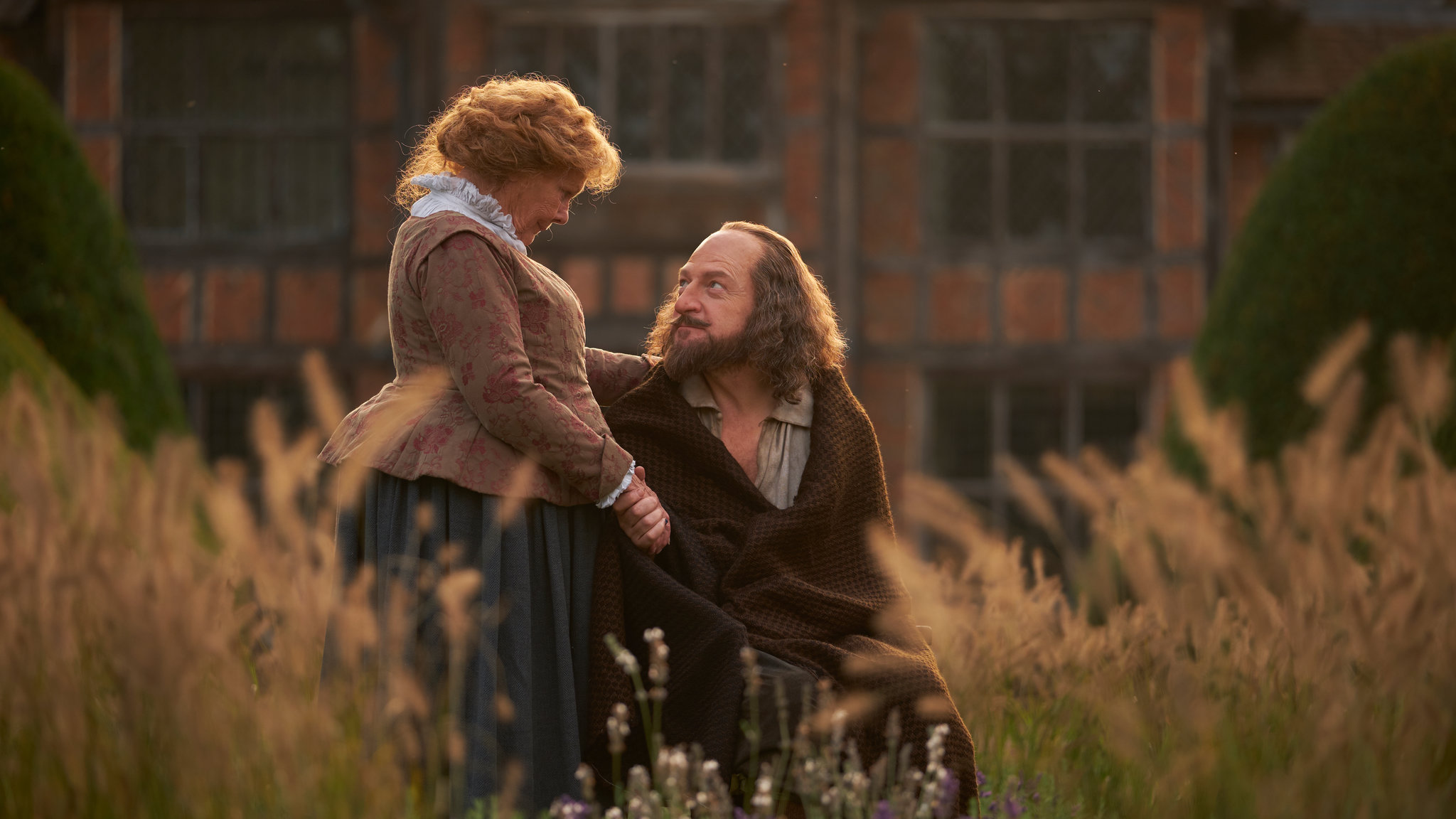
This ambitious attempt to demystify the legendary playwright focused on Shakespeare’s ordinariness and on a single chapter of his life. All Is True never aspired to be a definitive portrait, nor did it indulge in conspiracy theories or strive to become a reverential, textbook biopic. One might have expected something more grandiose from Kenneth Branagh — who, for over three decades, seemed to be making films about William Shakespeare even when he wasn’t technically making films about Shakespeare. Yet this tasteful production occasionally stumbled, especially when it leaned too heavily into portraying the Bard as an untouchable genius.
For Branagh, the project clearly felt like the fulfillment of a long-held dream: he not only directed the film but also stepped into the role of Shakespeare himself, blending biographical drama with hints of comedy of errors. It was perhaps inevitable that he would one day play the writer on screen. Fortunately, the ambition did not entirely overwhelm the material.
The story unfolded in 1613. Shakespeare had already secured his reputation as the preeminent writer of his generation, yet his troubles were far from over. The newly rebuilt Globe Theatre burned down, leaving his acting company in disarray. In these somber circumstances, the aging playwright returned to Stratford, where he was forced to confront painful realities: his family remained fractured after the death of his son, Hamnet. Attempting to rebuild his relationship with his wife and daughters, Shakespeare embarked on a personal reckoning — reassessing not only his past but also his beliefs.
This inward journey suggested that even a man convinced he knew himself completely could still change. When Shakespeare tended the garden of his family home, the gesture clearly symbolized more than horticulture; the real disorder lay within.

And yet Branagh’s performance occasionally proved distracting. Since little is definitively known about Shakespeare’s later appearance, creative interpretation was inevitable. Still, the weathered look — reminiscent, at times, of a rock star with a pasted-on mustache and vaguely piratical attire — risked turning Shakespeare into an icon from the outset. That ran counter to the film’s core intention. If the goal had been to humanize him, the eccentricity of the portrayal sometimes inflated the myth instead, making the subsequent attempts to peel back its layers feel forced.
There was something poignant in this, particularly considering Branagh’s lifelong artistic devotion to Shakespeare. When an actor carries the image of an idol in his heart for decades and is finally granted the opportunity to resurrect him, it becomes all too easy to overlook the human being beneath the legend.

What truly grounded the film, however, was not the occasionally caricatured presence of Judi Dench as Shakespeare’s wife, nor even the well-balanced interplay of comic and dramatic elements. It was the supporting cast — especially the daughters, played with warmth and emotional clarity by Lydia Wilson and Kathryn Wilder. Their scenes brought a natural intimacy that stripped away Shakespeare’s mask. Equally energizing was the appearance of the Earl of Southampton, portrayed with youthful vitality by Ian McKellen. This enigmatic figure, long associated with Shakespeare’s life and sonnets, emerged here as a potentially crucial creative influence. One could only regret that Branagh did not explore that relationship more boldly; a second opportunity seemed unlikely.
The film’s craftsmanship — its evocation of Jacobean England through costumes, makeup, and music — proved consistently solid, if somewhat cautious. Even the score, arguably too illustrative, mirrored the film’s overall restraint. Taken together, the elements of All Is True formed a cohesive whole, arguably more engaging than the hagiographic tone of Shakespeare in Love. In the end, it was better to have a sincere, imperfect work born of admiration and ambition than a glossy, sentimental biopic fit for daytime television. There may not have been much literal “truth” in it — but there was, at least, a palpable measure of love.


