
Review
FREUD: A Sluggish and Scarcely Engaging Spectacle
The creators of Freud have enormous ambitions, yet the result of their efforts is merely the construction out of well-known tricks of a banal crime story.

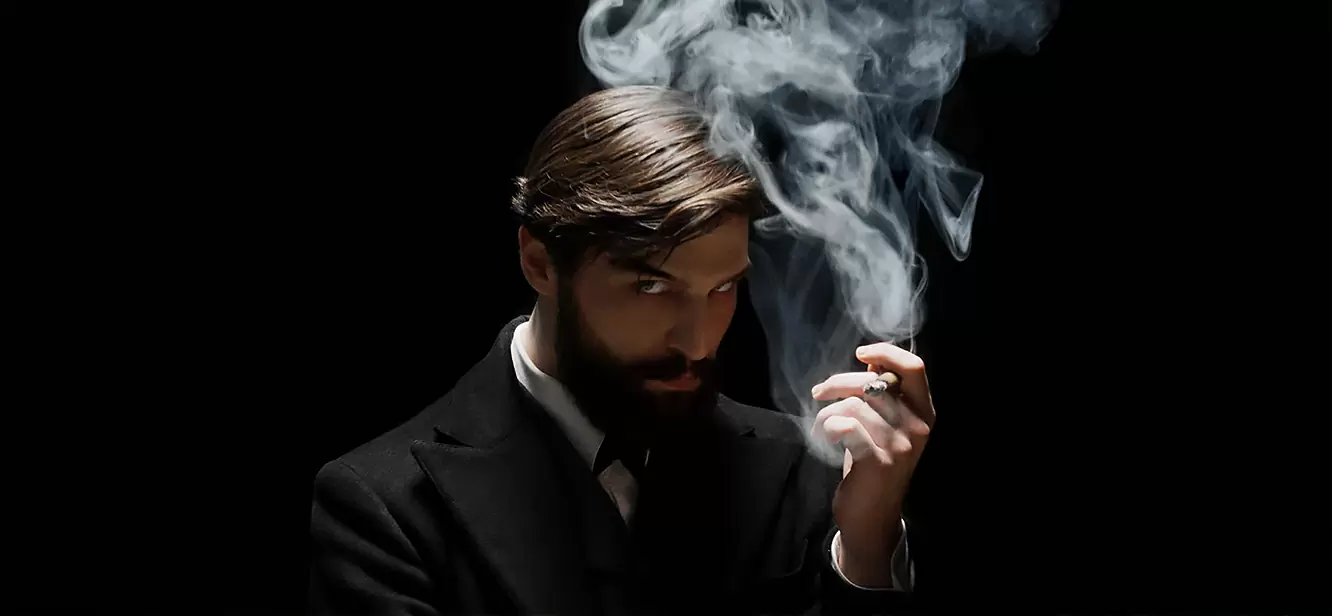
We watch through the windows of our homes a shaken world in which everything has been turned upside down. We look at ourselves in mirrors, seeking the first signs of madness brought about by mandatory isolation. Why, then, not also on the television screen look at a reality stripped of the remnants of normality, where the demons of the subconscious finally come to light? Freud.
The series, the result of a collaboration between Netflix and the Austrian television station ORF, happened to appear at the ideal moment.
It immediately synchronized with the reality we know, broadcasting on the same wavelengths and touching the same problems. The screenwriters decided to tell a story of hysteria in the feverish times before the outbreak of the First World War, where weariness with imposed conventions brought to light the troubles that people would rather not have known about.

Over eight episodes of just under an hour, the screenwriters present a broad panorama of phenomena that Austrians had to confront at the turn of the nineteenth and twentieth centuries, when the specter of the First World War had not yet loomed on the horizon and yet a state riven by internal contradictions stood on the brink of an abyss.
Reaching for the figure of Sigmund Freud, here still a young and underappreciated scholar, has a twofold character. On the one hand, the name of the father of psychoanalysis can attract viewers eager to learn about his biography.
Of course, after a few minutes they will realize that the series has little in common with that genre. It is more about using the tools proposed by Freud, with which one might understand the disorders affecting subsequent characters and, in a general sense, society as a whole. The world of the Netflix production resembles a minefield.
Wherever one looks, there are explosions of human passions. The series of macabre murders committed against the residents of Vienna is not the fruit of a sociopathic criminal’s activity, but the effect of stronger individuals preying on persons of weaker psychological constitution.
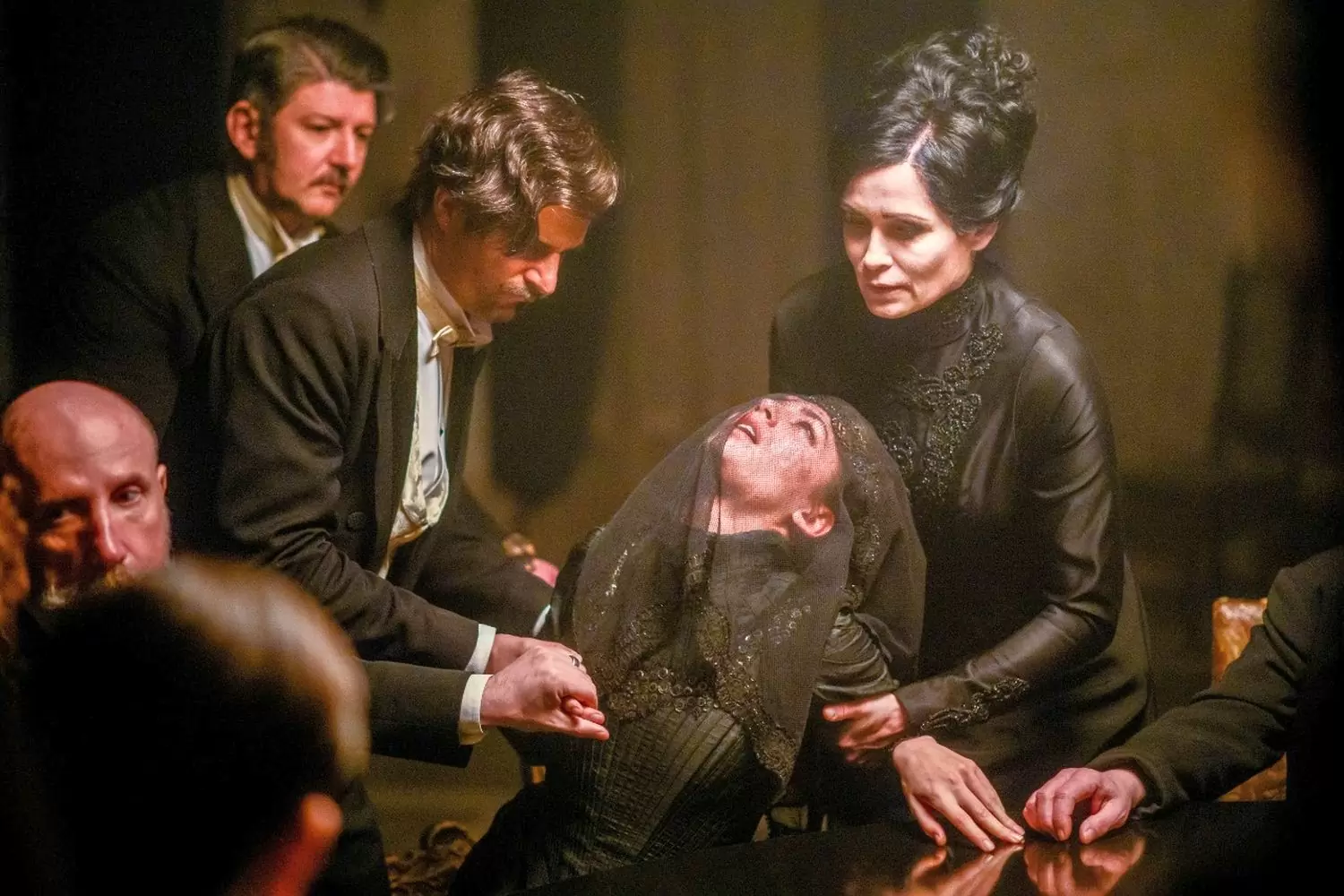
The titles of successive episodes—such as Hysteria, Trauma, Drive—are like signposts indicating interpretive paths that viewers should follow.
These are concepts that help one understand how it happens that an ordinary, well-mannered burgher can suddenly turn into a perverse villain. Onto all these issues the screenwriters layer a political thread connected with the independence aspirations of representatives of a nation oppressed by the ruling Habsburg family.
The figure of Freud (played by Robert Finster) has been sketched in a very chaotic, inconsistent manner. The man is a protagonist typical of the crime genre.
He is marked by brilliant eloquence, courage in pursuing his own goals, is obligatorily addicted (in this case to cocaine), and also has the love of his life, whom he betrays with an unusual mistress. If the researcher’s surname were changed to any other—say Rath, Szapiro, or Hole—it would cause no change in the series. Put plainly—there is little Freud in Freud.
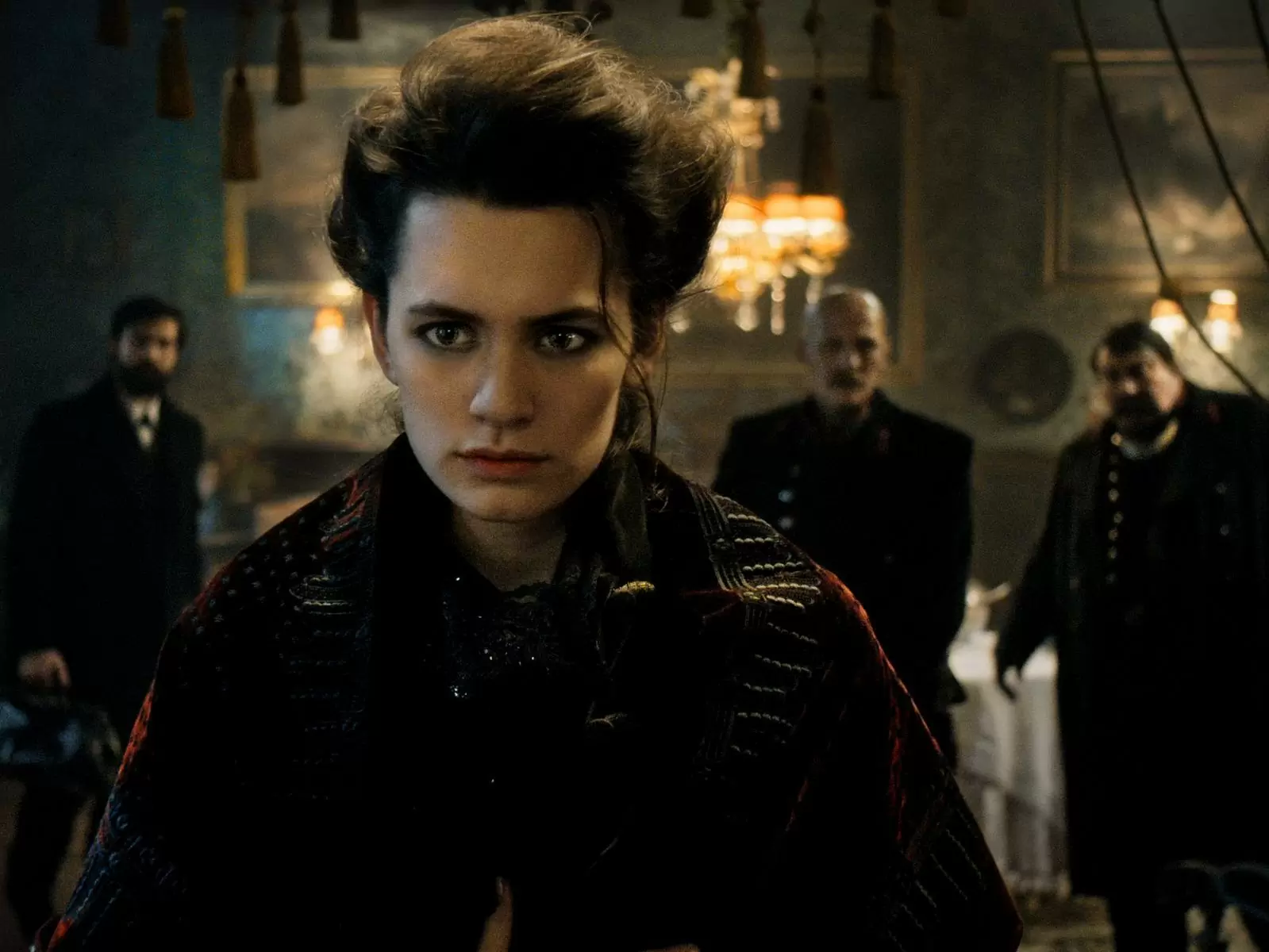
The idolizing approach of the screenwriters to the Austrian is amusing as well. They take his side, creating him as the last righteous man in the fight for the human psyche, even though already around the fifteenth minute of the first episode they signal the repulsive methods the scholar employs to prove his theses.
They supposedly try to show him from two sides, and yet sympathy for the man whose eccentric methods led to naming the demons lodged in human minds is immediately perceptible. Uncritical construction of the narrative on Freud’s science, repeatedly and variously refuted by later psychologists, exposes the screenwriters to ridicule.
It seems that Freud is an unsuccessful epigone of the German series Babylon Berlin. In the Netflix production it is likewise a matter of presenting a pivotal moment in history and of depicting mental and social chaos, but it is done in a scarcely subtle way.
At times evident financial shortcomings are visible, as a result of which symbolic scenes showing the characters’ dreams/fantasies look tacky. And the very act of portraying fantasies in this manner is comical, especially when the creators do not bracket it with irony that could defuse the heavy dose of seriousness contained therein. Not to speak without example—showing a woman riding a horse might have passed in the times of Wladyslaw Podkowinski, but not in the 2020s.
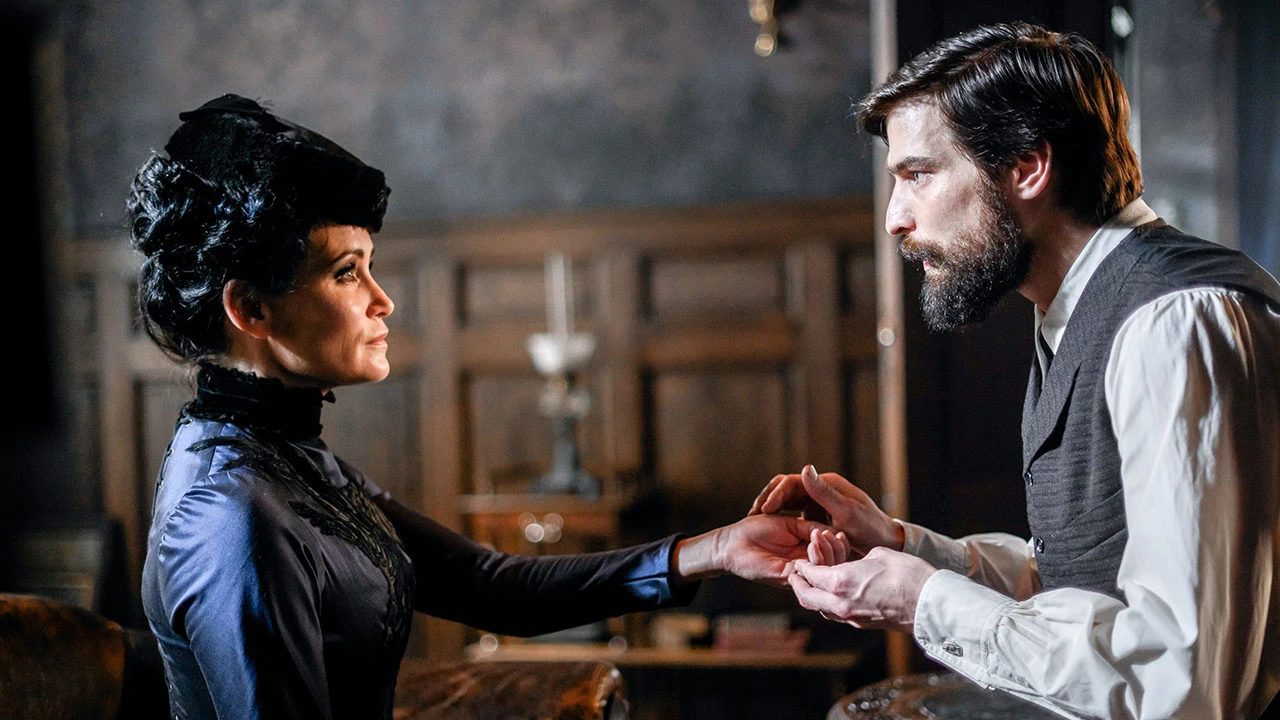
The creators of Freud have enormous ambitions to present a broad panorama of the changes taking place in the society living in Sigmund Freud’s time, yet the result of their efforts is merely the construction out of well-known tricks of a banal crime story. An inability to engage with the chosen convention, as well as blindly following the ideas of the psychoanalyst, are the greatest among the many sins committed by the screenwriters. These errors make the Netflix series a sluggish, scarcely engaging spectacle after which nothing remains that could serve further discussion. Truly, it is better to watch Babylon Berlin.

