
Review
CHRONICLE. One of the rare “what if?” experiments
Chronicle still stands out as one of the rare “what if?” experiments that dares to answer with something other than another multiverse cameo.

It’s 2025, and we’ve long since passed peak superhero saturation. What used to be an occasional tentpole event is now a constant content drip across theaters, streaming platforms, and whatever “cinematic universes” are still limping along. By now, even die-hard fans are starting to feel like every cape-and-cowl story is just a palette swap of the last one. But every once in a while, a project tries to bend the formula instead of worshipping it. Back in the early 2010s—yes, back when “straight to streaming” still meant “straight to DVD”—two such oddball takes, Defendor and Super, got quietly dumped without so much as a theatrical poster to remember them by.
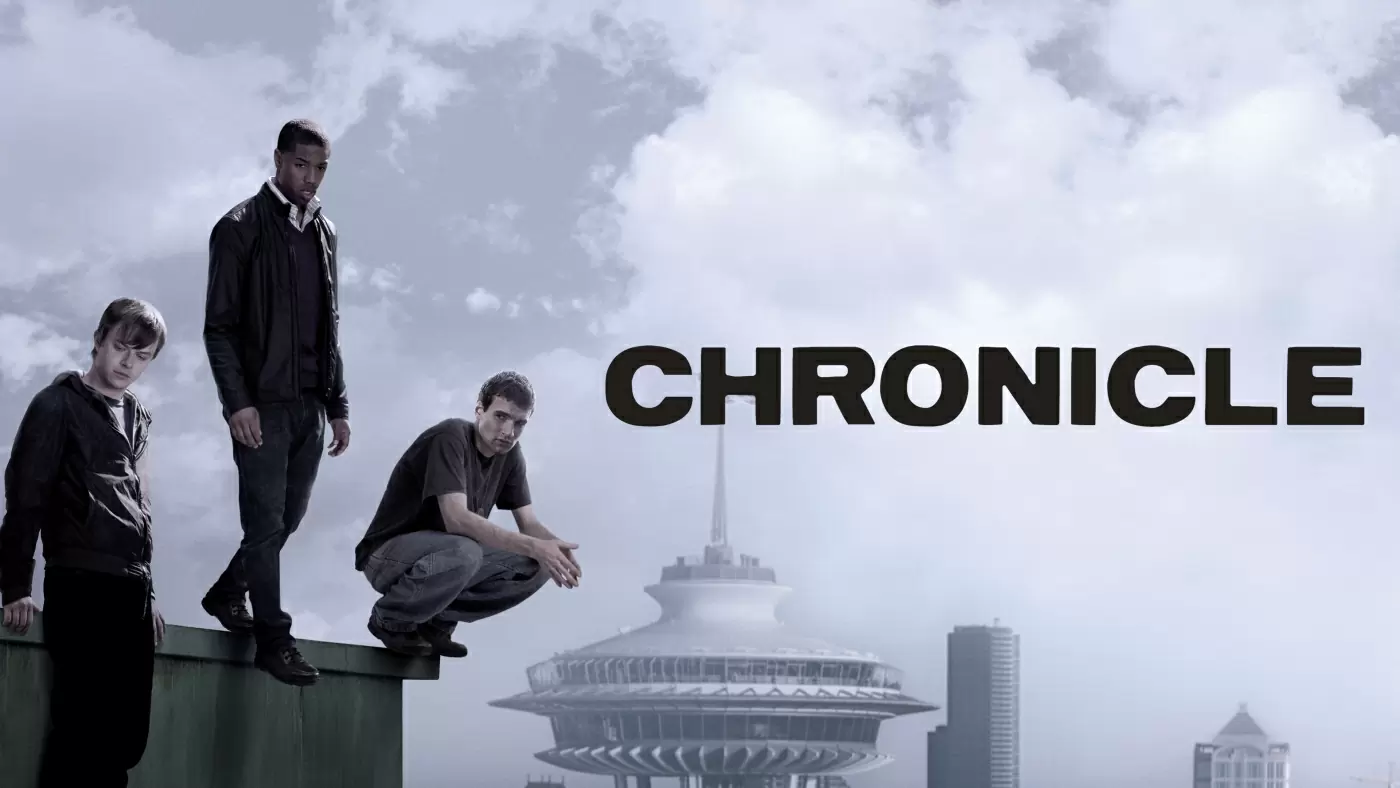
Both had more bite than Kick-Ass, which began as a clever send-up of the masked vigilante myth and then swerved into gleeful carnage with jetpacks and gatling guns. It was into that cinematic climate that Chronicle landed—the first superpowered character drama told entirely in the found footage style. (Cannibal Holocaust purists, please take a deep breath and unclench.) The premise: three high schoolers encounter a mysterious… something… and wake up with telekinetic powers.
At first they’re shoving around Legos and baseballs; soon they’re tossing cars and taking joyrides in the clouds.
The movie’s hook is how it treats those powers. No Marvel morality speeches. No DC-style grimdark brooding. Just three teens using their gifts to prank, party, and push boundaries—basically what would happen in real life if you gave psychic powers to people who still have homework. The difference is that Chronicle doesn’t tell the story of a hero—it’s the origin of a villain. Andrew, our central figure, is a socially isolated kid whose home life is a wreck: a terminally ill mother, an abusive alcoholic father on benefits, and no real friends beyond his cousin.
In the Disney+ version, powers would save him. In Chronicle, they accelerate his collapse—driving him inward, feeding his resentment, and ending in a superpowered meltdown that turns downtown into a war zone.
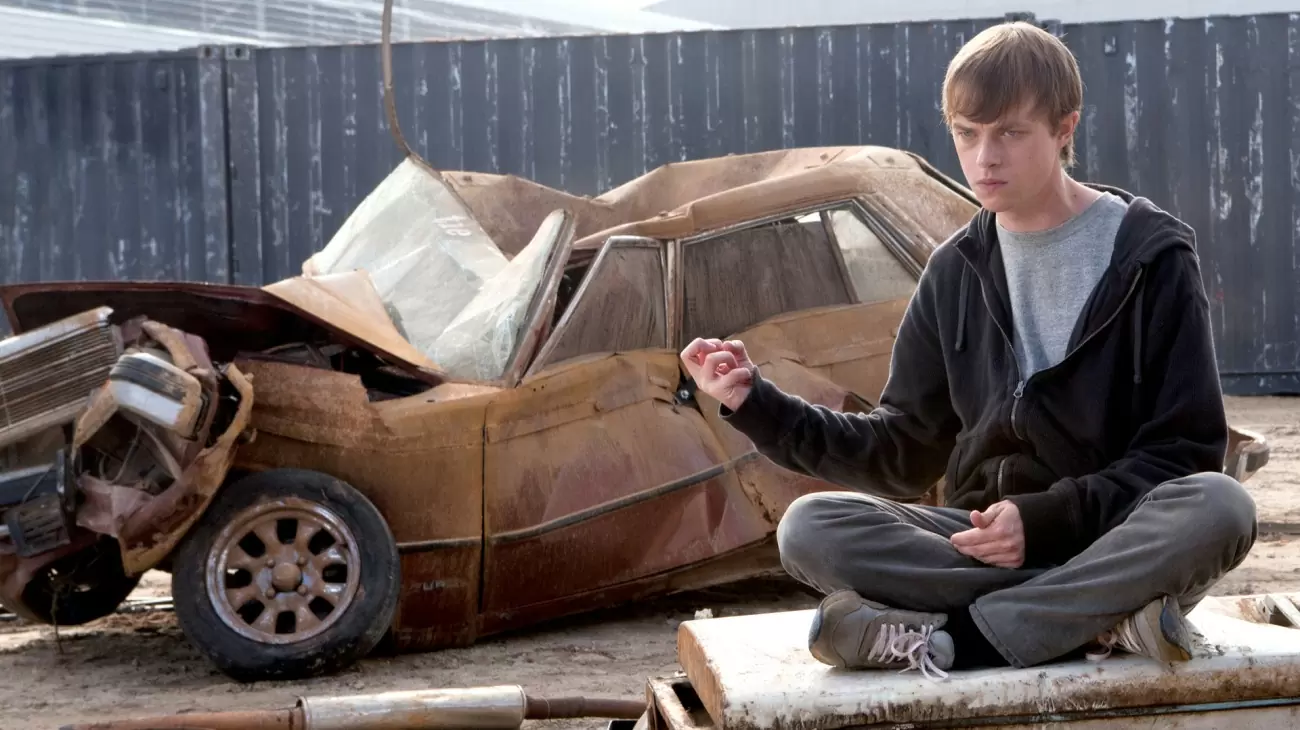
The filmmakers do a solid job charting his descent, but the script cuts corners. Andrew flirts with pseudo-evolutionary philosophy to justify himself, but that thread vanishes almost instantly, leaving his insecurity and trauma as the only real motivators.
Meanwhile, the rest of the cast are as flat as early-’10s Instagram filters. The “hero” character gets the worst deal: he starts awkward, becomes slightly less awkward, and that’s… it. Then there’s the found footage gimmick. It’s a risky format—you can’t just plop a camera into every scene; the audience has to believe it belongs there. Cloverfield had its party video setup.
That works. Chronicle opens with Andrew declaring out of nowhere, “From now on, I’m filming everything I do,” and that’s the whole justification. Later, the film tries to reframe it as his coping mechanism, but the idea never quite lands. Starting with their first experiments and folding the family drama in after the fact might have been cleaner. Instead, the opening stalls before the real story kicks in.
Still, it’s worth a watch—especially the finale. With a fraction of a Marvel budget, the effects team delivers a chaotic citywide battle that’s both inventive and coherent in its found footage framing. It’s messy, scrappy, and somehow more exciting than a hundred weightless CGI punch-ups. In a year where superhero fatigue has turned from a niche complaint into a running joke, Chronicle still stands out as one of the rare “what if?” experiments that dares to answer with something other than another multiverse cameo.


