
Review
BRICK. Science Fiction Without Imagination [REVIEW]
Brick is a painfully by-the-numbers production, made for playing in the background while you do chores. Even if you miss parts of it, you won’t lose the thread.

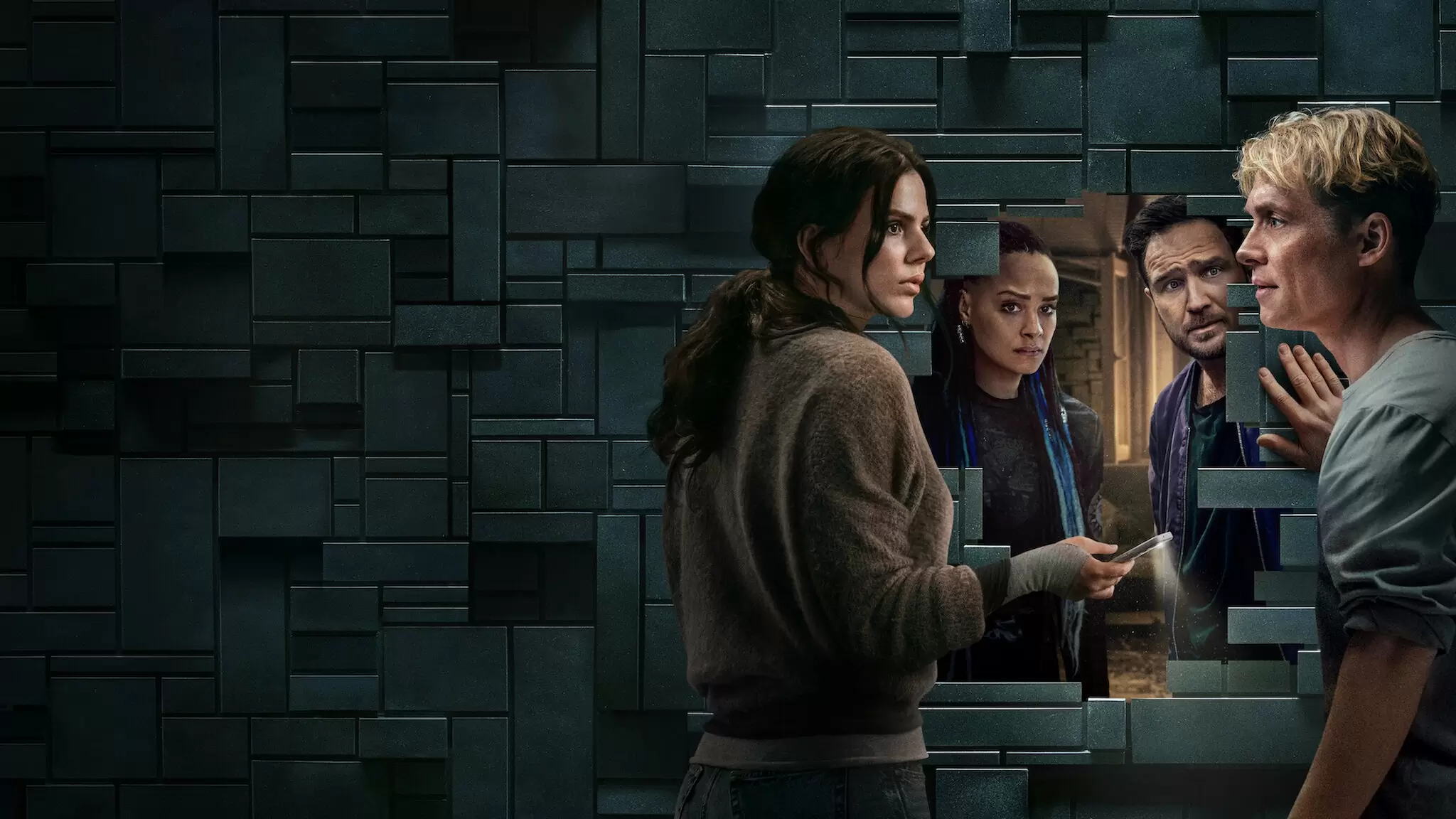
In an age of omnipresent IT systems—and political tensions—it’s not hard to imagine a scenario where a system malfunctions, leaving the very people it was meant to serve in a difficult situation. One chance incident, and boom—you’ve got the makings of a movie. In this case, that movie is Brick, which has just landed on Netflix. Tim and Liv are dealing with the slow breakdown of their relationship, driven by unresolved personal issues, professional stress from Tim’s work in the gaming industry, and Liv’s diverging life goals. One evening, the inevitable happens—Liv announces she’s leaving on a trip alone, and she won’t be coming back. But then, things take a strange and unexpected turn: they can’t leave the apartment.
Outside the doors (and windows) stands an immovable, futuristic magnetic wall, and to make matters worse, the mobile network and internet suddenly go dead. 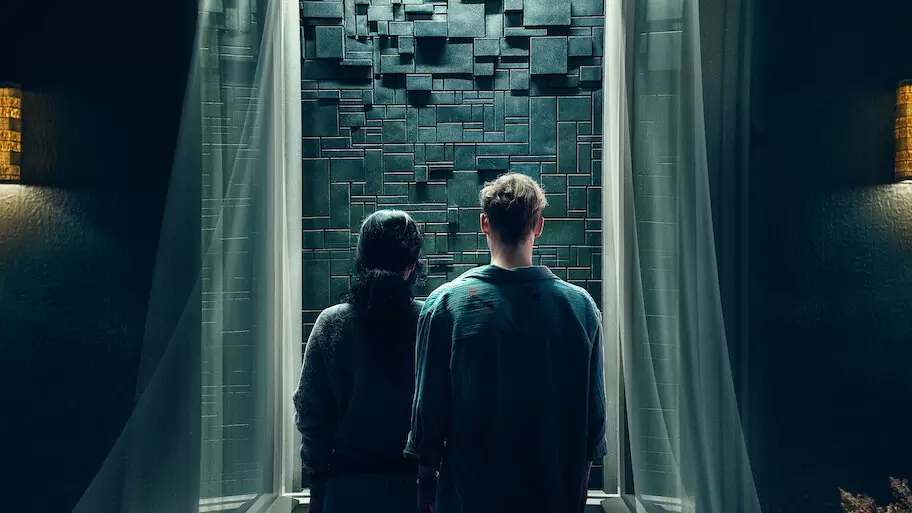 Attempts to escape quickly reveal that their neighbors are experiencing the same thing—the entire building has been mysteriously sealed off from the outside world. Step by step, a makeshift group of trapped residents forms around Tim and Liv. What follows is a tense and increasingly paranoid struggle to understand and break out of this surreal situation. Philip Koch’s Brick is, in many ways, a recycled product—made almost entirely from familiar components.
A passive protagonist who undergoes a transformation during a crisis? Check. A crumbling relationship contrasted with the passion of a young couple next door? Check. A grumpy old man with survivalist instincts and a pistol? Check. A granddaughter tempering her grandfather’s authoritarian streak? Check. Digital trickery? Present. Visible diversity with representation of LGBTQ+ and immigrant characters? Absolutely.
A quasi–Cold War prepper theme? It fuels the plot. The gradual build-up of tension and violent escalation that tests the group’s shaky alliances? Brick offers all of that in spades.  The depiction of the characters’ confinement in the building is transparent—if not outright lazy. The film has the standard digital look, color grading, and formulaic structure typical of streaming content. The actors don’t do much to elevate their flat characters—though they’re not particularly bad either.
The main plotline doesn’t grip—it’s easy to follow and driven by predictable twists. The personal dramas, meanwhile, feel pulled straight from a stock photo catalog, making it hard to connect with the characters. Koch doesn’t have much to say about social dynamics either; he settles for an isolationist narrative that feels like vintage sci-fi pulp with a digital-age facelift. The titular “brick” (or wall) isn’t even a metaphor—it’s just a plot device, ultimately lacking in real meaning.  Brick is a painfully by-the-numbers production, made for playing in the background while you cook or do chores.
Even if you miss parts of it, you won’t lose the thread—and after the first fifteen minutes, you can pretty much guess how it’s going to unfold. The only distinguishing feature is the use of German instead of English. But even that doesn’t lend it any real local flavor—this Netflix filler could easily have been generated by stateless AI.

