Horror Movies
40 Years Since THE LOST BOYS: Cult 80s Teen Horror Feast
The Lost Boys is deeply rooted in the style of 1980s adventure horror; unrestrained entertainment, visually intriguing, and at times genuinely funny.

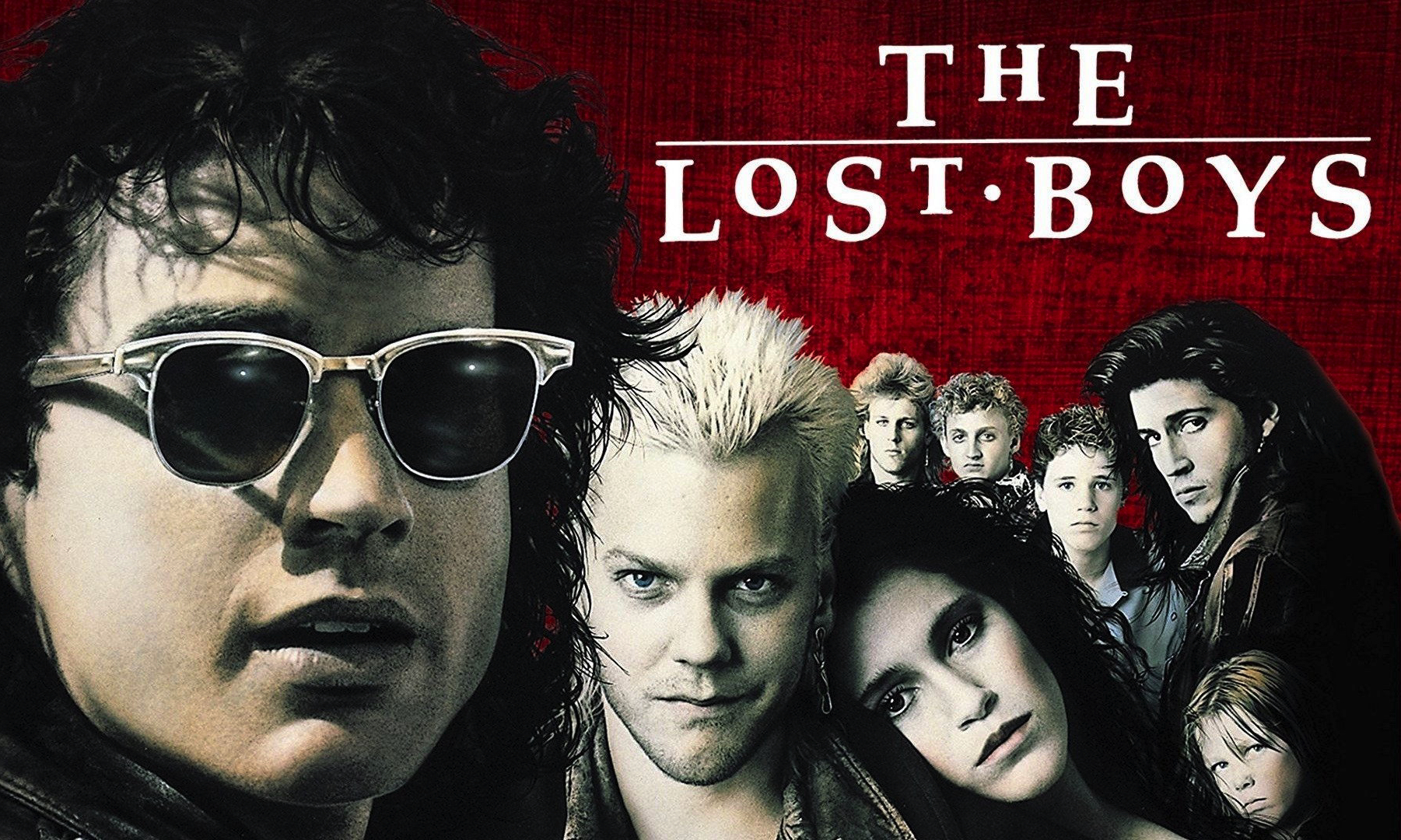
The Emerson family has had a difficult year behind them. After a divorce, the mother, Lucy (Dianne Wiest), is forced to move with her sons Michael (Jason Patric) and Sam (Corey Haim) to a small town in California—Santa Carla—where her slightly eccentric father (Barnard Hughes) lives. It quickly turns out that in this town—which is supposedly worthy of being called the American murder capital—eccentrics are by no means in short supply. The Lost Boys.
While Lucy tries to somehow make ends meet, taking a job at a local video rental store and in between flirting with its owner, Max (Edward Herrmann), her sons kill time wandering along the main street plastered with missing-person notices. Michael quickly develops a crush on the beautiful Star (Jami Gertz).
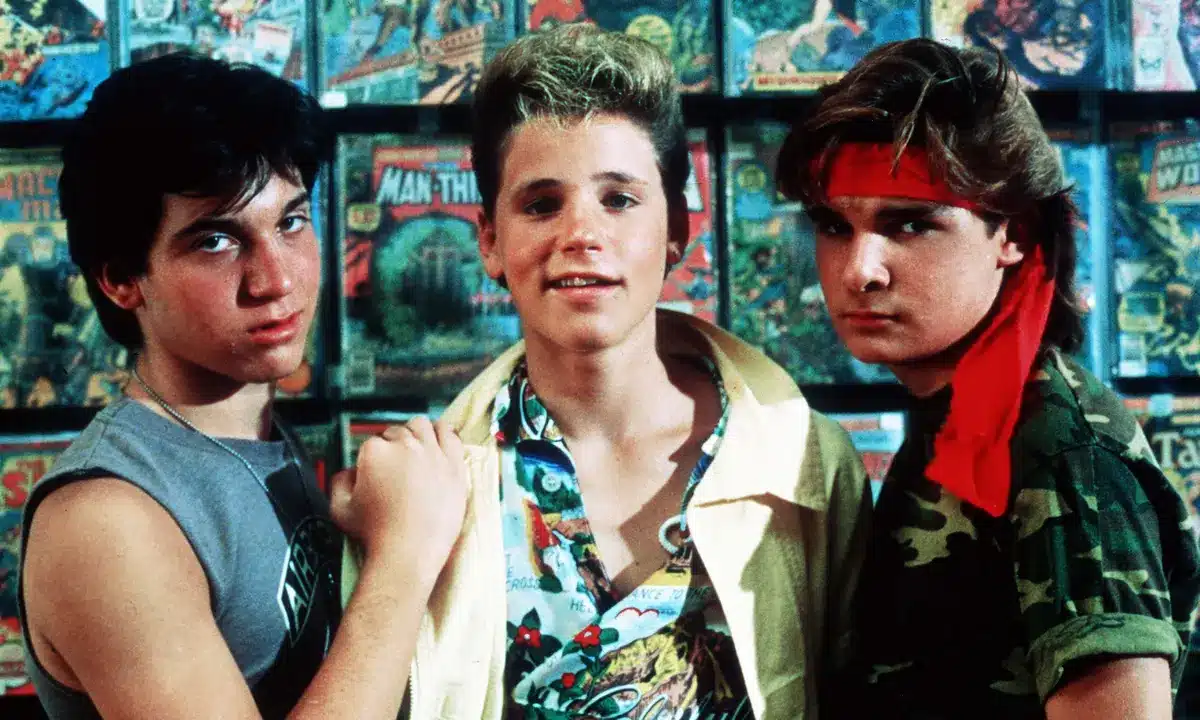
He has no idea, however, into how dark territories his fascination with the mysterious girl—connected to the leader of a motorcycle gang, David (Kiefer Sutherland)—may lead him. Meanwhile, the younger Sam meets the brothers Edgar and Alan in a comic book store, who identify themselves as vampire hunters (Corey Feldman and Jamison Newlander). Initially skeptical and amused, he will change his mind over time, realizing that the threat is very real…
The title The Lost Boys refers to J. M. Barrie’s play about Peter Pan, later transformed into a novel, and to the group of peers surrounding him who have stopped in time. They experience extraordinary adventures in Neverland and acquire remarkable, almost magical abilities, but at the cost of giving up everything that made up their former lives—first and foremost, the presence of a mother.
The search for a caretaker is one of the motifs running through Barrie’s cycle; this role is fulfilled, for example, by Wendy, and it is thanks to her and under her guidance that the boys decide to abandon eternal childhood and grow up.
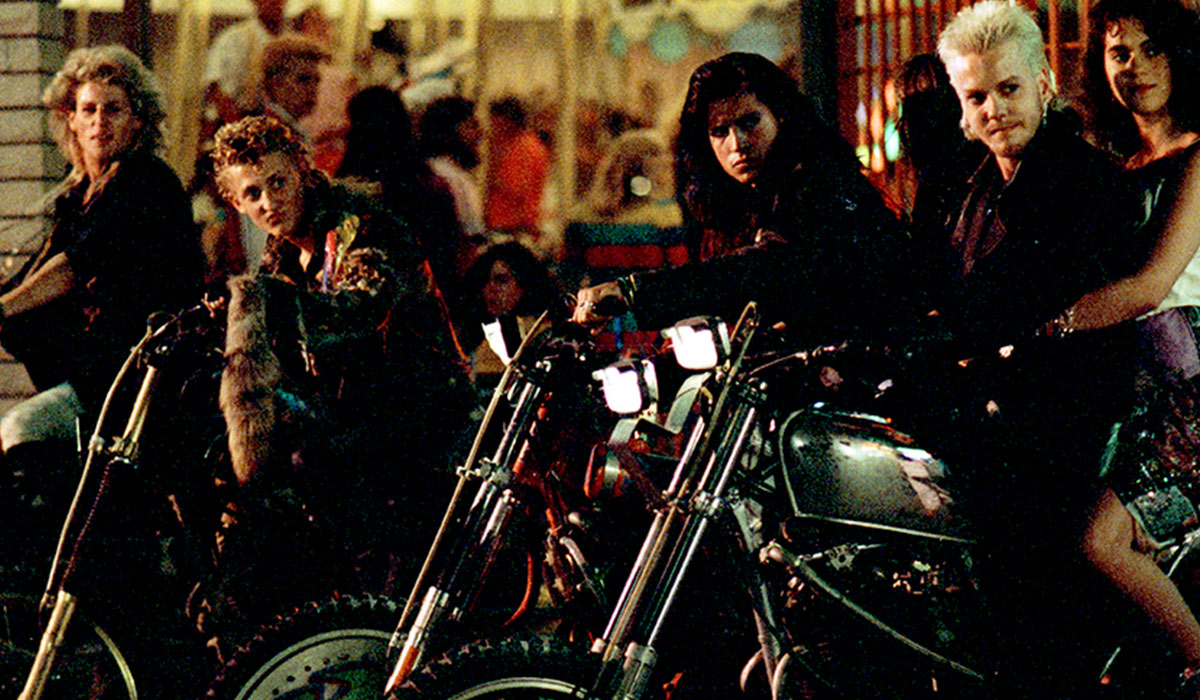
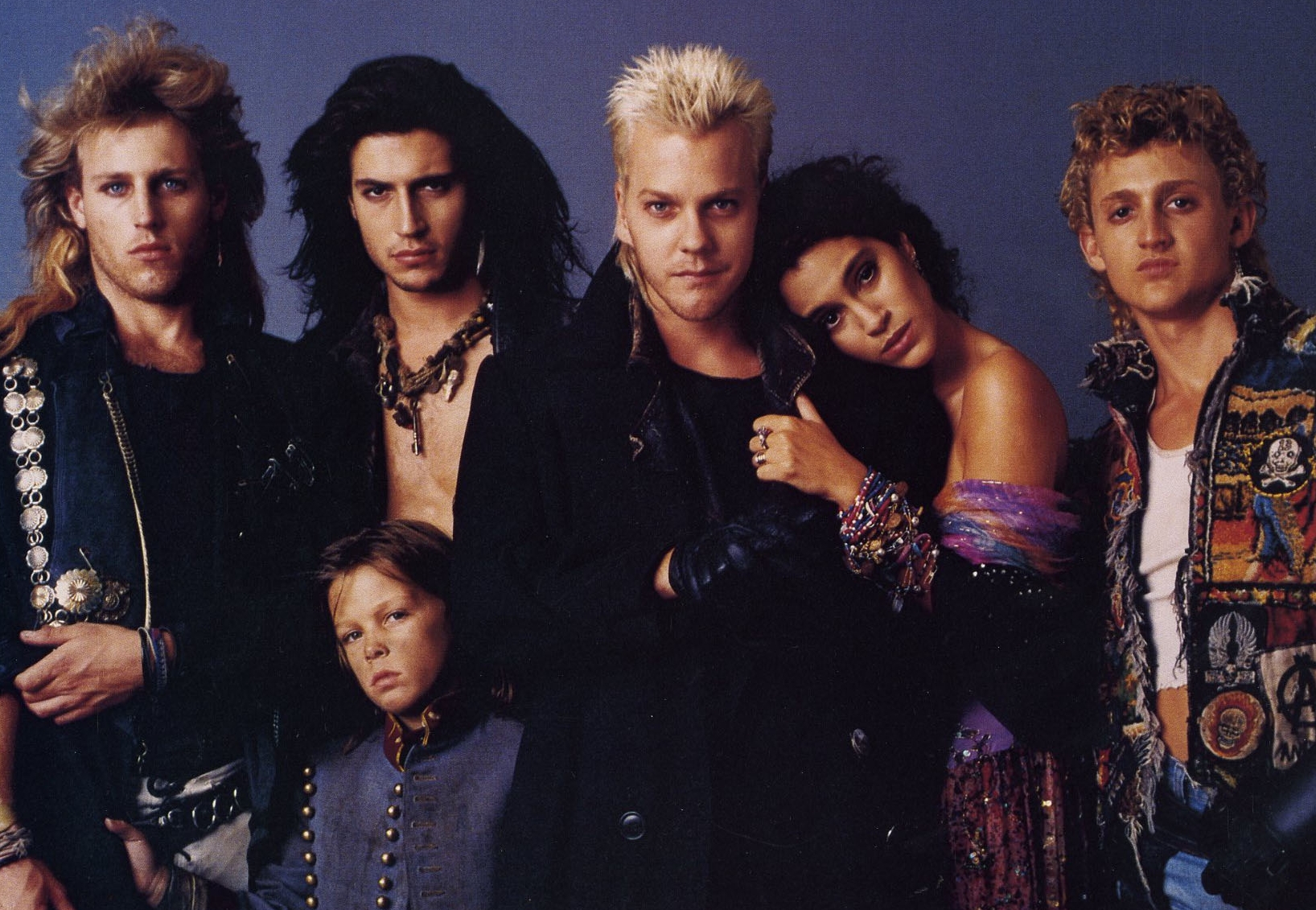
The vampires in David’s gang also remain eternally young, but the price for this is separation from other people and from daylight, as well as the necessity of hunting for hosts. We can quickly realize that the attractiveness of such a life is only apparent. Although the vampires are independent, self-sufficient, live as they please, immerse themselves in hedonism, and no rules exist for them, they will always remain lonely and reliant solely on themselves.
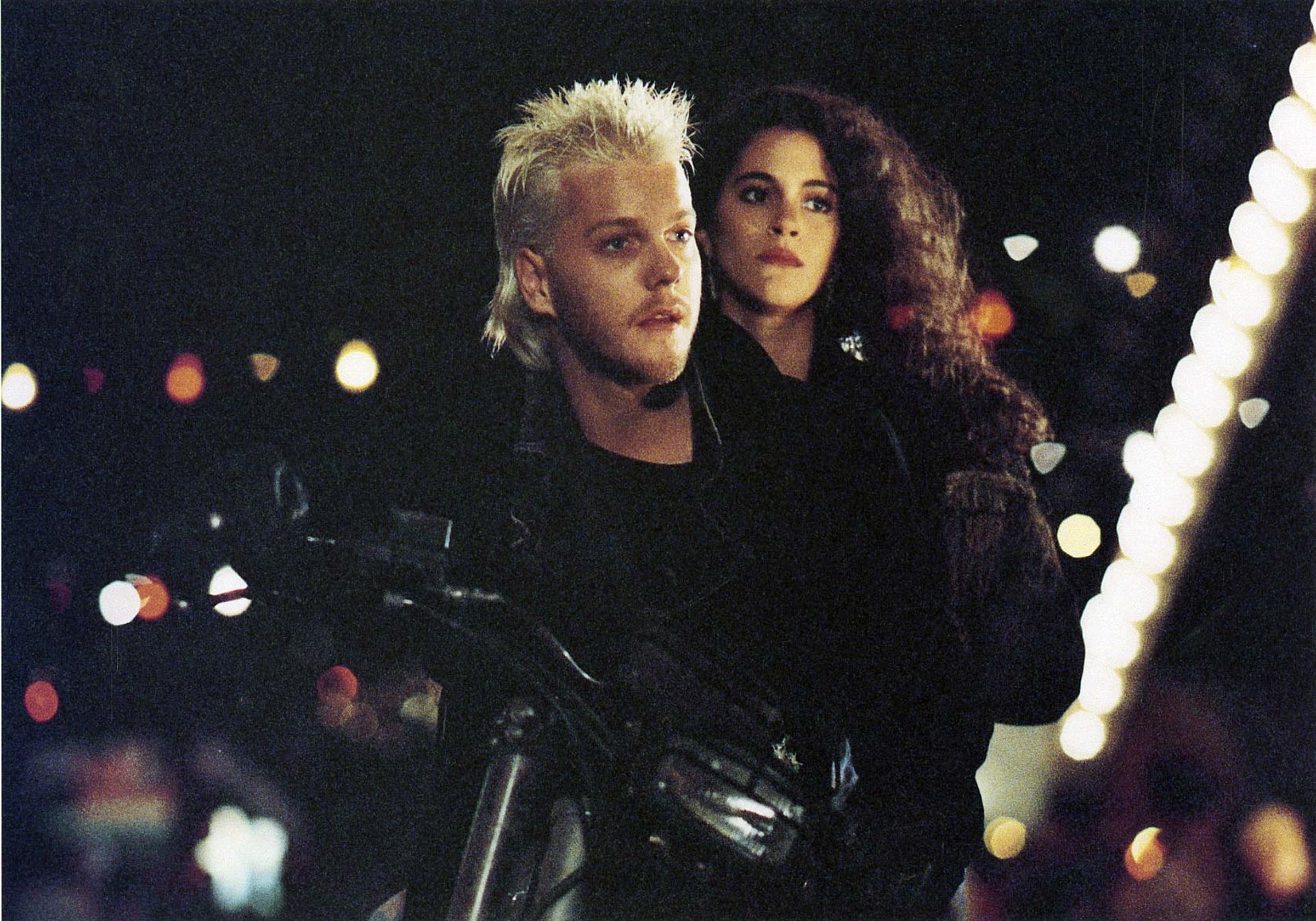
Both Michael and Star essentially from the very beginning see that they do not want such a life, because ostracism and cruelty are too high a price for eternal fun. Being frozen in place, sealed within youth in this particular interpretation of the vampire myth, inhibits development, because it allows neither higher feelings nor the failures and disappointments necessary to achieve maturity. A complete lack of worries and being guided exclusively by instinct will not take anyone very far.
Joel Schumacher’s film is deeply rooted in the style of 1980s adventure horror—one of its main characteristics is something I, for my own use, call a lack of generic balance. Comic and dramatic elements coexist side by side, indeed they are so tightly intertwined that it is difficult to separate one from the other, even though they seemingly do not fit together at all, as if they came from different fairy tales.

It is enough to recall the scene in which the vampire hunters, together with Sam, venture into a cave to catch the bloodsuckers in their lair. This style is close to the heart of anyone who grew up with the cinema of that period, but today, to an outsider, it would probably appear kitschy, strained, and unnatural.
At the same time, in the case of The Lost Boys, this aspect means that the film does not fully realize its potential. It does not transform into something it could successfully have become—a wise, reflective coming-of-age story about responsibility and the search for community, about how some obligations rise above others, or simply about the strength of male friendship.

The most expressive characters are the underage hunters and Sam—it is decidedly Corey Haim, not Jason Patric, who is the main star here. The adult characters also lack character, squeezed into the costumes of the cool mom and the eccentric grandpa, yet stripped of an individual edge that would make it possible to like them or identify with them.
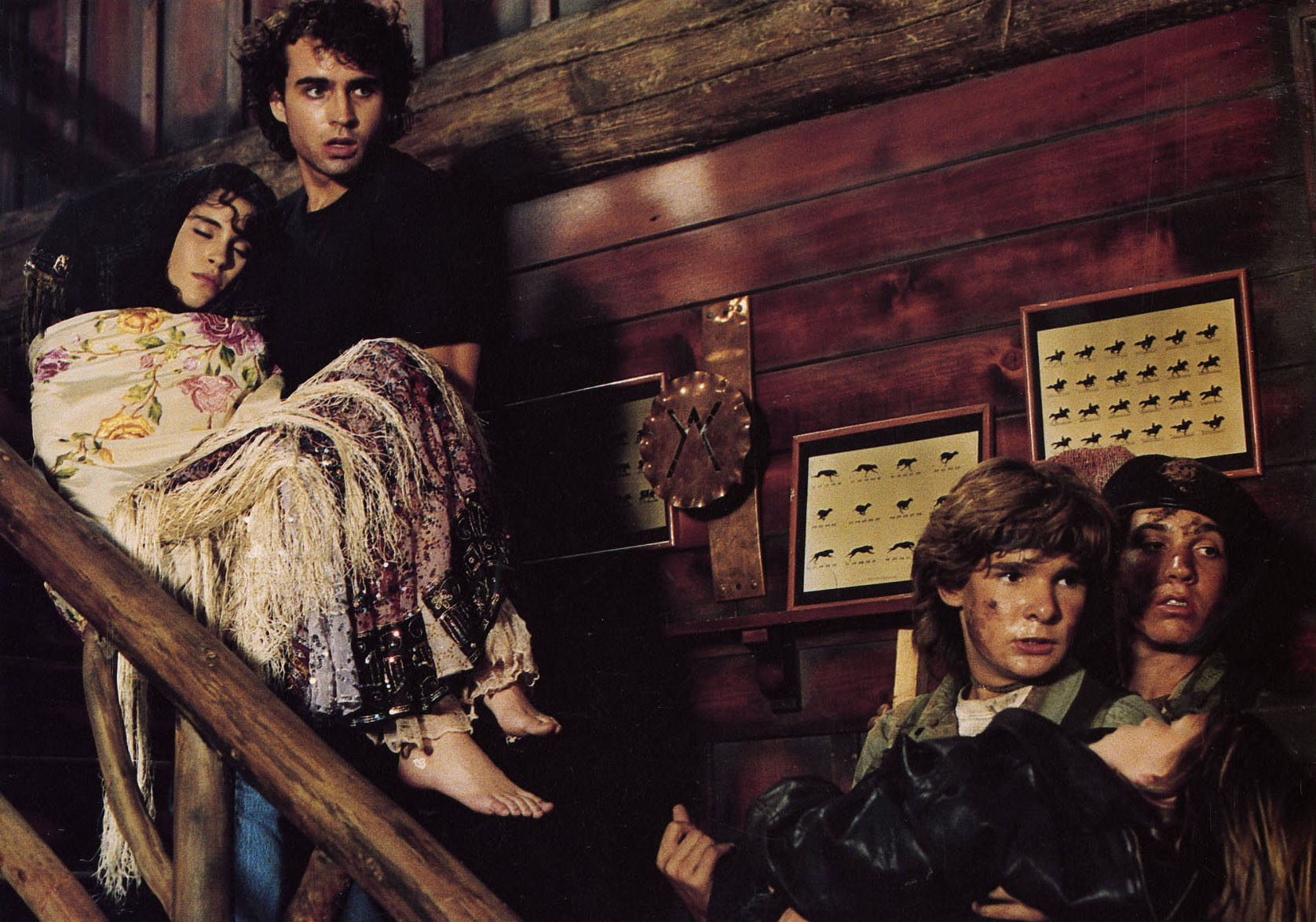
Despite all these charges, I still have a lot of affection for The Lost Boys. It is unrestrained entertainment sketched with a few simple lines, without great ambitions and without particular depth, but visually intriguing, pleasant to watch, and at times genuinely funny.
And of course, let us not forget the dog Nanook, who steals every scene for himself and, as a vampire hunter, is the most effective of them all!